
As the highland sun sinks below the horizon, pulling its golden rays from the snow-capped peaks, a crisp chill arrives with the dark. On the rapidly cooling plateau, dinner is far more than a practical meal to fill the stomach—it is a heartwarming ritual of comfort, family reunion, and resetting after a long day of travel or labor.
Unlike lunches that prioritize speed and immediate physical fuel, local Tibetan dinners are slow-paced, deeply nourishing, and comforting. Whether in a dimly lit, cozy teahouse on a historic town street or around a crackling hearth inside a nomad’s black tent on the northern grasslands, a steaming dinner is a Tibetan’s gentlest weapon against the freezing alpine night.
Let us step into the evening shadows of Tibet to discover what locals enjoy for dinner and uncover the natural origins of these soul-soothing dishes.
The Classic Trio of Tibetan Noodles, Fried Potatoes, and Sweet Tea
For Tibetans living in urban areas like Lhasa or Shigatse, the evening air is frequently perfumed with the rich aroma of simmering broths. After finishing work or right before the night begins to deepen, locals love to duck into a familiar teahouse or local restaurant to order a classic, comforting dinner set.
Tibetan Noodles and Yak Bone Broth: The First Sip of Evening Warmth
-
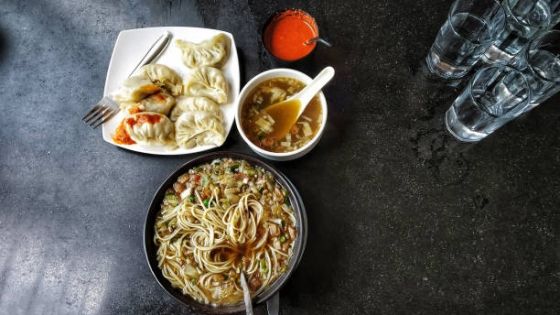
What to eat for dinner: The culinary soul of an urban Tibetan evening is found in a deceptively simple bowl of Tibetan noodles. These noodles feature a distinct yellow hue and a firm, slightly alkaline texture. The true magic, however, lies in the broth—a crystal-clear yet intensely flavorful soup made by simmering pure yak bones for over ten hours. Topped with a sprinkle of finely minced, air-dried yak meat, a single sip of this hot broth melts away the evening frost instantly.
-
Food Source: The noodles are pressed from highland wheat flour mixed with a touch of alkaline water. The soulful broth relies on a steady supply of yak marrow bones sourced from pure pastoral regions. In high-altitude, low-oxygen environments, a prolonged, slow simmer is required to completely draw out the rich collagen and savory essence from the bone marrow into the soup.
Tibetan Fried Potatoes with Hot Sweet Tea: The Midnight Street Snack
-
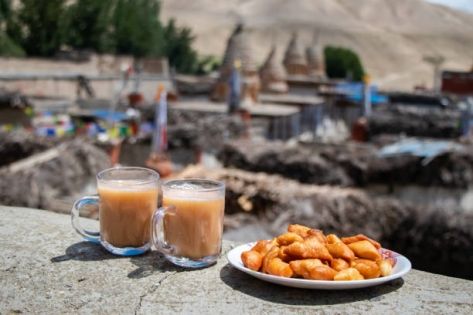
What to eat for dinner: Alongside a bowl of noodles, you will almost always spot a plate of fried potato (mascarpone) wedges—crispy on the outside, fluffy on the inside—drizzled with a locally crafted chili paste. Alternating bites of spicy, savory potatoes with cups of thick, piping-hot sweet tea poured from a table thermos is the most authentic way to enjoy a casual Tibetan evening.
-
Food Source: Despite its harsh climate, Tibet is a magnificent producer of premium potatoes (particularly the regions around Nyemo and Shigatse). The dramatic temperature swings between day and night cause the potatoes to lock in an exceptionally high starch content, yielding an incredibly fluffy and naturally sweet bite. Meanwhile, the sweet tea is a beautiful blend of local fresh Tibetan cow’s milk, imported black tea, and sugar, echoing centuries of cultural exchange along ancient trade routes.
Traditional & Pastoral Life: Raw Meat Paste, Butter Tea, and “Thukpa” Gnocchi
Stepping into a traditional Tibetan home or a nomadic winter camp reveals a dinner culture deeply intertwined with pastoral heritage, where every dish is designed around a gathering at the central stove.
Raw Yak Meat Paste: The Ultimate Freshness for the Bold
-
What to eat for dinner: This is a premium delicacy reserved for family dinners or welcoming esteemed guests. Home cooks select fresh, completely lean cuts of raw yak meat and repeatedly mince it with dual knives until it forms a fine, velvety paste. It is then seasoned with local red chili powder, Sichuan peppercorn, salt, and a few native herbs. Eaten completely raw, the meat is entirely free of gaminess, offering a cool, delicate, and powerfully clean sweetness.
-
Food Source: This dish demands absolute perfection from its ingredients. It must be made from fresh yak meat processed that very day, from animals raised on pure, high-altitude alpine grasslands above 4,000 meters. The unpolluted plateau environment, combined with natural low-temperature bacterial suppression, allows such a bold raw dish to safely exist.
“Thukpa” and New Year’s Eve Stew: A Pot Simmering with Hope
-
What to eat for dinner: On ordinary evenings or during specific traditional celebrations (such as the “Thukpa Night” on the 29th day of the Tibetan calendar), families cook a hearty dough-drop soup called Thukpa. Flour is rolled into small spheres or “cat-ear” shapes and simmered in a rich broth alongside sliced yak meat, shredded radish, and dried cheese curds. During New Year celebrations, symbolic items like chilies, wool, or charcoal are hidden inside the dough drops to playfully reveal the diner’s traits and fortunes for the coming year.
-
Food Source: The soul of Thukpa rests upon highland barley flour and wild, locally grown white radishes. Nurtured by glacial meltwater and intense sunlight, Tibetan white radishes grow exceptionally juicy and sweet, perfectly balancing the richness of the meat. They are a staple of every family’s autumn harvest.
The Liquid Soul of Tibetan Evenings: Butter Tea and Barley Wine
At a Tibetan dinner table, beverages are never an afterthought; they are the magicians that define the transition of the night.
-
The Early Evening Butter Tea: As dinner begins, bowl after bowl of steaming hot butter tea takes center stage. Rich butter (churned from yak milk) and strong brick tea are blended thousands of times in a traditional wooden churn with a pinch of salt. Beyond warming a stomach chilled by the night wind, it actively aids in digesting the heavy meats eaten at dinner, keeping the body warm through a long night of sleep.
-
The Late-Night Barley Wine (Chang): As plates are cleared and the night grows old, barley wine takes over. Naturally fermented from highland barley, this low-alcohol sweet wine features a mellow, slightly tart profile. Tibetans gather closely around the hearth, raising their cups while singing ancient drinking songs. It rarely intoxicates; instead, it brings forth the relaxed, joyful harmony unique to a plateau evening.
Melting into the Warmth of the Snow Plateau Under the Stars
If the landscapes of Tibet are meant to shock the mind, then a Tibetan dinner is meant to soothe the soul.
After a long day of journeying past sacred lakes and mountains, stepping into a restaurant fragrant with Tibetan incense and a roaring hearth under a starry sky is an unforgettable comfort. Listening to the gentle chatter of local grandmothers, holding a steaming bowl of Tibetan noodles, and taking a sip of slightly sweet barley wine changes everything. Outside, it may be sub-zero on the frozen plateau, but inside is a warm, lively human sanctuary. The heat of a Tibetan dinner is, without a doubt, one of the finest hospitalities this world has to offer.