
As the highland sun climbs to its peak, pouring intense ultraviolet rays onto the vast northern grasslands and towering sacred peaks, Tibet welcomes the most scorching and energy-abundant hour of the day.
Unlike the leisurely, hazy ambiance of early morning sweet teahouses, the local Tibetan lunch culture is distinctly rugged, bold, and heavily centered around the biological necessity of combating extreme environments and replenishing high calories. In traditional times—whether for a busy merchant navigating the ancient streets of Lhasa or a nomad following water and grass across the wilderness—a solid lunch was the vital anchor that carried them through the long, demanding afternoon of the plateau.
Today, let us pull back the mysterious veil of the Tibetan lunch to discover exactly what locals eat at noon and uncover where these life-sustaining foods truly originate.
Pastures and Tradition: Hand-Torn Meat, Air-Dried Beef, and Large Bowls of Broth
In the vast nomadic regions of Tibet, the style of lunch is often at its most primal and pure. Because herdsmen must constantly migrate or herd their cattle and sheep during the day, their lunch demands high efficiency, high calories, and easy portability.
Hand-Torn Yak Meat and Mutton: Direct Bounties of Nature
-
What to eat for lunch: During lunchtime in pastoral areas or during festive gatherings, Tibetans love to place large cuts of yak meat or alpine mutton into pure water, adding only a handful of salt and local Sichuan peppercorns, and stewing it over a roaring fire until just tender. When it is time to eat, each person holds a sharp Tibetan knife, carving the meat and using their hands to pop it directly into their mouths. The meat is exceptionally tender, juicy, and infused with the subtle fragrance of wild highland pasture plants.
-
Food Source: These meats come entirely from yaks and Tibetan sheep naturally grazed at the foot of snow-covered mountains. They spend their lives roaming pure pastures above 4,000 meters, drinking glacial meltwater and feeding on wild caterpillar fungus and Fritillaria. Thus, the bowl of meat on the lunch table is a genuine microcosm of Tibet’s untamed ecology.
Raw Air-Dried Meat with Hot Broth: Survival Rations Across Time
-
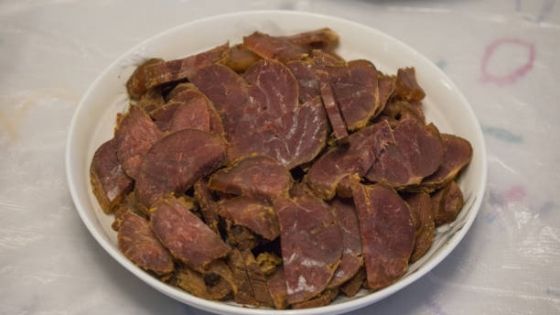
What to eat for lunch: If the grazing site is far from the tents, a herder’s lunch often consists of a few strips of air-dried yak meat, a piece of tsamba, and a thermos of hot tea. Tibetans are accustomed to slicing the air-dried beef directly into thin shavings using a knife and eating it raw. Though it looks incredibly hard, chewing it slowly in the mouth releases an exceptionally rich, concentrated beef aroma.
-
Food Source: Air-dried meat is an all-natural food made without any preservatives, relying entirely on the unique plateau climate. Every year around November and December, when temperatures plunge below freezing, fresh yak meat is cut into strips and hung in shaded, well-ventilated tents or mud brick rooms, allowing the extreme dryness and natural freezing of the plateau to cure the meat naturally over several months.
Urban Daily Life: Yak Hotpot, Tibetan Fried Ribs, and Local Specialties
With the growth of urban centers, lunch tables in places like Lhasa, Shigatse, or Nyingchi now display far more diverse and refined options.
Tibetan Yak Hotpot: Warmth from a High-Temperature Copper Pot
-
What to eat for lunch: Urban Tibetans thoroughly enjoy gathering around a traditional Tibetan hotpot with family or business partners during lunch. Inside this copper vessel, which resembles a classic Beijing hotpot, layers of cooked yak meat chunks, Tibetan meatballs, radishes, Chinese cabbage, and local wild mushrooms are neatly stacked. As the rich yak bone broth bubbles and simmers merrily in the pot, filling the room with a comforting aroma, it becomes the most ceremonial lunch experience.
-
Food Source: Apart from the core yak meat, the indispensable vegetables and mushrooms in the hotpot mostly originate from the lower-altitude, gentler climates of Nyingchi or Shannan, often called the “Jiangnan of Tibet.” In particular, wild matsutake mushrooms and “hand ginseng” harvested in Nyingchi introduce an elite, earthy freshness to the hotpot broth.
Shigatse’s “Pengbi” and Nyingchi’s “Lulang Stone Pot Chicken”: Regional Culinary Postcards
-
What to eat for lunch: If you find yourself in Shigatse, the heart of Tsang (Western Tibet), during lunch, you must try the traditional street food snack “Pengbi”—a jelly-like food made from boiled pea dregs drizzled with a specially made hot chili oil. Meanwhile, in southeastern Nyingchi, the superstar of the lunch table is the famous “Lulang Stone Pot Chicken,” featuring ultra-tender chicken meat in a milky-white soup.
-
Food Source: The raw material for Pengbi comes from locally abundant peas, making it a proud product of Western Tibetan agricultural culture. The essence of Lulang Stone Pot Chicken, besides the local free-range Tibetan chicken, lies in the stone pot itself, hand-carved out of rare soapstone found only in Motuo County. This stone pot contains various minerals that, when simmered over a slow fire, lock in and elevate the nutritional value of the ingredients to their absolute peak.
The Cultural Depth Behind a Tibetan Lunch: Caloric Economics and Reverence for Life
The unique local lunch culture of Tibet does more than just satisfy hunger; it deeply reflects the philosophy of survival on the Third Pole:
-
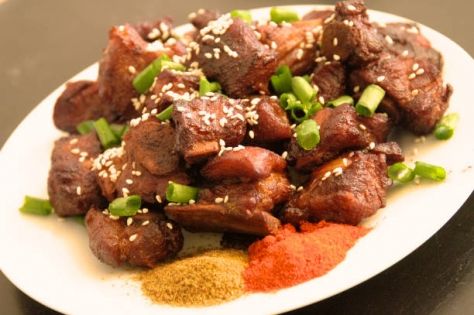
The Precision Calculation of Fats and Calories: A Tibetan lunch relies heavily on high-quality animal fats and proteins (such as yak, mutton, and butter). While this might seem heavy or greasy to those from lower altitudes, the human metabolic rate accelerates significantly in a thin-aired, cold environment. Only a sufficient intake of animal oils can build up enough subcutaneous fat to fend off the unpredictable afternoon gusts and temperature drops.
-
The Frugal Virtue of Zero Waste: Whether it is turning leftover pea liquid into Pengbi or simmering remaining bones into hotpot broths, Tibetans treat lunch ingredients with immense reverence. They deeply understand that raising a single yak or ripening a grain of barley at this altitude is an incredibly grueling process. Thus, utilizing every single part of the ingredient is the gentlest homage Tibetan dining culture pays to nature.
Tasting the Bold Tenderness of Tibet Under the Noon Sun
If a Tibetan breakfast is like a soothing cup of sweet tea that gently awakens the senses, then a Tibetan lunch is like a roaring bowl of hand-torn yak meat, using the most direct and purest way to showcase the boldness and vitality of this land to the world.
When you travel to Tibet and find yourself on a long road trip across the plateau, try stepping into a roadside Tibetan restaurant pouring with steam. Follow the locals’ lead: carve off a slice of juicy yak meat with a knife, dip it in a bit of chili powder, pop it into your mouth, and follow it with a large gulp of piping hot bone broth. In that exact moment, with the highland sun warming your back and the wild flavors of the snow mountains and grasslands on your tongue, you will understand. This rugged, grounded happiness is the boldest form of tenderness Tibet bestows upon its travelers.