
As you follow our caravan and slowly enter Tibet, crossing snow-capped mountain passes at elevations of 4,000 to 5,000 meters, you will find yourself surrounded by an endless expanse of frozen tundra and continuous glaciers. In such an extreme environment—characterized by severe oxygen deficiency, bone-chilling cold, and barren land—most life forms choose to retreat. Yet, you will always spot a figure that commands profound respect. Clad in thick, cascading black shaggy hair, they walk with a steady, graceful stride, gazing into the distance with a gentle yet firm expression amidst the howling blizzard.
This is the legendary “Boat of the Plateau”—the Tibetan Yak.
On this mysterious land of Tibet, the yak is far more than just a beast of burden or an economic livestock grazing on the plains. For the Tibetan people who have thrived here for generations, the yak is the spark of life dancing in the blizzard, the guardian of their homeland, and the ultimate spiritual totem of Tibetan culture.
Totem and Faith: Why is the Yak So Sacred in Tibetan Hearts?
To understand the sacredness of the yak, we must turn back the clock thousands of years. In traditional Tibetan culture, the ancient Bon religion, and the later introduced Tibetan Buddhism, every mountain, river, and creature in nature possesses divinity, with the yak being the most direct earthly manifestation of the gods.
The “Source of All Things” in Creation Myths
In the ancient Tibetan creation epic The Great Kangyur, passed down through generations, there is a breathtaking record: when the universe first opened, the yak’s head transformed into towering snow mountains, its fur became lush forests and pastures, its eyes morphed into the sun and moon that illuminate the earth, and its breath became the wind sweeping across the plateau. This concept of “all things originating from the yak” is deeply rooted in the bloodline of every Tibetan. They are not merely companions in life, but the very builders of this world.
Guardians of the Holy Mountains and Manifestations of Mountain Gods
In Tibet, almost every towering sacred mountain has a legend about a “White Yak” behind it. Tibetans firmly believe that wild yaks (especially the rare white ones) are the pets of mountain gods, or even the magical transformations of the mountain gods themselves. When blizzards rage mercilessly across the Tibetan areas, it is the sacred yaks that use their broad, shield-like chests to block the first deadly blast of freezing wind for the people. At the foot of holy circumambulation sites like Mount Kailash and Mount Nyenchen Tanglha, legends often tell of deities riding white yaks to inspect the human world and bless pious pilgrims.
The Perfect Embodiment of Buddhist Compassion and Altruism
The core of Tibetan Buddhism emphasizes “compassion” and “altruism,” and the life of a yak is the perfect physical manifestation of this spirit in the eyes of Tibetans. On the oxygen-deprived wilderness, yaks survive tenaciously by relying solely on sparse moss, a bit of green grass, and ice water. They ask nothing from humans, yet they give everything they have—from head to toe, and even their waste—to humanity without reservation.
This ultimate dedication earns the yak heartfelt respect, gratitude, and care from every Tibetan. On the grasslands of Tibet, you will often see certain yaks with bright red cloths or ribbons tied to their ears; these are known as “released yaks.” Tibetans will choose a few yaks in their lifetime to grant them this sacred status, ensuring they are never enslaved or slaughtered, but allowed to live out their lives freely between heaven and earth. This is the highest form of gratitude and spiritual dedication the Tibetan people offer to this magnificent life.
Providing Food, Clothing, Shelter, and Travel: How the Yak Sustains Tibetan Survival History
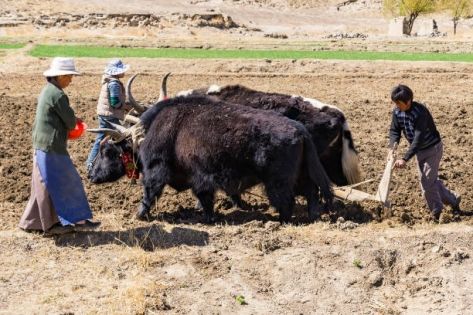
If it is said that without the Potala Palace, Tibet would lose a shade of its faith, then without the yak, Tibetan history and nomadic civilization simply could not have survived on the Third Pole. For the Tibetan people past and present, the yak is the well-deserved “all-around guardian of daily life”:
Food: The High-Energy Source of Life on the Plateau
At high altitudes above 4,000 meters, wheat and vegetables struggle to grow, making the yak the most vital source of nutrition for human survival.
-
The Soul of Milk and Yak Butter: Yak milk is praised as the “milk of the plateau,” with a fat and protein content far exceeding that of regular cow’s milk. The core energy source of Tibetan daily life—”yak butter”—is extracted through repeated churning of yak milk. When you come to Tibet and accept a cup of steaming, slightly salty yak butter tea, what you are tasting is the very defensive shield against the cold that the yak built for humanity with its life’s milk.
-
Mellow Yogurt and Dried Cheese: Authentic Tibetan yak yogurt is as thick as tofu, with a golden layer of butter skin condensed on the surface. It tastes sweet, sour, and mellow, making it an absolute must-try street food and an intangible cultural heritage in Lhasa.
-
Pure and Nutritious Meat: Yaks spend their lives chasing water and grass, drinking pure spring water melted from snow mountains, and eating natural wild herbs like caterpillar fungus and Fritillaria. Consequently, yak meat is delicious, extremely low in fat, and rich in amino acids—providing the high-energy food that Tibetans rely on to survive the long, harsh winters.
Clothing and Shelter: Weaving a Warm and Safe Home with Fur
In the era before modern building materials, faced with extreme cold down to minus 30 degrees and violent winds, yaks provided nomadic Tibetans with mobile castles through their hides and hair.
-
The Legendary “Black Tent” Culture: Tibetan nomads clip the coarsest, stiffest long hair from the yak’s body and spin it by hand into thick yarn to weave their traditional nomadic dwellings—the black tents. This tent possesses the most miraculous physical characteristics of nature: when the sun shines, the fibers contract, making the interior ventilated and cool; as soon as it rains or snows, the fibers absorb water and expand, causing the tent to automatically seal tightly, becoming completely waterproof and wind-resistant. For thousands of years, it has guarded nomadic families through winters and springs.
-
Warm Garments and Bedding: Meanwhile, the finest, softest down hair on the yak’s belly possesses a warmth and skin-friendly texture that surpasses even premium cashmere. It is crafted into traditional Tibetan robes and yak down scarves, serving as natural armor against blizzards on the plateau.
Transportation and Utility: The True “Boat of the Plateau” and “Golden Fuel”
-
Pioneers of the Tea Horse Road and Modern Mountaineering: In ancient times when there were no roads and transportation relied entirely on feet, yaks carried tea, salt, and silk, treading out the world-famous “Tea Horse Road” step by step between cliffs and precipices. Even today, in the process of human challenges to the pinnacle of the earth—climbing Mount Everest—we still rely on strictly trained pack yaks to carry heavy oxygen cylinders, tents, and supplies up to the Advanced Base Camp (ABC) at an altitude of 6,500 meters under high-altitude blizzards. Without them, the history of extreme human mountaineering would be greatly compromised.
-
Yak Dung (The Warm Blessing of the Plateau): In pasture areas where trees are scarce, dried yak dung is the most precious fuel in Tibetan homes. This might sound hesitant at first, but in reality, due to the yak’s purely vegetarian diet, the dried dung has absolutely no foul odor and emits a faint, refreshing scent of grass when burned. The raging bonfires it ignites have cooked countless bowls of tsampa made by Tibetan mothers and warmed countless bitter nights amid raging plateau blizzards.

Modern Tibet: The New Charm of Yak Culture in Eco-Tourism
With the development of the times, stepping into Tibet in 2026, the yak does not merely live beside the tents in pastoral areas; it has become a beautiful bridge connecting overseas tourists with Tibetan culture, showcasing a brand-new ecological and tourism charm.
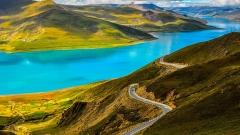
By the shores of Basum Tso in Nyingchi, or along the flawless turquoise waters of Yamdrok Tso (Lake Yamdrok), you will often see beautifully adorned white yaks wearing red tassels and colorful Tibetan silver ornaments. They stand quietly by the lake, echoing the distant snow peaks of Namcha Barwa. When international tourists carefully mount the yak’s back and take photos beside the crystal-clear water, the sense of harmonious coexistence between humans, nature, and animals that has spanned thousands of years strikes their hearts in an instant.
Furthermore, Tibetan areas have now developed many highly texturized yak culture experiences. For instance, visitors can step into a local Tibetan Linka (park/garden), try making authentic butter tea by hand, taste the freshest yak yogurt and dried cheese, or follow a local Tibetan guide on a light trek around a holy mountain accompanied by a caravan of yaks. This is no longer just simple sightseeing; it is about completely immersing oneself in the breath of this land and experiencing the most authentic Tibetan lifestyle aesthetics.
Many people, on their first trip to Tibet, are often awed by the magnificence of the Potala Palace or captivated by the ultimate scenery of the sacred mountains and holy lakes. However, once you truly understand the story of the yak—how it uses its fur, milk, and even its waste to sustain the heavy burden of life on this land—and when you look again at their silhouettes quietly grazing with bowed heads amidst the wind and snow along the Sichuan-Tibet highway or the Northern Tibetan grasslands, your heart will surely be filled with an extra layer of genuine awe and respect.
The true mystery and beauty of Tibet often lie not in the noisy tourist check-in points, but precisely hidden within the powerful resilience displayed by life in the silence. With their steadfastness and unreserved dedication, yaks silently weave the millennial epic of a great nation between the sacred mountains and holy lakes revered by the world.