10 Days Tibet Autumn Tour: Visit Nyingchi, Lhasa, Bomi and More
Autumn Limited-Time


Welcome to Lhasa, the sacred heart of Tibet.
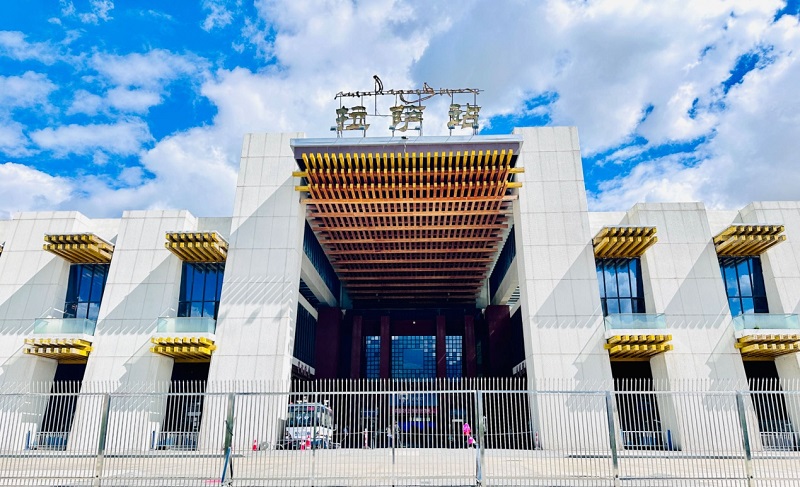
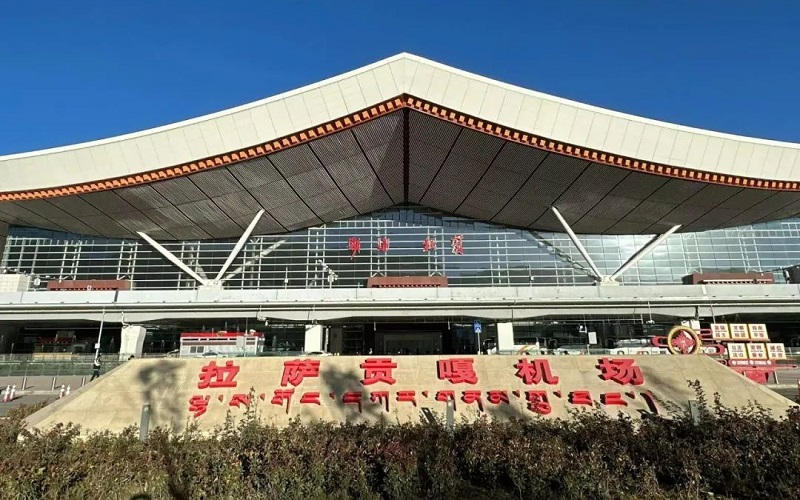
Whether you arrive by train or by flight, your Tibetan guide will be waiting to greet you at the station or airport with a hada, the white ceremonial scarf offered as a traditional blessing of good fortune. From there, your guide and driver will take you into downtown Lhasa, and along the way you will catch your first glimpses of the Lhasa River and the Yarlung Tsangpo, known outside China as the Brahmaputra and the longest, largest river running through Tibet.
Once you reach your hotel, take it slow. Lhasa sits at 3,650 meters, and your body will need time to adjust before any sightseeing begins. Spend the rest of the day resting in your room, taking a short walk nearby, or simply relaxing at the hotel. Drink plenty of water, avoid alcohol and heavy exertion, and let your body acclimatize at its own pace.
Should you need anything during your stay, whether travel advice or last-minute arrangements, our service center at the Lhasa Gang-Gyan Hotel is on hand to help throughout your trip.
Meals: /
Accommodation: Overnight in Lhasa.
Today belongs to Tibetan Buddhism, with a full day exploring two of Lhasa’s most important monasteries and the daily life of the monks who study within them.
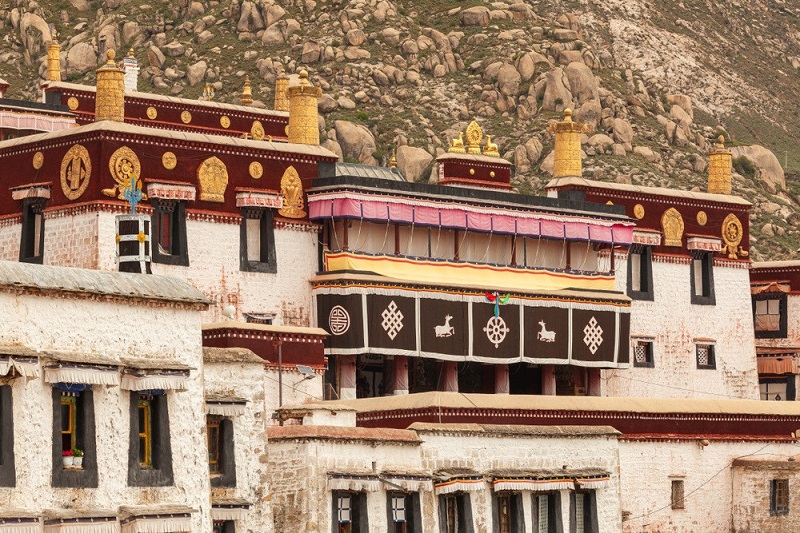
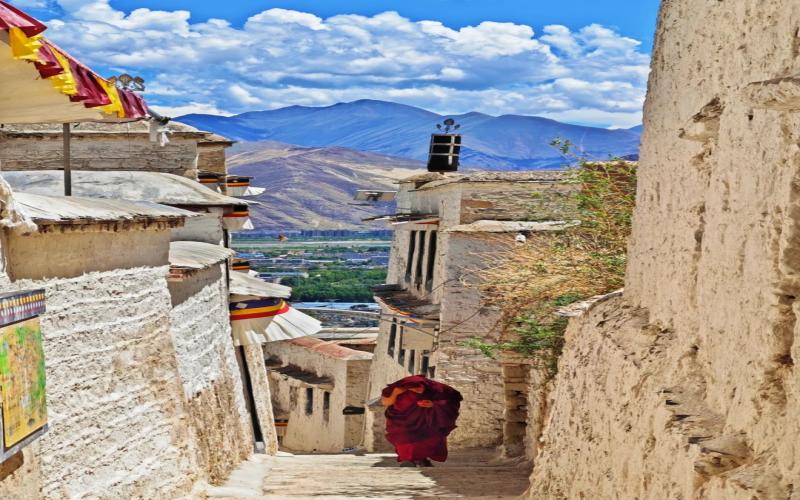
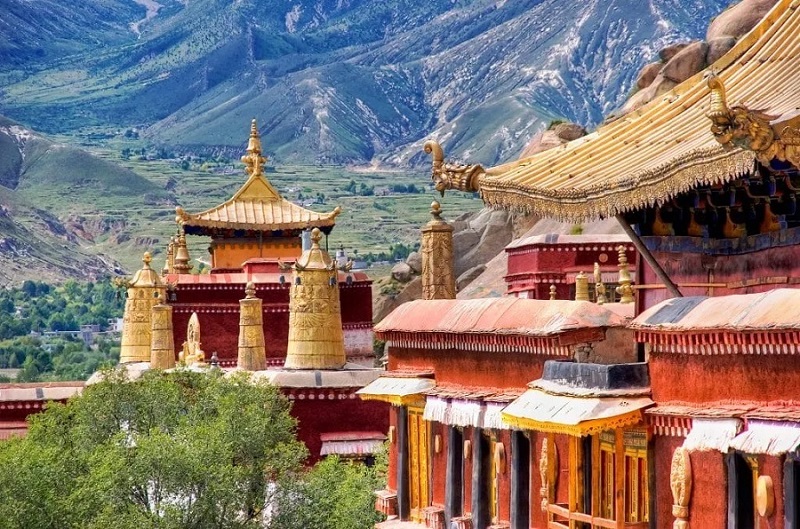
In the morning, you will visit Drepung Monastery, once home to more than 10,000 monks and the largest monastery in all of Tibet. Walking through the Coqen Hall, your guide will walk you through the core worldview of Tibetan Buddhism and introduce the historical figures who shaped it. From there, you will continue to Loseling College, one of Drepung’s teaching colleges, where you can look into the dormitories and get a real sense of how Tibetan monks study, eat and live day to day.
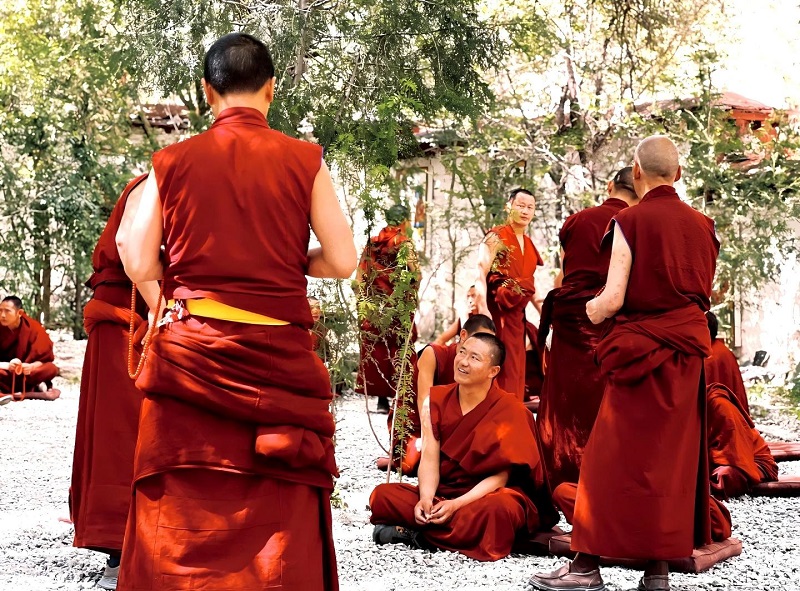
In the afternoon, you will head across the city to Sera Monastery, one of the “great three” Gelug monasteries alongside Drepung and Ganden. Between 3pm and 5pm, Monday through Saturday, Sera hosts its celebrated monk debates, where young monks test and sharpen their understanding of Buddhist philosophy through animated, hand-clapping exchanges in the monastery courtyard. Your guide will explain the rules of the debate and what each gesture and question is really testing for.
In the evening, join your fellow travelers for a welcome dinner. Your guide will present traditional Tibetan gifts, share practical tips for the days ahead, and give everyone in the group a chance to get to know one another before heading further into Tibet together.
Meals: Breakfast, Dinner
Accommodation: Overnight in Lhasa.
Today’s focus is Lhasa’s two UNESCO World Heritage Sites, offering a close look at the daily faith and life of the people who call this city home.
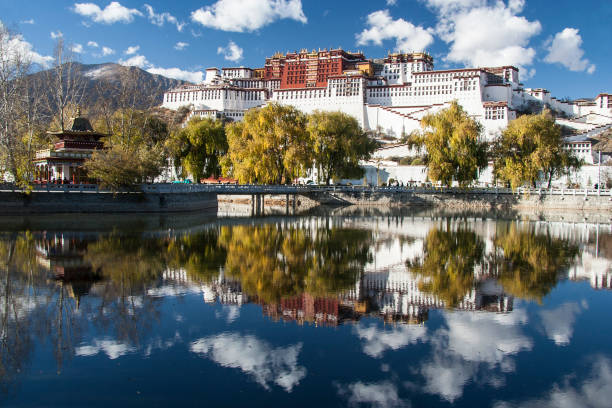
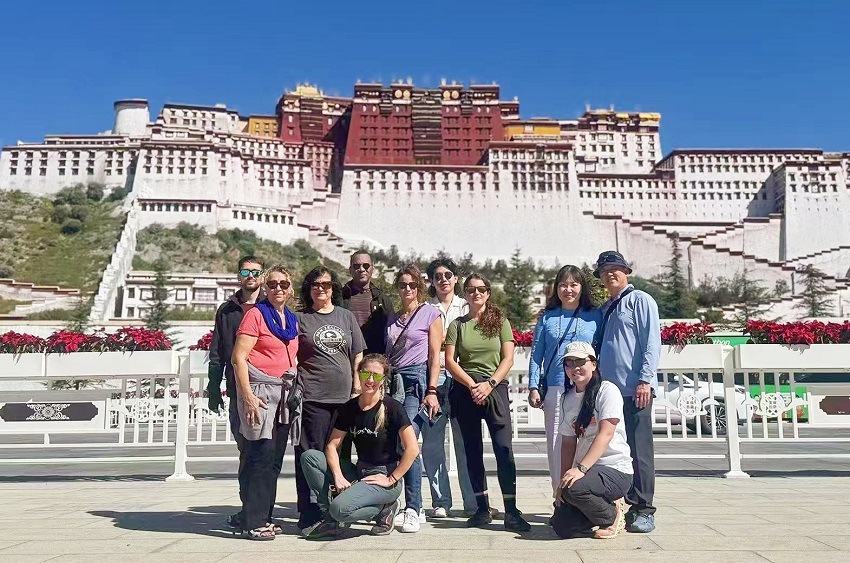
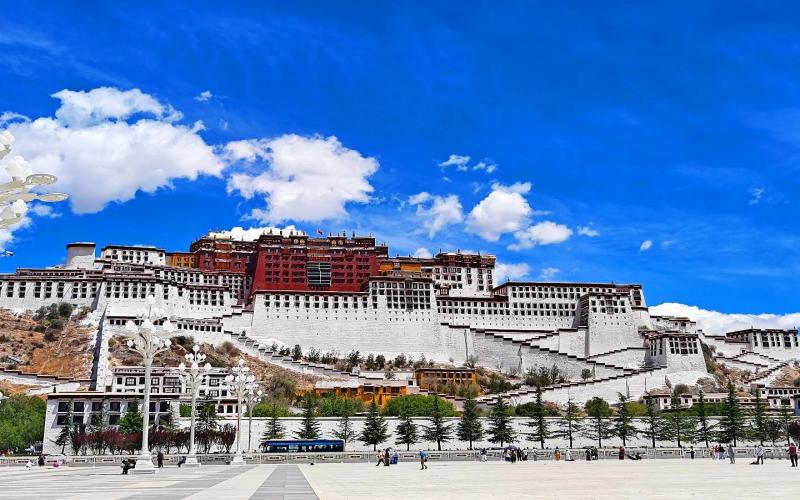
After breakfast, you will visit the Potala Palace, the former winter residence of the Dalai Lamas and one of the most recognizable buildings in the world. Climbing through its halls, you will take in sweeping views over Lhasa’s old town while learning the history of successive Dalai Lamas through the palace’s chapels and private quarters. Among its most treasured holdings are the gilded burial stupas of former Dalai Lamas and the meditation cave associated with Songtsen Gampo, the 33rd king of Tibet. Afterward, stop by Longwangtan Park at the foot of the palace, where local families gather for folk activities and you can photograph the Potala from a different angle, reflected in the park’s pond.
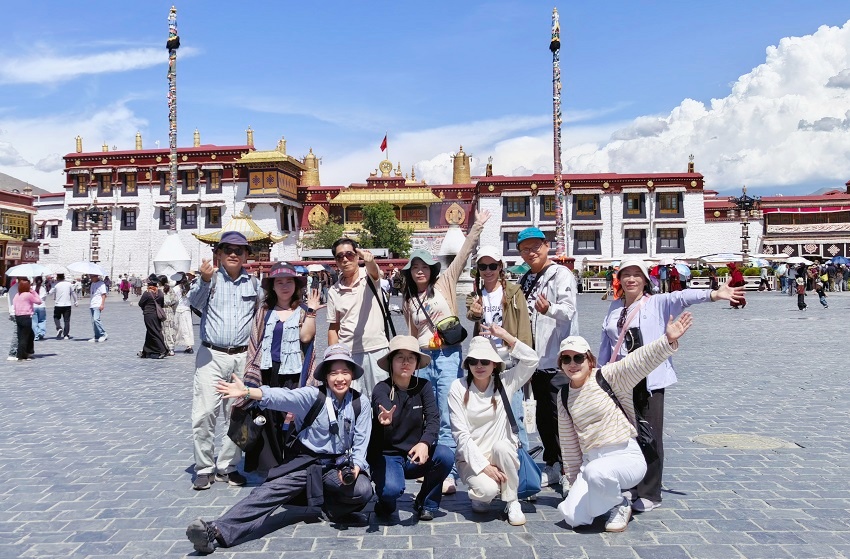
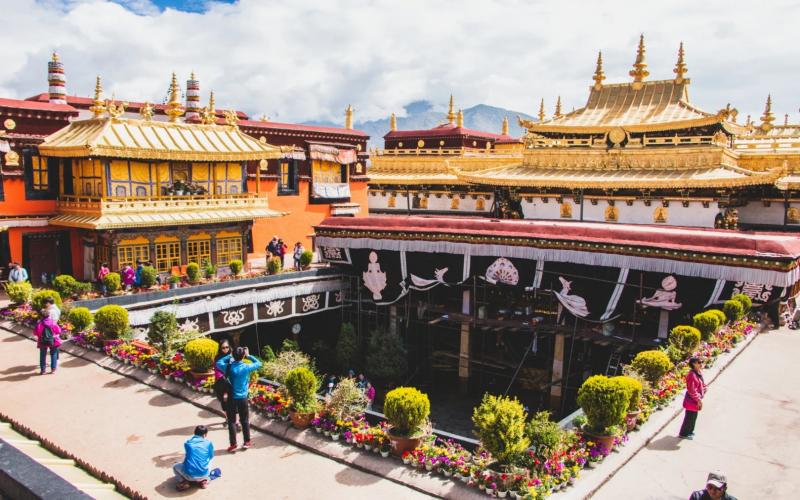
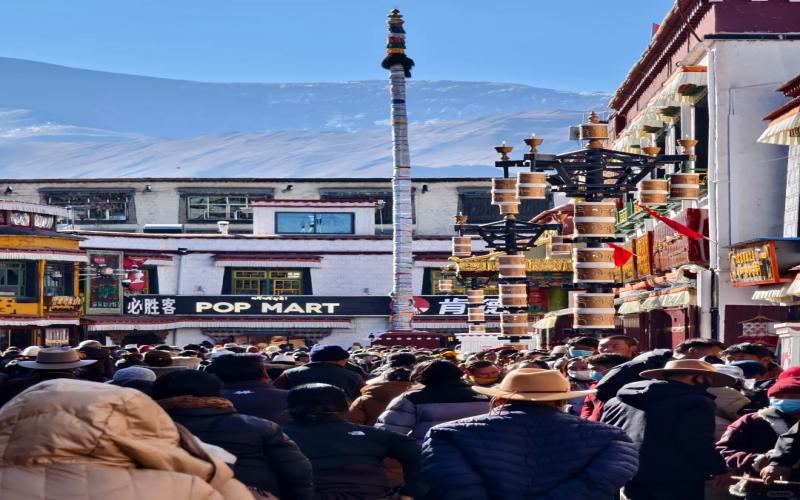
In the afternoon, you will visit the Jokhang Temple, considered the spiritual center of Tibetan Buddhism. Inside sits a statue of Sakyamuni Buddha said to depict him at age twelve, brought to Tibet as part of a royal dowry over a thousand years ago. Outside, pilgrims from across the Tibetan plateau prostrate themselves before the temple entrance as part of their devotion. Surrounding the temple is Barkhor Street, a circular pilgrim path and market where you can walk the kora alongside locals and pilgrims, browsing stalls selling prayer wheels, jewelry and religious items.
To close the day, your guide will take you to one of Lhasa’s liveliest traditional tea houses, where you can sit down with local Tibetans over a cup of sweet milk tea while your guide shares more about everyday social life in the city.
Meals: Breakfast
Accommodation: Overnight in Lhasa.
Today is an overland journey across some of Tibet’s most striking scenery, taking in its most famous lake, its largest glacier and a string of traditional villages along the way.
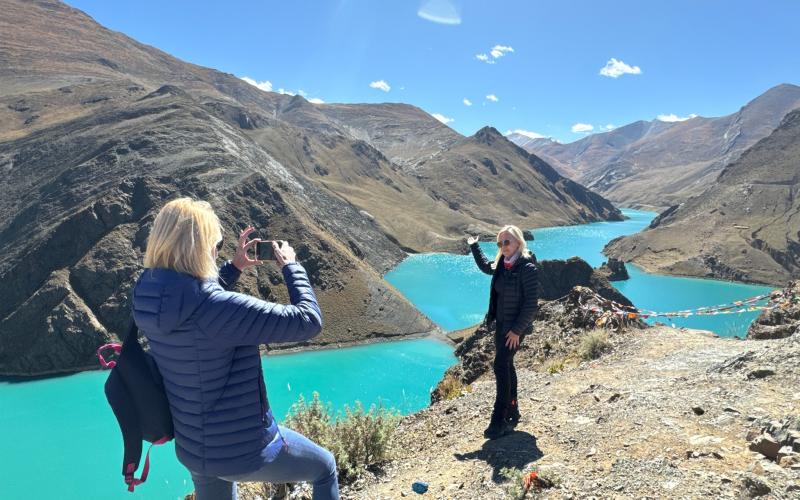
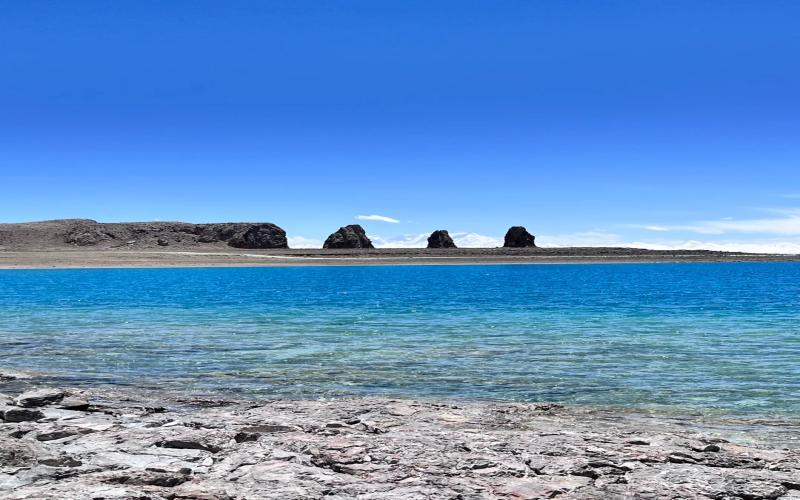
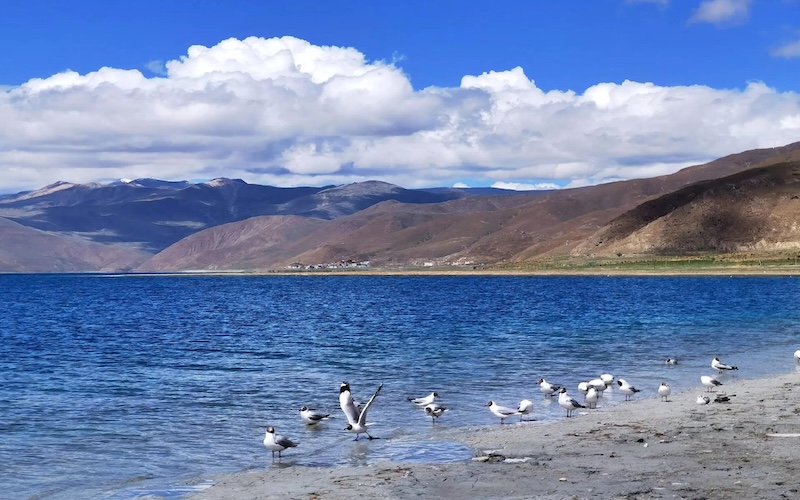
The drive begins with a climb over Gampala Pass at 4,790 meters, where Yamdrok Lake first comes into view 4,400 meters below. One of Tibet’s three holy lakes, Yamdrok stretches out in brilliant turquoise, ringed by snow-capped peaks, with Mount Nyenchen Khangsar, at 7,191 meters the highest peak near Lhasa, visible in the distance. You will stop at several viewpoints along the lakeshore, and near its far end, you may have the chance to visit a local farming family and share lunch with them.
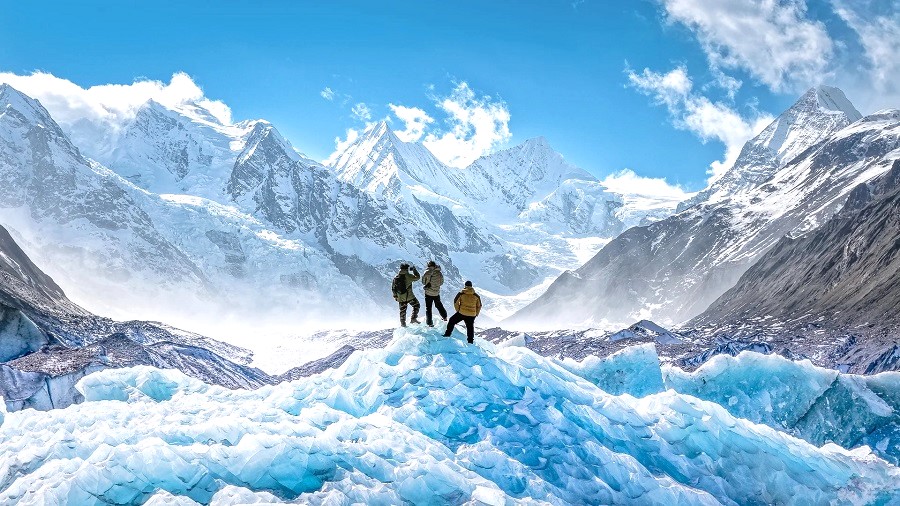
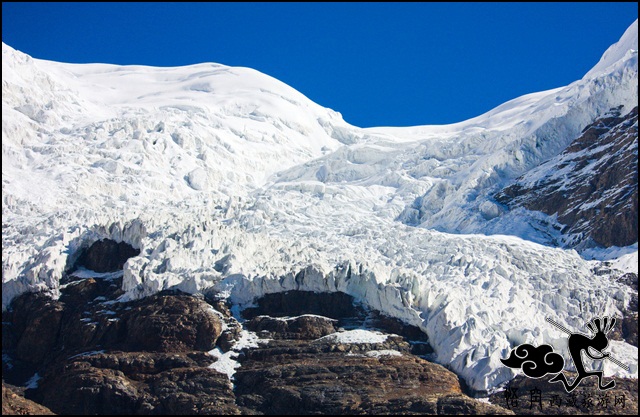
Continuing on, the road passes the Korola Glacier, the largest glacier in Tibet, its ice tongue visibly creeping down the mountainside from the roadside viewpoint. A short distance later, you will stop at Simila Mountain Pass, where travelers traditionally hang strings of prayer flags for the health of their families and for peace in the world.
Arriving in Gyantse, you will have time to photograph the old town and its historic fort before continuing on toward Shigatse. The final stretch passes through Tibetan barley fields, green in summer and golden in autumn, dotted with small farms and grazing herds.
By evening you will reach Shigatse, Tibet’s second-largest city, where you can check into your hotel and rest ahead of tomorrow’s drive toward Mount Everest.
Meals: Breakfast, Lunch
Accommodation: Overnight in Shigatse.
Today is built around the Himalayas, with several dramatic vantage points leading up to Everest itself.
Not long after leaving Shigatse, you will cross Gyatsola Pass at 5,280 meters, where Everest first appears in the distance, its peak resembling a lotus bud rising above the surrounding ridgeline. Continuing into Mount Everest National Nature Reserve, you will stop again at Gawula Pass, 5,198 meters, for a second and even more expansive view: from here, five of the highest peaks in the Himalayas line up along the horizon, with Everest standing at the front of them all.
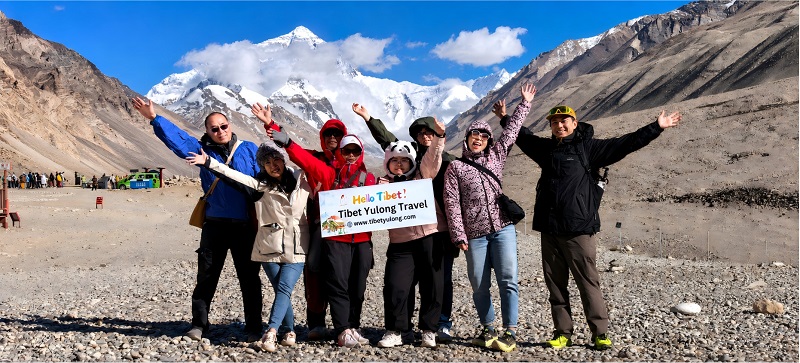
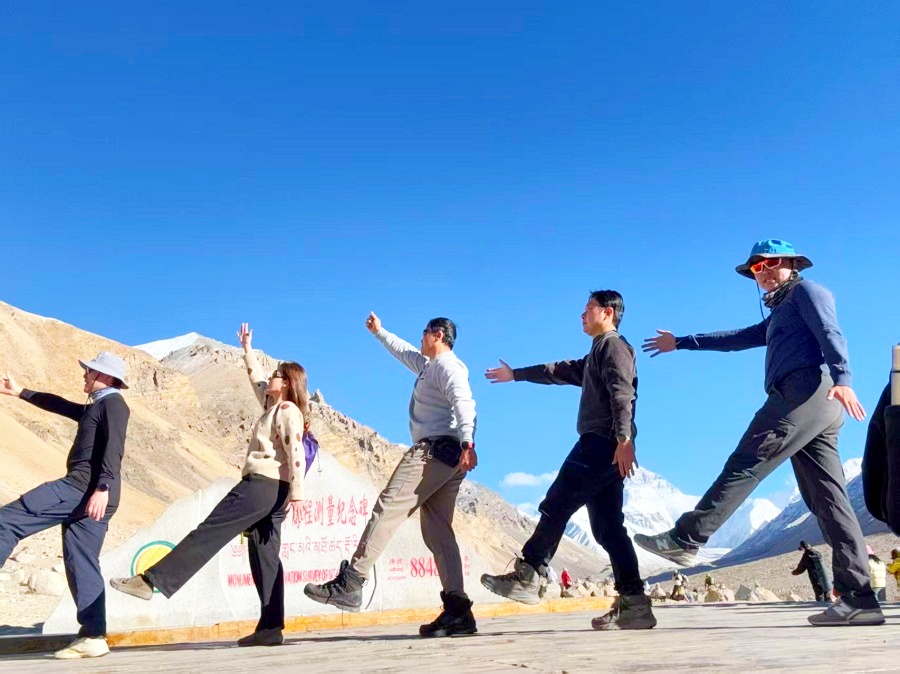
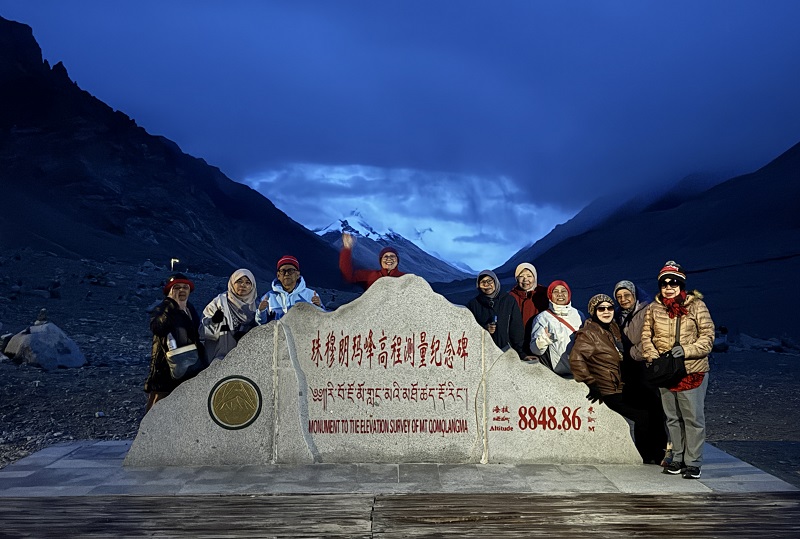
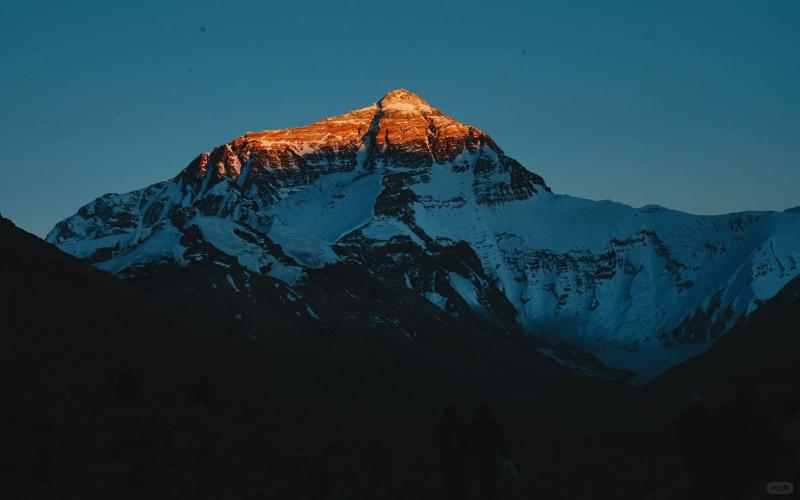
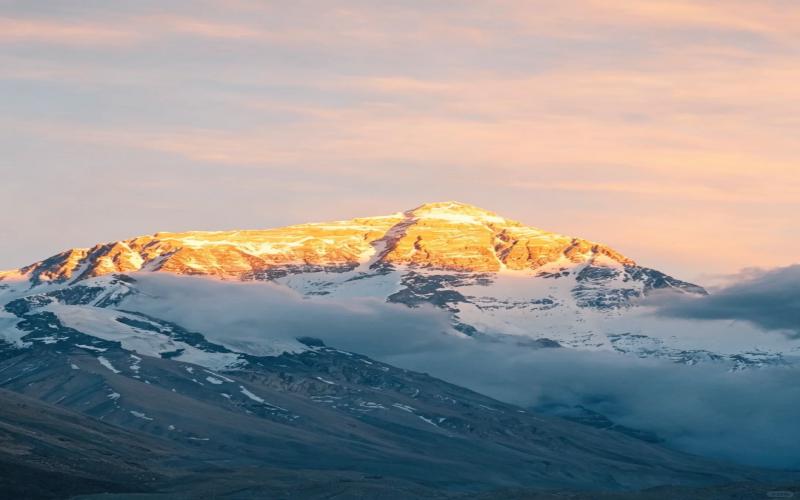
From Gawula Pass, the road winds down toward Everest Base Camp along a newly built zigzag route, with Everest growing larger and closer at every turn for your third sighting of the day. Arriving at Base Camp itself, the mountain’s massive white pyramid summit rises directly ahead. As afternoon turns to dusk, watch the setting sun paint Everest’s north face in shades of gold, your fourth view of the mountain. After dark, with the Milky Way stretched overhead and Everest’s summit glowing faintly white against the night sky, you will have your fifth and final view before settling in for the night.
Note: Visibility of the summit depends on weather conditions and cannot be guaranteed on any given day.
Meals: Breakfast
Accommodation: Overnight at Everest Base Camp (tent hotel or Rongbuk Guesthouse).
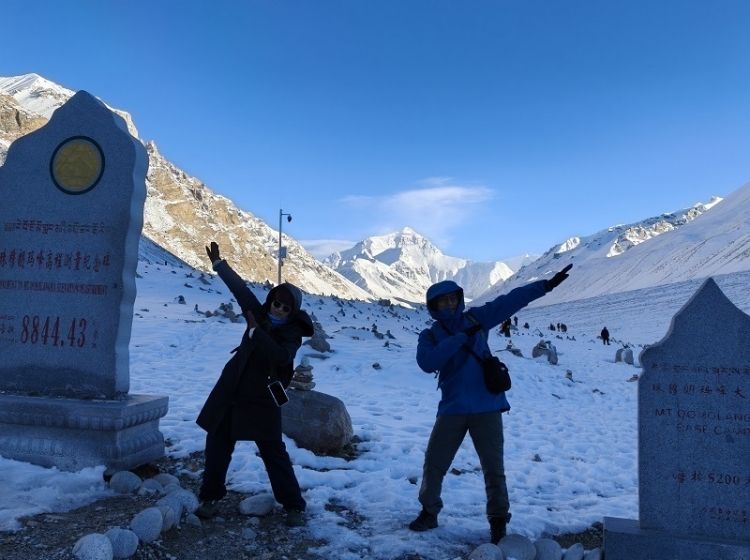
Before leaving Base Camp, you will stop at Rongbuk Monastery, the highest monastery in the world at 5,154 meters, where monks and nuns live and practice together within sight of Everest’s north face.
From there, rather than retracing yesterday’s route, you will head back toward Shigatse via Dinggye, taking in a different stretch of the Himalayas along the way. At the Dinggye Xilin Viewpoint, you will get another look at Everest’s eastern slope, this time alongside Lhotse, the world’s fourth-highest peak at 8,516 meters, with wide wetlands spreading out across the valley floor below.
Continuing on, you will make a short stop in the old town of Sakya, taking a walk through Saga Ancient Town before continuing the drive back to Shigatse.
Once you arrive in the evening, your guide will take you to a local Langma Hall, where Tibetan song and dance performances accompany dinner, giving your group the chance to celebrate reaching Everest together.
Note: In periods of heavy summer rain or winter snowstorms, this return route may be adjusted, with the drive instead passing through Gyatsola Pass and Tingri rather than Dinggye and Sakya. Should this affect your trip, your guide will provide written notice on the ground.
Meals: Breakfast, Dinner
Accommodation: Overnight in Shigatse.
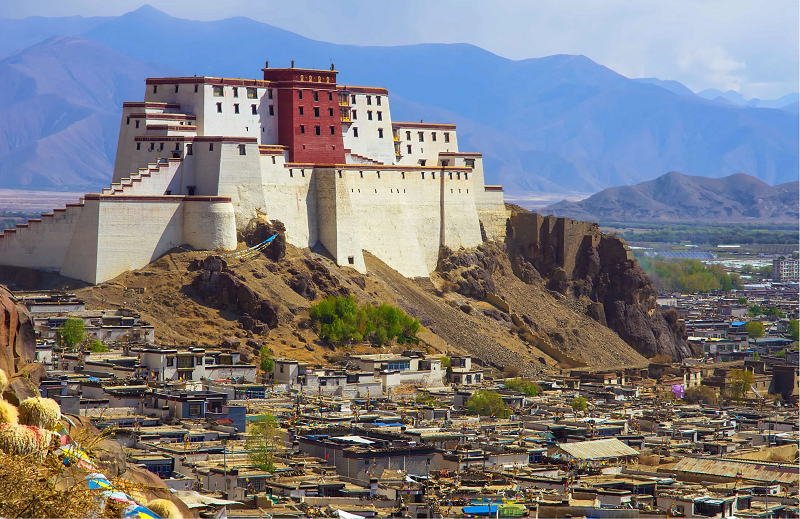
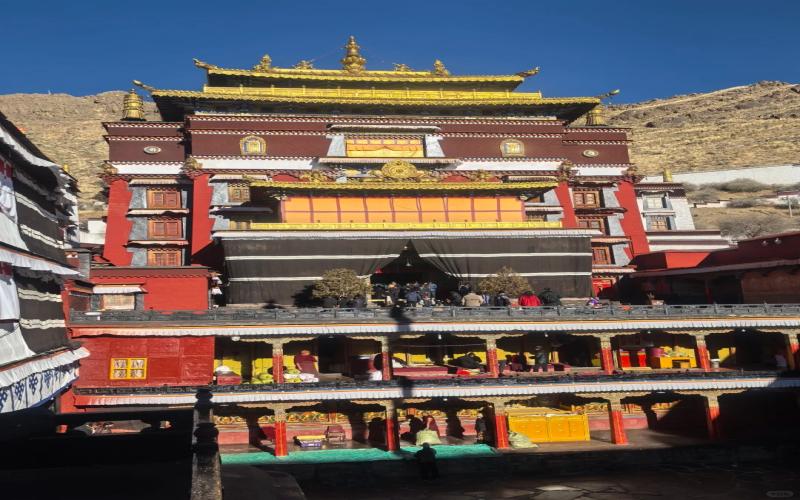
This morning’s stop is Tashilhunpo Monastery, traditional seat of the Panchen Lama and the largest monastery in Shigatse, its halls climbing up the hillside above the city. Inside sits the world’s largest gilded statue of Maitreya Buddha, and you will see monks in yellow hats and red robes moving through the monastery’s courtyards and prayer halls as part of daily monastic life.
From Tashilhunpo, you will drive back to Lhasa following the Yarlung Tsangpo River, often called the mother river of the Tibetan people. Once back in the city, the rest of the afternoon is free to wander Barkhor Street at your own pace, a good chance to pick up any last souvenirs or gifts before heading home.
Meals: Breakfast
Accommodation: Overnight in Lhasa.
Your Tibet journey comes to a close today. Please confirm your departure flight or train details with your guide the evening before, and they will see you off to the airport or railway station.
Thank you for traveling with Tibet Yulong. We hope this journey has given you a real feel for Tibet, and we would be glad to welcome you back for another adventure on the plateau in the future.
Meals: Breakfast
Accommodation: /
| Month | Date | Price | Booking |
|---|---|---|---|
| Aug | 2026-08-20 | $ 1088 | Book now |
| 2026-08-25 | $ 1088 | Book now | |
| 2026-8 | $ 1324 (6‑Person Airline‑Style Seat Bus Group-Contact) | Book now | |
| Sep | 2026-09-05 | $ 1050 | Book now |
| 2026-09-10 | $ 1050 | Book now | |
| 2026-09-15 | $ 1050 | Book now | |
| 2026-09-20 | $ 1050 | Book now | |
| 2026-09-25 | $ 1050 | Book now | |
| 2026-9 | $ 1324 (6‑Person Airline‑Style Seat Bus Group-Contact) | Book now | |
| Oct | 2026-10-05 | $ 1000 | Book now |
| 2026-10-10 | $ 1000 | Book now | |
| 2026-10-15 | $ 1000 | Book now | |
| 2026-10-20 | $ 1000 | Book now | |
| 2026-10-25 | $ 1000 | Book now | |
| 2026-10 | $ 1177 (6‑Person Airline‑Style Seat Bus Group-Contact) | Book now | |
| Nov | 2026-11-05 | $ 918 | Book now |
| 2026-11-10 | $ 918 | Book now | |
| 2026-11-15 | $ 918 | Book now | |
| 2026-11-20 | $ 918 | Book now | |
| 2026-11-25 | $ 918 | Book now | |
| 2026-11 | $ 1100 (6‑Person Airline‑Style Seat Bus Group-Contact) | Book now | |
| Dec | 2026-12-05 | $ 918 | Book now |
| 2026-12-10 | $ 918 | Book now | |
| 2026-12-15 | $ 918 | Book now | |
| 2026-12-20 | $ 918 | Book now | |
| 2026-12-25 | $ 918 | Book now | |
| 2026-12 | $ 1100 (6‑Person Airline‑Style Seat Bus Group-Contact) | Book now | |
| Jan | 2027-1 | $ 1100 (6‑Person Airline‑Style Seat Bus Group-Contact) | Book now |
| 2027-01-05 | $ 918 | Book now | |
| 2027-01-10 | $ 918 | Book now | |
| 2027-01-15 | $ 918 | Book now | |
| 2027-01-20 | $ 918 | Book now | |
| 2027-01-25 | $ 918 | Book now | |
| Feb | 2027-2 | $ 1100 (6‑Person Airline‑Style Seat Bus Group-Contact) | Book now |
| 2027-02-05 | $ 918 | Book now | |
| 2027-02-10 | $ 918 | Book now | |
| 2027-02-15 | $ 918 | Book now | |
| 2027-02-20 | $ 918 | Book now | |
| 2027-02-25 | $ 918 | Book now | |
| Mar | 2027-3 | $ 1177 (6‑Person Airline‑Style Seat Bus Group-Contact) | Book now |
| 2027-03-05 | $ 998 | Book now | |
| 2027-03-10 | $ 998 | Book now | |
| 2027-03-15 | $ 998 | Book now | |
| 2027-03-20 | $ 998 | Book now | |
| 2027-03-25 | $ 998 | Book now | |
| Apr | 2027-4 | $ 1177 (6‑Person Airline‑Style Seat Bus Group-Contact) | Book now |
| 2027-04-05 | $ 998 | Book now | |
| 2027-04-10 | $ 998 | Book now | |
| 2027-04-15 | $ 998 | Book now | |
| 2027-04-20 | $ 998 | Book now | |
| 2027-04-25 | $ 998 | Book now | |
| May | 2027-5 | $ 1177 (6‑Person Airline‑Style Seat Bus Group-Contact) | Book now |
| Jun | 2026-6 | $ 1177 (6‑Person Airline‑Style Seat Bus Group-Contact) | Book now |
| Jul | 2026-7 | $ 1324 (6‑Person Airline‑Style Seat Bus Group-Contact) | Book now |
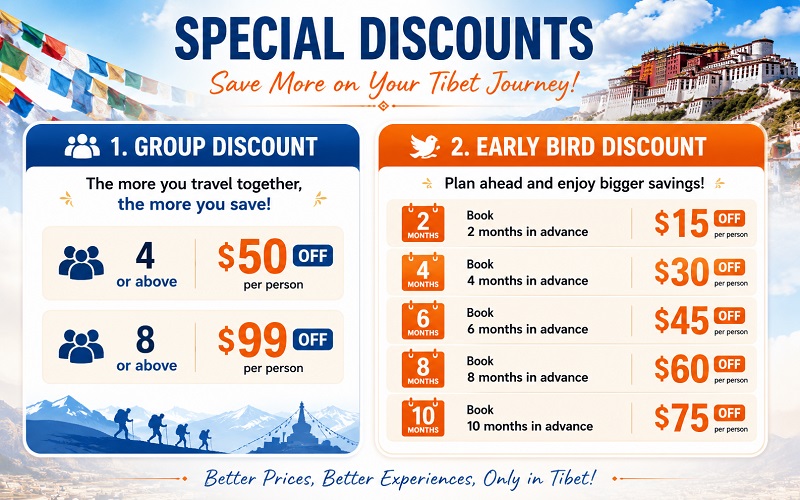
1.) Group Discoount: $50 off for those booking the tour together with 4 or 4 above in total at the same time; $99 off for those booking the tour together with 8 or 8 above in total at the same time.
2.) Early Bird Discount: $15 off for those booking the tour 2 months in advance. $30 off for those booking the tour 4 months in advance. $45 off for those booking the tour 6 months in advance. $60 off for those booking the tour 8 months in advance. $75 off for those booking the tour 10 months in advance.
3.) The two discounts mentioned above can be enjoyed simultaneously.
Please Note
If none of the available dates fit your travel schedule, get in touch with our travel consultants directly. We can put together a custom itinerary for you at the best local price.
How far ahead should I book this tour?
Aim to book at least 15 to 20 days before you depart. Booking a month or two out gives us more room to secure your travel documents and accommodation in advance, and often qualifies you for early bird pricing, so the earlier the better.
What travel documents do I need for Everest Base Camp?
You’ll need a Chinese visa and a Tibet Travel Permit to enter the Tibet Autonomous Region. A few additional local permits, such as the Alien’s Travel Permit needed for areas outside Lhasa, are arranged once you’re already in Tibet. We handle the Tibet Travel Permit and other local paperwork as part of your tour package, so there’s nothing you need to chase down yourself.
How do I apply for the Tibet Travel Permit, and how long does it take?
Once you’ve booked, send us scanned copies of your Chinese visa and a passport valid for at least six more months. If you’re on a work visa, we’ll also need proof of employment in China; on a student visa, proof of enrollment. Processing typically takes 7 to 14 working days, and we’ll mail the permit to your address in China 3 to 5 days before departure so it’s in hand in time for your flight or train to Lhasa.
How high is Everest Base Camp, and what about altitude sickness?
Base Camp sits at 5,200 meters, the highest point of the trip. Mild symptoms like headaches or dizziness aren’t unusual for first-timers at this altitude, but there’s no need to be alarmed. This 8-day itinerary is built for gradual acclimatization: you’ll spend two to three days around Lhasa at 3,650 meters before moving up to Shigatse at roughly 3,800 meters and finally Base Camp itself. Most travelers adjust well, and serious altitude reactions are uncommon on this route. If you do develop a severe headache or trouble breathing at Base Camp, use oxygen right away, tell your guide immediately, and get medical attention as soon as possible; if needed, your guide can arrange transfer to a lower elevation such as Zhaxizong Township or Tingri County.
When’s the best time to visit Everest Base Camp?
Spring, from April to early June, and autumn, from September to October, bring the clearest skies, mildest weather, and the best odds of an unobstructed view of the summit. Winter is also worth considering: skies are often crisp and clear, the stargazing is excellent, and off-season pricing makes it the most affordable time to go. Summer, July and August, is Tibet’s rainy season; most rain falls overnight rather than during the day, but clouds and fog can occasionally obscure the mountain.
We will provide the most suitable plan for you based on your needs
Scan the QR code on WhatsApp and contact us anytime