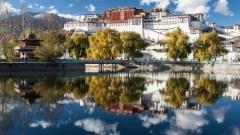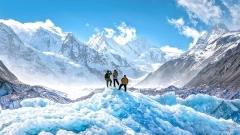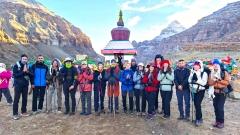

Every August, when the holy city of Lhasa enjoys a crisp, comfortable average temperature of 22°C (71.6°F), the vibrant heart of the Himalayas comes alive. This isn’t just because the summer plateau scenery looks like a living painting, but because the legendary Shoton Festival is officially taking center stage. Standing as Tibet’s grandest annual annual celebration second only to the Tibetan New Year, what is the secret charm that makes this festival a true bucket-list experience?
The Origins of Shoton: From Monastic Retreats to the “Yogurt Festival”
In the Tibetan language, “Shoton” is a compound word: “Sho” means yogurt, and “Ton” means banquet or eating. Therefore, locals affectionately refer to this historic week as the “Yogurt Festival.”
Dating back to the 11th century, the festival originated from a profound religious tradition. As spring turned into summer, all living organisms on the plateau began to flourish. To avoid accidentally stepping on or harming tiny insects while walking outside, monks of the Gelug sect were required to stay indoors for a period of strict meditation and retreat, lasting from the 15th to the 30th day of the sixth Tibetan lunar month.
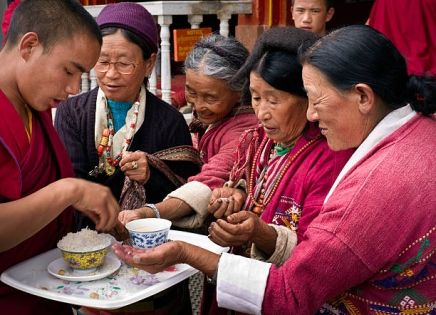
When the retreat finally concluded on the 30th day, the monks would step out of the temples. To show their gratitude and respect, local residents would flock to the monasteries, offering bowls of freshly brewed yak yogurt to welcome them back. Over centuries, this warm religious ritual merged with secular folk celebrations, evolving into the grand public carnival we see today.
The Buddha Unveiling Ceremony at Drepung Monastery
If the Shoton Festival is Tibet’s ultimate summer carnival, then the “Buddha Unveiling Ceremony” is undoubtedly its spiritual soul.
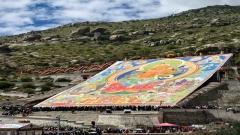
Before dawn on the opening day of the festival, tens of thousands of pilgrims and travelers trek through the crisp night air to Drepung Monastery, nestled on the western outskirts of Lhasa. As the first rays of morning light pierce the mist and illuminate the Genpeiwuzi Mountain, the low, deep resonance of Tibetan horns echoes across the valley.
Amidst billowing columns of mulberry incense, a magnificent, giant Thangka scroll depicting Shakyamuni Buddha—measuring dozens of meters in height—is slowly unrolled down the mountainside by hundreds of monks. At that exact moment, a sea of thousands of voices chants blessings, and white silk scarves (Katas) fly through the air like snow toward the sacred image. The pure, overwhelming power of faith displayed here is so profound that even non-religious travelers find themselves completely awestruck. Shortly after, a similar breathtaking ceremony takes place at Sera Monastery, marking the official commencement of the week-long festivities.
Tibetan Opera and Lingka: The Lhasa Summer Carnival
Beyond the solemnity of the temples, Shoton is a time for Lhasa residents to fully embrace the outdoors and celebrate life.
-
The Hundred-Year Tibetan Opera Festival at Norbulingka: During the festival, the lush grounds of Norbulingka (the summer palace of the Dalai Lamas) transform into a sea of theater. Traditional folk opera troupes from all across Tibet gather here to perform classic historical plays, dressed in intensely colorful costumes and striking, mysterious masks under the shade of ancient trees.
-
The Art of “Lingka Woods Woods Woods”: For locals, Shoton is the ultimate excuse for an extended family picnic. Entire neighborhoods pack up beautiful Tibetan carpets, cushions, and tents to head out into the local parks and woodlands (Lingka). Under the shade of canvas tents, families drink barley wine, strum six-string lutes, dance the joyful Guozhuang dance, and indulge in treats—a beautifully laid-back celebration of summer living.
A Taste of Shoton: Plateau-Exclusive Culinary Highlights
Because it is literally named the “Yogurt Festival,” you cannot leave without indulging in the authentic, rich flavors of local Tibetan cuisine:
-
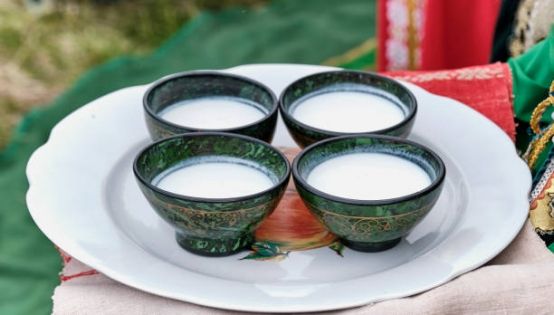
Tibetan Yak Yogurt: Unlike the processed yogurt found in western supermarkets, authentic Tibetan yogurt is fermented from the pure milk of high-altitude yaks. It boasts a thick, cheese-like texture topped with a delicate golden cream layer. Due to the high fat content of yak milk, it is intensely tart and rich. Locals and travelers love to top it with a thick layer of white sugar, creating a perfect balance of sweet and sour.
-
Traditional Tibetan Banquets: Inside the festive picnic tents, you will also be treated to air-dried yak meat, freshly roasted hand-torn mutton, fragrant Tibetan barley wine, and endless pots of warm, comforting sweet butter tea. Surrounded by stunning scenery and rich food, any lingering worries about altitude sickness vanish into thin air.
Pro-Tips for First-Time Shoton Festival Travelers
If you are planning to witness this spectacular summer event with your own eyes, keep these practical logistics in mind:
-
Secure Your Tibet Travel Permit Early: August is the absolute peak travel season in Tibet, and the Shoton Festival pushes hotel and guide availability to its limits. International travelers must contact an authorized travel agency at least 1–2 months in advance to process their mandatory Tibet Travel Permit and lock down accommodations.
-
Plan an Early Start for Drepung: The crowds on the morning of the Buddha unveiling are massive, and road closures around the monastery are strictly enforced. Plan to leave your hotel around 3:00 AM to 4:00 AM, dress in warm layers, prepare for a steep hike up the mountain, and monitor your physical energy levels closely.
It might be thin on oxygen, but Tibet is boundlessly rich in culture, faith, and untamed beauty. This August, give yourself the adventure of a lifetime—sip a bowl of authentic yak yogurt, witness a sea of pilgrims beneath a giant Thangka, and unlock a journey you will never regret.