
⭐ Highlights:
- 📜 What is Tibetan butter tea & its history – Discover the origin and thousand-year history of Tibetan butter tea culture on the Qinghai-Tibet Plateau.
- ⛰️ Core benefits of drinking butter tea in Tibet altitude – Learn how traditional butter tea aids altitude acclimatization, relieves dryness and boosts physical endurance on high plateaus.
- 🥛 Salty Tibetan butter tea vs sweet milk tea – Clarify the key taste and functional differences, and why salty butter tea is ideal for Tibet’s extreme high-altitude environment.
- 🧈 Authentic making process & ingredients – Discover traditional yak butter tea recipes, core raw materials, and the classic handmade production method used by local Tibetan families.
- 🙏 Travel etiquette & tasting tips – Master local drinking etiquette and practical tips to enjoy authentic Tibetan butter tea during your Lhasa, Shigatse, and EBC travel.
- ✨ Immersive cultural travel experience – Learn how to experience genuine Tibetan food culture and enjoy slow-paced, family-friendly plateau travel with local cultural immersion.
When exploring the unique food culture of the Qinghai-Tibet Plateau, Tibetan butter tea stands out as the most iconic and indispensable traditional drink. This Tibetan butter tea food culture guide dives deep into the core charm of authentic Tibetan butter tea culture for travelers. More than just a daily beverage for local Tibetans, it is a profound cultural carrier that embodies Tibetan people’s survival wisdom, living customs, hospitality etiquette, and spiritual beliefs. Many travelers wonder what is Tibetan butter tea and why it is deeply rooted in plateau life. For travelers visiting Lhasa, Shigatse, Everest Base Camp, and other high-altitude destinations, understanding Tibetan butter tea culture is the best way to deeply integrate into local life and experience authentic Tibetan folk customs. This complete guide covers the origin, core ingredients, traditional production methods, health benefits, cultural etiquette, and travel tips of Tibetan butter tea, helping you fully grasp the charm of this classic Tibetan food culture.
The Origin and Historical Background: Exploring the History of Tibetan Butter Tea
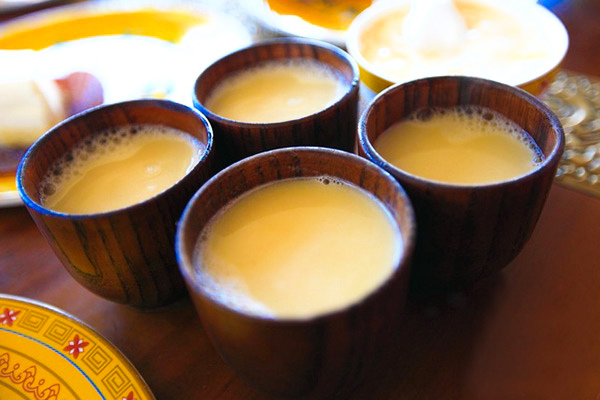
Tibetan butter tea has a history of more than a thousand years, evolving from the unique geographical environment and living mode of the Qinghai-Tibet Plateau. Known as the “Third Pole of the Earth”, the plateau features high altitude, low oxygen, dry air, cold climate, and scarce vegetable resources. To adapt to the harsh high-altitude environment, Tibetan ancestors created this high-calorie, moisture-retaining, and fatigue-relieving drink by combining plateau animal resources and traditional tea culture, forming a time-honored dietary tradition passed down from generation to generation.
In ancient times, the inland tea trade via the Ancient Tea Horse Road brought compressed brick tea to the plateau. Tibetans perfectly integrated brick tea with local yak butter, creating the unique salty and mellow butter tea. A notable feature that distinguishes plateau dietary habits is the classic comparison between salty Tibetan butter tea vs sweet milk tea popular in mainstream catering cultures. Unlike sweet milk tea popular in other regions, traditional Tibetan butter tea adopts a salty formula, which fits the plateau’s living needs better. After thousands of years of inheritance, butter tea has evolved from a simple survival drink into a core part of Tibetan food culture, running through all aspects of Tibetan people’s daily life, festivals, sacrifices, and social interactions.
Core Ingredients: The Secret Behind Authentic Plateau Flavor
The unique flavor and nutritional value of Tibetan butter tea come from three core natural ingredients, all derived from pure plateau ecological resources, with no artificial additives. The first key ingredient isyak butter, the essence of butter tea. Made from refined yak milk fat, yak butter is rich in fat, vitamins, and trace elements. After removing moisture and impurities, it has a long shelf life and can be stored for several months at room temperature, perfectly adapting to the plateau’s simple living conditions.
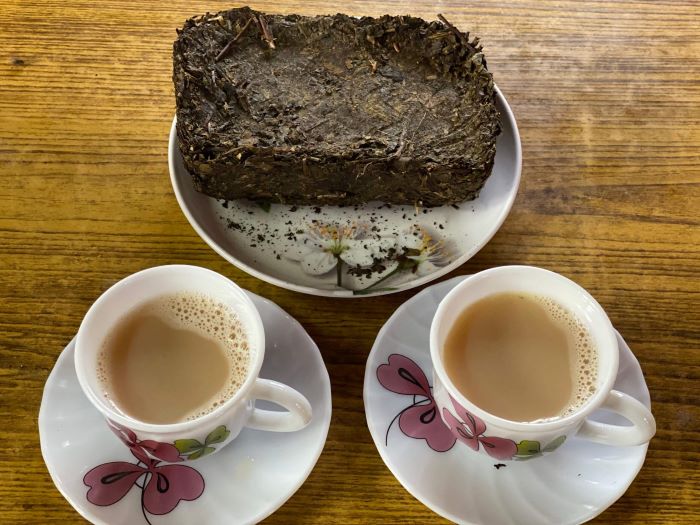
The second essential ingredient is traditional Tibetan brick tea. Different from ordinary green tea and black tea, dark compressed brick tea is resistant to storage and rich in tea polyphenols and caffeine. After long boiling, it releases a rich, mellow tea flavor that neutralizes the greasiness of butter and forms a unique layered taste. The third ingredient is pure plateau salt. A moderate amount of Tibetan salt balances the flavor of butter and tea, replenishes electrolytes consumed by the human body in high-altitude dry environments, and avoids physical discomfort caused by altitude adaptation.
Traditional Handmade Production Process of Tibetan Butter Tea
Authentic Tibetan butter tea insists on pure handmade production, and the traditional making process has remained unchanged for centuries, becoming an intangible part of Tibetan folk culture. The whole production process is exquisite and procedural, reflecting Tibetans’ rigorous attitude towards dietary life. First, crush the hard brick tea and boil it in a pot with clean plateau spring water for about 20 to 30 minutes until the tea juice is thick and dark brown, then filter out the tea residue to retain pure strong tea soup.
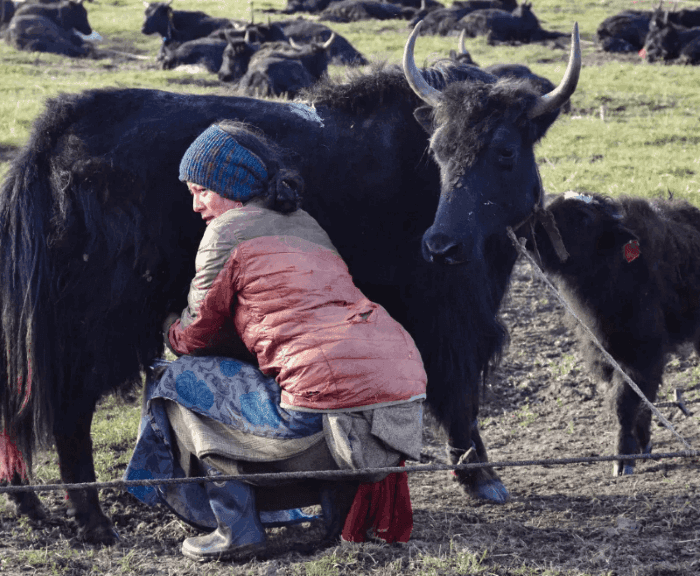
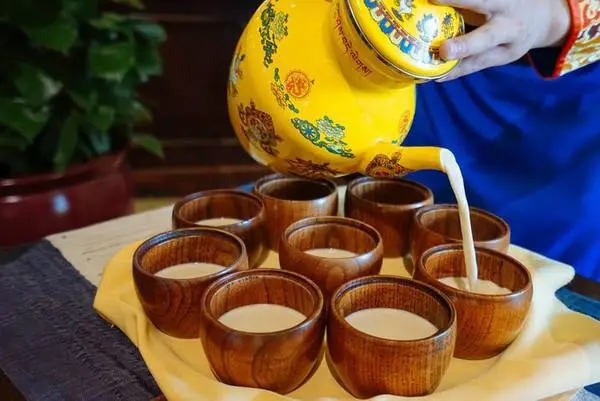
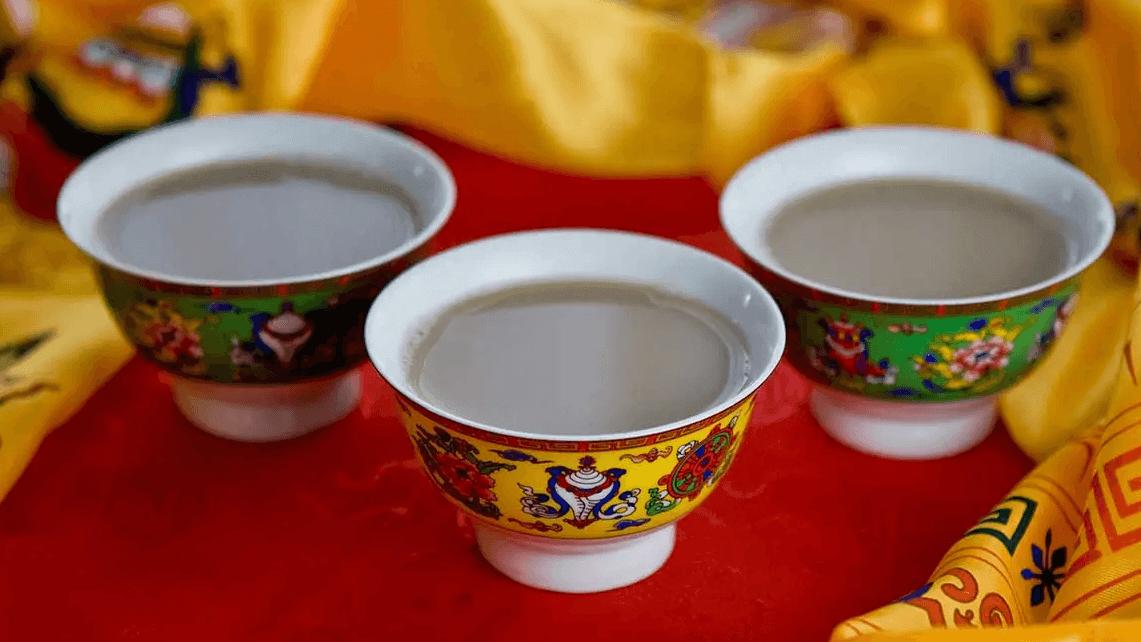
Next, put the melted yak butter and an appropriate amount of plateau salt into the traditional wooden butter tea barrel locally called “Xuedong”. Pour the hot strong tea soup into the barrel, then hold the upper and lower pull rods of the tea barrel and pump it up and down repeatedly dozens of times. This fully fuses butter, tea soup, and salt, producing a dense and delicate foam on the surface. Finally, pour the evenly blended butter tea into a copper or ceramic teapot and heat it slightly before serving. The well-made butter tea is pale yellow in color, rich and smooth in texture, with a salty and fragrant taste, no greasy feeling, and a long aftertaste.
Practical Health Benefits for High-Altitude Travel: Benefits of Drinking Butter Tea in Tibet Altitude
For travelers visiting Tibet’s high-altitude scenic spots such as Shigatse and Everest Base Camp (5,200m above sea level), Tibetan butter tea is not only a cultural delicacy but also a practical “altitude adaptation helper”. The high-calorie yak butter can quickly replenish physical energy, resist the severe cold of the plateau, and relieve physical fatigue caused by long-distance travel and altitude climbing.
In addition, butter tea has excellent moisturizing and hydrating effects. The plateau air is extremely dry, and tourists are prone to dry mouth, cracked skin, and respiratory discomfort. Drinking butter tea regularly can effectively relieve dryness and protect respiratory health. The tea polyphenols in brick tea help digest high-protein and high-fat plateau diets such as beef and mutton, relieve greasiness, and improve appetite. Meanwhile, the electrolytes in salt can maintain human body balance, alleviate altitude reaction symptoms such as dizziness and weakness, and greatly help tourists adapt to the plateau environment quickly.
Profound Cultural Connotation and Dietary Etiquette
In Tibetan culture, butter tea is far more than a daily drink; it is a symbol of sincerity, warmth, and respect, with strict and grand cultural etiquette. In daily life, every Tibetan family keeps butter tea available all day long. When guests visit, hosting with hot butter tea is the most basic and noble hospitality etiquette, representing the host’s sincere welcome and best wishes.
Butter tea also plays an irreplaceable role in major Tibetan festivals, wedding ceremonies, and religious sacrificial activities. During New Year celebrations, weddings, and monastery rituals, butter tea is served to pray for peace, auspiciousness, and harvest. In traditional Tibetan social culture, sharing a bowl of butter tea means closeness and trust between each other.
Moreover, butter tea matches perfectly with Tibetan staple foods such as tsampa and highland barley cakes. The salty and fragrant tea can neutralize the dryness of tsampa, forming the most authentic and classic plateau dietary combination, which has been the daily eating habit of Tibetans for thousands of years.
Travel Guide: How to Taste Authentic Tibetan Butter Tea
Most first-time tourists are not used to the salty flavor of butter tea, but authentic handmade butter tea has a mellow and fragrant taste that is addictive after a few sips. When traveling in Lhasa, Shigatse and other regions, you can taste authentic butter tea in local Tibetan families, traditional Tibetan restaurants and monastery teahouses. It is recommended to drink it hot; warm butter tea has the best taste and the most obvious health-care effect.
When tasting butter tea, you need to follow local etiquette: accept the tea bowl handed by the host with both hands, and do not refuse easily, which is a respect for local culture. Do not drink up the tea in one gulp; leave a little bottom of the bowl appropriately, symbolizing endless blessings and lasting friendship. If you adapt to the taste, you can take the initiative to ask for a refill, which is the greatest recognition of the host’s craftsmanship.
Experience Authentic Butter Tea Culture on Your Tibet Trip
If you hope to truly immerse yourself in genuine Tibetan food culture and enjoy a comfortable and worry-free plateau travel experience, choosing a professional and customized Tibet tour is the perfect way. Our carefully planned Tibet itineraries cover classic destinations including Lhasa, Shigatse, and Everest Base Camp, arranging authentic local family visits and traditional Tibetan food experiences for every traveler. During the journey, you can not only witness the stunning high-altitude scenery and ancient religious architecture but also taste freshly handmade Tibetan butter tea in local families, learn about traditional production techniques, and experience real Tibetan folk customs up close.
We adopt a scientific altitude adaptation schedule and a slow-paced travel mode suitable for families and first-time plateau visitors, allowing you to explore profound Tibetan butter tea culture and local lifestyle without rushing. Every arrangement focuses on travel comfort and cultural immersion, helping you capture the most authentic and touching moments of the snowland plateau.
Conclusion
Tibetan butter tea is a living cultural heritage that integrates geography, history, folk customs and health wisdom. A small bowl of butter tea carries the perseverance of Tibetan people in adapting to the plateau environment, the warmth of ethnic hospitality, and the profound heritage of Tibetan food culture. For every traveler who comes to the snow-covered plateau, tasting authentic butter tea is not only a unique taste experience but also an in-depth cultural pilgrimage. It allows people to truly feel the temperature and charm of plateau folk customs behind the food, and leave precious and unforgettable travel memories in the journey of Tibet.