
March marks the transition from winter to spring on the Tibetan Plateau. While much of Tibet remains cool and dry, lower-altitude areas such as Nyingchi begin to show clear signs of spring, making this month especially attractive for travelers seeking fewer crowds, clearer skies, and seasonal scenery.
Key Points At A Glance
- March is cool, dry, and increasingly sunny: Most of Tibet reaches daytime highs of 7–15°C, while nighttime temperatures can fall to -13°C in high-altitude areas; Lhasa averages 15°C to -3°C.
- Nyingchi is the best spring destination: Temperatures range from about -1°C to 18°C, with around 27 clear days and only 10 mm of precipitation, while its famous peach blossoms usually appear from mid-March to early April.
- March offers excellent mountain visibility: Everest Base Camp averages around 26 clear days, with temperatures of approximately 8°C to -13°C, creating good opportunities for unobstructed views of Mount Everest.
- The month combines quieter travel with Tibetan culture: March falls before Tibet’s main tourist season, while Tibetan New Year and the Butter Lamp Festival can bring a particularly vibrant cultural atmosphere to Lhasa.
What Is Tibet Weather Like In March?
Tibet weather in March is characterized by a gradual transition from winter to spring. Temperatures begin to rise compared with January and February, but the plateau remains cold in the early mornings and evenings. The large temperature difference between day and night is one of the most important characteristics travelers should prepare for.
Across many popular destinations, daytime temperatures can reach 10–15°C, especially under Tibet’s strong sunshine. After sunset, however, temperatures can fall below freezing. Nyingchi is noticeably milder because of its lower elevation, with daytime temperatures reaching around 18°C.
March is also a relatively dry month. Snowfall is uncommon in the central tourist areas, while clear skies and low precipitation provide favorable conditions for sightseeing and photography. Compared with the deep winter months, oxygen availability gradually improves as temperatures rise, although Tibet remains a high-altitude destination and proper acclimatization is still important.
The following figures provide a useful reference for the main destinations:
- Lhasa: 15°C high, -3°C low, 28 clear days, 2 mm precipitation
- Namtso Lake: 7°C high, -10°C low, 26 clear days, 3 mm precipitation
- Shigatse: 10°C high, -4°C low, 28 clear days, 1 mm precipitation
- Everest Base Camp: 8°C high, -13°C low, 26 clear days, 5 mm precipitation
- Mount Kailash: 5°C high, -8°C low, 27 clear days, 4 mm precipitation
- Nyingchi: 18°C high, -1°C low, 27 clear days, 10 mm precipitation
- Gyirong Port: 7°C high, -1°C low, 29 clear days, 2 mm precipitation
These figures show why March can offer very different travel experiences depending on where you go. Lhasa and Nyingchi are comparatively comfortable, while destinations at much higher elevations remain considerably colder.
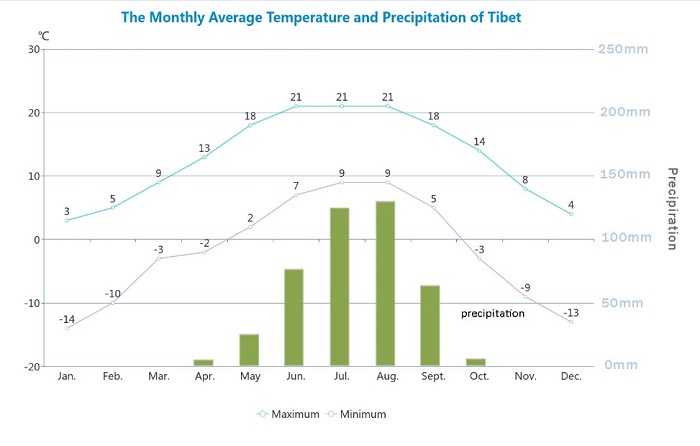
Tibet Weather
Is March A Good Time To Visit Tibet?
Yes, March can be an excellent time to visit Tibet, particularly for travelers who prefer peaceful sightseeing and seasonal scenery rather than peak-season crowds.
The main tourist season has not yet arrived, so popular attractions such as the Potala Palace, Jokhang Temple, and major monasteries are generally quieter. This gives visitors more time and space to explore important cultural sites without the atmosphere feeling overly crowded.
Another major advantage is the changing landscape. While much of the Tibetan Plateau is still emerging from winter, Nyingchi begins its transformation into spring. Its famous peach blossoms create a striking contrast with snow-covered mountains, forests, rivers, and valleys.
March can also be attractive for travelers interested in Tibetan culture. Depending on the Tibetan calendar, Tibetan New Year celebrations and the Butter Lamp Festival may fall around this period, offering opportunities to observe religious ceremonies, traditional decorations, local food, and community celebrations.
For travelers planning an Everest trip, March is also appealing because the relatively dry conditions and frequent clear days can provide excellent mountain visibility. However, temperatures remain low at Everest Base Camp, and road conditions can still be affected by ice or snow.
Where To Go In Tibet In March?
March offers a good combination of cultural sightseeing, spring scenery, sacred lakes, and high-mountain landscapes. Among the many destinations available, Nyingchi, Lhasa, Yamdrok Lake, and Everest Base Camp are particularly suitable.
Nyingchi: The Best Place For Spring Scenery
Nyingchi is arguably the most attractive destination in Tibet in March. While much of the plateau remains in winter, Nyingchi’s lower valleys begin to warm up and come alive with peach blossoms.
Temperatures generally range from around -1°C at night to 18°C during the day, with approximately 27 clear days and only around 10 mm of precipitation. The relatively mild climate makes outdoor sightseeing much more comfortable than in Tibet’s higher regions.
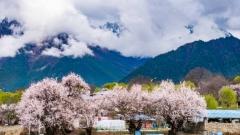
The famous Nyingchi Peach Blossom Festival usually takes place from around mid-March into early April, although the exact dates and flowering period can vary according to local weather conditions. Wild peach trees cover valleys and villages with pink and white blossoms, creating one of the most distinctive seasonal landscapes in Tibet.
Gala Village and the Bome area are among the places where travelers can experience this scenery. The surrounding landscapes are equally impressive, with snow-capped peaks, forests, rivers, and valleys providing a dramatic backdrop.
March is also a good period to explore Namcha Barwa, Ranwu Lake, and other natural attractions around Nyingchi. For photographers, the combination of clear weather and blooming peach trees makes this one of the most rewarding periods of the year.
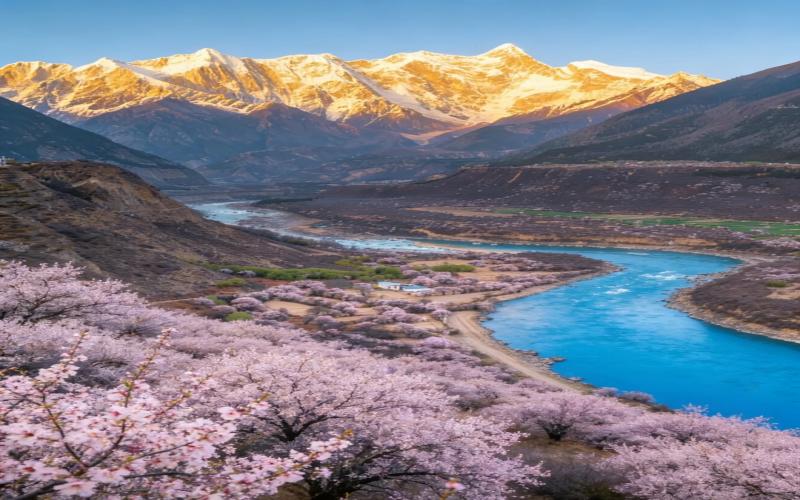
Peach Blossom Gully
Lhasa: Comfortable Sightseeing And Tibetan Culture
Lhasa is another excellent choice for March. Temperatures typically range from around -3°C to 15°C, with approximately 28 clear days and only around 2 mm of precipitation.
The daytime sunshine can make Lhasa feel considerably warmer than the thermometer suggests. This is particularly noticeable when walking through the old city or climbing toward monasteries and palaces.
March is ideal for exploring the Potala Palace, Jokhang Temple, Barkhor Street, Sera Monastery, and Drepung Monastery. With fewer visitors than during the summer peak season, you can take more time to appreciate the architecture, religious traditions, and daily life around these sites.
If your visit coincides with Tibetan New Year celebrations, Lhasa can become particularly lively. Local residents gather with family, visit temples, make traditional foods, and participate in religious and cultural activities.
For a more active experience, travelers can also consider a short excursion or trek around the Ganden area, combining mountain scenery with opportunities to experience rural Tibetan landscapes.
Yamdrok Lake: Blue Water And Snow-Capped Mountains
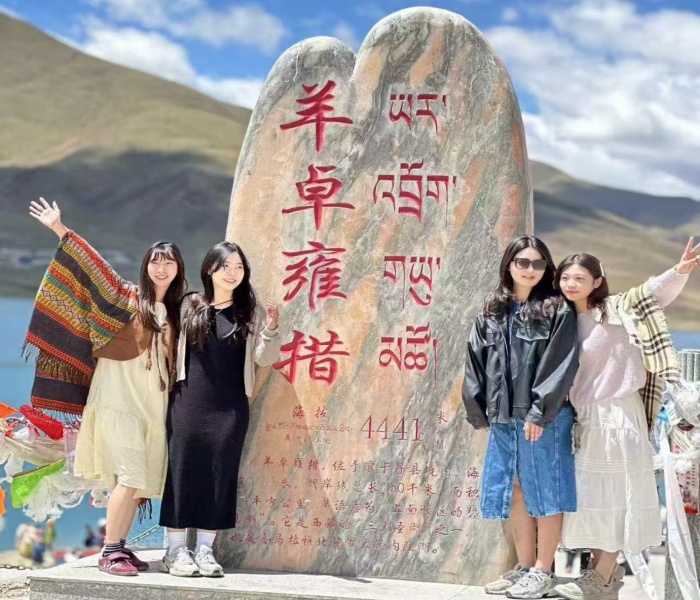
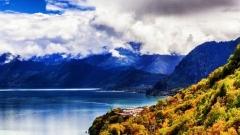
Yamdrok Lake remains accessible in March and is a rewarding addition to a Lhasa itinerary. The lake is located roughly 75 kilometers from Lhasa, making it possible to visit as a day trip.
March can be cold and windy around the lake, but clear weather is common. Under strong sunshine, the lake’s blue water contrasts beautifully with the surrounding mountains and patches of snow.
The landscape looks particularly dramatic in early spring because the surrounding highlands have not yet fully emerged from winter. For travelers who want to combine cultural sightseeing in Lhasa with a spectacular alpine landscape, a Lhasa–Yamdrok Lake route works well.
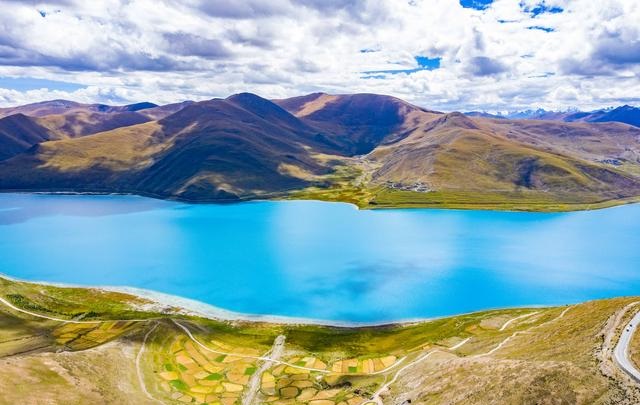
Yamdrok Lake
Everest Base Camp: A Quiet Month With Clear Mountain Views
Everest Base Camp is suitable for experienced travelers who are prepared for cold temperatures and high altitude.
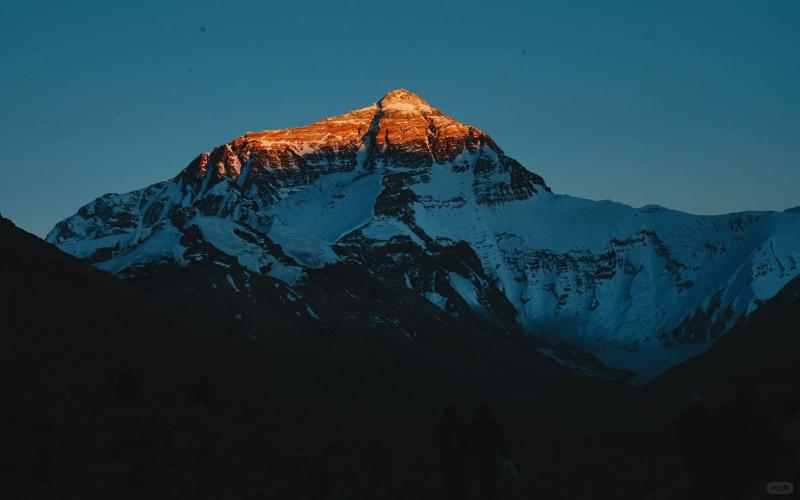
In March, temperatures around the Tibetan side of Everest Base Camp can range from approximately -13°C at night to 8°C during the day. The region averages around 26 clear days and only about 5 mm of precipitation, offering favorable conditions for viewing Mount Everest.
The clear, dry atmosphere can provide excellent visibility of the summit. Since March is outside the main tourist season, the area is also considerably quieter than during the warmer months.
However, the cold should not be underestimated. Roads can still become icy or slippery, particularly at higher mountain passes. Travelers should allow some flexibility in their itinerary and use experienced drivers familiar with high-altitude road conditions.
Accommodation at Rongbuk Monastery has also improved, with facilities such as heating and oxygen supply available for travelers. Even so, spending too much time outdoors after sunset can be extremely uncomfortable because temperatures fall rapidly.
Mount Everest
What Tibetan Festivals Can You Experience In March?
March can be an especially interesting month for travelers interested in Tibetan culture because major religious and traditional celebrations may take place around this period.
Nyingchi Peach Blossom Festival
The Nyingchi Peach Blossom Festival is one of the best-known seasonal events in southeastern Tibet. It developed as the region’s natural peach blossom scenery attracted increasing numbers of visitors.
The festival generally takes place from around mid-March to early April, although the actual dates can change depending on the flowering period.
Gala Village in Nyingchi and the Bome Valley are popular places to see the blossoms. Unlike cultivated flower gardens, many of the peach trees grow naturally across the valleys, creating a more expansive and authentic landscape.
The blossoms are particularly striking when combined with distant snow peaks and Tibetan villages. If your primary reason for visiting Tibet in March is photography, Nyingchi should be near the top of your itinerary.
Tibetan New Year
Tibetan New Year, or Losar, is the most important traditional festival in Tibet. Depending on the Tibetan lunar calendar, celebrations may extend into March.
During Losar, families gather, prepare traditional foods, visit monasteries, and participate in religious and cultural activities. Visitors may see colorful decorations, prayer ceremonies, traditional clothing, and festive gatherings.
Because the festival follows the Tibetan calendar rather than the Gregorian calendar, its exact dates change every year. Travelers should therefore check the festival dates before booking if experiencing Losar is a priority.
Butter Lamp Festival
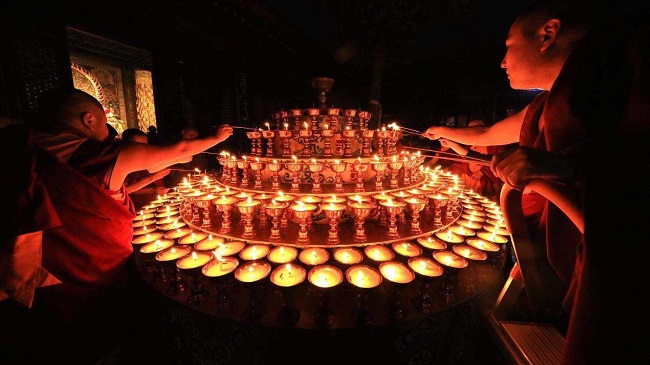
The Butter Lamp Festival is another important religious celebration associated with the Tibetan New Year and the Monlam Prayer Festival.
Monks and artisans create elaborate butter sculptures representing figures, flowers, animals, and religious themes. At night, butter lamps illuminate temples and streets, creating an extraordinary atmosphere.
Lhasa, particularly the area around Jokhang Temple and Barkhor Street, is one of the most meaningful places to experience this celebration.
Butter Lamp Festival
What Should You Wear In Tibet In March?
The key to dressing for Tibet in March is layering. The weather can change dramatically between morning, afternoon, and evening, so wearing several adjustable layers is more practical than relying on one extremely heavy garment.
For ordinary sightseeing in Lhasa, a combination of thermal underwear, a sweater or fleece, and a warm outer jacket is generally suitable. A heavier down jacket becomes important during early mornings, evenings, and visits to higher-altitude areas.
If you are traveling to Everest Base Camp, Yamdrok Lake, or other exposed areas, bring additional winter clothing. Strong winds can make the actual conditions feel much colder than the air temperature suggests.
Essential items include:
- Thermal underwear
- Fleece or wool sweater
- Down jacket
- Windproof outer layer
- Warm trousers
- Wool socks
- Gloves
- Warm hat
- Scarf
- Comfortable hiking shoes or boots
- Sunglasses
- High-SPF sunscreen
- Moisturizer and lip balm
Sunglasses and sunscreen are particularly important because Tibet’s high elevation means strong ultraviolet radiation even when the air feels cold.
How To Prepare For High Altitude In March
Although March brings slightly more favorable conditions than the coldest winter months, Tibet remains a high-altitude destination. Lhasa itself sits at approximately 3,650 meters above sea level, while destinations such as Namtso and Everest Base Camp are considerably higher.
Do not judge altitude conditions by temperature alone. A sunny 15°C afternoon in Lhasa does not mean your body is experiencing conditions similar to a low-altitude city.
A gradual itinerary is recommended. Spending your first days sightseeing around Lhasa allows your body time to adjust before traveling to higher elevations.
Avoid strenuous exercise immediately after arrival, stay hydrated, eat regular meals, and give yourself enough time to rest. If you develop significant or worsening symptoms of altitude illness, seek medical assistance rather than attempting to continue through severe symptoms.
For travelers particularly concerned about altitude, Nyingchi can be an appealing option because its elevation is considerably lower than many other popular Tibetan destinations.
What Are The Advantages Of Traveling To Tibet In March?
One of the biggest advantages of March is the combination of fewer tourists and improving weather.
The main tourist season has not yet begun, so famous attractions can feel considerably more peaceful. This is especially valuable in Lhasa, where you can spend more time exploring temples, monasteries, and traditional streets without the crowds found during summer.
March is also excellent for photography. Dry conditions, frequent clear days, snow-covered mountains, and strong sunlight can produce exceptional visibility. In Nyingchi, the seasonal peach blossoms add another dimension that cannot be experienced at other times of the year.
Travel costs may also be more attractive during the low season. Depending on availability, travelers may find better prices for accommodation and transportation than during the busiest months.
Most importantly, March provides a chance to experience a different side of Tibet. Instead of seeing only the warm-season plateau, you can watch winter gradually give way to spring, encounter local religious traditions, and experience the dramatic contrast between snow-covered mountains and blooming valleys.
Final Thoughts On Tibet Weather In March
Tibet weather in March is best described as cool, dry, sunny, and highly variable by altitude. Lhasa and central Tibet are increasingly comfortable during the daytime, while Nyingchi has already begun its transition into spring. Higher destinations such as Everest Base Camp remain cold but can offer outstanding mountain visibility.
For travelers choosing where to go, Nyingchi is the standout destination for spring scenery and peach blossoms, Lhasa is ideal for culture and sightseeing, Yamdrok Lake offers spectacular alpine scenery close to the capital, and Everest Base Camp is an excellent choice for travelers prepared for cold high-altitude conditions.
If you are planning a March trip, Tibet Yulong Travel can help design a route around the seasonal conditions, including Nyingchi’s peach blossom season, Lhasa’s cultural attractions, Yamdrok Lake, and Everest Base Camp. A locally planned itinerary can also allow greater flexibility when mountain roads or weather conditions change.