
⭐Highlights:
- 🏔️ This complete Friendship Highway Lhasa to Kathmandu driving itinerary offers a well‑planned 7‑day overland route covering top Tibetan cultural sites, iconic Himalayan landscapes, and the full China‑Nepal cross‑border journey.
- 📸 Travelers can explore classic highlights including Potala Palace, Jokhang Temple, Yamdrok Lake, Karola Glacier, Everest Base Camp, Shishapangma Peak, and Pelkhu Tso Lake with scientific altitude adaptation arrangements.
- 📅 Explains the best time to drive Friendship Highway Lhasa to Kathmandu, helping travelers avoid monsoon rains, landslides and winter snow blockages for safer road conditions.
- 📜 Provides official guidelines on the Tibet entry permit for Friendship Highway Lhasa to Kathmandu itinerary, ensuring smooth border passage for international visitors.
- 🚗 Offers practical Gyirong border crossing Lhasa to Kathmandu driving tips to solve common cross‑border issues, including customs procedures, document checks and Nepal‑side road conditions.
- 🧘 Balances cultural monastery tours, natural scenery photography, Everest sunrise and sunset viewing, and cross‑border self‑driving experience for first‑time Himalayan road trippers.
The Friendship Highway Lhasa to Kathmandu driving itinerary ranks among the world’s most breathtaking overland adventures. Stretching approximately 1,000 kilometers across the Roof of the World, this iconic China-Nepal highway connects the sacred highland city of Lhasa in Tibet, China, to the vibrant valley capital of Kathmandu, Nepal. Crossing dramatic Himalayan landscapes, turquoise alpine lakes, ancient Tibetan monasteries, and the legendary foothills of Mount Everest, this self-drive and guided road trip delivers unmatched natural beauty and cultural immersion. Whether you are a seasoned road tripper, a Himalaya enthusiast, or a cultural traveler, this detailed 7-day guide covers route highlights, altitude acclimatization, road conditions, border formalities, and essential travel tips to help you plan a smooth and unforgettable journey in 2026.
Overview of the Lhasa to Kathmandu Friendship Highway Drive
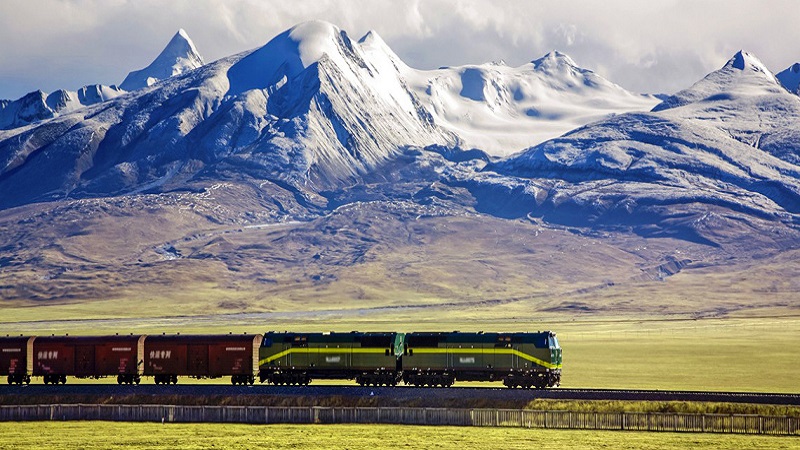
The Sino-Nepal Friendship Highway, officially known as National Highway 318 in Tibet, is the primary overland corridor linking Tibet and Nepal. Unlike air travel that skips regional landscapes, the Lhasa to Kathmandu Friendship Highway drive lets travelers witness drastic terrain shifts: from the high-altitude Tibetan plateau averaging 3,600 meters above sea level to the lush, subtropical valleys of Nepal at under 1,500 meters. The full journey takes 4 to 7 days, with a 7-day itinerary being the most balanced option, allowing ample time for sightseeing, altitude adaptation, and rest without rushed driving schedules.
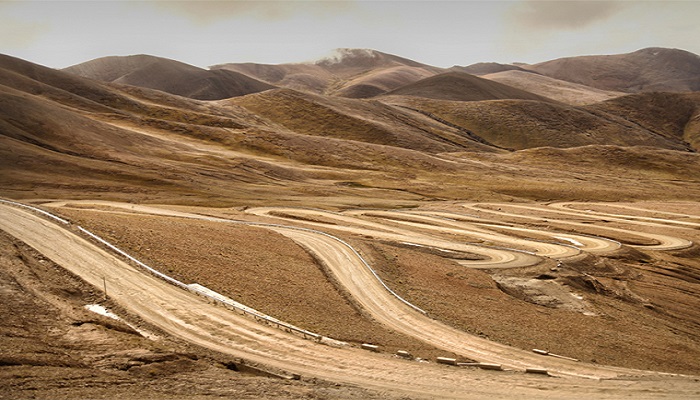
China–Nepal International Road
This overland route features unparalleled landmark diversity. Travelers will pass by the stunning Yamdrok Lake, ancient Tashilhunpo Monastery, towering Himalayan passes, the world-famous Everest Base Camp (EBC), and the scenic Gyirong Valley before crossing the Gyirong-Kerung border into Nepal and descending to Kathmandu. As one of the most sought-after trans-Himalayan road trips, the Friendship Highway Lhasa to Kathmandu driving itinerary perfectly blends natural adventure, Tibetan cultural heritage, and cross-border travel experience.
Best Travel Time for Friendship Highway Lhasa to Kathmandu Driving
Timing is critical for a successful cross-border road trip on the Sino-Nepal route, which is why many travelers research the best time to drive Friendship Highway Lhasa to Kathmandu before finalizing their travel plans. The optimal travel window is April to June and September to November. During these spring and autumn months, the weather is stable, with clear blue skies, minimal rainfall, and unobstructed views of snow-capped Himalayan peaks including Everest, Lhotse, and Shishapangma. Road conditions are dry and safe, with no snow blockages or muddy landslides that often occur in winter and summer monsoon seasons.
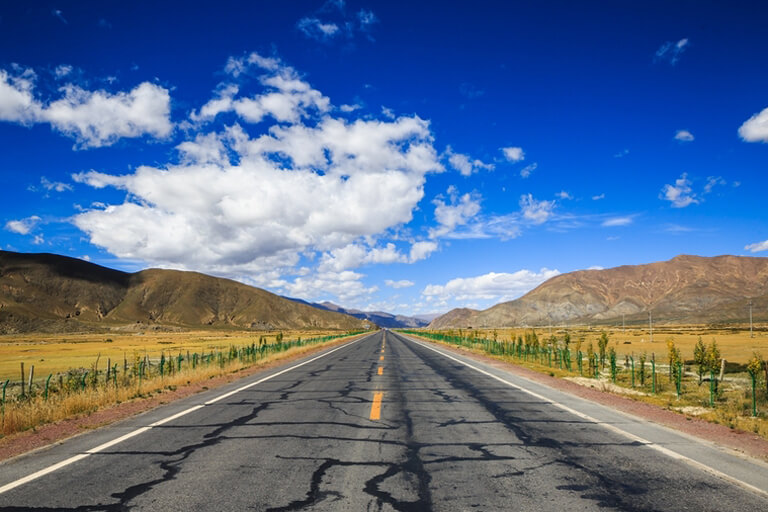
318 National road
July and August are Nepal’s monsoon months, bringing heavy rainfall, foggy mountain roads, and high risks of landslides and traffic delays on the Nepal side. December to February features freezing temperatures, heavy snow on high mountain passes, and occasional road closures, making driving extremely challenging for self-drive travelers. For the safest and most scenic experience, stick to the peak seasons for your Lhasa to Kathmandu Friendship Highway driving itinerary.
7-Day Detailed Friendship Highway Lhasa to Kathmandu Driving Itinerary
This well-structured 7-day plan balances driving hours, sightseeing, and altitude acclimatization, suitable for both self-drive groups and guided tour travelers. It avoids excessive daily driving fatigue while covering all core highlights along the Friendship Highway, making it the most practical version of the Friendship Highway Lhasa to Kathmandu driving itinerary for first-time cross-border travelers.
Day 1: Arrive in Lhasa by Plane or by Train
Day 2: Lhasa City Tour: Drepung Monastery-Sera Monastery
Day 3: Lhasa City Tour: Potala Palace-Jokhang Temple-Barkhor Street
Day 4: Lhasa to Shigatse: Yamdrok Lake, Karola Glacier
Day 5: Shigatse to Everest Base Camp: Tashilhunpo Monastery, Gyatso La, Gyawu La, Sunset at Everest
Day 6: Everest Base Camp to Gyirong: Sunrise at Everest, Shishapangma, Pelkhu Tso Lake
Day 7: Gyirong Border-Kathmandu
Day 1: Arrive in Lhasa by Plane or by Train | Altitude Adaptation
Your trans-Himalayan road trip begins with your arrival in Lhasa (3,656m), the starting point of the entire Friendship Highway Lhasa to Kathmandu driving itinerary. Upon arriving by flight or train, check into your downtown hotel and prioritize rest instead of strenuous activities. Altitude sickness is the most common issue for new arrivals, so the first day is exclusively reserved for basic highland adaptation. Drink plenty of water, avoid alcohol and heavy exercise, and adjust your body clock to the plateau environment. Take slow walks around the hotel area to gently acclimatize, laying a solid foundation for the upcoming intensive city tours and long-distance driving.
Day 2: Lhasa City Tour – Drepung Monastery & Sera Monastery
Continue your Lhasa altitude adaptation with an in-depth cultural tour focusing on two world-famous Tibetan Buddhist monasteries. Start your visit with Drepung Monastery, once recognized as the world’s largest Buddhist monastery, featuring grand Tibetan architectural complexes, ancient scripture halls, and peaceful courtyards. Wandering through the monastery, you can feel the profound heritage of Tibetan Buddhism and witness local pilgrims’devout religious rituals.
In the afternoon, head to Sera Monastery, globally renowned for its wonderful monk debating ceremony. Every day, resident monks gather in the stone courtyard to conduct religious scripture debates with unique gestures and vivid interactions, forming a classic cultural scene in Lhasa. This low-intensity sightseeing arrangement perfectly balances cultural exploration and altitude adaptation, ensuring you stay in good condition before officially hitting the Friendship Highway. Overnight in Lhasa.
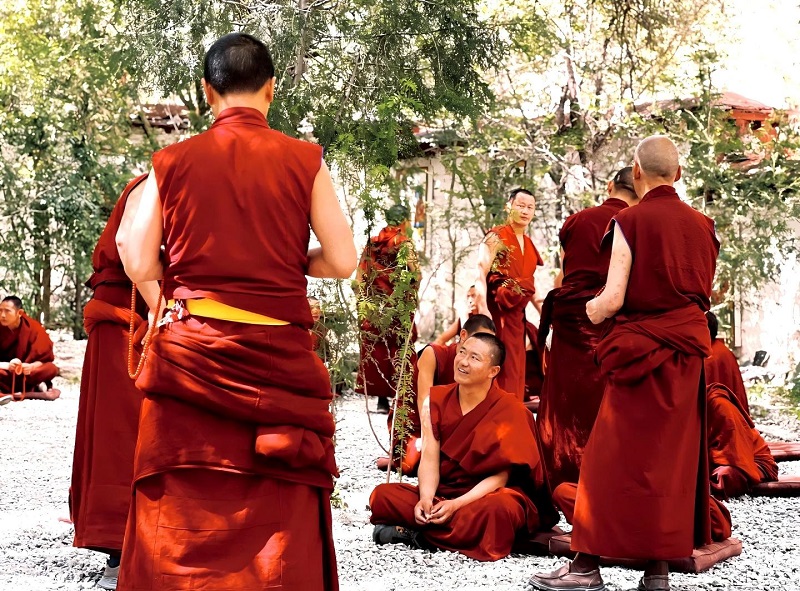
Monks Debating at Sera Monastery
Day 3: Lhasa City Tour – Potala Palace, Jokhang Temple & Barkhor Street
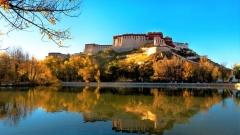
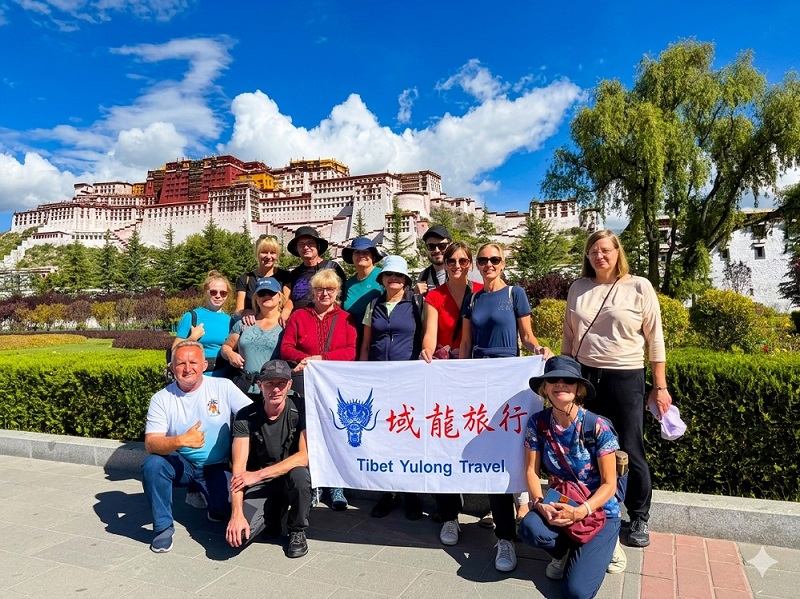
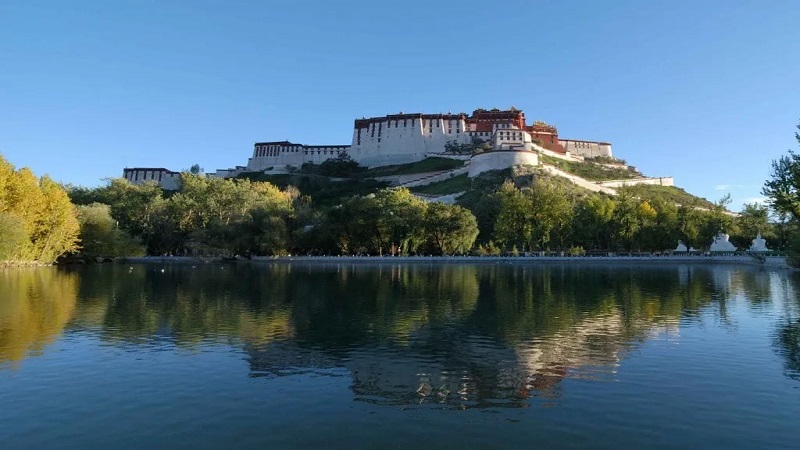
Day 3 covers the most iconic landmarks of Lhasa, completing your full cultural immersion in the holy city. In the morning, visit the Potala Palace, the symbol of Tibet’s religion and history. This UNESCO World Heritage Site features magnificent palatial architecture, countless precious Buddha statues, murals, and cultural relics that record centuries of Tibetan civilization.
Afterward, explore the Jokhang Temple, the spiritual heart of Lhasa and the most sacred temple in Tibetan Buddhism. The ancient temple blends Tibetan, Han, Nepalese, and Indian architectural styles, with strong historical and religious value. In the afternoon, stroll along Barkhor Street, a circular ancient street surrounding Jokhang Temple. Here, you can watch devout pilgrims circling the temple, browse traditional Tibetan handicraft stores, and taste authentic local snacks and butter tea. After a full day of relaxed sightseeing, your body will fully adapt to the plateau altitude, ready for cross-country driving the next day. Overnight in Lhasa.
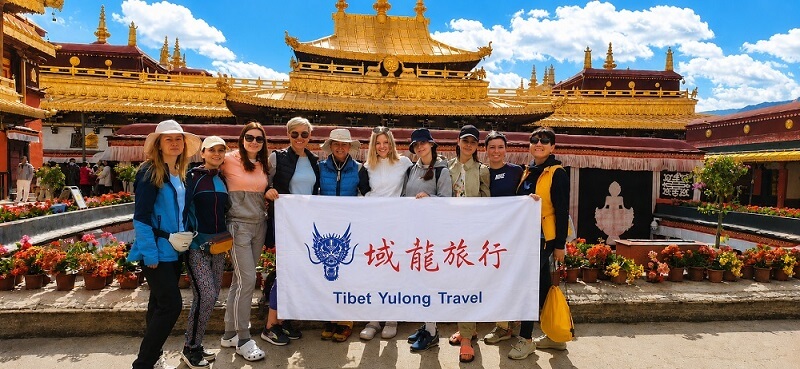
Jokhang Temple
Day 4: Lhasa to Shigatse | Yamdrok Lake & Karola Glacier
On Day 4, officially launch your overland journey along the Sino-Nepal Friendship Highway. Depart Lhasa in the morning and drive southwest toward Shigatse, Tibet’s second-largest city. This 4–5 hour driving section features the most classic natural scenery on the early segment of the highway, making it a highlight of every Friendship Highway Lhasa to Kathmandu driving itinerary.
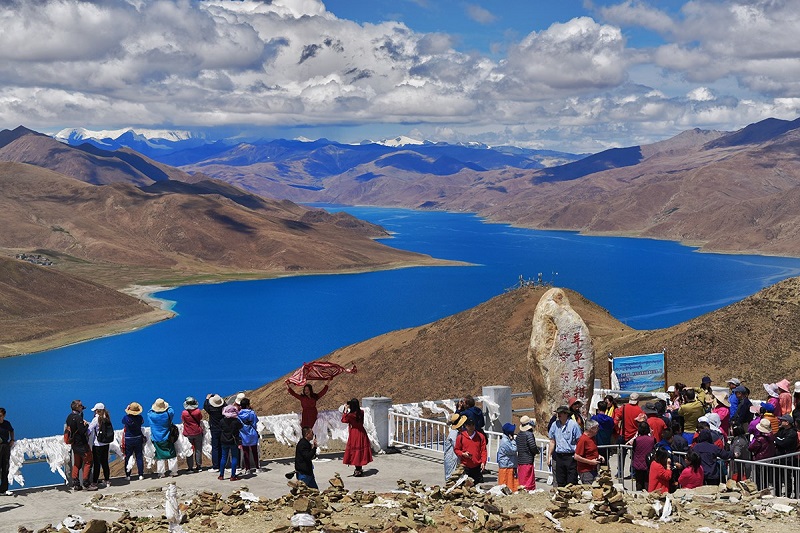
Yamdrok Lake
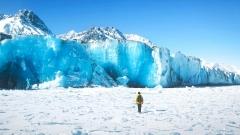
The first stunning stop is Yamdrok Lake, one of Tibet’s three sacred lakes. The vast turquoise lake surface shimmers under blue skies and white clouds, surrounded by rolling snow-capped mountains and grasslands, creating a pure and breathtaking alpine landscape. You may stop at official viewing platforms for photography and short walks. Continuing forward, you will pass the famous Karola Glacier, where massive silver glacier bodies hang on mountain slopes, offering a close-up view of magnificent high-altitude glacier scenery. Arrive in Shigatse in the evening and settle down for a good rest.
Day 5: Shigatse to Everest Base Camp | Tashilhunpo Monastery, Gyatso La, Gyawu La & Everest Sunset
Day 5 is the most anticipated adventure day of the entire trip, leading you straight to the foot of Mount Everest. Before leaving Shigatse, visit the prestigious Tashilhunpo Monastery, the seat of the Panchen Lama and one of Tibet’s six great monasteries. Boasting grand golden-roofed architecture, huge Buddha statues, and quiet prayer halls, it represents the highest standard of Tibetan Buddhist culture in the Shigatse region.
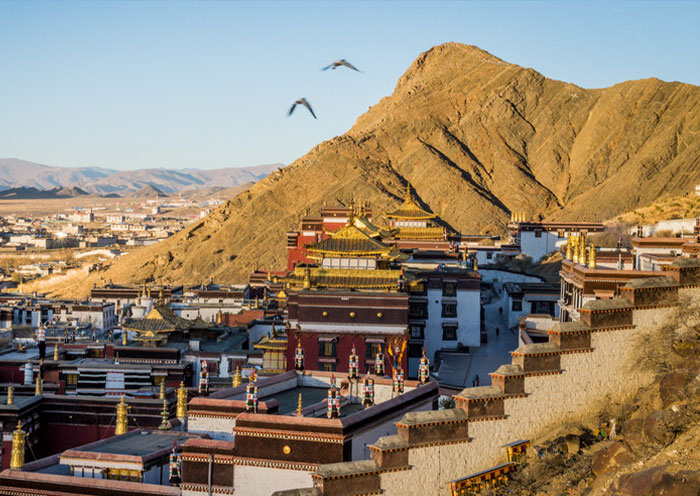
Tashilhunpo Monastery
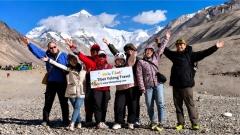
After the monastery visit, continue driving west toward Everest Base Camp. The route crosses two famous high-altitude passes: Gyatso La Pass and Gyawu La Pass. Standing at these towering passes, you can enjoy panoramic views of the Himalayan snow mountain groups, including Everest, Cho Oyu, and Shishapangma on clear days. As you approach EBC, the atmosphere becomes increasingly grand and peaceful. In the late afternoon, wait for the stunning Everest sunset, when the golden setting sun dyes the world’s highest peak golden red, presenting an extremely shocking visual feast. Overnight at a local guesthouse near Everest Base Camp to experience the quiet highland night sky.
Day 6: Everest Base Camp to Gyirong | Everest Sunrise, Shishapangma & Pelkhu Tso Lake
Start Day 6 early to witness the breathtaking Everest sunrise. Watching the first ray of sunlight illuminate the summit of Mount Everest is an unforgettable experience for every Himalayan traveler. After enjoying the sunrise and taking photos, depart EBC and drive south toward Gyirong Town, the final border hub on the Chinese side of the Friendship Highway.
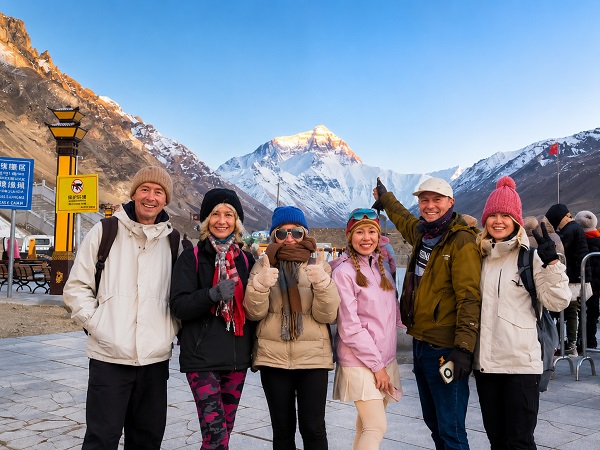
Everest Base Camp
Today’s route is packed with natural highlights. You will pass by Shishapangma Peak, the only 8,000-meter-level peak entirely located in China, with neat and grand snow mountain terrain. The journey also covers Pelkhu Tso Lake, a crystal-clear alpine lake surrounded by snow-capped mountains and wild grasslands. The lake water is pure blue, paired with distant snow peaks, forming a quiet and primitive natural landscape. Gradually, the barren high-altitude plateau transforms into the lush Gyirong Valley, with higher oxygen content that effectively relieves altitude fatigue. Arrive in Gyirong Town in the evening, sort out your luggage, and double-check all border documents in preparation for tomorrow’s cross-border trip.
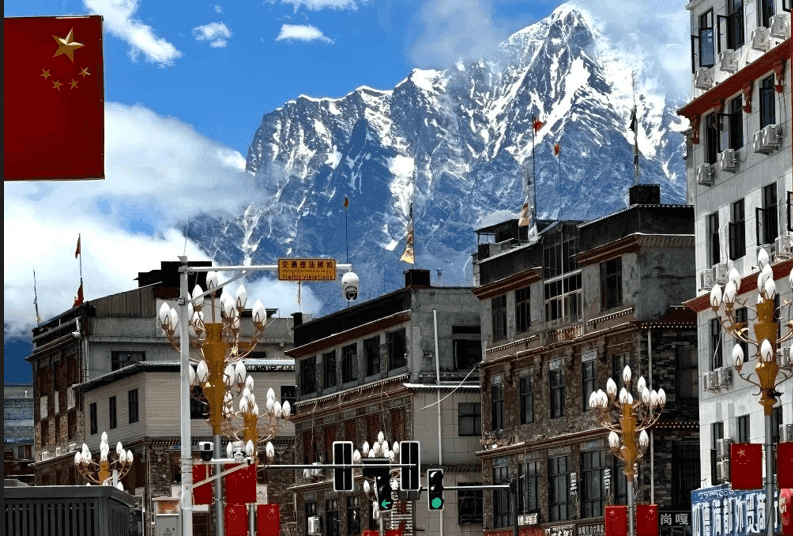
Gyirong Town
Day 7: Gyirong Border Crossing to Kathmandu | Final Cross-Border Descent
The final day completes your trans-Himalayan cross-border journey, and professional Gyirong border crossing Lhasa to Kathmandu driving tips are essential to ensure a smooth transit. To avoid peak crowds and long customs queues, it is best to arrive at the Gyirong-Kerung border checkpoint before 9 AM. Double-check your passport, Nepal visa, and Tibet entry permit before exiting China customs to avoid document problems that may delay your trip.
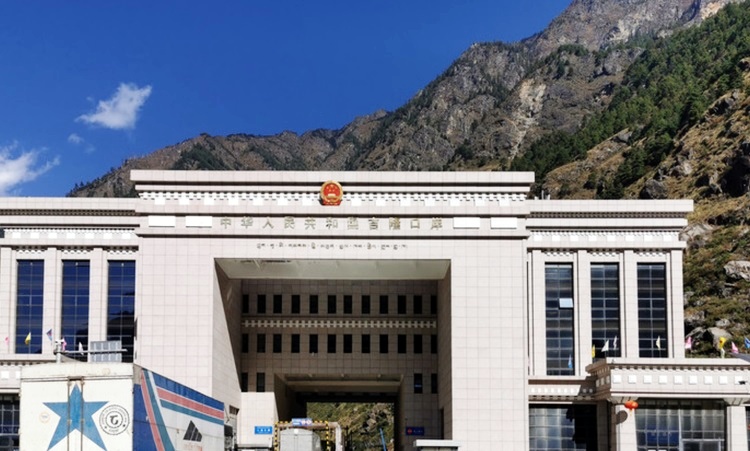
Gyirong border
After completing China exit procedures and Nepal entry formalities, start driving toward Kathmandu. The Nepal section features winding mountain roads, narrow lanes, and occasional local traffic, requiring slow and careful driving. As you descend rapidly in altitude, the landscape changes dramatically: snow plateaus disappear, replaced by lush subtropical forests, terraced farmlands, and scattered Nepalese rural villages. After 7–8 hours of scenic driving, you will arrive in downtown Kathmandu, successfully completing your complete Friendship Highway Lhasa to Kathmandu driving itinerary.
As you drive downward, the landscape transforms drastically: barren high-altitude plateaus fade into green tropical hills, terraced farmlands, and dense subtropical forests. Pass through small Nepalese mountain villages and rural towns, experiencing authentic Nepali local customs. After a full day’s driving, arrive in downtown Kathmandu in the evening, marking the successful completion of your trans-Himalayan Friendship Highway road trip.
Key Document Preparation: Tibet Entry Permit & Border Paperwork
One of the most overlooked preparation steps for new travelers is securing valid border credentials, especially the Tibet entry permit for the Friendship Highway Lhasa to Kathmandu itinerary. Unlike regular domestic travel in China, any cross-border road trip departing from Lhasa toward Nepal requires official pre-approved permits, which cannot be purchased or processed on-site at the border.
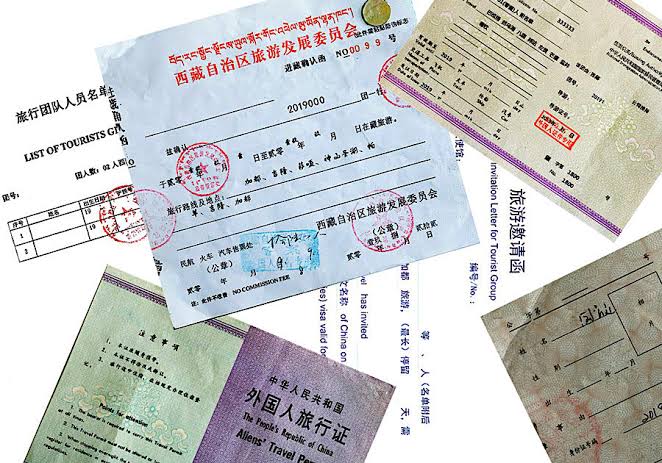
The Tibet entry permit for the Friendship Highway Lhasa to Kathmandu itinerary serves as the core legal document allowing foreign tourists to travel through restricted highway zones in western Tibet, including Tingri, Gyirong, and all border areas along the Sino-Nepal Friendship Highway. Together with a valid passport, Nepal tourist visa, and certified international driver documents, this permit forms the full paperwork package required for a legal and smooth border crossing. Travelers are advised to submit their application 15 to 20 days before departure to avoid last-minute travel disruptions.
Essential Travel Tips for Friendship Highway Lhasa to Kathmandu Driving
1. Border Documents & Permits
Cross-border driving requires complete legal documents. International travelers need a valid passport, Nepal visa, and Tibet entry permit. Self-drive visitors must prepare vehicle crossing documents and driver’s license certification. All permits need to be applied for in advance, as on-site application at the border is not available. Confirm document validity 1–2 weeks before departure to avoid travel delays.
2. Altitude Sickness Prevention
Most sections of the Friendship Highway are above 4,000 meters. Strictly follow the gradual altitude ascent schedule, avoid strenuous exercise in high-altitude areas, and carry altitude sickness relief medicine, warm jackets, sunscreen, and lip balm. Drink plenty of water and avoid alcohol to adapt to the highland environment smoothly.
3. Road & Driving Conditions
The Tibet section of the Friendship Highway features flat asphalt roads with good traffic conditions. The Nepal section has more mountain bends, narrow road sections, and occasional road repairs. Drive slowly and cautiously, especially in foggy or rainy weather. Self-drive travelers are recommended to choose SUVs with good off-road performance and check vehicle condition fully before departure.
4. Accommodation & Catering
Lhasa, Shigatse, and Gyirong Town have complete high-quality hotels and local restaurants. EBC and Tingri only have basic guesthouses with simple catering. Prepare some dry food and drinking water for remote road sections. Local Tibetan and Nepali cuisines are distinctive, suitable for travelers who love food exploration.
FAQ
Q: How long does it take to drive Friendship Highway Lhasa to Kathmandu?
A: The full Friendship Highway Lhasa to Kathmandu driving itinerary normally takes 5‑7 days, including sightseeing and altitude acclimatization.
Q: What documents do I need for Lhasa‑Kathmandu Friendship Highway road trip?
A: You need passport, Nepal visa, Tibet entry permit and relevant border crossing documents before arrival at Gyirong‑Kerung border.
Final Thoughts
The Friendship Highway Lhasa to Kathmandu driving itinerary is far more than a standard cross-border road trip; it is an unparalleled trans-Himalayan journey that connects two unique cultures, diverse ecosystems, and breathtaking natural wonders. Spanning from the spiritual ancient city of Lhasa on the Tibetan Plateau to the cultural capital Kathmandu of Nepal, this overland route allows travelers to witness dramatic geographical changes, from snow-capped giant Himalayan peaks and sacred highland lakes to lush tropical valleys and authentic rural settlements. Every mile of the highway hides unique scenery and touching cultural stories, making it a bucket-list adventure for global road trip lovers, hiking enthusiasts, and cultural explorers.
By mastering the best time to drive Friendship Highway Lhasa to Kathmandu, preparing the required tibet entry permit for the Friendship Highway Lhasa to Kathmandu itinerary, and following professional gyirong border crossing Lhasa to Kathmandu driving tips, travelers can completely avoid common risks such as bad weather delays, document rejection, and border congestion. Every mile of the highway hides unique scenery and touching cultural stories, making it a bucket-list adventure for global road trip lovers, hiking enthusiasts, and cultural explorers.
Whether you are traveling alone, with friends, or on a family adventure, this fully optimized 7-day guide provides all the practical information you need to arrange your trip reasonably and enjoy a safe, wonderful, and in-depth Himalayan journey. If you are looking for a unique overland travel experience in 2026, this classic Friendship Highway road trip will definitely exceed your expectations, leaving you with precious lifelong travel memories of the grand and magnificent Himalayan region.