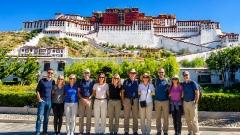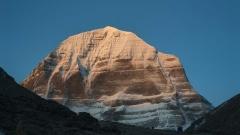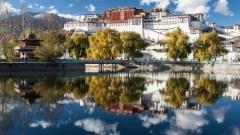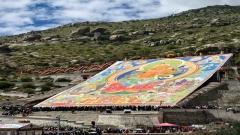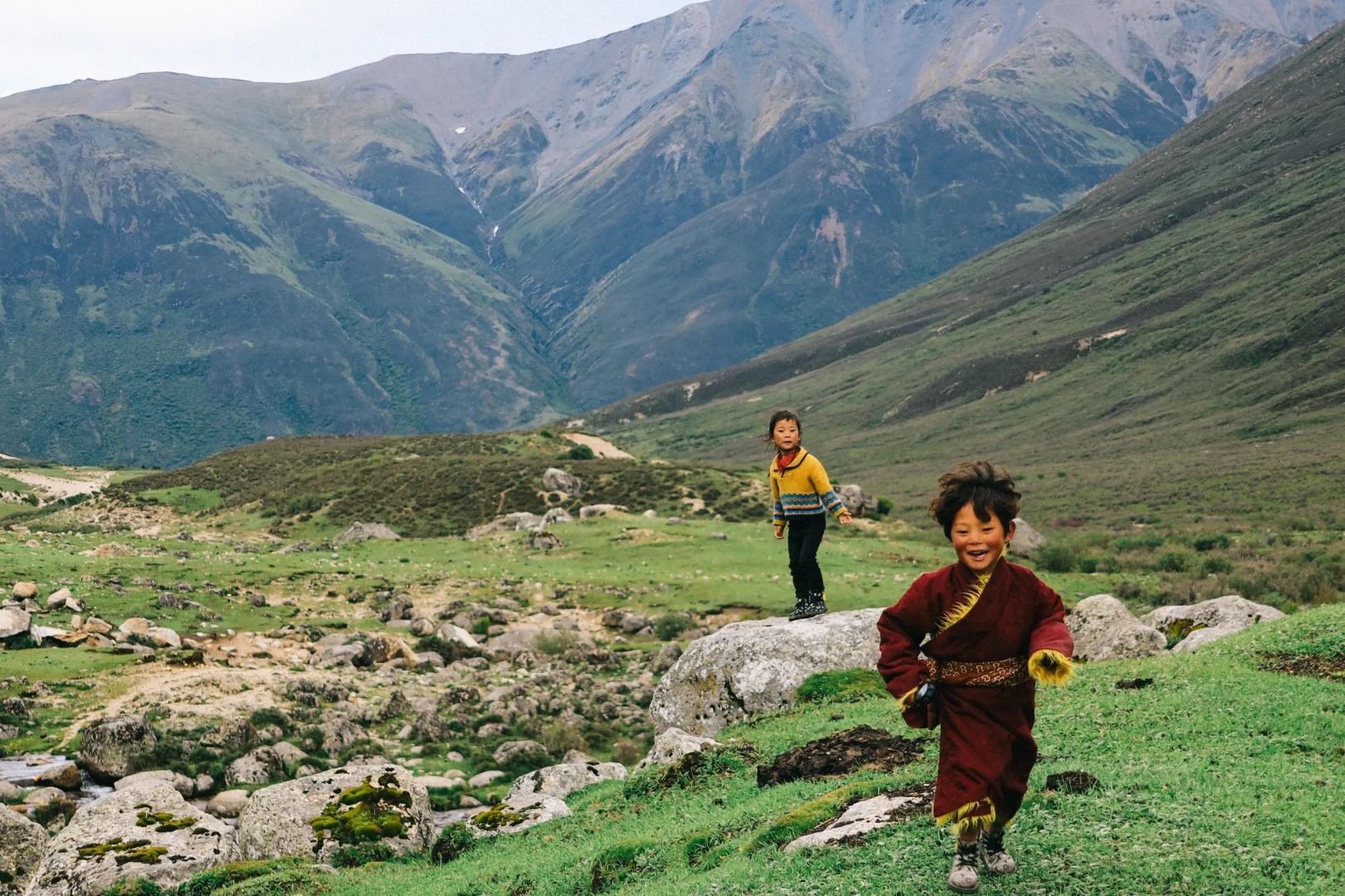

When considering a trip to Tibet during the rainy season, many travelers hesitate, worried that persistent rain might spoil their views and photos. However, the rainy season on the Qinghai-Tibetan Plateau is vastly different from the prolonged, dreary monsoons found in coastal regions. During this time, Tibet’s mountains turn lush green, surrounded by mystical clouds and rainbows. This guide breaks down Tibet’s rainy season weather patterns, advantages, and crucial travel safety advice!
Key Takeaways
- Night Rain Pattern: Tibet’s rainy season spans from late June to late August. However, monsoon rains occur mostly at night (70%–80% night rain rate), leaving most daytime hours clear or overcast, which minimizes disruptions to sightseeing.
- Peak Oxygen Levels & Lush Landscapes: Abundant summer rainfall encourages dense vegetation growth, resulting in the highest oxygen levels and humidity of the year, which significantly reduces the risk and severity of altitude sickness.
- Road Safety as Top Priority: Rain increases the risk of rockfalls, landslides, and mudslides along mountain routes like the Sichuan-Tibet Highway (G318) and remote valleys. Always allow extra buffer time and check road conditions regularly.
- Essential Waterproof Gear: Pack a waterproof windbreaker (Gore-Tex shell), non-slip waterproof hiking boots, multiple warm layers (layering strategy), and strong UV protection.
When is Tibet’s Rainy Season? Understanding the “Night Rain” Phenomenon
Tibet’s rainy season generally begins in late June and lasts through late August or early September, with July and August seeing the highest rainfall and warmest temperatures.
70%–80% Nighttime Rainfall: Driven by warm, moist air masses from the Indian Ocean traveling north along the Yarlung Tsangpo Grand Canyon, rain falls predominantly late at night or during early morning hours.
Clear Daytime Sightseeing: Once the sun rises, clouds frequently dissipate, giving way to clear skies, sunny intervals, or scattered afternoon showers. As a result, daytime sightseeing is rarely rained out completely.
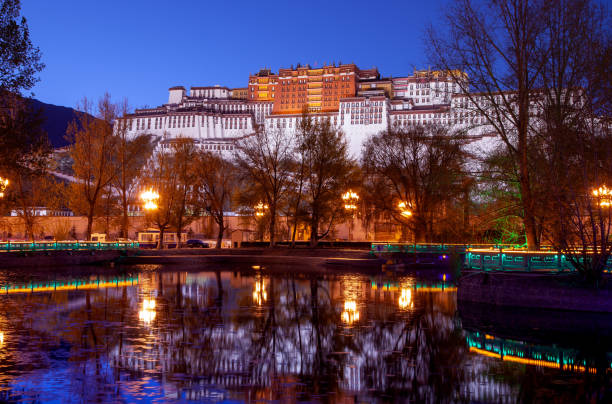
Advantages of Visiting Tibet During the Rainy Season
Highest Oxygen Levels & Lowest Risk of Altitude Sickness: Rainfall nourishes abundant plant life across valleys and mountain slopes. Moist air and peak oxygen levels help relieve dryness and ease altitude sickness symptoms.
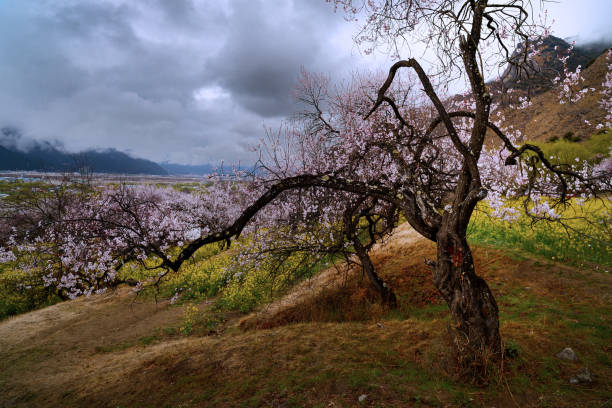
Vibrant Green Valleys & Mystical Cloud Seas: Regions like Nyingchi, Bomi, and Shannan turn vibrant green. After a rainfall, sea-of-cloud formations drift across mountain peaks, creating magical, ethereal landscapes.
Cool & Refreshing Summer Escape: While lowland cities suffer from scorching heatwaves, daytime temperatures in Tibet average a comfortable 15°C to 22°C (59°F–72°F).
Critical Precautions & Safety Tips for Rainy Season Travel
While rainy season landscapes are captivating, changing weather brings terrain challenges that require careful preparation. Keep these four safety rules in mind:
Road Conditions & Transport Safety (Most Critical)
Beware of Rockfalls & Landslides: Rain increases the risk of rockfalls, mudslides, and road washouts along mountain highways like G318 (Sichuan-Tibet) and G214 (Yunnan-Tibet), as well as roads to Medog and Bomi. Drive cautiously and avoid stopping near landslide warning signs.
Build Buffer Time into Your Schedule: Road repairs following minor landslides can take several hours. Always build 1 to 2 buffer days into your itinerary and monitor local highway notices.
Hire Experienced Drivers & 4WD Vehicles: If booking a private tour or self-driving, choose a high-clearance 4WD SUV and an experienced driver skilled in navigating high-altitude mountain passes in rainy conditions.
Unpredictable Weather & Waterproof Gear
Windproof & Waterproof Outer Layers: Plateau rain often comes with high mountain winds, making umbrellas impractical. Wear a waterproof jacket with a reliable membrane (e.g., Gore-Tex).
Don’t Forget Warm Layers: Despite being summer, rain drops temperatures rapidly by 10°C or more within minutes. Keep a fleece jacket or light down jacket in your daypack to prevent catching a chill.
Waterproof Footwear: Wet grass and mud make trails slippery. Wear waterproof, non-slip hiking boots and pack extra pairs of dry, warm socks.
Managing Sightseeing Expectations
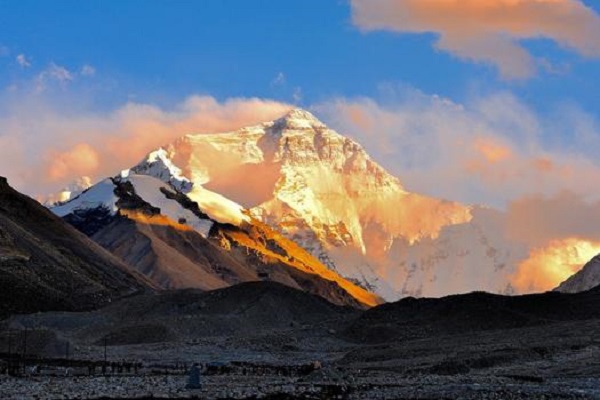
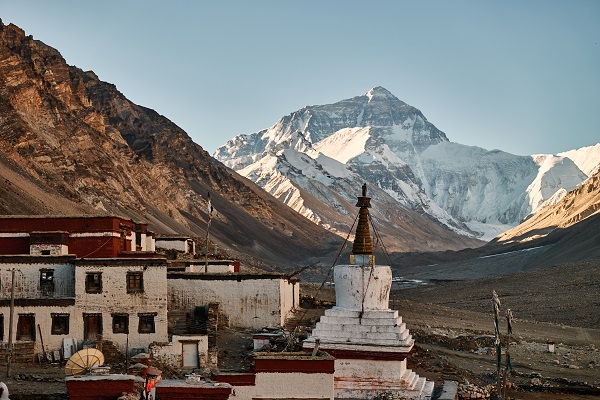
Visibility at High Altitudes: Heavy moisture means snow peaks like Mt. Everest, Mt. Namcha Barwa, and high lakes like Namtso may be obscured by clouds. Embrace the atmospheric, misty views rather than expecting clear mountain summits every day.
Water Clarity at Lakes: Heavy runoff can temporarily carry sediment into certain lakes (like Yamdrok Lake), making shoreline waters murky until clear skies return.
UV Protection, Insect Repellent & Health Precautions
Sunscreen is Still Mandatory: Thick clouds do not block high-altitude UV rays. Continue applying SPF 50+ sunscreen and wear UV-blocking sunglasses.
Insect & Leeches Protection: Low-altitude rainforest areas (like Medog and parts of Bomi/Nyingchi) see increased mosquito and leech activity in rainy months. Wear long sleeves, high socks, and bring insect repellent.
Preventing Colds: Getting soaked in cold rain is a primary trigger for severe altitude sickness or pulmonary issues. Change into dry clothes immediately if you get wet, and drink warm tea or hot water to stay warm.