
✨ Highlights
- 🗻 Essential altitude‑sickness guidance for your overland from Kathmandu to Lhasa trip via Gyirong Port
- 📊 Clear altitude profile along the Kathmandu to Lhasa overland tour, covering border passes and overnight elevations
- 🎒 Practical pre‑departure checklist: fitness adjustment, medication packing and mental preparation for the overland trip from Kathmandu to Lhasa
- ⛰️ Golden acclimatization rule “travel high, stay low” tailored to the Kathmandu‑Lhasa overland journey
- 💧 Science‑backed diet, hydration and daily living advice when you travel overland from Kathmandu to Lhasa
- 🚶 Easy‑to‑follow symptom checklist: distinguish mild altitude discomfort from severe AMS with step‑by‑step emergency solutions
Traveling overland from Kathmandu to Lhasa is one of the most iconic Himalayan journeys, offering unbeatable views of snow‑capped peaks, remote mountain valleys, and authentic Tibetan and Nepalese cultural landscapes. However, this cross‑border road trip features drastic altitude changes, making altitude sickness the biggest safety challenge for all travelers. Whether you are a seasoned backpacker or a first‑time high‑altitude traveler, mastering professional altitude sickness tips for the route is essential to ensure a smooth, safe, and enjoyable trip. This comprehensive guide covers pre‑trip preparation, on‑road acclimatization rules, daily lifestyle tips, symptom identification, and emergency solutions, fully tailored to the unique altitude characteristics of this famous Himalayan crossing.
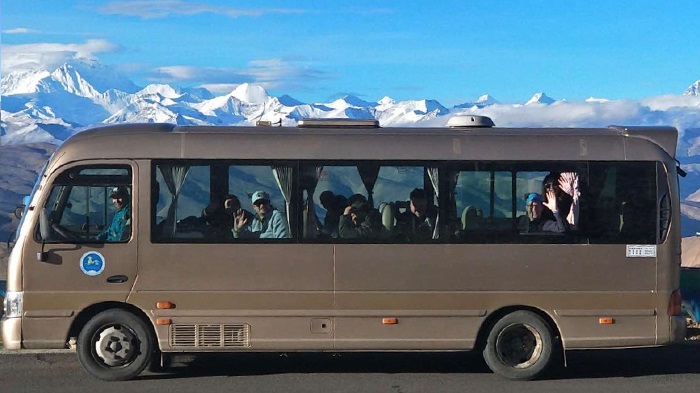
Tibet Travel Vehicles
Understanding Altitude Changes on the Kathmandu to Lhasa Overland Route
To effectively prevent altitude sickness, travelers must first understand the gradual yet sharp altitude elevation trend along the classic Kathmandu to Lhasa overland tour. Starting from Kathmandu, which sits at approximately 1,400 meters above sea level, the air is humid and oxygen‑rich with almost no altitude pressure. As you head north toward the Nepal‑Tibet border, the route climbs steadily, creating a rapid altitude transition that easily triggers acute mountain sickness (AMS).
The mainstream itinerary follows a scientific ascending gradient. Most visitors choose to go Kathmandu to Lhasa via Gyirong port, passing Syabrubesi (2,380m) at the Nepal border, Gyirong Town (2,700m) in Tibet, followed by gradual climbs to Shigatse (4,000m) and finally Lhasa (3,650m). The route’s highest pass exceeds 5,200 meters, where oxygen concentration drops to less than 50% of sea level. Unlike direct flights to Lhasa, the overland trip from Kathmandu to Lhasa allows slow acclimatization but involves frequent altitude fluctuations and long hours of bumpy driving, which exacerbate physical fatigue and increase altitude sickness risks. Rapid ascent, physical exhaustion, dry cold air, and irregular meals are the four core triggers of altitude sickness on this route.
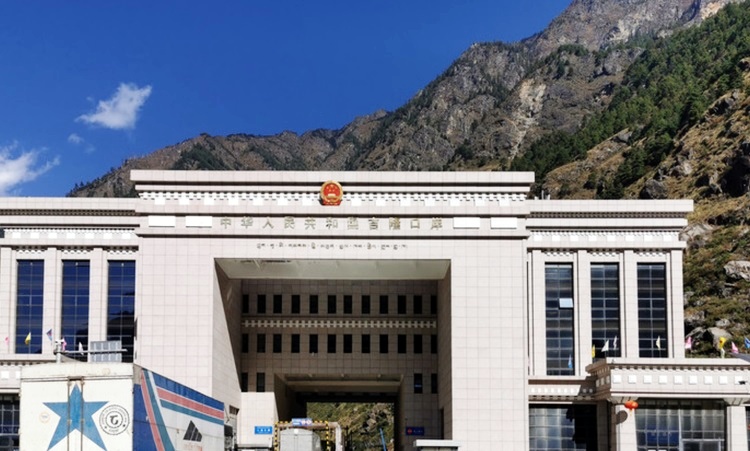
Gyirong port
💡Planning your own overland from Kathmandu to Lhasa trip? Check our ready‑made Kathmandu to Lhasa overland tour packages, covering Gyirong port border formalities, well‑planned acclimatization schedules, experienced local guides and comfortable vehicles for a worry‑free Himalayan crossing. [View Our Nepal‑Tibet Overland Itinerary >>]
Day 1: Kathmandu to Gyirong-Crossing the Border into Tibet
Day 2: Gyirong Valley-Hike to Milarepa Cave
Day 3: Gyirong to Tingri: visit Everest Base Camp
Day 4: Tingri to Shigatse: G318 Milestones & Tashilhunpo Monastery
Day 5: Shigatse to Lhasa: Karola Glaciers, Yamdrok Lakes & Historic Highway
Day 6: Lhasa Tour City Tour: visit Drepung Monastery and Sera Monastery
Day 7: Lhasa Tour City Tour: Explore The Potala Palace, Jokhang Temple & Barkhor Street
Day 8: Lhasa Departure
Pre-Trip Preparation: Best Precaution for Altitude Sickness
Effective altitude sickness prevention for your Kathmandu-Lhasa overland journey starts days before departure, rather than on the road. Many travelers underestimate altitude risks and rush into high‑altitude areas without preparation, leading to severe physical discomfort that ruins the entire journey.
First, complete physical conditioning 3–5 days before departure. Avoid strenuous exercise such as running, hiking, and fitness training, as excessive muscle consumption will reduce the body’s oxygen reserve. Keep a regular schedule, avoid staying up late, and ensure sufficient physical strength. People with cardiovascular diseases, severe anemia, and respiratory diseases are not recommended to take this overland route, as high altitude may aggravate underlying conditions.
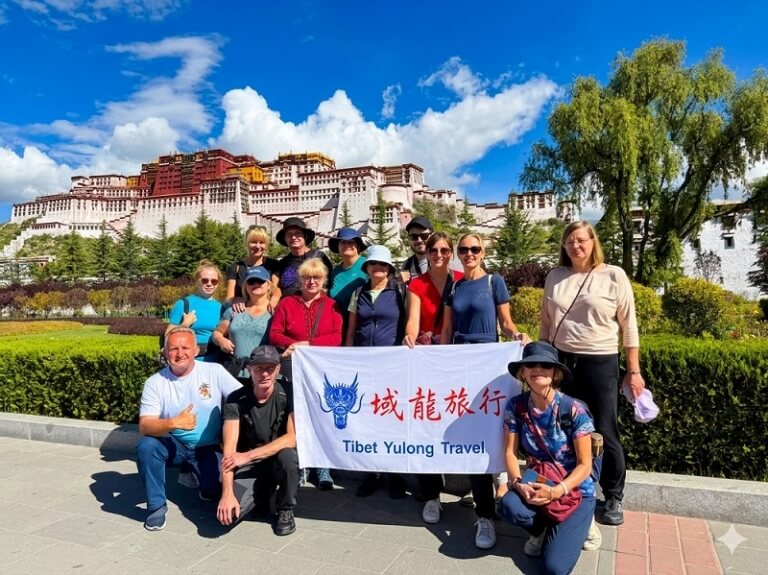
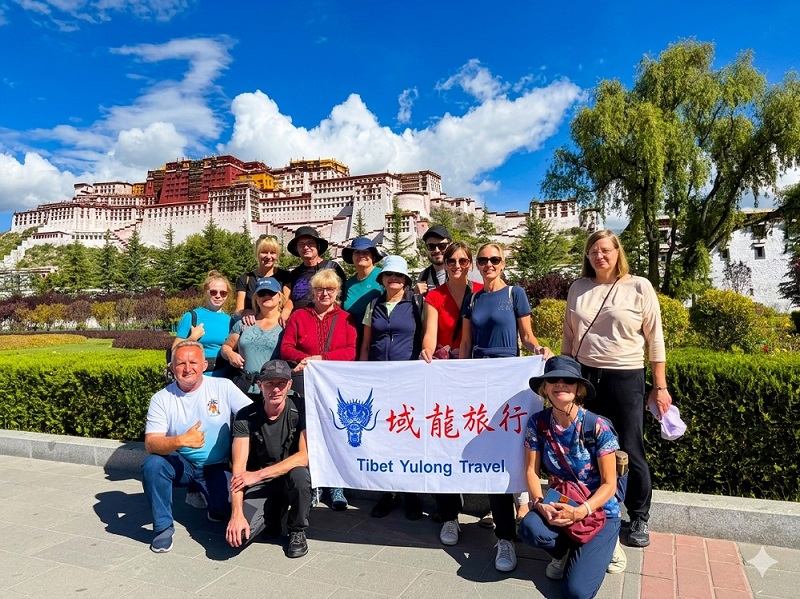
Tibet Tourists
Second, prepare essential altitude sickness supplies. Common preventive medicines include Rhodiola rosea (taken 3 days in advance to improve oxygen adaptability), ibuprofen for altitude headaches, and glucose oral liquid to replenish energy. It is necessary to carry a portable mini oxygen tank for emergency use, but avoid blind oxygen inhalation in the early acclimatization stage, as it will hinder the body’s natural adaptation. In addition, prepare moisturizing skin care products, lip balm, and warm clothes, because the high-altitude Himalayan section is dry and cold, and dehydration and colds are important inducements of altitude sickness.
Finally, adjust your mental state. Fear and anxiety will accelerate breathing and heart rate, increasing oxygen consumption and inducing altitude reactions. Maintain a positive and relaxed attitude, and understand that mild altitude discomfort is a normal physiological reaction of the body adapting to low oxygen, which can be relieved through scientific adjustment.
On-Road Acclimatization Rules: Core Tips to Avoid Altitude Sickness
The most critical principle when you travel overland from Kathmandu to Lhasa is “travel high, stay low”, which is the golden rule recognized by professional mountaineering and high‑altitude travel institutions. Combined with the route characteristics, we have summarized targeted acclimatization tips suitable for self‑driving and group tour travelers.
Adhere to a gradual altitude ascent rhythm. Do not pursue fast progress. It is recommended to arrange overnight stays at low-altitude areas such as Syabrubesi and Gyirong Town in the early stage of entering Tibet to let the body adapt to the altitude below 3,000 meters first. After exceeding 3,000 meters above sea level, the daily sleeping altitude increase should not exceed 300 meters, and avoid staying overnight at altitudes above 4,500 meters. This slow ascent mode can greatly reduce the probability of acute altitude sickness.
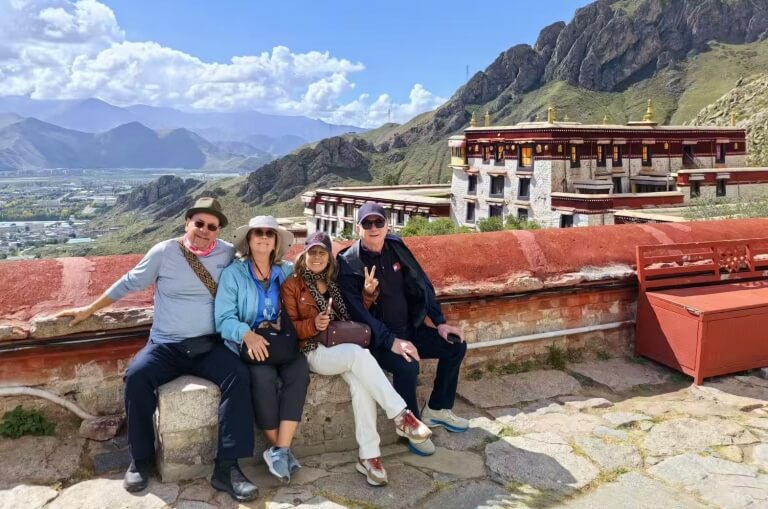
Control physical activity strictly during the journey. Long-distance driving is tiring, but travelers must avoid walking fast, running, taking heavy luggage, and excessive sightseeing activities in the first 3 days of entering high-altitude areas. Try to keep slow movements and rest frequently. Many travelers ignore minor fatigue, and accumulated physical consumption will suddenly trigger severe altitude reactions such as dizziness, nausea, and vomiting.
Arrange a reasonable rest schedule. Do not drive continuously for a long time. Stop every 2 hours to get off the car for gentle activities and breathe fresh air. Ensure adequate sleep every night. Insomnia is a common altitude reaction, but do not stay up late to play with mobile phones. Poor sleep will directly reduce the body’s altitude adaptability and induce altitude sickness.
Diet and Daily Habit Tips for Altitude Adaptation
Diet and daily habits directly affect the body’s oxygen metabolism and adaptation efficiency and are indispensable altitude sickness tips for your Kathmandu Lhasa overland journey. High‑altitude air is dry, and human respiratory acceleration will cause massive water loss, making hydration the top priority of daily adaptation.
Drink 3–4 liters of warm water every day, and keep your urine clear or light yellow, which is the standard of sufficient water intake. Avoid drinking a large amount of beverage, coffee, and strong tea, which will accelerate dehydration and nerve excitement. It is strictly forbidden to drink alcohol and smoke in the first week of entering high altitude. Alcohol will dilate blood vessels, aggravate oxygen deficiency, and greatly increase the risk of severe altitude sickness and high-altitude pulmonary edema.
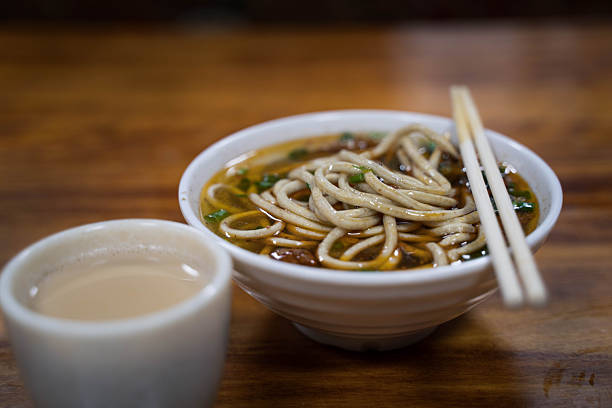
Tibetan Butter Tea and Tibetan Noodles
In terms of diet, high altitude will slow down human gastrointestinal peristalsis and reduce digestive capacity. Travelers should adhere to the principle of eat light, eat frequently. Prioritize carbohydrate-rich and easy-to-digest foods such as rice, noodles, porridge, and soup, which can quickly replenish energy and reduce physical consumption. Avoid greasy, spicy, and overfull meals, as indigestion will increase the burden on the body and aggravate altitude discomfort. Appropriately eat fruits and vegetables to supplement vitamins and maintain physical vitality.
Symptom Identification and Emergency Treatment of Altitude Sickness
Mastering symptom identification and emergency treatment is the final guarantee for safe overland from Kathmandu to Lhasa. It is necessary to distinguish between mild adaptive reactions and severe pathological altitude sickness to avoid missing the best treatment time.
Mild altitude sickness symptoms are normal adaptive reactions, including mild headache, dizziness, fatigue, poor appetite, and slight insomnia. These symptoms usually appear within 6–12 hours after entering high altitude and can be relieved in 1–2 days through adequate rest, hydration, and light diet. Do not panic or take medicine blindly when mild symptoms appear.
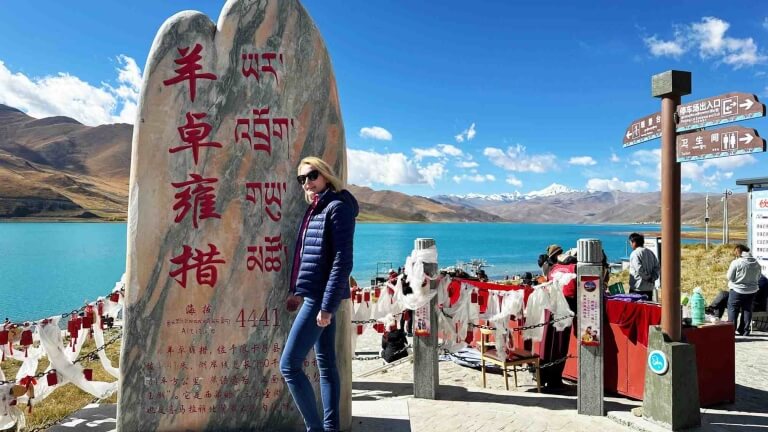
Guests at Yamdrok Lake
Once severe altitude sickness symptoms occur, immediate measures must be taken. Severe symptoms include persistent severe headache that cannot be relieved by painkillers, frequent vomiting, difficulty breathing at rest, chest tightness, blurred vision, and extreme fatigue. At this time, stop all activities immediately, inhale oxygen appropriately, and rest in place. If the symptoms do not improve within 2–3 hours, descend to a lower altitude (below 3,000 meters) as soon as possible and seek professional medical treatment.
It is worth noting that altitude sickness can occur repeatedly. Even if you adapt well in the early stage, excessive exercise, colds, or poor rest in the later stage may trigger reactions. Therefore, travelers need to maintain adaptive habits throughout the whole journey until they arrive in Lhasa and fully adapt to the 3,650-meter altitude.
Final Travel Reminders
The overland from Kathmandu to Lhasa crossing is breathtaking and unforgettable, but safety always comes first. Altitude sickness is not terrifying. As long as you follow scientific prevention rules, make adequate pre‑trip preparations, adhere to slow ascent and sufficient rest, maintain healthy diet and living habits, and correctly identify symptom changes, you can effectively avoid all high‑altitude risks. These professional altitude sickness tips will help every traveler cross the Himalayas safely and smoothly, and finally embrace the holy scenery of Lhasa.