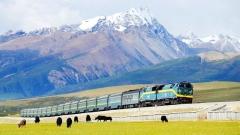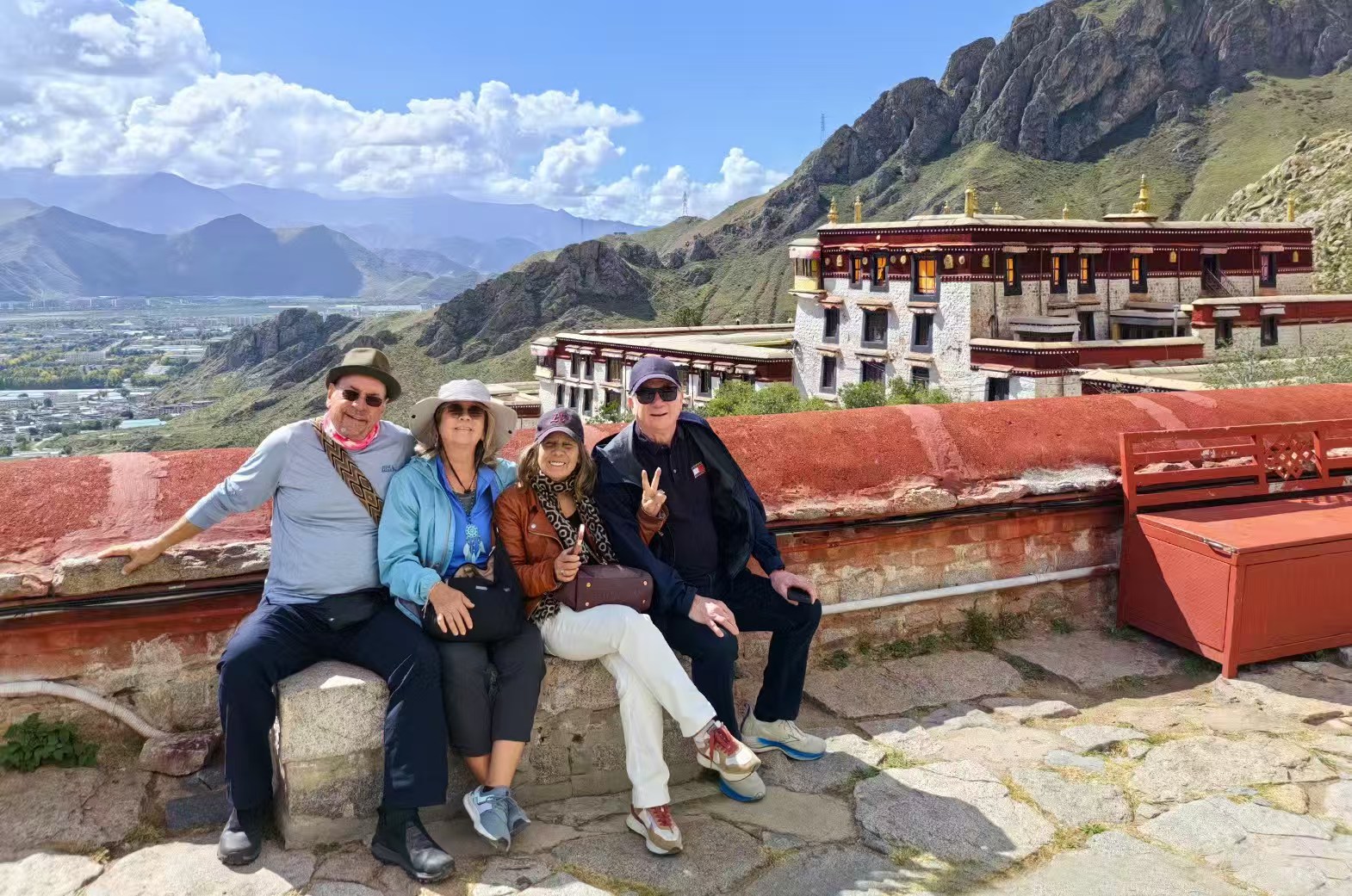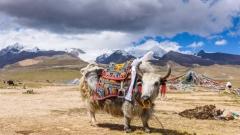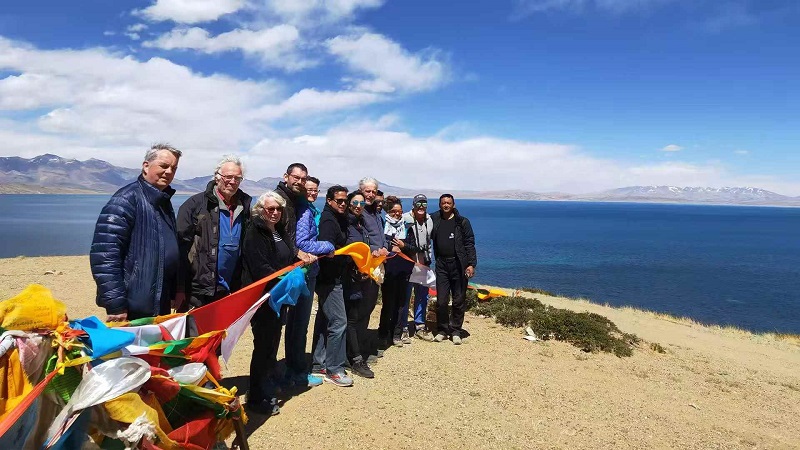

If summer in Tibet is a refreshing escape, autumn (September to November) is an artistic masterpiece of rich colors and dramatic mountain landscapes. As the rainy season draws to a close, crisp mountain air clears the skies, uncovering sharp snow-capped peaks. Golden birch forests, scarlet shrubs, and turquoise sacred lakes intertwine to create breathtaking vistas. This guide covers the advantages, top destinations, classic itineraries, and practical tips for visiting Tibet in autumn!
Key Takeaways
- Pleasant Weather & Vibrant Colors: Autumn (September to November) brings Tibet’s most stable and crisp weather as the monsoon season ends. Nyingchi’s colorful forests contrast dramatically with deep blue lakes, creating the most visually stunning season of the year.
- Prime Peak Visibility: Clear autumn skies offer the highest chance of seeing the elusive Mt. Namcha Barwa, witnessing a golden sunset over Mt. Everest, and driving along the remote Ali Grand Loop.
- Golden Route Choice: The recommended 8-day loop combines cultural highlights and natural wonders: Lhasa ➔ Nyingchi (Basum Tso / Lulang / Yarlung Tsangpo Grand Canyon) ➔ Yamdrok Lake ➔ Shigatse ➔ Everest Base Camp ➔ Lhasa.
- Layered Clothing Essential: Large temperature swings between day and night (around 15°C daytime down to below 0°C at night) require a multi-layered outfit (3-in-1 windproof jacket, fleece, thermal base layer) alongside heavy-duty sun and moisture protection.
Why Visit Tibet in Autumn? 4 Main Advantages
Clear Skies & Stable Weather: Starting in September, rain subsides and clear skies become the norm. Mild daytime temperatures and comfortable humidity make autumn ideal for outdoor exploring and photography.
Peak Visual Palette: Forests around Nyingchi turn golden yellow and deep red, while rivers and high-altitude lakes reflect vivid shades of emerald and sapphire against gleaming snow-capped peaks.
High Chance of Peak Visibility: With clouds dispersing, iconic mountains like Mt. Namcha Barwa and Mt. Everest frequently show their full grandeur, giving visitors a high probability of witnessing spectacular “golden sunrises and sunsets.”
Fewer Crowds & Better Value: Compared to the peak summer rush in July and August, tourist numbers taper off in autumn, bringing better availability and fairer prices for accommodation, permits, and private tours.
Top Must-Visit Destinations in Autumn
Nyingchi Autumn Foliage & Lulang Forest (Nyingchi Region)
Highlights: Known as the “Jiangnan of Tibet,” Nyingchi transforms into a wonderland of colors during fall. From the emerald waters of Basum Tso to the golden birches and high-mountain spruces of Lulang Forest, every view resembles a classic oil painting.
Autumn Advantage: With a lower average altitude (~3,000 meters) and dense forest cover, Nyingchi offers higher oxygen levels, making it the ideal first stop for gentle acclimatization.
Mt. Namcha Barwa & Yarlung Tsangpo Grand Canyon (Nyingchi Region)
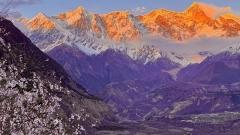
Highlights: Revered as one of China’s most beautiful peaks, Mt. Namcha Barwa is often shrouded in mist. Clear autumn weather dramatically increases your chances of seeing its sharp, ice-clad peak overlooking the canyon’s colorful forests below.
Mount Everest Base Camp (Shigatse Region)
Highlights: Autumn offers one of the best weather windows for visiting Mt. Everest. The journey takes you over the Gyawu La Pass for sweeping views of multiple 8,000-meter Himalayan peaks, ending at Base Camp for stunning sunset views and night stargazing.
Yamdrok Lake & Karola Glacier (Shannan / Shigatse)
Highlights: Under clear fall skies, Yamdrok Lake exhibits a deep sapphire blue. Golden pastures along the shoreline contrast beautifully with distant snow peaks and the glistening ice walls of Karola Glacier.
Ali Grand Loop & Guge Kingdom Ruins (Ngari Region)
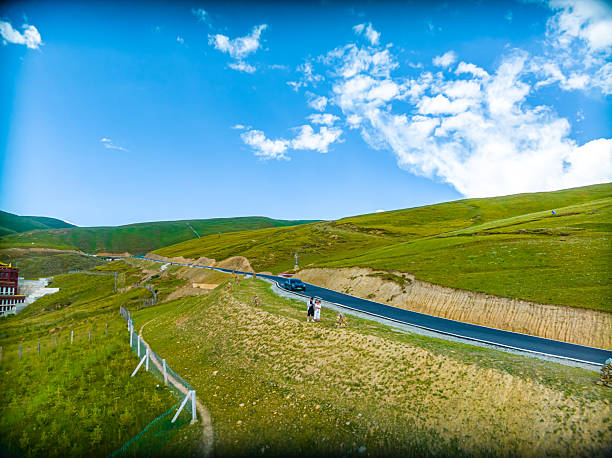
Highlights: September to early October is the golden window for driving the remote Ngari (Ali) circuit. Temperatures remain manageable before heavy winter snows close mountain passes, and the vast Changtang grassland glows golden under the autumn sun.
Classic 8-Day / 7-Night Golden Autumn Itinerary
This classic loop seamlessly balances lower-altitude autumn foliage in Nyingchi with sacred lakes and the grandeur of Mt. Everest:
Day 1: Arrival in Lhasa ➔ Rest and adjust to the altitude and dry air.
Day 2: Lhasa Highlights ➔ Visit Potala Palace ➔ Stroll Jokhang Temple ➔ Enjoy sweet tea on Barkhor Street under the warm autumn sun.
Day 3: Lhasa ➔ Basum Tso ➔ Lulang Forest ➔ Nyingchi ➔ Drive through golden valleys and emerald alpine lakes.
Day 4: Nyingchi ➔ Yarlung Tsangpo Grand Canyon (Mt. Namcha Barwa views) ➔ Tsedang / Yamdrok ➔ Marvel at autumn canyon views and snow-capped peaks.
Day 5: Tsedang ➔ Yamdrok Lake ➔ Karola Glacier ➔ Gyantse ➔ Shigatse ➔ Explore sapphire waters and towering glaciers.
Day 6: Shigatse ➔ Gyawu La Pass ➔ Everest Base Camp ➔ Cross mountain passes to watch sunset over Mt. Everest and stargaze at night.
Day 7: Everest Base Camp (Sunrise) ➔ Tashilhunpo Monastery ➔ Return to Lhasa ➔ Experience Tibetan heritage and dramatic mountain roads.
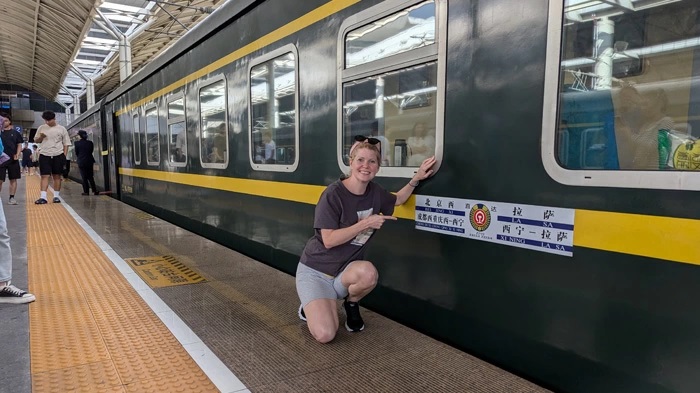
Day 8: Lhasa ➔ Pick up local souvenirs and head to the airport/train station for departure.
Essential Travel & Packing Tips for Autumn
Weather & Layering Guide
Large Temperature Swings: Daytime temperatures in Lhasa and Nyingchi are pleasant (~15°C to 18°C), but drop rapidly to 0°C–5°C after sunset. High-altitude areas like Everest Base Camp or Ali can drop well below -5°C at night.
Recommended Outfit:
Base Layer: Thermal, moisture-wicking underwear.
Middle Layer: Fleece sweater, wool pullover, or light down jacket.
Outer Layer: Windproof and waterproof 3-in-1 shell jacket or heavy winter parka.
Warm Accessories: Mountain winds can be strong; bring a beanie, scarf, insulated gloves, and a windproof face mask to prevent cold winds from triggering altitude headaches.
Altitude Sickness & Health Advice
Pace Yourself: Avoid strenuous exercise or running during your first two days. Keep meals light and stay hydrated.
Showering Precautions: Avoid hot showers during the first night or two to prevent blood vessel dilation that worsens oxygen deprivation, and to avoid catching a cold.
Medication & Hydration: Carry an insulated water bottle for warm water, and pack altitude medication (e.g., Ibuprofen for headaches), cold medicine, and stomach remedies.
Sun Protection & Travel Permits
Sunscreen & Moisture: Autumn UV radiation remains very strong under clear skies. Apply SPF 50+ sunscreen and wear UV-blocking sunglasses. Use heavy moisturizer, lip balm, and saline nasal spray for dry air.
Border Travel Permit: If your itinerary includes Everest Base Camp, Ngari, Medog, or Yadong, make sure to secure a Border Travel Permit in advance.