⭐Highlights:
- 🏔️ Low-altitude & oxygen-friendly routes: Travel relaxed Nyingchi, Bomi and Basum Tso (2700–3000m) with far lower altitude sickness risk for visitors with limited physical fitness.
- 🚗 Fitness-friendly itineraries: Curated 4/8/10-day easy schedules with flat paths, sightseeing shuttles, minimal hiking and gentle plateau adaptation.
- 🌿 Comfortable travel conditions: Mild climate, dense vegetation and short daily driving distances reduce physical fatigue greatly.
- 💡 Practical travel tips: Clear guides for accommodation, transportation, altitude reaction prevention and best visiting seasons for low-fitness travelers.
- ✨ All-round Tibet experience: Enjoy snow mountains, lakes, canyons and authentic Tibetan culture without strenuous exercise.
Many travelers dream of exploring the sacred land of Tibet but give up the plan due to limited physical fitness, advanced age, fear of altitude sickness, or poor exercise tolerance. A common question among hesitant travelers is Is Tibet possible for visitors with limited physical fitness? The answer is absolutely yes. Traditional Tibet travel routes often include high-altitude passes, long-distance driving, and intensive hiking, which are extremely challenging for visitors with weak physical conditions. Fortunately, Tibet boasts abundant low-altitude scenic areas with fresh oxygen, mild climates, flat terrain, and low travel intensity.
These low altitude Tibet itinerary for visitors with limited physical fitness are tailor-made for visitors with limited physical fitness, allowing everyone to enjoy the snow-capped mountains, lakes, and Tibetan customs of Tibet without strenuous exercise and severe altitude reactions. This guide will comprehensively introduce feasible low-altitude Tibet travel routes, core scenic spots, travel tips, and fitness-friendly travel strategies, helping every traveler safely and comfortably complete a wonderful Tibet trip.
Why Low-altitude Tibet Travel Is Perfect for Visitors With Limited Physical Fitness
Most tourists’ misunderstanding of Tibet travel is that the entire region is high-altitude and oxygen-deficient, requiring strong physical strength to visit. In fact, the southeastern part of Tibet represented by Nyingchi, Bomi, and Basum Tso is known as the “Jiangnan of Tibet”, with an average altitude of 2700-3000 meters, far lower than the average altitude of Lhasa and northern Tibet. These are the ideal low altitude places to visit in Tibet for beginners and low-stamina travelers. This series of low-altitude areas has unique advantages for travelers with limited physical fitness, solving the core pain points of traditional Tibet travel.
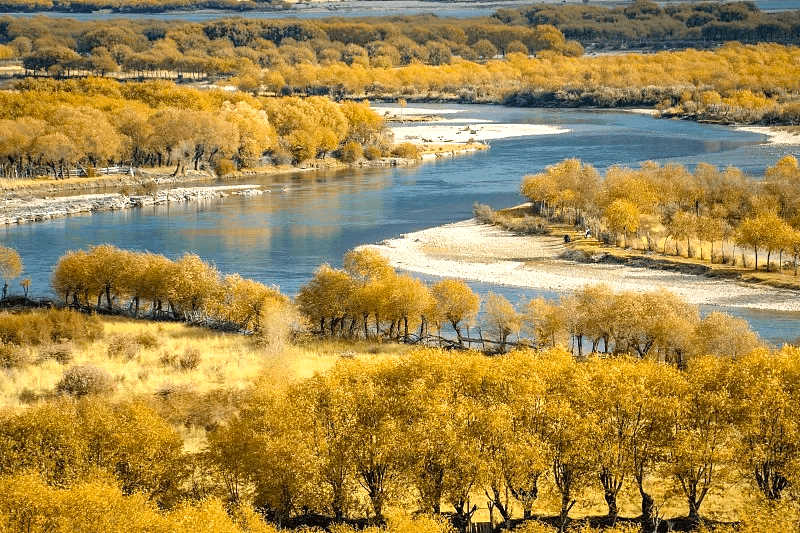
Scenery of the Nyang River in Nyingchi
First of all, the oxygen content in low-altitude areas is sufficient. The oxygen concentration in Nyingchi and Bomi is more than 80% of the plain area, which greatly reduces the probability of altitude sickness, realizing Tibet travel with low altitude sickness risk. There is no need to endure headaches, dizziness, and shortness of breath caused by severe hypoxia, and the body can adapt to the Tibetan plateau environment quickly and gently. Secondly, the terrain of low-altitude scenic spots is flat and gentle. Most core scenic areas have flat walking paths, sightseeing buses, and convenient transportation, eliminating the need for long-distance hiking, climbing steep slopes, or crossing high-altitude passes, which greatly reduces physical consumption.
In addition, the travel rhythm of low-altitude routes is relaxed and slow. Unlike intensive classic routes that rush to visit multiplescenic spots a day, low-altitude itineraries focus on experience rather than speed. The driving distance per day is short, the schedule is loose, and there is enough rest time, which is very friendly for the elderly, people with poor cardiopulmonary function, and travelers who lack long-term exercise. It is widely regarded as the best Tibet trip for elderly travelers seeking comfort and safety. Finally, the climate in low-altitude Tibet is mild and pleasant. Affected by the Indian Ocean monsoon, these areas have abundant vegetation, humid air, no severe cold and dryness of high-altitude areas, and a comfortable travel environment, further reducing the physical burden on tourists.
Classic Low-altitude Tibet Itineraries for Limited Physical Fitness (3-7 Days)
Based on the physical tolerance of ordinary tourists with limited physical fitness, we have sorted out three mainstream low-altitude travel itineraries with different durations, covering short-term leisure and in-depth experience. All routes adopt a gradual altitude adaptation mode, with low travel intensity and no strenuous exercise, which is suitable for most weak physical groups. Mastering scientific adaptation methods is the key to avoid altitude sickness on a gentle Tibet trip.
4-Day Lhasa Leisure Cultural Tour (Most Suitable for First-Time Visitors)
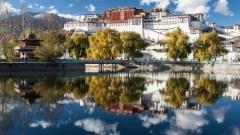
This 4-day short route focuses on Lhasa urban scenic spots with low altitude (3650m), complete supporting facilities and flat roads, which is the safest choice for travellers visiting Tibet for the first time. The itinerary has no long-distance driving, sufficient rest time, and focuses on experiencing core Tibetan culture.
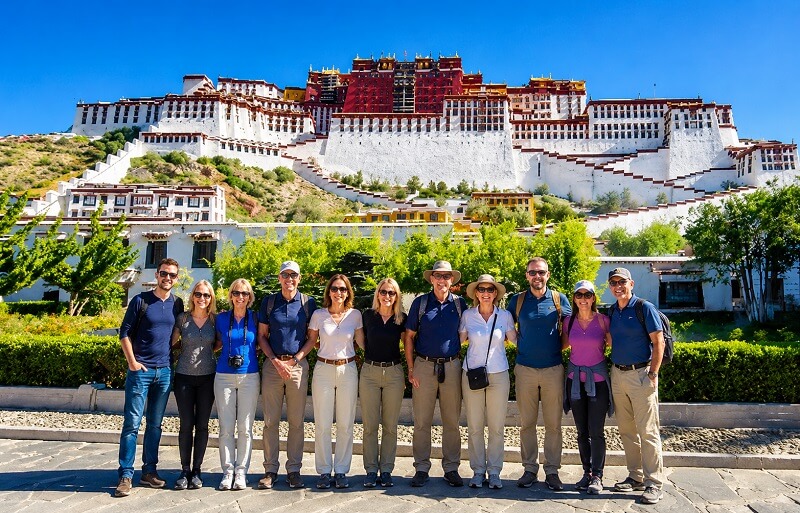
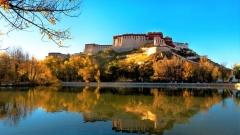
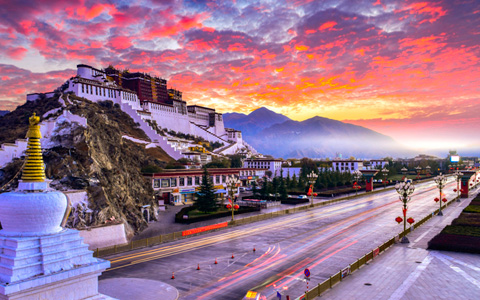
Potala Palace in Summer
Day 1: Arrival in Lhasa
Day 2: Drepung Monastery – Sera Monastery
Day 3: Potala Palace – Jokhang Temple – Barkhor Street
Day 4: Depart from Lhasa
Day 1: Arrive in Lhasa + Altitude Adaptation
Met by local guide with traditional khata scarf upon airport / train‑station arrival, transferred to downtown hotel. Focus on altitude acclimatization and rest. Briefing covering travel tips and local cultural etiquette in the evening
Day 2: Lhasa Monastery Tour: Drepung Monastery – Sera Monastery
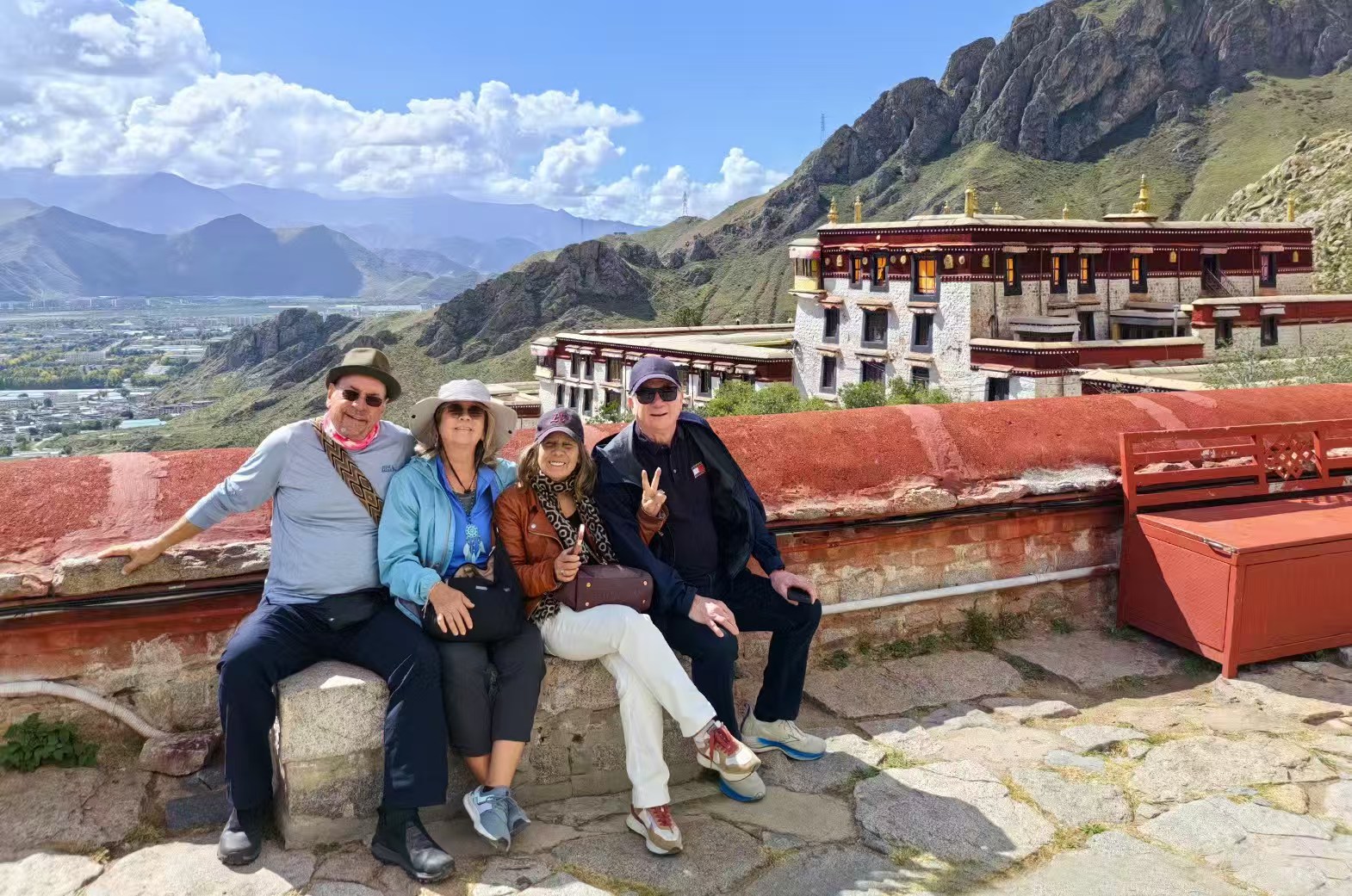
Visit Drepung Monastery, once Tibet’s largest monastic site, to learn about Tibetan Buddhism history. Explore Loseling Buddhist College to observe monks’ daily study. In the afternoon tour Sera Monastery; catch the famous monk debate session (Mon‑Sat around 15:00). End the day with a welcome Tibetan‑style dinner.
Day 3: Potala Palace – Jokhang Temple – Barkhor Street
Tour Potala Palace for its historic relics and panoramic city views, stop by Dragon King Pool Park. Afternoon visit Jokhang Temple, the spiritual heart of Tibet, then stroll Barkhor Street for the kora circuit. Relax in a local Tibetan teahouse to experience everyday Lhasa life.
Day 4: Departure from Lhasa
Provide flight / train information in advance. Guide arranges transfer to airport or railway station to complete the tour.
8-Day In-depth Experience Itinerary: Gradual Adaptation of Humanities and Nature
This classic 8‑day Tibet loop covers three iconic highlights: Yamdrok Lake, Everest Base Camp and Namtso Lake. It connects Shigatse, Tashilhunpo Monastery and Karola Glacier, combining sacred highland lakes, snow peaks and ancient Tibetan monasteries. It is ideal for overseas travellers with enough time who wish to experience Tibet’s most representative scenery and culture in one trip.
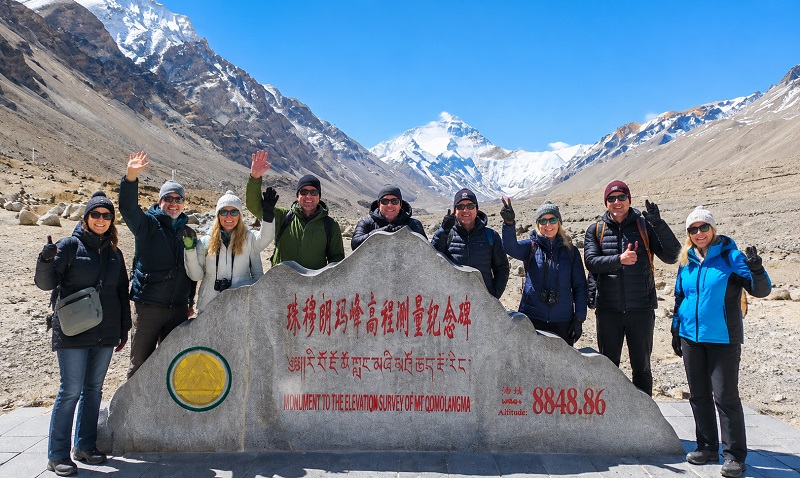
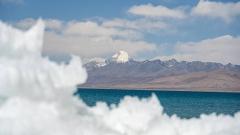
Everest Base Camp
Day 1: Arrive in Lhasa: Airport/Train Station Pick-up & Hotel Check-in
Day 2: Discover Lhasa – Potala Palace, Jokhang Temple & Barkhor Street
Day 3: Lhasa to Shigatse: Yamdrok Lake, Karola Glacier
Day 4: Shigatse to Everest Base Camp: Gyatso La, Gyawu La, Sunset at Everest
Day 5: Everest Base Camp to Shigatse: Mt. Everest Sunrise
Day 6: Shigatse – Tashilhunpo Monastery – Lhasa
Day 7: Lhasa to Namtso and Back: Namtso Lake, Northern Tibet Grasslands
Day 8: Lhasa Departure: Transfer to Airport or Train Station
Day 1: Arrive in Lhasa
Greeted by local guide & driver at airport / railway station, transferred to downtown hotel. Full‑day rest for altitude acclimatization at 3,650 m.
Day 2: Lhasa City Highlights
Visit Potala Palace (UNESCO site), enjoy complimentary afternoon‑tea nearby. Tour Jokhang Temple and stroll Barkhor Street to experience local pilgrim culture. End with Tibetan welcome dinner.
Day 3: Lhasa – Yamdrok Lake – Karola Glacier – Shigatse
Drive westwards. Sight‑see turquoise Yamdrok Lake and massive Karola Glacier. Pass historic Gyantse town, check‑in Shigatse for overnight stay.
Day 4: Shigatse – Tingri – Everest Base Camp
Cross Gyatso La Pass (5,220 m) into Everest National Nature Reserve. Visit Rongbuk Monastery, then reach Everest Base Camp (5,200 m) for close‑up views of Mount Everest. Enjoy special Everest hot‑pot dinner.
Day 5 Everest Base Camp – Shigatse
Watch sunrise over Everest golden summit if weather permits. Return by road to Shigatse for overnight rest.
Day 6: Shigatse – Tashilhunpo Monastery – Lhasa
Explore Tashilhunpo Monastery, home to the giant 26‑meter Maitreya Buddha statue. Drive back to Lhasa via Yarlung Tsangpo Valley.
Day 7: Lhasa – Namtso Lake – Northern Tibet Grasslands – Lhasa
Cross Nagenla Pass (5,190 m) to Namtso Lake, one of world’s highest salt‑water lakes. Drive across vast Northern Tibet Grasslands with views of Nyainqentanglha Range, return to Lhasa.
Day 8: Departure from Lhasa
Guide arranges transfer to airport or railway station according to your flight/train schedule. Tour concludes.
Itinerary 3: 10 Days Tibet Autumn Tour: Visit Nyingchi, Lhasa, Bomi and More
Nyingchi is known as the “Jiangnan of Tibet”, with an average altitude of only 2900 meters, lush vegetation and high oxygen content, which is the most friendly area for travellers with sensitive altitude reactions. This route focuses on ecological scenery, with mild climate and low altitude reaction risk.
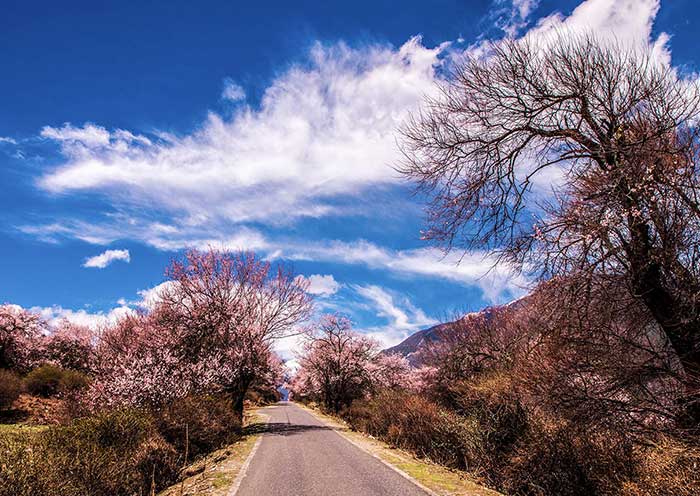
Peach Blossoms in Bomi
Day 1: Arrive in Chengdu
Day 2: Chengdu-Nyingchi-Mount Namcha Barwa-Lulang
Day 3: Lulang-Bomi-Midui Glacier-Bomi
Day 4: Bomi-Rangchu Glacier-Mount Namcha Barwa-Lulang-Nyingchi
Day 5: Nyingchi – Basomtso Lake – Lake Island – Lhasa
Day 6: Lhasa: Potala Palace – Jokhang Temple – Barkhor Street
Day 7: Lhasa – Kambala Pass – Yamdrok Lake – Lhasa
Day 8: Lhasa – Namtso Lake – Northern Tibetan Grassland – Lhasa
Day 9: Lhasa – Qinghai-Tibet Soft Sleeper Train
Day 10: Arrive in Xining at 8 AM – Fly to Chengdu at noon
Day 1 Arrive in Chengdu
Arrive Chengdu and check‑in hotel on your own, relax before Tibet adventure.
Day 2: Chengdu‑Nyingchi‑Mt Namcha Barwa‑Lulang
Fly to low‑altitude Nyingchi. Explore Yarlung Zangbo Grand Canyon area, admire Mt Namcha Barwa snow peak, then drive to Lulang. Taste authentic stone‑pot local food.
Day 3: Lulang‑Bomi‑Midui Glacier‑Bomi
Drive to Bomi. Visit spectacular Midui Glacier with blue‑ice tongue and ice‑waterfalls, return to Bomi for overnight.
Day 4: Bomi‑Rangchu Glacier‑Mt Namcha Barwa‑Lulang‑Nyingchi
Visit raw Rangchu Glacier. Pass by Mt Namcha Barwa again, travel through Lulang forests and return to Nyingchi.
Day 5: Nyingchi – Basomtso Lake – Lhasa
Tour emerald Basomtso Lake, visit Tsozong Monastery on lake island. Drive along Lhasa River valley and arrive in Lhasa.
Day 6: Lhasa City Sightseeing
Visit Potala Palace, Jokhang Temple and wander Barkhor Street to experience local pilgrim culture.
Day 7: Lhasa‑Kambala Pass‑Yamdrok Lake‑Lhasa
Cross Kambala Pass for panoramic Yamdrok Lake views. Stroll lakeshore then return to Lhasa.
Day 8: Lhasa‑Namtso Lake‑Northern Tibet Grasslands‑Lhasa
Travel across vast Northern Tibet Grasslands to Namtso Lake with Nyainqentanglha mountain backdrop, return to Lhasa.
Day 9: Lhasa – Qinghai‑Tibet Soft‑Sleeper Train
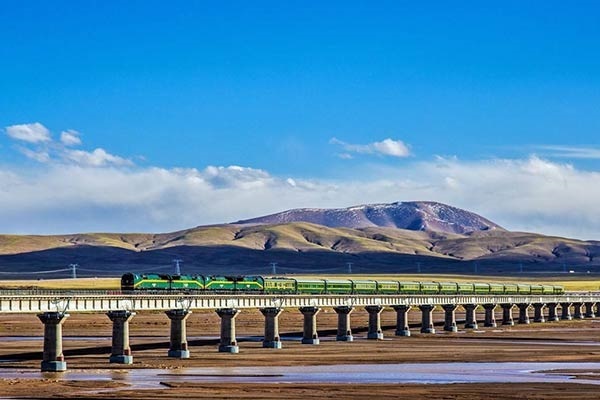
Board the famous Qinghai‑Tibet overnight soft‑sleeper train, enjoy ever‑changing plateau views out of window.
Day 10: Arrive Xining & Fly to Chengdu
Arrive Xining in the early morning, transfer to airport and fly back to Chengdu. Tour finishes.
Core Travel Tips for Visitors With Limited Physical Fitness
To ensure a safe and comfortable low-altitude Tibet trip, visitors with limited physical fitness need to master professional travel precautions from accommodation, transportation, diet and altitude sickness prevention, so as to avoid physical discomfort and affect the travel experience.
1. Accommodation Selection: Prioritize Low-altitude Oxygen-supplying Hotels
Avoid staying in high-altitude areas such as Yanghu Lake and Namtso for the first time. Choose low-altitude accommodation areas such as Nyingchi urban area and Bomi county town. It is recommended to select hotels and homestays with oxygen supply equipment, heating facilities and soft beds, which can effectively relieve mild hypoxia symptoms and ensure sleep quality. Do not stay in unheated rural homestays to prevent colds induced by altitude sickness.
2. Travel Transportation: Choose Smooth and Low-intensity Travel Modes
It is recommended to fly directly to Nyingchi first instead of arriving in Lhasa directly, so that the body can adapt to the plateau gently. Choose professional pure-play small groups or chartered cars for travel. The Lalin Expressway runs through the whole low-altitude scenic area, with flat road conditions and no bumpy mountain roads. Try to avoid long-distance self-driving and group tours with tight schedules. Take scenic shuttle buses in all scenic spots to reduce walking volume.
3. Altitude Sickness Prevention: Gentle Adaptation Is the Core
Low-altitude routes have a very low altitude sickness probability, but visitors with weak physical fitness still need to adhere to the principle of “slow action, more rest, less strenuous exercise”. Do not wash hair or take a bath within 24 hours of arriving in Tibet, drink plenty of warm water, eat light food, and avoid overeating and drinking. You can carry mild altitude sickness prevention drugs with you. Once you have dizziness and fatigue, stop walking and rest immediately.
4. Best Travel Season: Choose Mild Weather Periods
The best travel time for low-altitude Tibet routes is May-June and September-October. During these periods, the weather is sunny, the visibility is high, the temperature is mild, and there are fewer rainy days. July-August is the greenest season in Tibet, with lush vegetation and fresh air, only occasional night rainfall. Winter has few tourists and high cost performance, suitable for tourists who like quiet travel. Avoid traveling in rainy seasons and snow seasons to prevent road slippery and physical discomfort caused by temperature changes.
FAQs About Low-altitude Tibet Travel for Limited Physical Fitness
Q1: Can the elderly and people with poor cardiopulmonary function travel to Tibet via low-altitude routes?
A1: Yes. The low-altitude routes represented by Nyingchi and Bomi have sufficient oxygen and flat terrain, no strenuous exercise items, and the travel intensity is extremely low. As long as the physical condition is stable and there are no serious acute diseases, the elderly and tourists with weak physical fitness can travel safely under the condition of following the adaptation rules.
Q2: Do I need to prepare a lot of altitude sickness drugs for low-altitude Tibet travel?
A2: No need. The oxygen content in low-altitude areas is close to the plain level, and the probability of severe altitude sickness is extremely low. Just prepare conventional cold medicine, gastrointestinal medicine and mild oxygen-supplying products, and maintain a slow travel rhythm to basically avoid altitude discomfort.
Q3: Is the low-altitude Tibet itinerary too monotonous and unable to experience the characteristics of Tibet?
A3: No. Low-altitude southern Tibet integrates snow-capped mountains, lakes, canyons, forests and original Tibetan customs. The scenery is diverse and hierarchical. It not only has the primitive natural beauty of Tibet, but also has a mild and comfortable travel environment, which can fully experience the unique charm of Tibetan travel.
Conclusion
Tibet travel is no longer exclusive to people with strong physical fitness. The rich low-altitude itinerary options completely solve the travel barriers for visitors with limited physical fitness. By choosing low-altitude areas such as Nyingchi and Bomi, adopting a gradual altitude adaptation mode and a relaxed travel rhythm, every traveler can get rid of the worries of altitude sickness and physical fatigue, and easily feel the sacred and beautiful scenery of Tibet. Whether it is a 3-day short leisure trip or a 7-day in-depth panoramic tour, low-altitude Tibet routes can bring you a safe, comfortable and unforgettable plateau travel experience. As long as you arrange your itinerary reasonably and abide by travel precautions, you can easily realize your dream of traveling to Tibet.