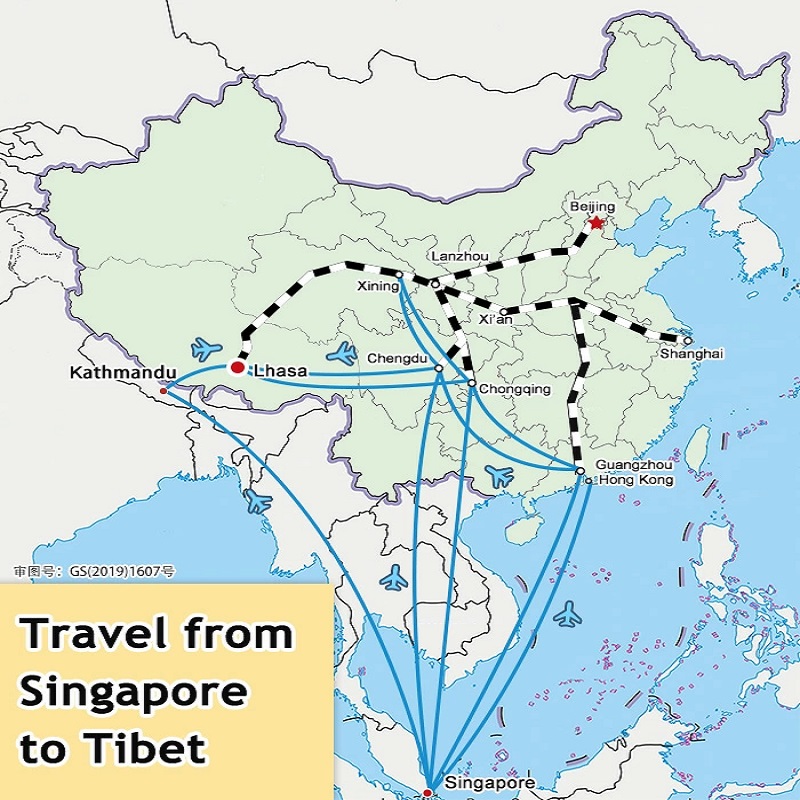
✨ Highlights:
- ✨ Top family-friendly tips for travelling to Tibet with teenagers
- 🌬️ Learn how teenagers can safely adapt to Tibet’s high altitude
- 🚶 Slow-paced, teen-approved Tibet travel routes for overseas families
- 📄 Must-know pre-departure document and packing guidance
- 🏯 Meaningful cultural experiences to enrich your teen’s travel journey
- 🧾 FAQ section to resolve common worries for family plateau travel
Travelling to Tibet with teenagers is one of the most rewarding family travel experiences for overseas families. Nestled on the world’s highest plateau, Tibet boasts stunning alpine landscapes, profound Tibetan culture, and unique ethnic customs, offering teenagers a precious chance to step out of urban comfort zones, broaden their global vision, and gain immersive cross-cultural learning experiences. Unlike regular family vacations, a Tibet plateau trip combines natural adventure, cultural exploration, and physical tempering, perfectly matching teenagers’ curiosity and desire for independent exploration.
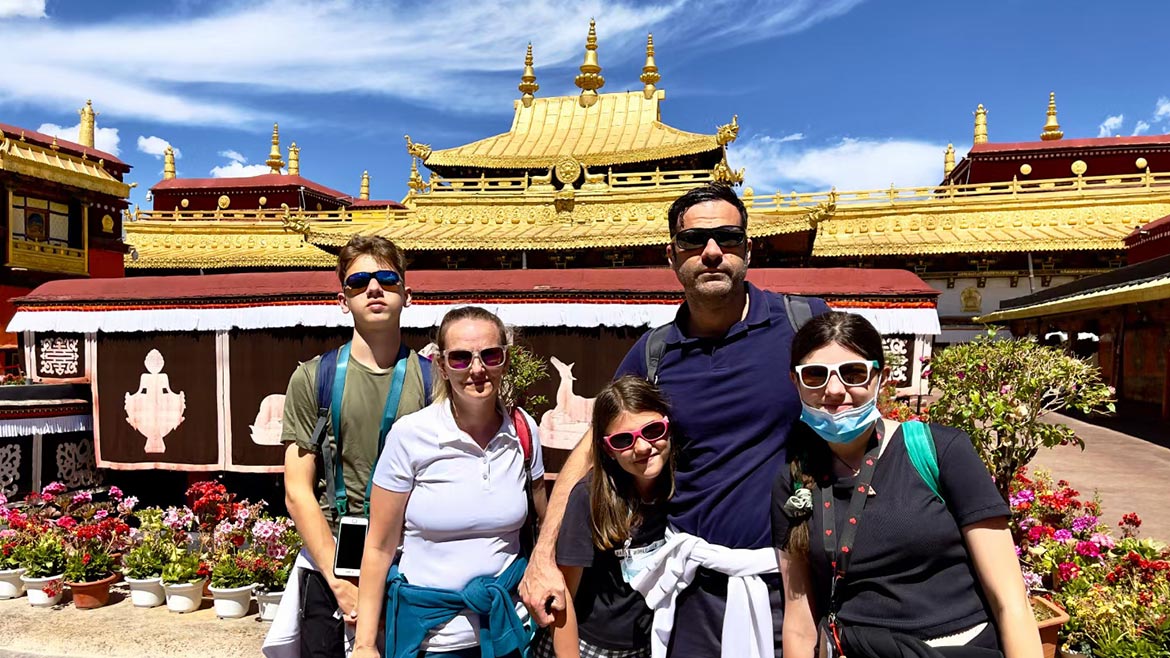
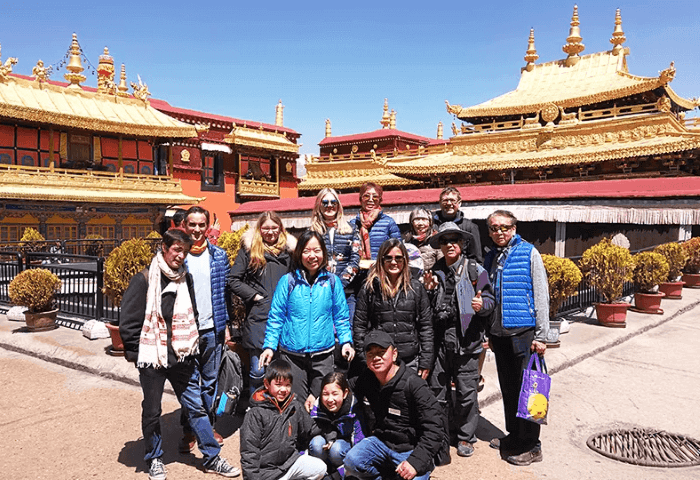
Jokhang Temple
However, due to Tibet’s special geographical environment, altitude characteristics, and entry policies, overseas families need targeted and family-friendly travel plans to ensure a safe, comfortable, and meaningful journey. This guide provides practical, teenager-oriented travel suggestions covering entry preparation, altitude adaptation, route planning, cultural experience, and travel tips, helping overseas families create a memorable Tibet family travel memory.
Essential Pre-Travel Preparation for Overseas Families
For overseas families travelling to Tibet with teenagers, adequate pre-travel preparation is the foundation of a smooth trip, especially in terms of entry documents, physical preparation, and daily supplies, which differ greatly from ordinary overseas travel.
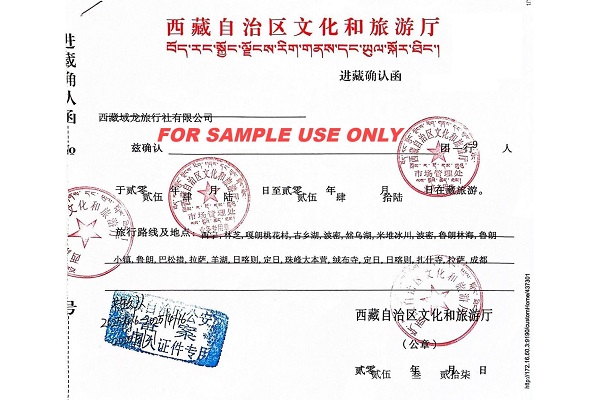
First, complete official entry documents in advance. As a special travel region, Tibet has standardized entry management for foreign tourists. All overseas family members, including teenagers, need a valid Chinese visa and a specialized Tibet travel permit for foreign family groups. It is worth noting that individual applications for the permit are not supported; overseas visitors must apply through officially registered local travel agencies in Tibet, with the application materials including family passport copies, visa pages, and detailed travel itineraries. The whole application process takes 7–10 working days, so it is recommended to start preparation at least one month in advance to avoid delaying the trip. In addition, during the trip, families must travel with a licensed local guide as required, which is not only a policy requirement but also helps teenagers better understand local culture and avoid travel risks.
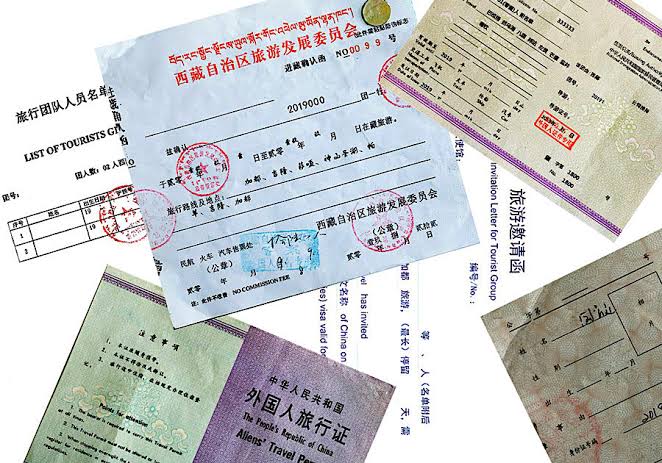
Documents for foreigners entering Tibet
Second, conduct scientific physical preparation for altitude adaptation. Most areas in Tibet are above 3,000 meters above sea level, and thin air may cause altitude reactions such as dizziness, fatigue, and shortness of breath, especially for teenagers who are in a physical development stage. One week before entering Tibet, avoid strenuous exercise and colds, and maintain a regular work and rest routine. It is not recommended to take altitude reaction medicines blindly; instead, adjust physical state through daily diet and rest. For families with sensitive teenagers, prepare portable oxygen cylinders, blood oxygen detectors, and glucose oral liquid for emergency use. Meanwhile, conduct simple popular science for teenagers before the trip, let them understand the causes and coping methods of altitude reactions, and reduce their psychological tension and fear of plateau travel.
Finally, prepare targeted daily travel supplies. Tibet has strong ultraviolet radiation and large temperature differences between day and night all year round. It is necessary to prepare SPF50+ professional sunscreen, UV-proof sunglasses, sun hats, and long-sleeve quick-drying clothes for teenagers. Even in summer, keep warm jackets and thin down coats to prevent colds caused by sudden temperature drops. In addition, bring daily commonly used medicines, moisturizing skin care products, and portable thermos cups to ensure daily comfort during the trip.
Scientific Altitude Adaptation Strategy for Teenagers
Altitude adaptation is the core key to family travel in Tibet with teenagers. Many overseas families wonder is Tibet suitable for teenagers given its high elevation, but in fact, most mild altitude reactions can be effectively relieved through scientific adaptation methods, and healthy teenagers can fully adapt to plateau life in a short time.
The most effective adaptation rule is slow progress and less activity in the first two days after arriving in Tibet. It is recommended that overseas families choose to arrive in Lhasa first (3,656 meters above sea level) and arrange 1–2 days of static adaptation. Avoid strenuous exercise such as running, climbing, and long walks on the first day. You can take a slow walk around Lhasa urban area, enjoy the urban style of the plateau city, and let the body slowly adapt to the low-oxygen environment. Do not visit scenic spots with large physical consumption such as the Potala Palace on the arrival day, so as to avoid aggravating altitude reactions.
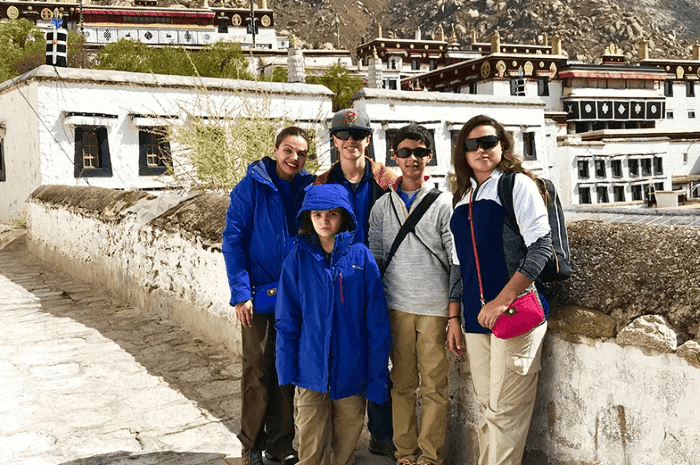
In terms of daily diet and rest, teenagers should drink plenty of warm water to relieve plateau dryness, eat light and easy-to-digest Tibetan local meals such as highland barley cakes and buttered tea, and avoid greasy, spicy food and excessive carbohydrate intake. Keep sufficient sleep every night; do not stay up late to ensure physical recovery. If teenagers have mild dizziness and fatigue, it is a normal physiological reaction, which can be relieved by resting in the hotel and inhaling a small amount of oxygen. Once severe symptoms such as continuous headache, vomiting, and difficulty breathing occur, stop traveling immediately and contact the local guide for medical assistance.
After completing the adaptation in Lhasa, gradually expand the travel scope to high-altitude areas such as Shigatse and Nyingchi. This step-by-step adaptation mode can greatly reduce the probability of altitude discomfort and let teenagers experience the plateau scenery in a healthy state.
Family-Friendly Teenager-Oriented Travel Route
Combining teenagers’ physical characteristics, interest preferences and family travel comfort, we have sorted out a low-intensity, high-experience Tibet travel route, avoiding long-distance driving and high-intensity climbing, focusing on natural scenery appreciation and cultural interactive experience. When researching the best family-friendly places to visit in Tibet, this route consistently ranks among the top choices for an overseas family tour to Tibet with teens.
Lhasa Urban Cultural Experience (Days 1–2). After arriving in Lhasa and adapting to the altitude, arrange relaxed urban cultural tours. Visit the Potala Palace to appreciate the grandeur of world cultural heritage and let teenagers feel the charm of ancient Tibetan architecture and religious culture. Wander around Barkhor Street, watch local residents turn prayer wheels and worship, experience the strong religious and ethnic atmosphere, and teach teenagers to respect local religious customs and follow visiting etiquette (no loud noise, no pointing at Buddha statues, clockwise walking around prayer wheels). In addition, you can arrange a visit to Tibet Museum to systematically understand Tibet’s history, ethnic customs and ecological protection achievements, which is a vivid offline history and geography lesson for teenagers.
Nyingchi Natural Ecology Tour (Days 3–4). Nyingchi is known as the “Jiangnan of Tibet”, with an altitude of about 3,000 meters, mild climate and lush vegetation, and is the most suitable natural scenic area for teenagers. Take a boat tour of the Yarlung Zangbo Grand Canyon, the world’s deepest canyon, and let teenagers feel the magnificence of nature on the spot. Watch the snow-capped Namcha Barwa Peak, hang prayer flags and scatter wind horse paper with local families to experience unique Tibetan blessing culture. Arrange a visit to traditional Tibetan villages, let teenagers walk into local families, taste buttered tea and Tibetan snacks, and experience highland barley making and Tibetan handicraft production, realizing zero-distance cross-cultural interaction.
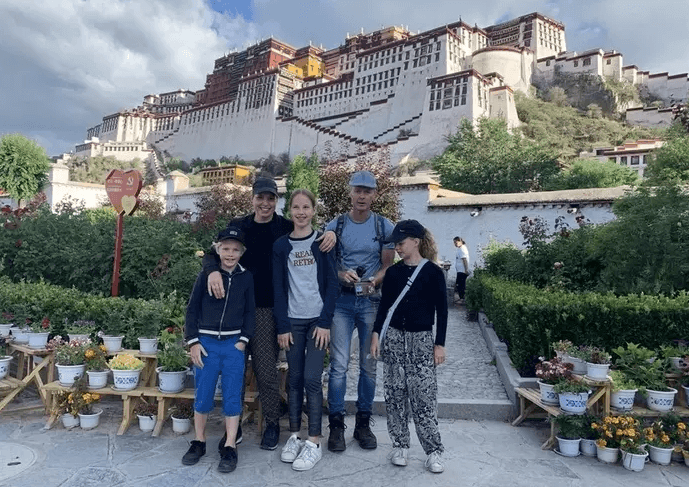
Tibet family tour with children
Shigatse Leisure Exploration (Days 5–6). On the premise of adapting to the altitude, drive to Shigatse, the second largest city in Tibet. Visit Tashilhunpo Monastery to understand the inheritance of Tibetan Buddhism culture, and enjoy the quiet pastoral scenery of Shigatse’s countryside. The route has flat roads and low travel intensity, which will not cause physical burden to teenagers. You can also arrange plateau outdoor photography and landscape sketching activities to stimulate teenagers’ observation and creativity.
Meaningful Cultural Experience for Teenagers
Different from ordinary sightseeing trips, travelling to Tibet with teenagers focuses more on educational and experiential value, helping teenagers gain growth in cross-cultural cognition and independent thinking. Overseas families can arrange a variety of interactive cultural experiences to make the trip more meaningful.
First, participate in Tibetan traditional folk experiences. Follow local craftsmen to learn simple Tibetan weaving, thangka painting and incense making. These hands-on activities are interesting and not difficult, which can exercise teenagers’ hands-on ability and let them feel the charm of intangible cultural heritage. Taste authentic Tibetan meals, experience the dietary culture of the plateau, and understand the survival wisdom of Tibetan people adapting to the high-altitude environment.
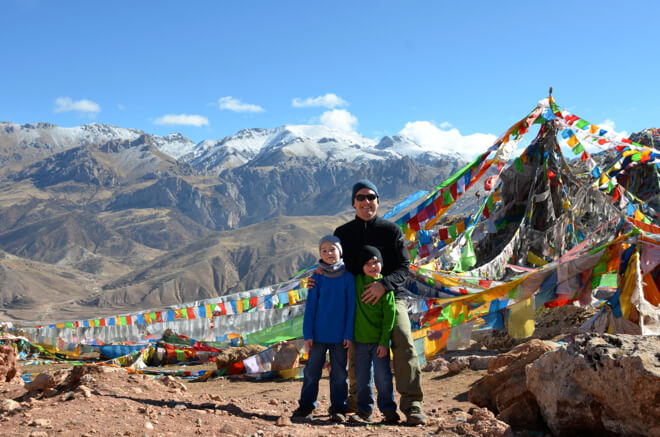
Second, carry out ecological and public welfare cognition. Tibet is an important ecological barrier in China. You can visit plateau wetland reserves and wild animal protection bases to let teenagers understand the importance of plateau ecological protection, cultivate their environmental awareness and global responsibility. Guide teenagers to record travel gains, sort out plateau ecological knowledge and cultural customs, and form travel notes or photo albums, turning travel experience into long-term growth wealth.
In addition, communicate with local Tibetan teenagers under the leadership of guides, understand their learning and life status, exchange different cultural concepts, help overseas teenagers broaden their international vision, and enhance their inclusiveness and understanding of diverse cultures.
Core Travel Tips for Overseas Families
Choose family-friendly accommodation and transportation. It is recommended to stay in star hotels in the core urban areas of Lhasa and Nyingchi, with complete heating, oxygen supply and Wi-Fi facilities, comfortable and safe, suitable for family long-term stay. Avoid staying in simple tents and bunk beds in remote scenic areas to ensure rest quality. Choose a professional family tour car with a local experienced driver to avoid long-distance fatigue driving and ensure travel safety.
Abide by local religious and ethnic etiquette. Tibet has profound religious culture and unique ethnic customs. Remind teenagers to respect local beliefs and living habits, avoid inappropriate words and behaviors in religious places, and maintain a polite and respectful attitude, which is not only the basic etiquette of overseas travel, but also an important part of cultural learning.
Arrange travel rhythm reasonably. Teenagers are in a stage of vigorous curiosity but limited physical endurance. Avoid over-scheduling scenic spots every day, reserve free rest and exploration time, balance sightseeing experience and physical rest, and prevent travel fatigue.
Frequently Asked Questions
1. Is Tibet safe for family travel with teenagers?
Yes, Tibet is generally safe for family travel with teenagers. The region has stable social order, well-developed tourism infrastructure in major cities like Lhasa and Nyingchi, and professional local guides who accompany overseas families throughout the trip. The main consideration is altitude health rather than personal safety. By following scientific altitude adaptation rules, choosing family-friendly accommodation, and travelling with a licensed local guide, families can enjoy a safe and worry-free journey. It is also advisable to purchase comprehensive travel insurance covering high-altitude medical emergencies before departure.
2. What is the best time to visit Tibet with teenagers?
The best time to visit Tibet with teenagers is from April to October, when the weather is mild, roads are accessible, and oxygen levels are relatively higher. June to August offers the warmest temperatures and lush landscapes, especially in Nyingchi, making it ideal for family travel. April–May and September–October provide clearer skies, fewer crowds, and comfortable temperatures for cultural sightseeing. Winter travel (November–March) is possible but colder, with some high-altitude roads potentially closed, so it is less recommended for first-time family visits with teenagers.
3. How many days should a family stay in Tibet with teenagers?
A recommended family trip to Tibet with teenagers lasts 6–8 days. This allows 1–2 days for altitude adaptation in Lhasa, 2 days for Nyingchi natural ecology exploration, 1–2 days for Shigatse cultural visits, and a buffer day for rest or flexible scheduling. Rushing the trip in fewer than 5 days increases the risk of altitude discomfort and travel fatigue for teenagers. For families who want a more in-depth experience, 10–12 days can include additional destinations like Lake Namtso or Mount Everest Base Camp, provided the family has fully adapted to the altitude.
4. Can teenagers participate in high-altitude trekking in Tibet?
Teenagers aged 14 and above who are in good health can participate in moderate high-altitude trekking in Tibet, such as short hikes in the Nyingchi area or around Yamdrok Lake, after completing proper altitude adaptation. However, strenuous treks above 5,000 meters, such as the Mount Everest Base Camp trek or advanced kora routes, are not recommended for teenagers under 16 without prior high-altitude experience. Always consult a doctor before the trip, choose routes matched to the teenager’s fitness level, and never push through altitude discomfort.
Conclusion
Travelling to Tibet with teenagers is a precious journey that integrates nature, culture, education and growth. For overseas families, it is not only a leisure vacation, but also a valuable opportunity for teenagers to perceive diverse cultures, challenge themselves, and broaden their horizons. With standardized entry preparation, scientific altitude adaptation, reasonable family routes and rich cultural experiences, overseas families can easily cope with the special plateau travel environment and avoid various travel risks and misunderstandings. Every snow-capped mountain, every river, every ancient temple and every ethnic custom in Tibet can leave deep memories for teenagers, help them grow up in exploration and perception, and let the family gain unique and warm travel memories on the world’s highest plateau.