✨Highlights:
- 👗 Dress Etiquette: Wear modest outfits covering shoulders and knees. Remove hats and sunglasses indoors to show respect.
- 🚶 Visiting Rules: Never step on temple thresholds. Always circumambulate religious structures clockwise.
- 📸 Photo Taboos: No photography or video recording inside Buddha halls and sacred areas without official permission.
- 🙏 Religious Manners: Gently turn prayer wheels clockwise. Avoid touching Buddha statues, scriptures and holy artifacts.
- 🤝 Cultural Etiquette: Keep quiet in halls. Respect monks and pilgrims, and avoid disturbing religious activities.
- ⛔ Core Taboos: Avoid loud noise, counterclockwise walking, casual comments on local beliefs and improper behaviors.
- 🌏 Travel Value: Standard etiquette helps international visitors avoid cultural conflicts and enjoy authentic Tibetan Buddhist culture.
Tibetan monasteries are precious cultural and religious landmarks that embody the profound heritage of Tibetan Buddhism, attracting countless overseas travelers every year. For global tourists, learning and following Temple Visiting Etiquette for International Visitors in Tibetan Monasteries is the key to a respectful, comfortable and meaningful cultural tour. Understanding basic Tibetan monastery etiquette helps visitors avoid unintentional mistakes and show sincere respect for local religious traditions and folk customs.
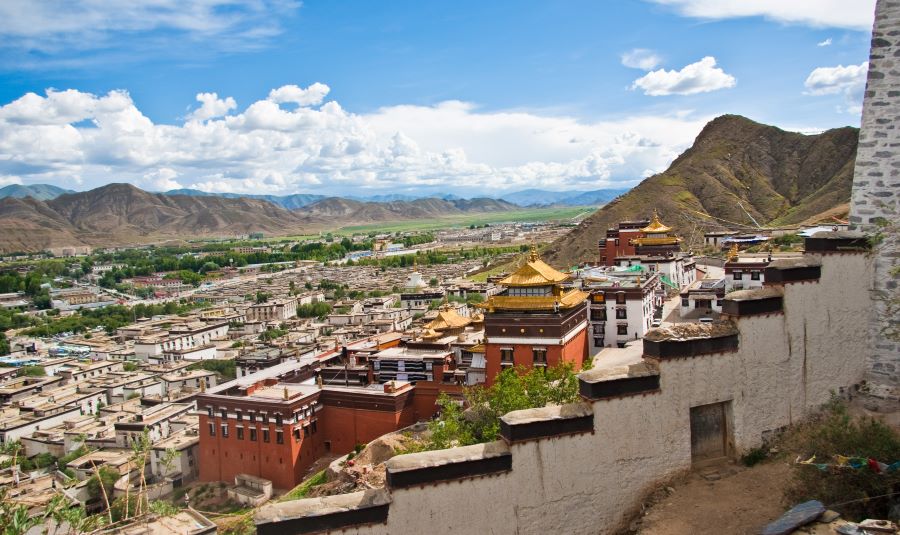
Tashilumpo Monastery
Many international travelers lack knowledge of local religious norms, which may lead to inappropriate behaviors that disrupt the sacred temple atmosphere. Mastering standard Tibet temple visiting rules allows every overseas visitor to integrate into the local cultural environment smoothly. This professional Tibet monastery travel guide for overseas visitors systematically summarizes full-scene visiting norms, covering pre-trip preparation, on-site conduct, religious taboos and cultural communication, providing reliable travel references for foreign tourists who plan to explore Tibetan Buddhist cultural sites.
Pre-Visit Preparation: Dress and Mental Preparation
Sufficient pre-visit preparation is the foundation of civilized temple visiting. As one of the most practical tips for visiting Tibetan Buddhist temples, standardized dressing is the primary rule for entering sacred religious venues. Tibetan monasteries uphold solemn and pure religious atmospheres, so visitors must prioritize modesty and decency in their outfits.
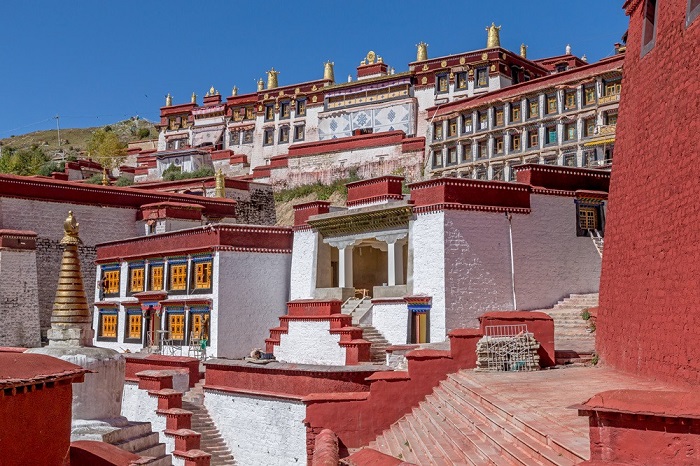
Ganden Monastery
International visitors should wear clothes that fully cover the shoulders and knees. Exposed clothing such as strapless tops, mini skirts and shorts is not allowed in Buddha halls and core monastery areas. Travelers need to take off hats, sunglasses and masks before entering indoor halls, which is a basic part of Buddhist temple etiquette for foreigners to express reverence for Buddha statues and religious beliefs. In addition, tourists should establish a respectful mindset, abandoning casual sightseeing attitudes and treating monastery visits as a valuable cultural learning experience rather than ordinary entertainment activities.
Basic On-Site Behavioral Norms
Strict on-site behavioral standards run through the entire visiting process and constitute the core of Tibetan monastery etiquette. First of all, visitors must never step on, sit on or cross the thresholds of monastery gates and Buddha halls. In Tibetan Buddhist culture, the threshold symbolizes the boundary between the mortal world and the sacred realm, and trampling on it is a serious disrespectful behavior.
After entering the monastery, all tourists must maintain absolute quietness. Turning off mobile phone sounds, prohibiting loud talking, laughing and running are basic Tibet temple visiting rules. It is forbidden to enter closed practice areas, monks’ private living quarters and unopened scenic spots without permission. Visitors need to follow official signs and tour routes to ensure their visit does not interfere with local religious practice and daily monastery operations.
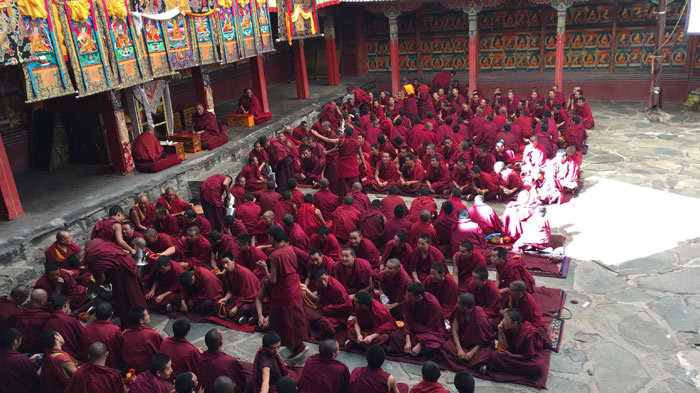
Monks in Tashilunpo Monastery
Circumambulation is an essential religious activity in Tibetan monasteries. All sacred facilities including stupas, prayer wheels and mani stone walls must be circled clockwise. Counterclockwise walking is a traditional religious taboo. When circumambulating, visitors should slow down voluntarily and take the initiative to give way to devout local pilgrims, maintaining an orderly and pious visiting state.
Professional Religious Etiquette and Facility Usage Rules
For international visitors unfamiliar with Tibetan Buddhism, standard usage of religious facilities is a key part ofTemple Visiting Etiquette for International Visitors in Tibetan Monasteries. Prayer wheels are the most common sacred facilities in monasteries. Tourists who want to experience local customs should turn prayer wheels gently and steadily in a clockwise direction. Shaking, pulling or rotating prayer wheels counterclockwise is strictly prohibited.
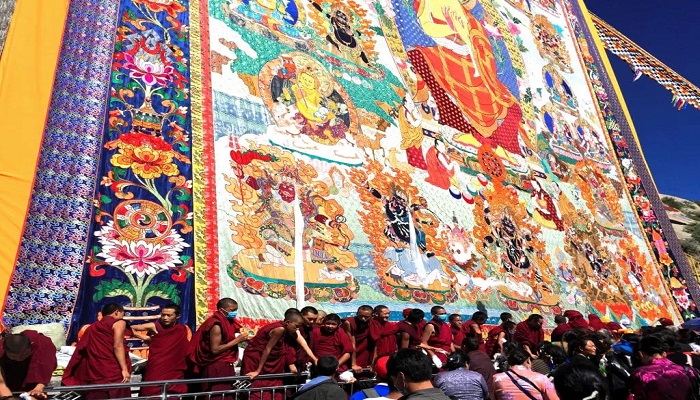
Shoton Festival Thangka Display in Sera Monastery
It is forbidden to touch, lean on or scribble on Buddha statues, murals, scriptures, mani stones and stupas. These cultural and religious relics have sacred symbolic significance for local believers, and any random damage or touch will violate religious etiquette. As important tips for visiting Tibetan Buddhist temples, these norms protect the integrity of religious cultural heritage and maintain the solemnity of sacred venues.
Photography Rules and Key Visiting Taboos
Photography management is the most error-prone part for overseas tourists and an important item in Buddhist temple etiquette for foreigners. All indoor areas of Tibetan monasteries, including Buddha halls, scripture halls and religious ritual venues, strictly prohibit photography and video recording. Even with portable shooting equipment, visitors cannot take photos of Buddha statues, ancient murals and ongoing religious ceremonies without official authorization.
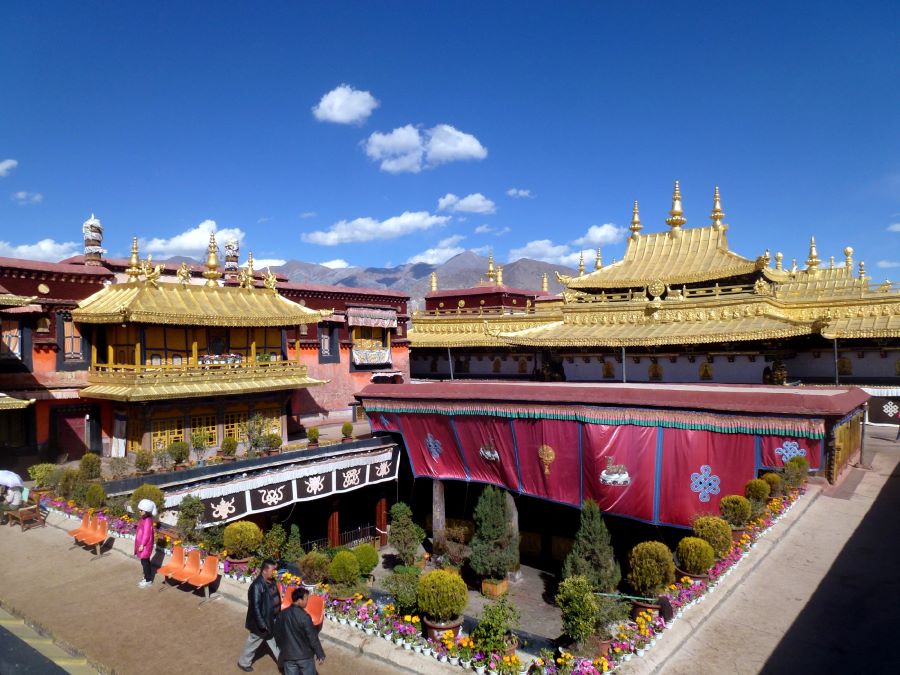
Jokhang temple
Outdoor architectural landscapes and open courtyards of monasteries are generally available for shooting, but tourists must follow on-site prompt signs uniformly. It is impolite and inappropriate to secretly photograph monks and praying pilgrims. If visitors need to record cultural scenes, they must obtain prior consent from relevant personnel.
In addition to photography taboos, there are multiple behavioral prohibitions to note. Visitors are not allowed to make noise, chase or jump in the monastery. They cannot comment arbitrarily on local religious beliefs and doctrines, nor touch monks’ heads and religious robes at will. Abiding by these taboos is the basic responsibility of every cultural traveler.
Cultural Interaction and Communication Etiquette
A complete Tibet monastery travel guide for overseas visitors cannot lack interpersonal communication norms. When communicating with resident monks, international tourists should maintain a polite, humble and respectful attitude. Avoid asking private questions about monks’ personal life and try not to argue or question religious doctrines, so as to maintain friendly cross-cultural communication.
When encountering local pilgrims who are praying, kowtowing or circumambulating devoutly, visitors must not disturb their religious activities. Do not stare at or laugh at pilgrims’ behaviors, and take the initiative to yield passages during peak visiting hours. Proper interactive etiquette fully reflects respect for local folk customs and religious culture.
For voluntary alms-giving and blessing activities, tourists can prepare small change in advance. Alms-giving adheres to the principle of voluntariness without fixed amount standards. When receiving blessings from monks, visitors should stand upright and bow slightly to express gratitude, keeping a solemn attitude throughout the process.
The Value of Abiding by Monastery Visiting Etiquette
Learning and practicing Temple Visiting Etiquette for International Visitors in Tibetan Monasteries is far more than following simple travel rules; it is an important embodiment of cultural respect and civilized tourism. Tibetan monasteries carry thousands of years of Tibetan Buddhist culture and ethnic folk customs, which are precious intangible cultural heritages of China and even the world.
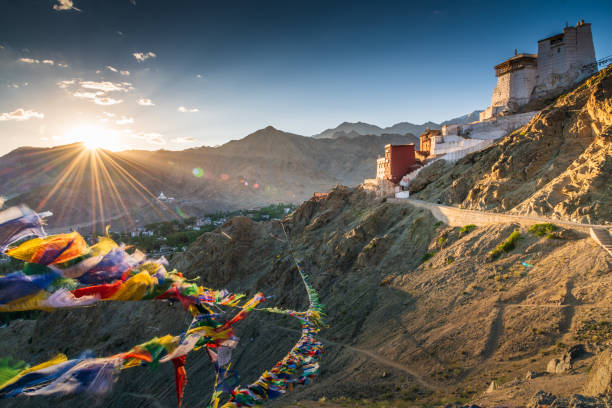
Prayer flag in Tsemo castle
Standardizing personal behaviors and strictly following Tibetan monastery etiquette can effectively avoid cross-cultural misunderstandings caused by cognitive differences. It helps international visitors truly understand the connotation of Tibetan traditional culture and obtain an immersive and authentic travel experience. Every standardized and polite visit is a positive cultural communication, helping the world perceive the unique charm of Tibetan religious and folk culture.
FAQs About Temple Visiting Etiquette for International Visitors in Tibetan Monasteries
Q1: Do I need to book a ticket in advance to enter Tibetan monasteries?
Many open monasteries sell tickets on site, while some popular sites require advance online reservations. Check the official notice before your trip. Some restricted areas inside the monastery remain closed to visitors to protect religious practice.
Q2:Can I bring water or snacks into the monastery compound?
It is generally not permitted to eat food inside Buddha halls. You may carry water, but please avoid eating, chewing gum or littering in sacred areas to preserve the solemn atmosphere.
Q3: What should I do if I accidentally break one of the visiting rules?
If you unintentionally make a mistake, stay calm, apologize politely to the staff or pilgrims nearby, and correct your behaviour immediately. Most locals will understand honest mistakes as long as you show genuine respect.
Q4: Are children welcome to visit Tibetan monasteries?
Children are welcome, but parents must keep them quiet and prevent running or touching religious relics. It is helpful to briefly explain the sacred nature of the site to kids before entering.
Q5: Can I receive a khata blessing from monks during my monastery tour?
Blessings are offered at the discretion of monks. You may politely ask, but please do not pressure them. If you receive a khata, treat it carefully and do not discard it casually.
Conclusion
In summary, standardized temple visiting etiquette covers dressing norms, on-site behaviors, religious facility usage, photography regulations and cultural interaction principles. Familiarizing oneself with Tibet temple visiting rules and practical tips for visiting Tibetan Buddhist temples enables international tourists to travel safely and politely in various Tibetan monasteries. Following Buddhist temple etiquette for foreigners and referring to a professional Tibet monastery travel guide for overseas visitors are essential preparations for high-quality cultural tourism.
All overseas visitors should keep a pious and respectful heart during the tour, strictly abide by various monastery norms, consciously maintain the sanctity and solemnity of religious venues, and complete every visit with civilized and standardized behaviors. Rational and respectful travel is not only conducive to the protection of Tibetan religious and cultural heritage, but also promotes benign cross-cultural exchanges and displays the good image of international cultural travelers.