✨ Highlights:
- 🛕 Religious Taboos: Follow monastery dress codes, photography rules and clockwise pilgrimage tradition to show respect for Tibetan Buddhism.
- 🤝 Daily Communication Etiquette: Important rules including not touching locals’ heads, proper hand gestures and polite reception of local hospitality.
- 🍛 Dietary & Homestay Customs: Key table manners and taboos when eating Tibetan food or staying in nomad tents.
- 🏔️ Plateau Ecological Rules: Protect sacred lakes, grasslands and avoid damaging Mani stones and prayer flags during outdoor travel.
- 📜 Cultural Insight: Understand why these folk traditions matter for cross-cultural communication and responsible travel in Tibet.
Tibet, a mesmerizing land of snow-capped mountains, sacred lakes, and profound Buddhist culture, stands as one of the most culturally distinctive regions in China. For overseas tourists, traveling to Tibet is not only a journey of natural scenery exploration but also an immersive experience of unique Tibetan folk customs taboos and traditional local etiquette. MasteringTibet travel etiquette for foreign visitors is the key to a respectful and hassle-free journey, as local traditions are deeply rooted in thousands of years of history.
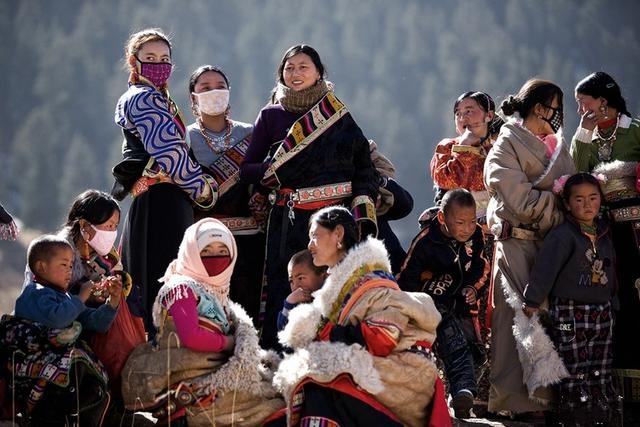
Tibetan People
To maintain harmonious cultural communication, show sincere respect Tibetan local customs, and ensure a smooth and pleasant travel experience, it is essential for foreign visitors to learn and abide by core Tibetan taboos. These unwritten folk norms reflect Tibetan people’s reverence for religion, nature, and life. This article systematically sorts out the key taboos in religious activities, daily interactions, diet culture, and outdoor travel, providing a comprehensive and practical etiquette guide for overseas tourists.
Religious Taboos: Honor the Sacred Buddhist Traditions
Tibetan Buddhism culture serves as the spiritual foundation of local social life, making religious etiquette the most critical part of Tibet travel. Monastery taboos in Tibet for tourists cover dressing, behavior, photography, and pilgrimage, and violating these rules is the most common cultural misunderstanding among overseas travelers. Therefore, learning standardized religious norms is the first step to integrating into local Tibetan culture.
When visiting monasteries, the most basic rule is to keep a solemn and quiet demeanor. Tourists must remove hats and sunglasses before entering temple halls and avoid loud talking, laughing, or running. Modest dressing is mandatory: shorts, mini-skirts, strapless tops, and overly revealing clothing are strictly prohibited, as such attire is regarded as disrespectful to sacred Buddhist lands. Inside the temple, never sit on monks’ prayer cushions, altars, or exclusive meditation seats, and do not lean against Buddha statues, pillars, or religious murals.
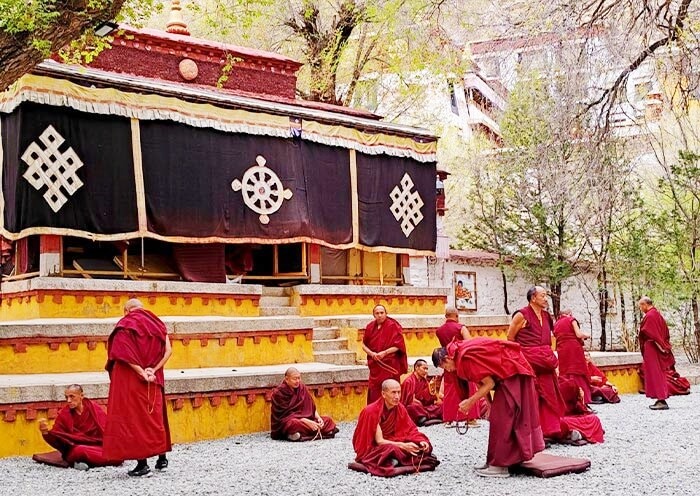
Monks Engaged in Debate at Sera
Photography and touching taboos are crucial religious norms. Most temple halls, Buddha statues, Thangka paintings, and religious ritual instruments are completely off-limits to photography and video recording. Even in outdoor scenic areas of monasteries, tourists must obtain explicit permission from resident monks before taking photos, and flash photography is forbidden to protect ancient cultural relics. Under no circumstances should tourists touch Buddha statues, prayer books, prayer beads, butter lamps, or other sacred artifacts, nor flip through religious scriptures at will. Stepping over religious offerings, prayer flags, or Mani stones is also a serious taboo, which symbolizes contempt for local beliefs.
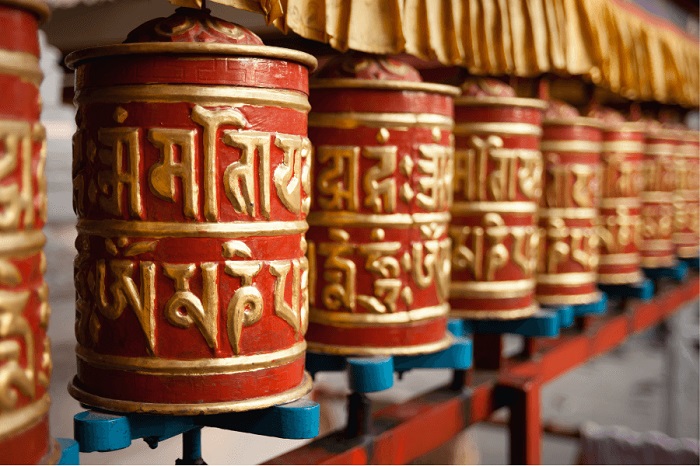
In terms of traveling around religious buildings, Tibetans adhere to the clockwise circulation tradition based on Buddhist doctrines. Tourists must walk clockwise around monasteries, stupas, Mani piles, and prayer wheel corridors. Walking counter-clockwise is considered an extremely disrespectful behavior that violates local religious customs. In addition, avoid pointing your feet directly at Buddha statues, monks, or sacred shrines when sitting or resting in religious sites, which is a basic manifestation of religious reverence.
Daily Communication Taboos: Respect Local Folk Etiquette
Tibetan people are warm, hospitable, and simple, and their daily communication taboos focus on respecting personal dignity and living habits. Mastering these subtle etiquette rules can help overseas tourists integrate into local life better and avoid unnecessary misunderstandings, which is an important part of abiding by Tibet travel etiquette for foreign visitors.
The most well-known daily taboo is never touching a Tibetan’s head. In Tibetan culture, the head is regarded as the most sacred part of the body, representing dignity and blessing. Patting or touching local residents’ heads casually, even out of friendliness or affection, will be considered extremely impolite and disrespectful. Meanwhile, avoid pointing at local people or sacred scenery with fingers; if you need to guide directions or introduce scenery, use an open palm instead.
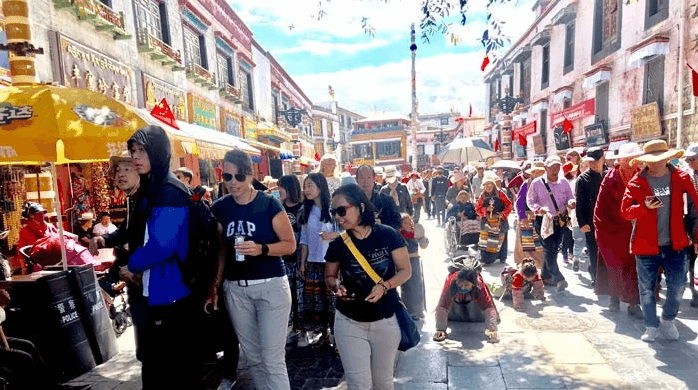
Barkhor Street is a lively combination of local neighborhood, pilgrim circuit, marketplace and historical sites
When interacting with local residents and receiving hospitality, standardized etiquette is essential. When Tibetans offer butter tea, barley wine, or Zanba, tourists should accept the gifts with both hands to express gratitude, and refusing politely is allowed but must be gentle and sincere. For barley wine, locals follow the traditional “three sips” rule, and tourists can follow local customs to show respect rather than drinking indiscriminately. In public places, excessive intimate behaviors such as hugging and kissing are inappropriate, as conservative Tibetan folk customs regard such public displays of affection as inappropriate and disrespectful to public etiquette.
There are also strict taboos about daily behaviors and living environments. Do not step over local residents’ food, tables, stools, or bodies, which is considered unclean and disrespectful. Spitting casually in public areas, sacred mountains, and lakes is forbidden. In addition, Tibetans uphold the concept of non-violence and compassion derived from traditional Tibetan Buddhism culture, so harming animals, insects, or wild creatures near monasteries and pastoral areas is a major taboo. Tourists should never hunt, tease, or feed wild animals at will to comply with local ecological and folk traditions.
Diet and Living Taboos: Follow Tibetan Dietary Traditions
Tibetan dietary culture is closely combined with religious beliefs and plateau living environments, forming unique dietary taboos and living norms. Overseas tourists need to abide by these rules when dining in local families, restaurants, and pastoral areas to respect Tibetan local customs and maintain polite travel manners.
In terms of dietary taboos, devout Tibetan Buddhists adhere to vegetarian and compassionate concepts and have strict taboos on meat. Many local residents avoid eating carnivorous animals, aquatic creatures, and some poultry. Tourists should avoid taking the initiative to ask locals to eat taboo ingredients or publicly criticize local dietary habits. When dining in Tibetan families, do not waste food at will; every grain of food is cherished by plateau people, and food waste is regarded as a waste of blessings and an impolite behavior.

Novice Tibetan buddhist monks
When using tableware and dining etiquette, keep neat and solemn. Do not chopsticks randomly inserted in rice bowls, as this behavior is similar to religious sacrificial rituals and is considered inauspicious. Do not make loud noises when eating or drinking butter tea and barley wine. When drinking tea and wine, follow local etiquette norms, and do not refuse the hospitality of elders casually. In addition, smoking and drinking are strictly prohibited in monasteries, religious activity areas, and sacred scenic spots, and tourists must abide by public taboo regulations.
For pastoral area accommodation and outdoor living, special attention should be paid to tent etiquette. When visiting nomad tents, tourists should take the initiative to greet the host from a distance instead of approaching quietly. Never touch or move religious ornaments, amulets, and daily sacred objects in the tent. Tibetan mastiffs in pastoral areas are guard dogs rather than pets; tourists should not approach or tease them casually to avoid safety accidents and respect local breeding customs.
Outdoor Travel and Ecological Taboos: Protect Plateau Sacred Ecology
Tibet’s snow mountains, lakes, grasslands, and wetlands are not only precious natural resources but also sacred spiritual symbols in Tibetan culture. Local people believe that every snow mountain and holy lake is guarded by patron saints, so tourists must follow strict sacred lake rules in Tibet travel and outdoor ecological taboos during their itinerary.
It is strictly forbidden to pollute holy lakes, river sources, and plateau wetlands. Tourists cannot wash hands, clothes, or utensils in sacred lakes and running water sources, nor discard garbage, sundries, or chemical pollutants in water areas. Trampling on alpine meadows and wild vegetation at will is also a taboo behavior. The plateau ecological environment is fragile and difficult to recover, and protecting local vegetation is not only an ecological obligation but also a respect for local folk beliefs.
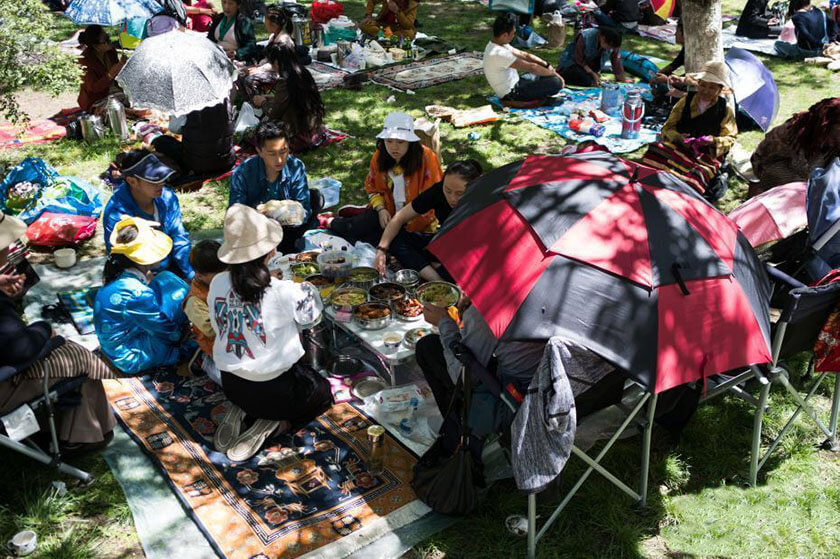
Tibetans Enjoying Linka
In outdoor shooting and activity norms, drone flight is prohibited in most monasteries, religious core areas, and border areas. Unauthorized drone shooting will not only violate scenic spot regulations but also be regarded as disrespectful to sacred religious lands. In addition, do not carve, graffiti, or leave marks on sacred mountains, stone walls, and Mani piles. Tourists can place stones on Mani piles as a blessing gesture, but cannot take away Mani stones or damage prayer flags, which are important carriers of local folk beliefs.
Why Respecting Tibetan Folk Taboos Matters for Overseas Tourists
All Tibetan folk taboos are not rigid rules, but the accumulation of thousands of years of local cultural heritage and spiritual beliefs. For overseas tourists, abiding by these norms is the most direct way to respect Tibetan local customs, eliminate cultural differences, and bridge cross-cultural communication gaps. Sincere respect for folk customs can help tourists gain the trust and friendliness of local residents, making the trip more warm and meaningful.
In addition, standardized travel behaviors can effectively avoid cultural conflicts and unnecessary disputes, maintain the orderly development of Tibetan tourism, and protect the integrity of local intangible cultural heritage. As international tourism ambassadors, overseas tourists’ polite behaviors can spread the charm of Tibetan culture to the world and promote the inheritance and external communication of Chinese ethnic folk customs.
FAQs About Tibetan Folk Customs and Travel Taboos
Q1: What are the most important monastery taboos in Tibet for tourists?
A1: Overseas tourists must follow core monastery rules including wearing modest clothing, prohibiting unauthorized photography inside halls, avoiding touching sacred relics, and touring clockwise around religious structures. Keeping quiet and solemn in all temple areas is the basic requirement to show respect for local beliefs.
Q2: Why do overseas tourists need to learn Tibet travel etiquette for foreign visitors?
A2: Professional travel etiquette helps foreign travelers avoid cultural misunderstandings and unintentional disrespect. It builds friendly interactions with local Tibetans, ensures a smooth travel experience, and fully embodies respect for diverse ethnic cultures.
Q3: What key sacred lake rules in Tibet travel should tourists follow?
A3: Tourists are forbidden from washing bodies, clothes, or tableware in sacred lakes and plateau water sources. Discarding garbage, polluting water bodies, and trampling surrounding wetland vegetation are strictly prohibited to protect the sacred ecological and cultural value of Tibetan holy lakes.
Q4: Is touching local Tibetans’ heads acceptable during travel interactions?
A4: No. Touching or patting a Tibetan local’s head is a major folk taboo. In Tibetan Buddhism culture, the head is the most sacred body part representing dignity and blessing, and random touching is considered extremely disrespectful.
Q5: How can overseas tourists properly respect Tibetan local customs during their trip?
A5: Tourists can show full respect by learning basic Tibetan folk customs taboos in advance, abiding by religious, dietary, and ecological norms, keeping polite communication manners, and protecting local cultural and natural heritage throughout the journey.
Conclusion
Tibetan folk taboos cover religious beliefs, daily communication, diet life, and ecological protection, forming a complete and unique folk etiquette system. For overseas tourists, traveling in Tibet is a journey of viewing beautiful scenery and perceiving culture. Keeping a humble and respectful attitude, learning relevant taboo norms in advance, and standardizing personal behaviors can not only ensure a safe and smooth trip but also fully respect the local people’s spiritual beliefs and living customs. Respecting Tibetan folk customs is respecting multiculturalism, which is the most precious literacy and demeanor of international travelers.