✨ Highlights:
- 📜 Learn the background and traditions of 3 iconic Tibetan festivals: Losar, Saga Dawa and Shoton Festival
- 🙏 Master core etiquette principles for respectful local Tibetan festival observance as an international traveller
- 📸 Clear photography rules: permission requirements, restricted religious shooting areas and pilgrim privacy tips
- 👔 Dress code guidance for monastery visits and festival gatherings, plus common cultural taboos to avoid missteps
- 🧭 Festival-specific practical tips for foreigners to engage with local communities gently and appropriately
- 🌱 Understand why respectful participation protects Tibetan intangible heritage and supports sustainable cultural tourism
Tibetan festivals are the soul of Tibet’s cultural heritage, blending ancient Buddhist traditions, nomadic customs, and ethnic folk wisdom passed down for thousands of years. For foreign visitors, mastering Local Tibetan Festival Observance is the premise of authentic plateau cultural travel. Many international travelers lack local cultural cognition and are confused about how to join Tibetan festivals respectfully, which easily leads to inadvertent cultural disrespect and misunderstandings. This professional Tibet cultural festival guide for international tourists comprehensively sorts out festival characteristics, standardized rituals, and behavioral norms, focusing on practical Tibetan festival etiquette for foreign visitors, helping every overseas traveler integrate into local celebrations properly while respecting folk beliefs and traditions.
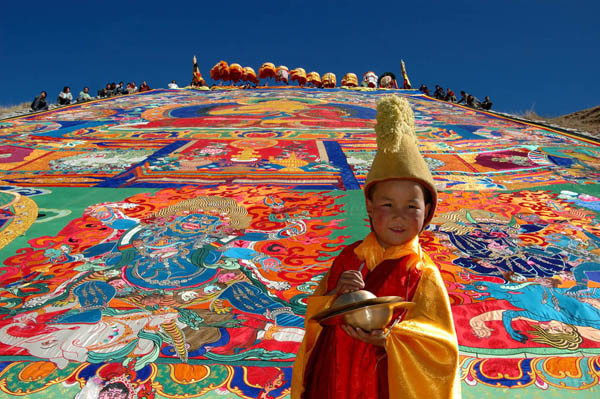
Shoton Festival
An Overview of Core Local Tibetan Festivals Foreign Visitors Should Know
Tibetan festivals follow the unique Tibetan calendar, with most celebrations centered on Buddhist worship, family reunion, and gratitude for nature. Each festival has fixed ritual procedures and cultural meanings, forming the core of local festival observance. Three major festivals are most popular with foreign visitors and suitable for cultural participation, with distinct customs and participation characteristics. Learning aboutTibetan festival customs and taboos of these grand events can help tourists quickly adapt to the local festival atmosphere and achieve respectful and in-depth cultural experience.
Losar (Tibetan New Year): The Most Grand Folk Celebration
Losar, the Tibetan New Year, is the most important traditional festival for Tibetan people, equivalent to the Spring Festival for Han Chinese. It usually falls in January or February of the Gregorian calendar and lasts for 7 to 15 days. Rooted in ancient Tibetan nomadic culture and Buddhism, Losar focuses on family reunion, temple worship, and praying for good fortune in the new year.
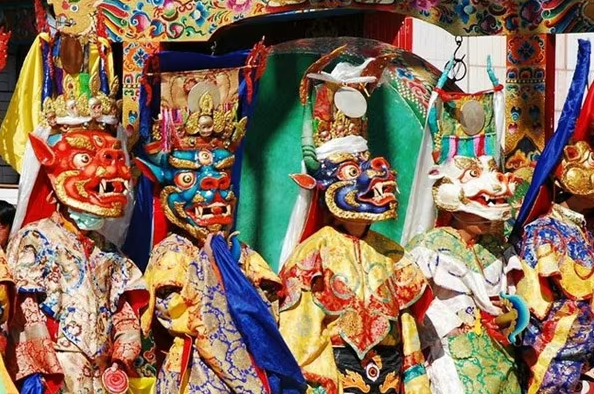
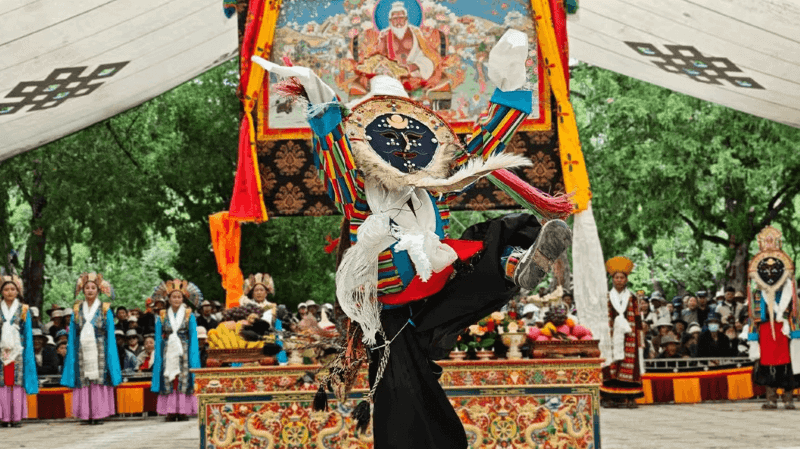
The traditional dance with ceremonial mask during Losar Festival
For overseas travelers, standardized Losar festival etiquette for foreign travelers includes polite family visiting norms and festive greeting customs. Local traditions include cleaning houses to sweep away bad luck, making traditional pastries like khapse, presenting khata (ceremonial scarves), and gathering for family feasts. In monasteries, grand scripture chanting ceremonies and religious rituals are held to bless all living beings. With a warm and inclusive festival atmosphere, Losar is the best occasion for foreign visitors to experience authentic Tibetan folk culture.
Saga Dawa Festival: The Most Sacred Religious Festival
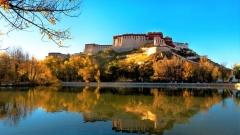
Celebrated in the fourth month of the Tibetan calendar (usually May to June in Gregorian calendar), the Saga Dawa Festival is one of Tibet’s most sacred Buddhist festivals, commemorating the birth, enlightenment, and nirvana of Sakyamuni Buddha. During the festival, local Tibetans observe vegetarian diets, participate in circumambulation rituals, turn prayer wheels, and donate alms. To avoid disturbing local religious piety, foreign visitors need to abide by professional Saga Dawa festival rules for visitors, maintaining a quiet and devout state throughout the pilgrimage and worship process. The iconic scene of the festival is the devout circumambulation around Barkhor Street and Potala Palace, where countless believers walk clockwise to accumulate spiritual merit. Unlike lively folk festivals, Saga Dawa features a solemn and devout religious atmosphere, requiring tourists to always put cultural respect first.
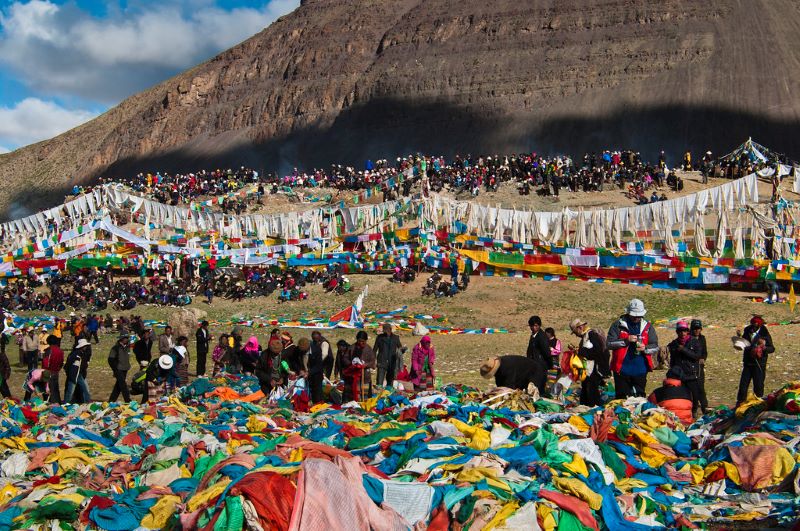
Saga Dawa Festival
Shoton Festival: The Unique Tibetan Opera and Buddha Display Festival
The Shoton Festival, also known as the Yogurt Festival, is a classic cultural festival integrating religion and folk entertainment, held in the sixth month of the Tibetan calendar. Originating from the ancient Buddhist rule of monks staying in temples to avoid trampling insects in summer, the festival gradually evolved into a grand celebration of tasting yogurt, watching Tibetan opera, and unveiling giant Buddha thangkas. The most representative core activity is the grand thangka unveiling ceremony at Drepung Monastery, and standardized Shoton Festival Thangka unveiling etiquette is the key content that foreign tourists must master when participating in this grand ceremony. The lively Tibetan opera performances in Norbulingka also allow visitors to feel the unique vitality of Tibetan folk culture, making it the most visually stunning and experiential local festival.
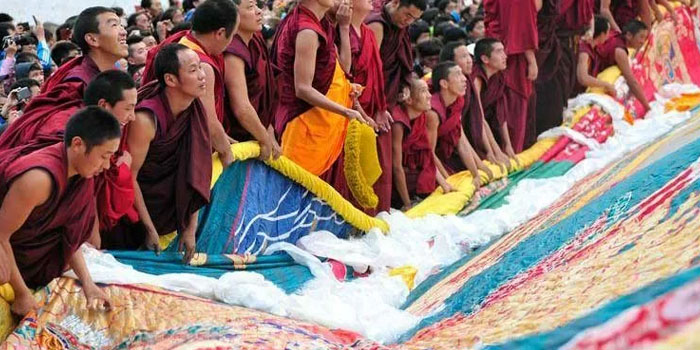
Buddha Exhibition Festival
Core Principles of Respectful Tibetan Festival Participation for Foreign Visitors
Respect is the core of Local Tibetan Festival Observance. All festival behaviors of foreign visitors must follow three basic principles: reverence for religion, respect for local customs, and integration with local rhythms. Tibetan festivals are not commercial performances for tourists but sacred and intimate cultural rituals for local people. Any participation should be based on non-interference, non-disrespect, and non-destruction of local festival order. The following universal norms apply to all Tibetan festivals and are essential knowledge for every foreign traveler.
Strict Religious Ritual Norms
Most Tibetan festivals are rooted in Buddhism, with strict ritual taboos. First, all circumambulation activities around monasteries, stupas, mani stone piles, and prayer halls must follow a clockwise direction; counterclockwise walking is regarded as a serious disrespect to local faith and must be strictly avoided. Second, when entering temples or participating in religious ceremonies, visitors must remove hats, sunglasses, and masks to show solemnity, and avoid loud talking, laughing, or running. Third, never cross prayer flags, mani stones, religious utensils, or the pilgrimage paths of devout believers, and do not touch Buddha statues, prayer wheels, and other sacred religious artifacts at will. When turning prayer wheels, follow the slow and steady rhythm of local believers, not fast or random rotations.
Modest and Appropriate Dress Code
Dressing etiquette is an important part of Tibetan festival observance. Whether attending temple ceremonies or local folk gatherings, foreign visitors must wear modest, neat, and conservative clothes. Avoid exposed outfits such as shorts, mini skirts, sleeveless tops, and low-cut clothes, which are considered disrespectful to sacred religious occasions and local folk customs. It is recommended to wear casual long-sleeve tops and long pants or long skirts that cover the shoulders and knees. In cold seasons, thick and neat ethnic-style or casual outdoor clothes are ideal. Clean and decent dressing reflects respect for local culture and helps visitors integrate into the festival atmosphere better.
Polite Photography and Interview Etiquette
Many foreign visitors like to record festival scenes, but improper photography is the most common cultural misunderstanding during Tibetan festivals. All core religious ceremonies, Buddha statues, and religious altars in temples are mostly prohibited from shooting; visitors must strictly follow the no-photography signs and staff reminders. For local believers, elderly Tibetans, and children in festival activities, always ask for permission before taking photos. Never take candid photos or close-up shots of devout pilgrims who are kowtowing or praying, as this will disturb their spiritual practice. If you want to interview local residents about festival customs, maintain a humble attitude, introduce your identity politely, and avoid involving sensitive religious and cultural topics.
Festival-Specific Respectful Participation Guide for Foreign Travelers
Different Tibetan festivals have unique customs and taboos. Targeted participation strategies can help foreign visitors experience authentic festival culture while fully abiding by local observance rules. Below is a detailed scenario-based guide for the three core festivals, helping tourists accurately grasp the boundaries of cultural participation.
1. Losar (Tibetan New Year) Participation Tips
Losar focuses on family warmth and festive blessing. Foreign visitors can take the initiative to greet local Tibetans with “Tashi Delek”, the most auspicious Tibetan greeting, to express New Year blessings. When invited to local Tibetan families for festival gatherings, politely accept butter tea, barley wine, and traditional pastries offered by hosts, and do not refuse casually, which is a sign of respect for the host’s sincerity. You can prepare small gifts such as fruits, candies, or small khata scarves as a return gift.
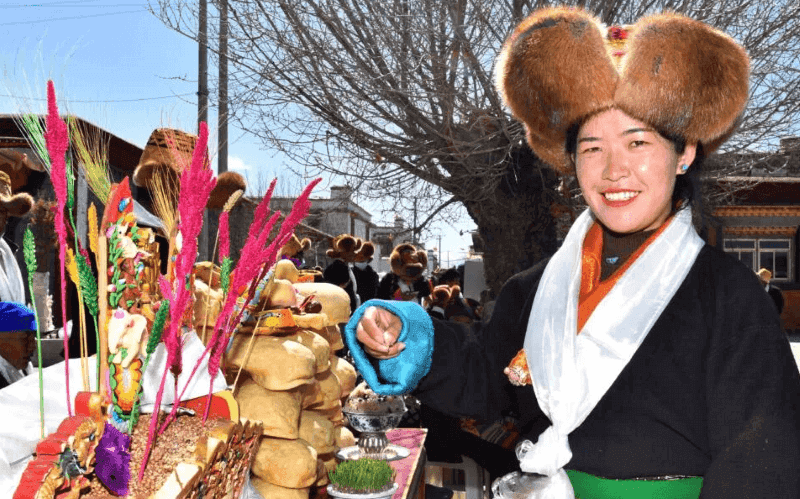
Lhasa’s Losar winter celebrations
During Losar temple ceremonies, keep a quiet posture, watch the scripture-chanting rituals in an orderly manner, and do not crowd or push local believers. Avoid saying negative or ominous words during the festival to fit the auspicious festival atmosphere.
2. Saga Dawa Festival Participation Tips
The Saga Dawa Festival emphasizes piety and tranquility. Foreign visitors participating in circumambulation should keep a slow pace, follow the crowd in order, and do not overtake or cut in line with pilgrims. It is forbidden to eat meat, drink alcohol, or make loud noises in festival activity areas to maintain the solemn religious atmosphere. You can quietly watch local believers’ prayer behaviors, listen to the interpretation of festival legends in local teahouses, and experience the connotation of Tibetan Buddhist compassion and goodness. Do not take photos of pilgrims’ devout praying scenes without permission, and do not disturb their long-term pilgrimage rituals. During the festival, respecting the local vegetarian diet custom is the best way to show cultural reverence.
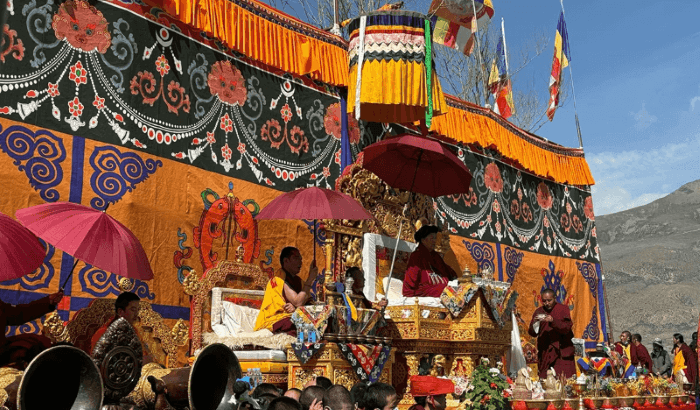
Saga Dawa Festival Tibet Travel
3. Shoton Festival Participation Tips
The Shoton Festival is lively and open, with the highest tolerance for foreign visitors. When watching the grand thangka unveiling ceremony at Drepung Monastery, abide by on-site management regulations, stand in designated viewing areas, and do not crowd into the core religious area. When enjoying Tibetan opera performances in Norbulingka, respect local performance customs, do not interrupt the performance, and applaud appropriately after the show to express appreciation. You can taste authentic Tibetan yogurt and local snacks with local residents, communicate politely about festival culture, and experience the integration of Tibetan religious culture and folk entertainment. Even in a relaxed atmosphere, avoid frivolous behaviors and maintain basic solemnity for religious-derived activities.
Key Taboos to Avoid During Tibetan Festival Visits
To help foreign visitors avoid cultural mistakes thoroughly, we summarize the most critical taboos in Local Tibetan Festival Observance. These behaviors are strictly prohibited and will hurt local ethnic feelings and damage the festival atmosphere.
First, never touch or pat the top of local people’s heads casually. In Tibetan culture, the head is the most sacred part of the body, and random touching is regarded as an extremely disrespectful behavior, even between strangers. Second, do not step on thresholds, religious utensils, and food. Tibetan people regard thresholds as the boundary of sacred homes and food as a gift from nature and faith; stepping on them is a serious taboo. Third, avoid commercializing or joking about religious rituals and festival customs. Do not laugh at local pilgrimage behaviors, religious ceremonies, or traditional costumes, and do not treat sacred festival rituals as ordinary tourist performances. Fourth, do not bring alcohol, meat, or contraband into temple festival venues, and do not litter or damage festival environmental facilities.
Why Respectful Participation Matters for Tibetan Festival Tourism
Local Tibetan festivals are precious intangible cultural heritage and a vital carrier of ethnic cultural inheritance. For local Tibetans, every festival is a spiritual sustenance and cultural inheritance ritual that has lasted for thousands of years. For foreign visitors, abiding by Local Tibetan Festival Observance is not only a basic tourist etiquette but also a concrete practice of cross-cultural respect and cultural inheritance.
Respectful participation can help foreign visitors break cultural barriers, gain sincere communication opportunities with local people, and obtain a deeper and more authentic travel experience beyond superficial sightseeing. At the same time, standardized and civilized tourism behaviors can protect the purity and originality of Tibetan traditional festivals, avoid the commercialization and alienation of traditional culture caused by inappropriate tourism behaviors, and promote the sustainable inheritance and development of Tibetan ethnic culture. Every polite behavior and compliant participation of foreign visitors is a bridge for cross-cultural communication between China’s Tibet and the world.
Final Travel Tips for Foreign Visitors
Before participating in local Tibetan festivals, foreign visitors are advised to check the exact festival time of the Tibetan calendar in advance, book accommodation and transportation early to avoid travel shortages, and adjust their physical state to adapt to the plateau altitude environment. It is better to learn simple Tibetan greetings and basic festival etiquette in advance. During the festival, follow local customs, take the initiative to consult local residents or professional tour guides when encountering unfamiliar rituals, and do not act arbitrarily.
Tibetan festivals are warm, sacred, and inclusive. With sincere respect and standardized observance, every foreign visitor can integrate into the local festival atmosphere, feel the unique charm of Tibetan culture, and leave precious and pure plateau festival memories.