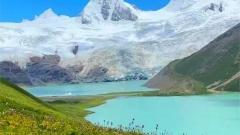
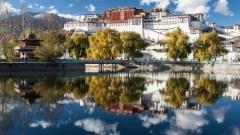
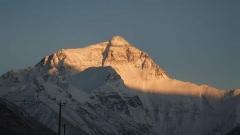
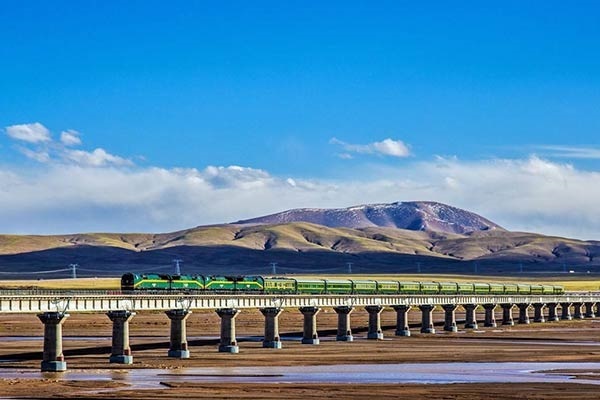
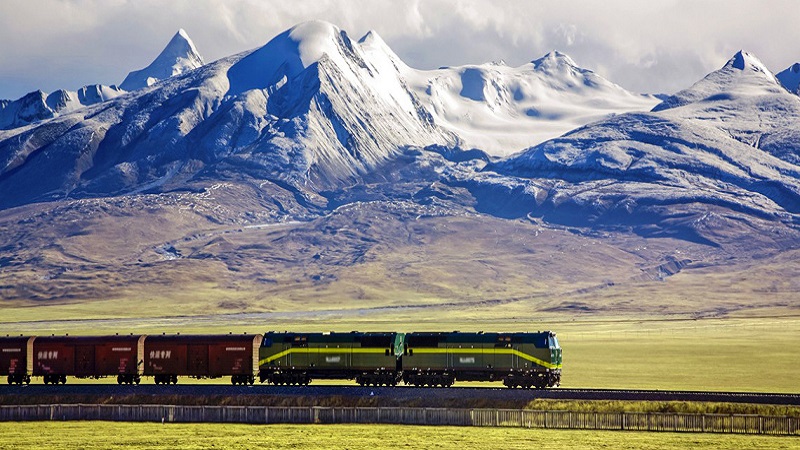
On the Qinghai-Tibetan Plateau—where the average altitude exceeds 4,000 meters—intense ultraviolet radiation, thin oxygen, drastic temperature shifts between day and night, and extremely short frost-free periods create one of the harshest environments on Earth. For most crops, this soil is a barren forbidden zone. Yet, an ancient and resilient grain flourishes here, sustaining generations of Tibetan people. This grain is the soul staple of Tibet: Highland Barley (locally known as Qingke).
Why has highland barley become the prevailing staple on the roof of the world? What unique biological traits and nutritional benefits does it hold? And how has it embedded itself into the daily lives and spiritual roots of the Tibetan people?
Why Highland Barley Became the “Life-Sustaining Crop” of the Plateau
To understand why highland barley is the primary food source in Tibet, one must first look at the unique geography and climate of the region. In most parts of Tibet, common crops like wheat and rice cannot grow due to low temperatures and oxygen scarcity. Highland barley stands out because of its extreme resilience developed over thousands of years:
Exceptional Cold and Stress Resistance
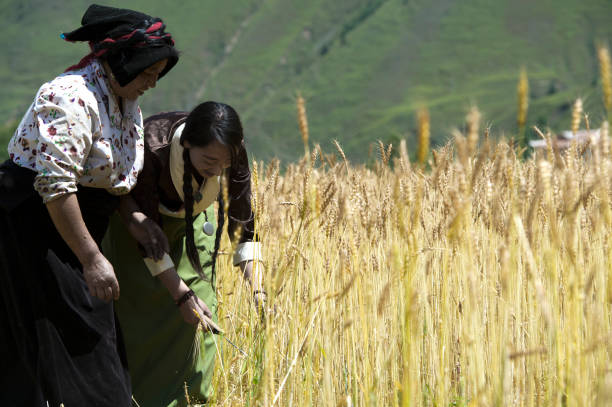
Highland barley is one of the most cold-hardy grains in the world. Its seeds can germinate in soil temperatures as low as 2°C to 4°C, and seedlings can endure frosts down to -6°C to -9°C. This extraordinary frost tolerance makes it perfectly suited for the cold, extended springs of the plateau.
Ultra-Short Growth Cycle & High Light Efficiency
Plateau summers are brief, with a frost-free window often lasting only 80 to 120 days. Highland barley matures rapidly and efficiently utilizes the intense sunlight and solar radiation of the high altitude, completing photosynthesis and nutrient accumulation in a short time to ensure harvest before the harsh winter sets in.
Drought Tolerance & Adaptability to Poor Soil
Precipitation in Tibetan farming areas is sparse and unevenly distributed. The well-developed root system of highland barley gives it strong water-absorbing capabilities and drought resistance, allowing it to yield grain even in poor, slightly saline-alkali soils.
These “extreme survival” traits make highland barley the only crop capable of providing a stable, large-scale food supply in high-altitude agricultural zones.
A Plateau Superfood: Unique Nutritional & Health Benefits
For people living in high-cold, low-oxygen environments long term, food must deliver sufficient calorie density and essential nutrients to maintain health. Modern nutritional research reveals that highland barley is not merely a grain to stave off hunger, but a true “superfood.”
Rich in β-Glucan for Heart & Cholesterol Health
Highland barley boasts one of the highest β-glucan contents among all grains worldwide (averaging 5% to 8%, far surpassing wheat and rice). As a soluble dietary fiber, β-glucan significantly aids in lowering blood cholesterol, regulating blood sugar, and boosting gut immunity.
High Dietary Fiber & Low Glycemic Index (GI)
Highland barley is packed with insoluble dietary fiber, digested slowly and steadily. Its low glycemic index means it releases energy gradually, making it ideal for physical labor and maintaining stamina in cold, high-altitude climates.
Abundant Trace Elements & Antioxidants
Highland barley is rich in iron, copper, zinc, and selenium. Selenium, in particular, offers strong antioxidant and immune-enhancing properties. Furthermore, stimulated by the intense UV rays of high altitudes, the grain accumulates high levels of polyphenols and flavonoids, providing potent anti-aging defenses and relieving high-altitude fatigue.
From Field to Table: Diverse Ways to Enjoy Highland Barley
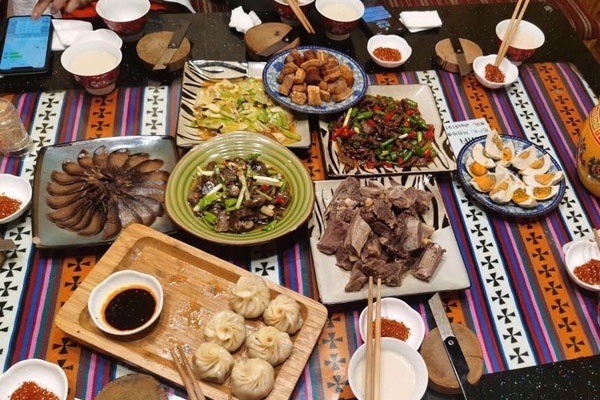
In Tibet, highland barley is much more than a bowl of grain; it permeates every aspect of daily dining in various forms.
Tsampa — The Daily Fuel of the Tibetan People
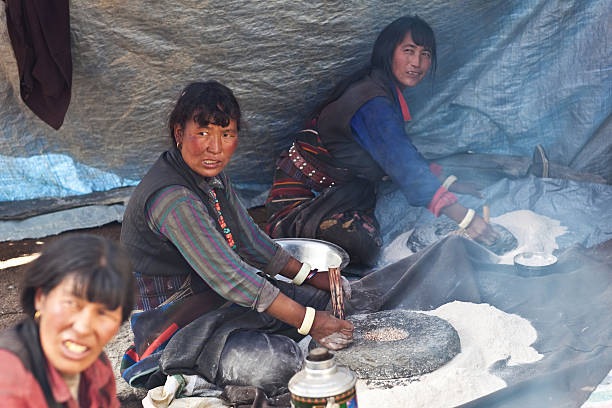
Tsampa is the most classic way to consume highland barley. The grains are washed, roasted, and ground into fine flour. To eat, the flour is mixed in a bowl with rich butter tea, dried yak meat, or cheese curds, then kneaded by hand into compact dough balls. Tsampa requires no secondary cooking, is easy to carry, and does not spoil easily—making it perfect for nomadic lifestyles and long-distance travel.
Chang (Highland Barley Wine) — A Symbol of Hospitality and Celebration
Brewed from cooked, fermented barley, Chang is a mild, sweet-and-sour alcoholic beverage. Whether during Tibetan New Year, weddings, or welcoming guests from afar, offering a warm bowl of Chang represents the highest level of hospitality in Tibetan social customs.
Modern Culinary Innovations
As times change, the applications of highland barley have diversified. From traditional barley porridge and flatbreads to modern items like barley biscuits, craft beer, artisan bread, and healthy meal-replacement powders, highland barley is stepping off the plateau onto tables around the world.
Spiritual & Cultural Anchor: A Symbol Beyond Food
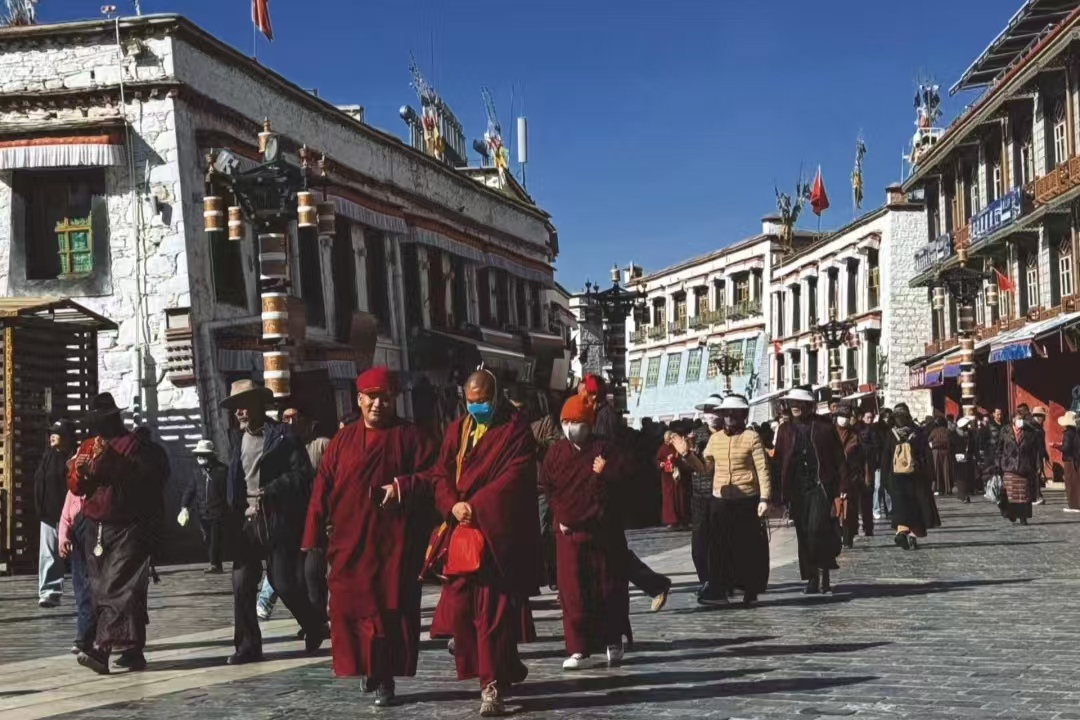
In Tibetan culture, highland barley has long transcended its role as a mere physical food source to become a deeply revered spiritual symbol.
During Tibetan New Year, families prepare a decorative wooden box called a Chemar, filled with roasted barley grains and wheat heads to pray for favorable weather and a bountiful harvest. During prayers, incense-burning ceremonies (Weisang), or religious rites, people toss barley grains into the air as sacred offerings to the deities. Highland barley stands as living proof of the plateau’s agricultural history, carrying the Tibetan people’s profound reverence and gratitude toward nature.
Highland barley, the golden grain of the snow-capped plateau, is not only a biological miracle created under extreme natural conditions, but also the cornerstone of Tibetan history and culture. It adapts to high-altitude cold with fierce vitality and nourishes the people of the plateau with rich nutrition. To understand highland barley is to open a window into the wisdom, culture, and enduring spirit of Tibet.