✨ Highlights:
- 🏡 Experience real Tibetan rural life beyond iconic landmarks with local family homestays
- 🍵 Join hands-on cultural activities: butter tea making, highland barley preparation & traditional handicraft workshops
- 🕊️ Explore quiet village spiritual traditions, prayer flags and local rituals without commercial staging
- 🌱 Enjoy sustainable travel where tourism income directly supports Tibetan rural communities
- 🤝 Break cultural stereotypes through face-to-face conversations with local villagers
- 🎊 Witness seasonal rural traditions, folk festivals and age-old farming or nomadic lifestyles
- 📚 Gain in-depth insights into plateau living wisdom, local beliefs and Tibetan folk heritage
- ✅ Travel responsibly with practical etiquette tips for respectful community visits in rural Tibet
For most foreign travellers, Tibet is often defined by iconic landmarks: the Potala Palace, sacred high-altitude lakes, and snow-capped Himalayan peaks. While these famous sites showcase Tibet’s grand natural and spiritual beauty, they only tell a small part of the region’s story. The most authentic, touching, and unforgettable travel experiences in Tibet lie hidden in its quiet rural villages, where traditional lifestyles remain untouched by modern commercialization. A Rural Tibet community visit offers foreign travellers far more than ordinary sightseeing—it delivers immersive, meaningful Tibet cultural encounters for foreign travellers that bridge cultural gaps, challenge stereotypes, and create lifelong memories.
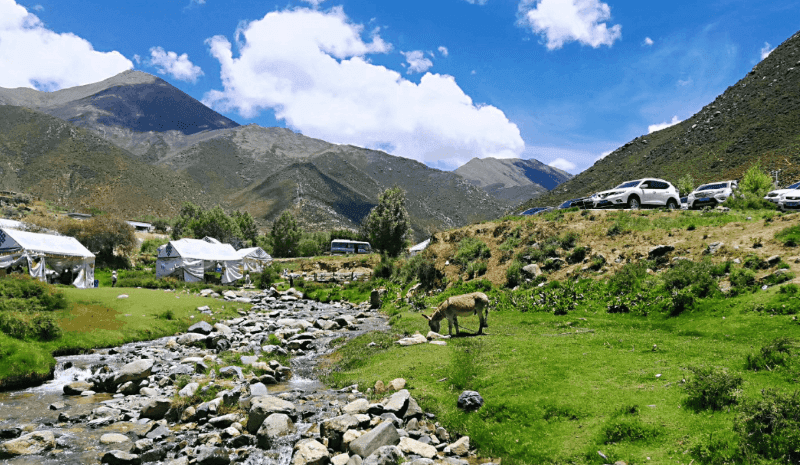
Unlike standard tourist tours that prioritize photo opportunities and quick stopovers, community-based rural Tibet travel invites international visitors to engage with local residents, participate in daily rituals, and understand the core values of traditional Tibetan culture. In this article, we explore why sustainable community travel in rural Tibet has become a top choice for mindful foreign travellers, what unique cultural encounters await in Tibetan rural communities, and how this responsible travel model benefits both visitors and local villages.
Why Rural Tibet Community Visits Stand Out From Conventional Tibet Tours
Traditional Tibet travel itineraries are usually centered around Lhasa’s urban attractions and well-known scenic spots, with fixed routes and standardized sightseeing content. These tours allow foreign travellers to witness Tibet’s spectacular scenery but rarely provide chances to connect with local people or experience real Tibetan life. Most tourists leave with beautiful photos but little in-depth understanding of Tibetan traditions, folk customs, or daily values. In contrast, a Rural Tibet community visit redefines the Tibet travel experience by shifting the focus from “viewing scenery” to “experiencing culture”.
First and foremost, rural Tibetan villages preserve authentic, living traditional culture. Unlike tourist areas with staged performances and commercialized displays, remote rural communities such as Jungba Fishing Village, Trubshi Village, and Niru Village retain centuries-old lifestyles passed down through generations. Local villagers maintain traditional production methods, religious rituals, and folk traditions in their daily lives, offering foreign travellers a raw, unfiltered view of Tibetan culture. Every interaction—sharing a home-cooked meal, learning a traditional craft, or listening to local legends—becomes a genuine cultural encounter rather than a scripted tourist activity.
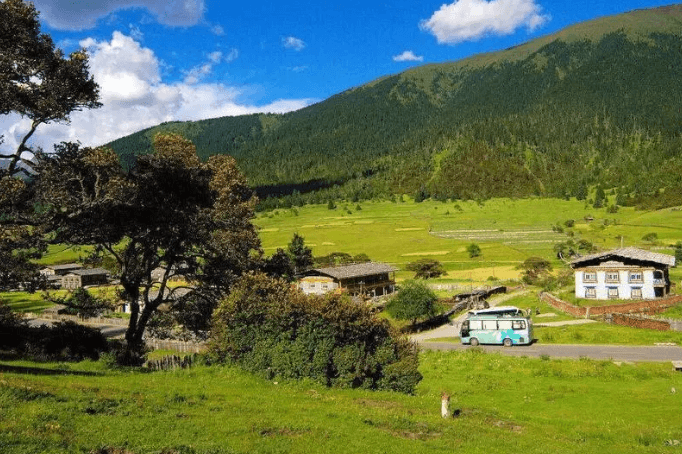
Visit The Dragon Valley at Lulang
Secondly, community visits enable equal, heartfelt cross-cultural communication. Many foreign travellers hold stereotypical perceptions of Tibet shaped by limited media coverage. Rural community interactions break these biases through real human connections. When travellers stay with local Tibetan families, chat with villagers, and participate in daily chores, they witness the warmth, simplicity, and optimism of rural Tibetan people. These face-to-face encounters build mutual understanding and respect, turning abstract cultural knowledge into tangible emotional experiences.
Additionally, responsible Tibet community tourism supports sustainable and eco-friendly travel development. Unlike mass tourism that may disrupt local ecosystems and traditional social structures, community-based visits are led and managed by local villagers. Tourism income directly benefits local families, supporting rural infrastructure development, cultural heritage protection, and youth retention in rural areas. For eco-conscious foreign travellers, this travel model allows them to explore a new culture while contributing positively to local community development, making every trip meaningful and valuable.
Core Meaningful Cultural Encounters for Foreign Travellers in Rural Tibet
An immersive Tibetan village tour for overseas visitors is a multi-dimensional cultural journey that touches upon food culture, traditional craftsmanship, religious civilization, folk festivals, and nomadic rural lifestyles. Each cultural encounter is unique, immersive, and deeply enlightening for international visitors.
Immersive Homestay and Culinary Culture Experience
Staying with local Tibetan families is the highlight of rural community travel and the most direct way to integrate into local life. An authentic Tibetan village homestay provides foreign travellers with a one-of-a-kind experience far different from luxury urban hotels. Travellers can sleep in traditional Tibetan-style rooms decorated with hand-painted murals, wooden furniture, and religious ornaments that reflect local aesthetic and spiritual beliefs.
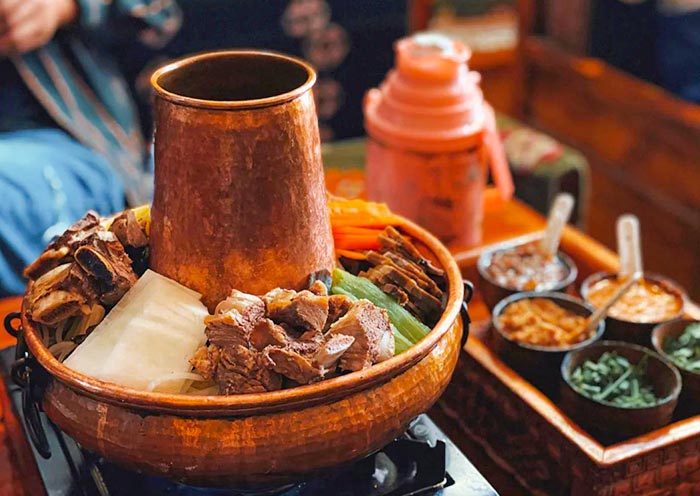
Tibetan-Style Hot Pot
Tibetan culinary culture is an essential carrier of local history and high-altitude living wisdom. This unique cultural homestay experience in rural Tibet allows foreign travellers to taste authentic home-made Tibetan food, including highland barley cakes, butter tea, yak meat, and Tibetan momos. More than just tasting delicious food, travellers can join local hosts to prepare meals: kneading highland barley dough, brewing butter tea, and learning simple Tibetan cooking skills. Local families often share the stories behind Tibetan food culture—how highland barley adapts to Tibet’s harsh plateau climate, how butter tea provides warmth and energy for high-altitude life, and how traditional food production techniques have been preserved for thousands of years. This hands-on culinary encounter lets foreign travellers understand how Tibetan culture closely integrates with nature and daily survival.
In-depth Understanding of Traditional Tibetan Craftsmanship
Rural Tibetan villages are living museums of traditional intangible cultural heritage. Away from urban commercialization, local craftsmen still adhere to ancient handmade techniques, creating exquisite works that embody Tibetan cultural aesthetics and spiritual connotations. During community visits, foreign travellers can observe and learn classic Tibetan crafts from local artisans.
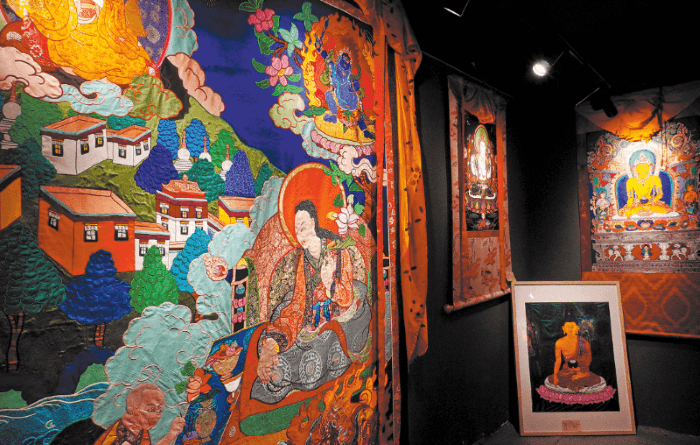
Exquisite Tibetan Thangkas
Wood carving, stone carving, and thangka painting are the most representative traditional crafts in rural Tibet. Village craftsmen patiently explain the symbolic meanings of carving patterns—Buddhist symbols, prayer motifs, and daily plateau life scenes that reflect Tibetan people’s reverence for nature and faith. Travellers can try simple carving and painting processes under professional guidance, feeling the patience and concentration behind Tibetan craftsmanship. In addition, rural women’s hand-weaving and silver jewelry making are equally charming. Traditional Tibetan chuba robes, pleated woolen skirts, and turquoise and coral ornaments are all handmade with elaborate techniques, carrying the aesthetic inheritance of Tibetan folk culture.
These craft encounters allow foreign travellers to appreciate the uniqueness and profundity of Tibetan traditional art beyond superficial visual appreciation.
Spiritual and Religious Cultural Encounters
Religious culture is the core spiritual pillar of Tibetan rural life, penetrating every aspect of villagers’ daily behaviors and festival customs. Different from crowded urban monasteries, rural religious sites and folk religious rituals are more down-to-earth and authentic, offering foreign travellers a quiet space to perceive Tibetan spiritual civilization.
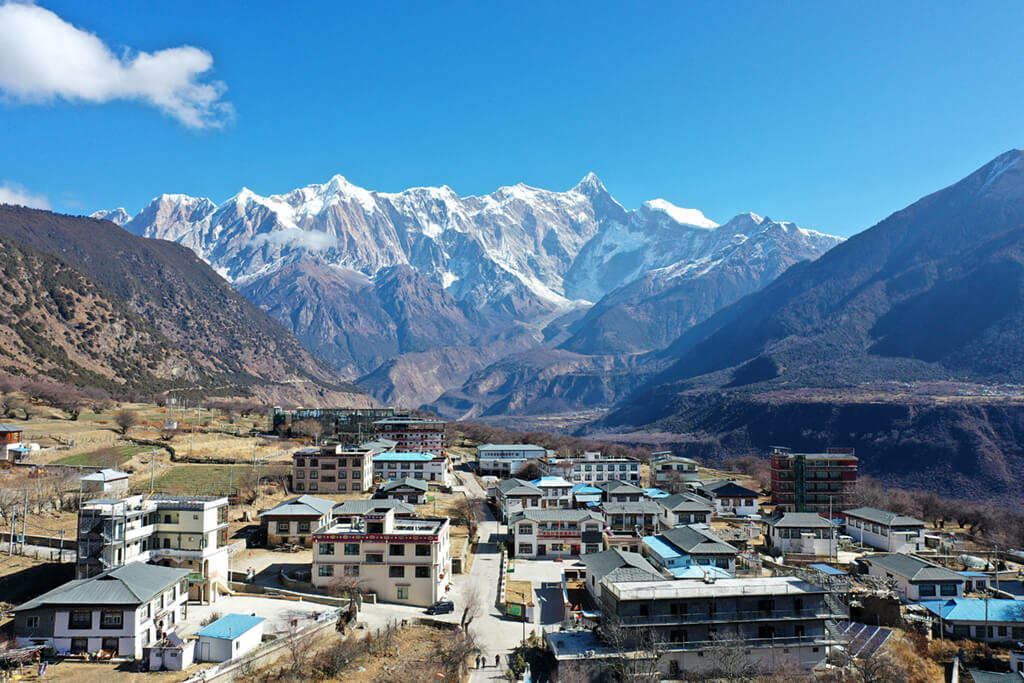
Suosong Village
In rural villages, travellers can see fluttering prayer flags on mountain slopes and village entrances, rotating prayer wheels beside houses, and villagers lighting butter lamps every morning and evening. Local guides and villagers will explain the cultural meanings of these rituals: prayer flags carry people’s blessings for peace and harvest, prayer wheels represent persistent piety, and butter lamps symbolize inner brightness and compassion. Some ancient villages like Niru Village still preserve traditional Bon religion customs and thousand-year-old folk ritual traditions. Foreign travellers can witness simple and grand rural religious ceremonies, listen to local elders tell ancient religious legends and village history, and understand how faith guides local people’s lifestyles, values, and interpersonal relationships. This spiritual cultural encounter helps foreign travellers feel the peaceful, inclusive, and devout spiritual temperament of Tibetan culture.
Authentic Nomadic and Rural Lifestyle Experience
Many rural areas in Tibet retain traditional nomadic and farming lifestyles that have lasted for centuries. For foreign travellers accustomed to modern urban fast-paced life, experiencing plateau rural production and life is a rare and precious cultural impact. In pastoral areas, travellers can live in traditional yak-hair tents, follow local herdsmen to herd yaks and sheep on vast grasslands, and feel the intimate connection between Tibetan people and nature. In agricultural villages, they can participate in highland barley sowing and harvesting, understand the plateau’s unique agricultural rhythm, and experience the hard work and simplicity of rural Tibetan people.
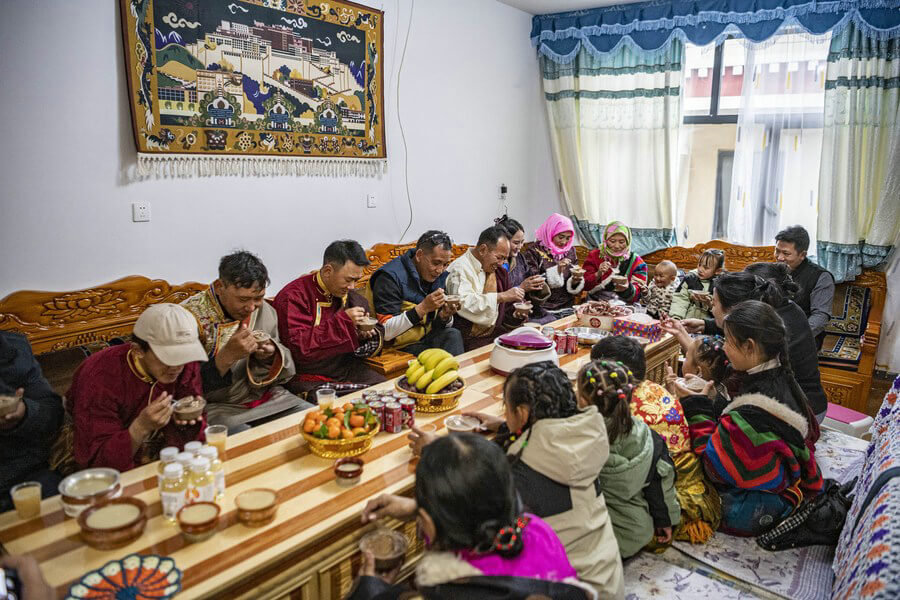
Traditional Tibetan Family Gatherings
In leisure time, travellers can walk through quiet village trails, watch local children play traditional folk games, and communicate with elderly villagers. In some ecological villages like Moska Village, travellers can even interact with plateau marmots, feeling the harmonious coexistence between local villages and wild creatures. These trivial but real life scenes completely break the stereotyped impression of Tibet as a “distant and mysterious land”, presenting a vivid, warm, and vibrant rural Tibet to foreign visitors.
Folk Festival Cultural Immersion
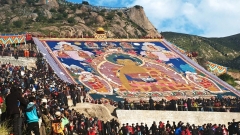
If travel time coincides with local folk festivals, foreign travellers will gain the most lively and grand cultural encounter experience. Rural Tibetan villages retain pure and complete festival traditions without commercial modification. During traditional festivals such as the Danba Festival and local horse racing festivals, villagers wear the most exquisite traditional costumes, hold folk competitions, and gather together to sing and dance.
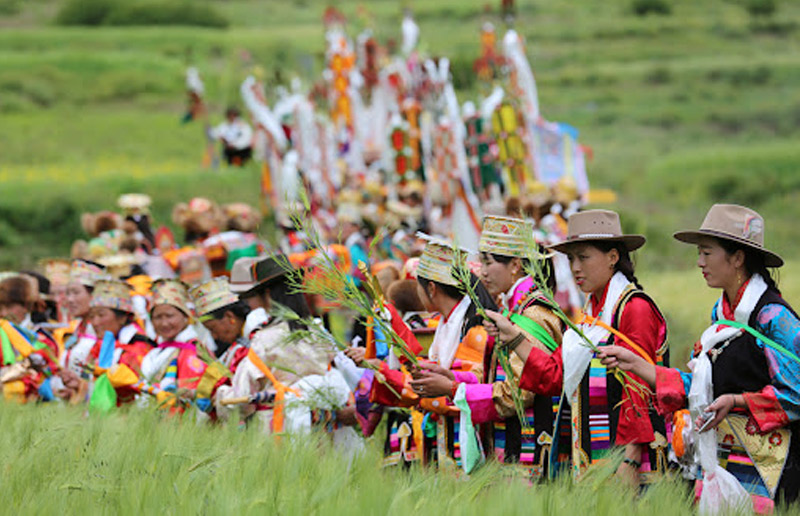
Tibet Ongkor Festival
Foreign travellers can join villagers in festival celebrations, watch exciting grassland horse races, appreciate traditional Tibetan songs and dances, and participate in collective blessing rituals. In these festive scenes, travellers can intuitively feel the strong cohesion of Tibetan rural communities and the passion and optimism of local people. Festival cultural encounters allow international visitors to understand the inheritance of Tibetan folk culture and the spiritual pursuit of Tibetan people praying for good weather, peace, and prosperity.
Unique Travel Value of Rural Tibet Community Visits for Foreign Travellers
Breaking Cultural Stereotypes and Building Real Cognition
Most foreign travellers form their understanding of Tibet through online videos and news reports, which are often one-sided and stereotyped. A Rural Tibet community visit enables travellers to see a real, three-dimensional, and vivid Tibet through personal experience. They witness the stable and happy life of rural Tibetan villagers, the complete inheritance of traditional culture, and the harmonious integration of ecological protection and rural development. These real encounters eliminate misunderstandings and prejudices, letting foreign travellers become authentic disseminators of Tibetan culture after returning home. They share their travel stories and cultural experiences on social platforms, helping more international audiences understand the true charm of rural Tibet.
Gaining In-depth Cross-cultural Thinking and Spiritual Healing
Modern urban life is full of competition and anxiety, while rural Tibet’s simple folk customs, peaceful living atmosphere, and magnificent natural scenery bring strong spiritual healing to foreign travellers. In rural Tibetan communities without noisy commercialization, travellers can slow down, stay away from the impetuous modern pace, and feel the simplicity and sincerity of human relationships. Through communication with local villagers, they learn about the plateau people’s optimistic attitude towards life in harsh natural environments and their persistent inheritance of traditional culture. This cross-cultural experience triggers travellers’ thinking about life, culture, and nature, bringing unique spiritual growth that luxury tourism cannot provide.
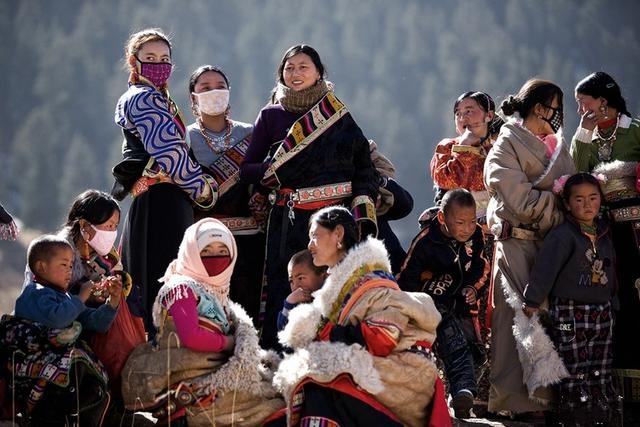
Tibetan People
Participating in Responsible and Sustainable Tourism
Sustainable community travel in rural Tibet adheres to the concept of sustainable tourism, realizing the win-win of cultural inheritance, ecological protection, and rural development. Different from mass tourism that may damage local ecology and culture, community-based travel is dominated by local villagers, with standardized and low-impact travel rules. Tourism income is directly used for rural cultural protection, ecological maintenance, and family livelihood improvement. For foreign travellers, choosing a rural community visit means choosing a responsible travel method. Every consumption and participation supports the sustainable development of Tibetan rural areas, allowing traditional Tibetan culture to be better inherited and passed on.
Practical Tips for Foreign Travellers for a Better Rural Tibet Community Visit
To gain more meaningful Tibet cultural encounters for foreign travellers in rural Tibet, foreign travellers need to abide by local customs and travel norms. First, respect local religious beliefs and folk taboos, avoid inappropriate behaviors in religious sites and folk activities, and maintain a pious and respectful attitude. Second, keep an open and inclusive mind, take the initiative to communicate with local villagers, and actively participate in community cultural activities rather than passive sightseeing. Third, adhere to eco-friendly travel, protect rural ecological environments and cultural relics, and do not damage vegetation, carve cultural relics, or disturb local residents’ normal life. Finally, choose formal community-based travel routes and local homestay projects to ensure travel safety and guarantee that tourism benefits truly feed into local rural development.
Conclusion
A Rural Tibet community visit is far more than a simple plateau travel experience; it is a precious journey of cultural dialogue and spiritual resonance. Away from the noise of commercial scenic spots, the rural communities of Tibet retain the most authentic Tibetan cultural genes and the simplest human warmth. For foreign travellers, every cultural encounter in rural Tibet—homestay communication, craft experience, spiritual perception, and festival immersion—can break cultural barriers, enrich travel cognition, and leave profound and lasting memories.
In the era of experiential and responsible tourism, responsible Tibet community tourism has become a high-value travel choice for international travellers pursuing in-depth cultural experience. It not only allows foreign visitors to explore the unique charm of Tibetan traditional culture but also promotes cross-cultural understanding and communication, letting the world see a vibrant, authentic, and beautiful rural Tibet. For every traveller who longs for sincere cultural encounters and unique spiritual experiences, an immersive Tibetan village tour for overseas visitors is undoubtedly an indispensable journey in life.