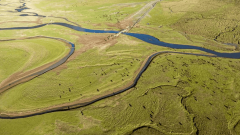

✨ Highlights:
- 🚞 Iconic Plateau Train Ride: Travel the world‑famous Qinghai‑Tibet Railway, the legendary sky‑road crossing the Qinghai‑Tibet Plateau from Xining to Lhasa.
- 🏔️ Breathtaking On‑board Views: Witness Qinghai Lake, Hoh Xil wildlife, Tanggula Pass, snow‑capped mountains and Tibetan grasslands right from your train window.
- 🎫 Practical Ticket & Berth Advice: Handy Xining to Lhasa train ticket tips to help you pick the best train and sleeper berth for comfortable travel.
- 🩺 Altitude Sickness Guidance: Clear advice for altitude sickness on Qinghai‑Tibet train, including pre‑trip preparation and in‑car adaptive skills.
- 📅 Seasonal Travel Tips: Find the best time to take Qinghai‑Tibet railway, covering summer blossom, golden autumn and quiet winter options.
- 🎒 Packing & On‑train Hacks: Must‑have items and practical onboard tips to improve your long‑distance plateau train‑travel experience.
The Qinghai-Tibet Railway, hailed as the “Sky Road on the Roof of the World“, is one of the most iconic railway routes on Earth. Stretching across the vast Qinghai-Tibet Plateau, this world-class high-altitude railway connects Xining, Qinghai Province, with Lhasa, Tibet Autonomous Region, spanning 1,956 kilometers and crossing snow-capped mountains, alpine grasslands, and pristine lakes. Taking the Qinghai-Tibet Railway is not merely a means of transportation to Lhasa, but a once-in-a-lifetime immersive plateau travel experience. This comprehensive Qinghai-Tibet railway journey guide covers route selection, best train schedules, core scenic spots along the way, altitude sickness prevention, travel preparation, and practical on-board tips, helping travelers plan a smooth, comfortable, and breathtaking plateau journey in 2026.
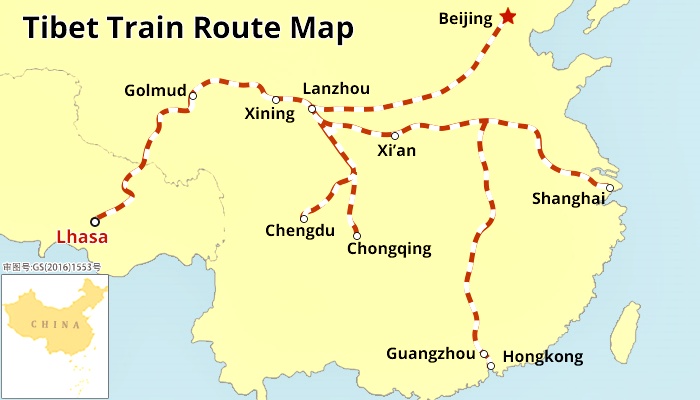
Overview of the Qinghai-Tibet Railway
Officially opened to traffic in 2006, the Qinghai-Tibet Railway is the world’s highest-altitude and longest plateau railway with permafrost sections. It boasts multiple world records, including the highest railway pass (Tanggula Pass, over 5,072 meters above sea level) and the longest permafrost railway track. A Qinghai-Tibet train travel experience stands out from ordinary plateau trips, as the gradual altitude ascent by train allows travelers to adapt physically step by step, greatly reducing the risk of severe altitude reaction. Meanwhile, the window scenery changes layer by layer from pastoral plains to alpine wilderness, offering a panoramic view of the unique ecological landscape of the Qinghai-Tibet Plateau.
All trains heading to Lhasa will switch to oxygen-supplied plateau train carriages at Xining Station. The entire Xining-Lhasa section is equipped with full-time oxygen supply, pressure regulation, and professional plateau medical support, ensuring travel safety for passengers. Most through trains from major domestic cities such as Beijing, Shanghai, Guangzhou, and Chengdu converge at Xining before entering the core section of the Qinghai-Tibet Railway, which is also the starting point of the most beautiful scenery along the route.
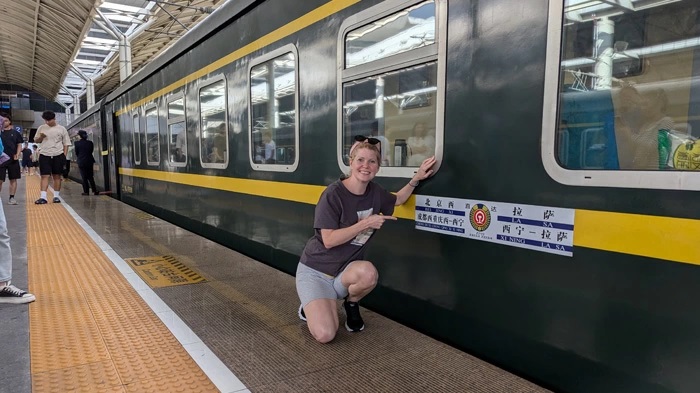
Xining Station
Best Train Routes & Ticket Selection Guide
Choosing the right train and seat type is the core of a high-qualityQinghai-Tibet railway journey. Different departure cities and train schedules determine the viewing experience and travel comfort. Below is the most practical route and ticket strategy for 2026, including essential Xining to Lhasa train ticket tips for first-time travelers to avoid common booking mistakes.
1. Recommended Core Train Numbers
There are 7 major through routes to Lhasa nationwide, and the most worth-recommended trains are those with daytime plateau travel time to maximize scenery viewing. This practical Train to Lhasa guide sorts out the top choices suitable for all types of travelers:
– Z164 (Shanghai-Lhasa): The most popular cross-country plateau train. It departs at night and passes through Xining in the early morning. The whole day is spent traveling on the Qinghai-Tibet Plateau, allowing passengers to enjoy Qinghai Lake, Golmud Gobi, Tanggula Snow Mountains, and Nyainqentanglha Mountains in sequence, with a super high scenery coverage rate.
– Z6811 (Xining-Lhasa): The purest plateau special line with a travel time of about 20 hours. It departs in the morning and arrives in Lhasa in the early morning of the next day, covering all classic scenic spots. It is the first choice for travelers who take high-speed trains to Xining and then transfer to the plateau train.
– Z21 (Beijing-Lhasa): Classic northbound route. It arrives at Xining at noon, with open viewing time in the afternoon and night. Travelers can enjoy the sunset scenery of the plateau Gobi and wake up to the snow mountain scenery near Lhasa.
It is not recommended to take evening transfer trains that pass through the core scenic areas at night, as you will miss most of the plateau’s natural landscapes.
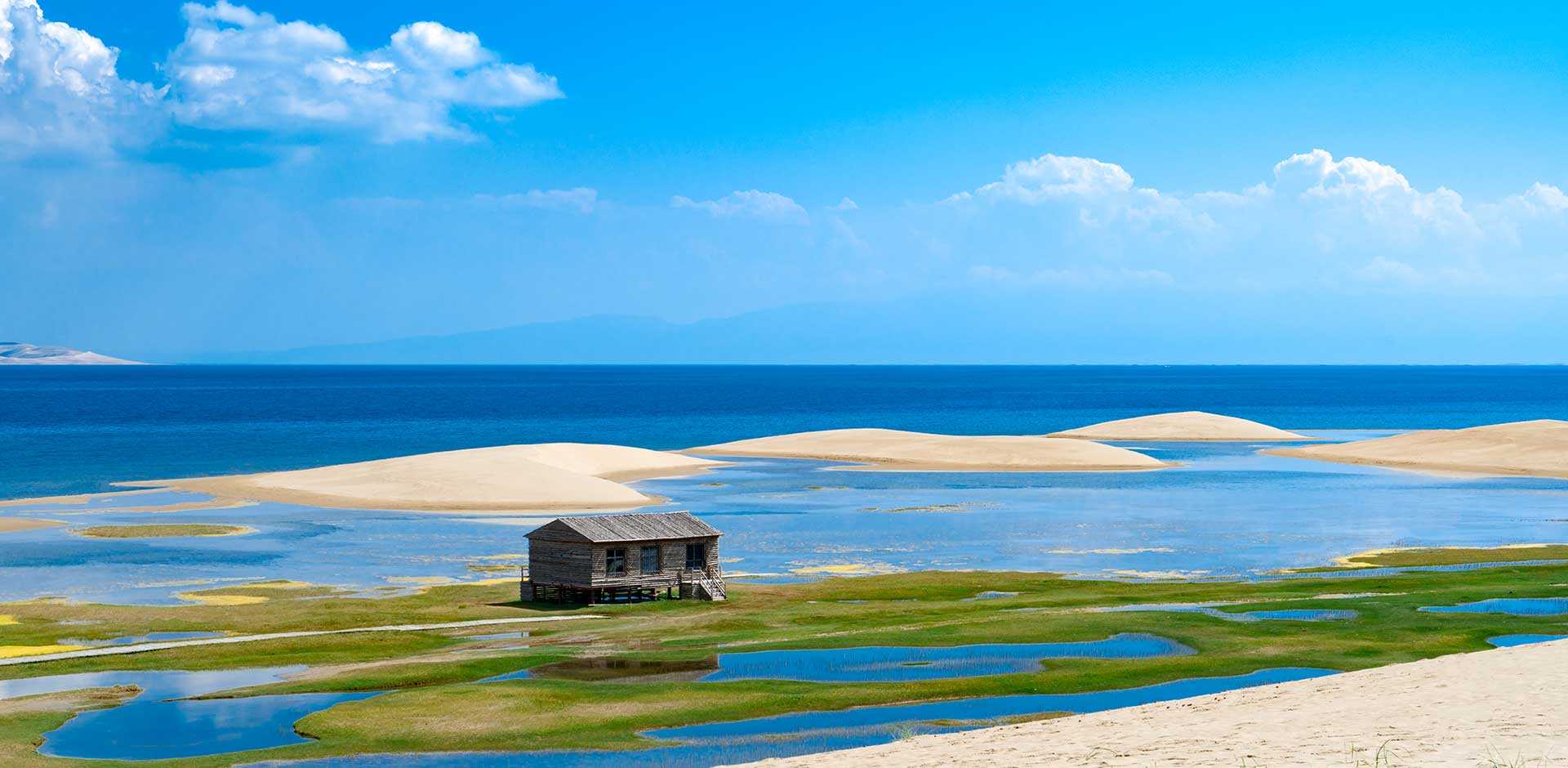
Qinghai Lake
2. Seat/Berth Selection Tips
For the long-distance Qinghai-Tibet railway journey, berths are far more suitable than seats, especially for altitude adaptation and physical comfort:
–Lower berth: The best choice for plateau travel. It features larger space, no need for frequent climbing, stable body state conducive to altitude adaptation, and the best window viewing vision, suitable for all travelers, especially the elderly and those traveling for the first time to the plateau.
– Middle/upper berth: Cost-effective options, but climbing up and down will consume physical strength and may induce altitude discomfort, not recommended for first-time plateau travelers.
– Hard seat: Cheap but extremely tiring. Long-term sitting will cause poor blood circulation and increase the risk of altitude sickness, not recommended for journeys over 10 hours.
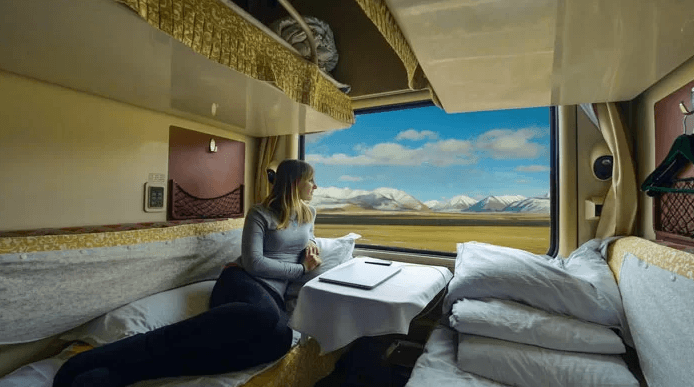
Qinghai-Tibet Railway seat: Middle/upper berth
Must-See Scenery Along the Qinghai-Tibet Railway
The 1,956-kilometer Xining-Lhasa route is a mobile plateau landscape gallery. The altitude rises gradually from 2,260 meters in Xining to 3,650 meters in Lhasa, with diverse scenery along the way. The following classic scenic spots are the highlight of the Qinghai-Tibet railway journey guide, which must not be missed.
1. Xining – Golmud Section: Lakes and Gobi Wetland Scenery
This section belongs to the early plateau transition zone with gentle altitude changes. The train passes through the northern shore of Qinghai Lake, China’s largest inland lake. In summer, the lakeside is covered with golden rapeseed flowers, matching the blue lake water and blue sky, forming a fresh and bright pastoral scenery. After passing Qinghai Lake, the landscape transitions to the vast Qaidam Gobi, with endless desert and Yadan landforms, presenting a desolate and magnificent western style. The train also passes through Chaka Salt Lake periphery, where the mirror-like lake surface reflects snow-capped mountains, creating a dreamy visual effect.
2. Golmud – Tanggula Section: Snow Mountain and Wilderness Grand View
After departing Golmud, the train officially enters the high-altitude core area, with the altitude rising rapidly. This section is the most shocking part of the whole journey. Travelers can see the majestic Kunlun Snow Mountains, with snow-capped peaks standing all year round and glaciers stretching endlessly. Further forward is the Hoh Xil No Man’s Land, a paradise for wild animals. It is common to spot Tibetan antelopes, wild yaks, and Tibetan foxes foraging and walking on the grassland beside the railway.
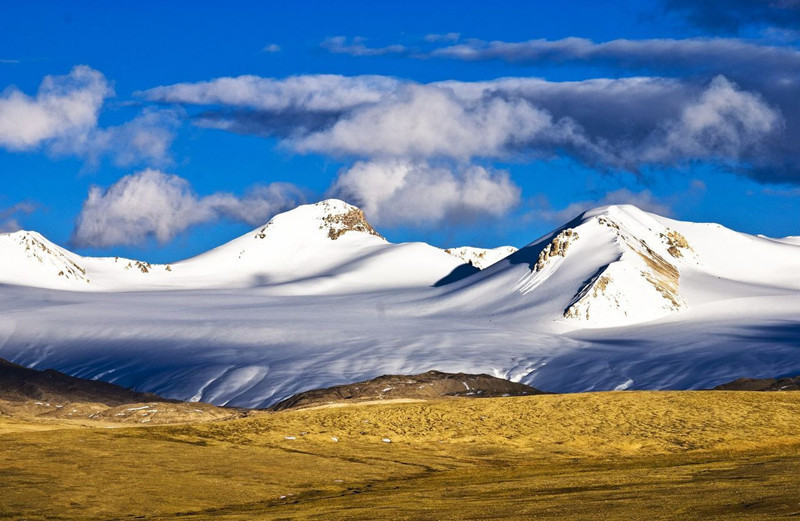
Tanggula Pass
Tanggula Pass, the highest point of the Qinghai-Tibet Railway, is the core check-in spot. At an altitude of 5,072 meters, the surrounding snow mountains are stacked, the sky is extremely blue, and the clouds are within reach, bringing a strong sense of shock and healing.
3. Tanggula – Lhasa Section: Pastoral and Holy Land Scenery
After crossing Tanggula Pass, the altitude gradually decreases, and the landscape becomes softer. The train passes through Cuona Lake, a pure alpine lake with crystal-clear lake water and green grasslands all around. Then it moves forward along the Nyainqentanglha Mountain range, with continuous snow peaks and rolling grasslands. Near Lhasa, you can see typical Tibet pastoral scenes: Tibetan villages, yaks grazing freely, and prayer flags fluttering in the wind, full of strong regional religious and humanistic customs, until finally arriving at Lhasa Station at the foot of the Potala Palace.
Altitude Sickness Prevention & Safety Guide
Altitude reaction is the primary concern of all travelers taking the Qinghai-Tibet Railway. Many travelers worry about altitude sickness on Qinghai-Tibet train during their trip, but scientific prevention and correct response are key to a smooth journey. Different from sudden air entry into Tibet, the train’s gradual altitude rise greatly adapts the human body, and most people only have mild discomfort.
1. Pre-journey Preparation
One week before departure, avoid strenuous exercise, stay up late, and excessive fatigue. Keep a regular work and rest routine to maintain good physical condition. Travelers with poor physical fitness can prepare altitude sickness relief drugs in advance. It is forbidden to drink alcohol before and during the journey, as alcohol will accelerate oxygen consumption and aggravate altitude reaction.
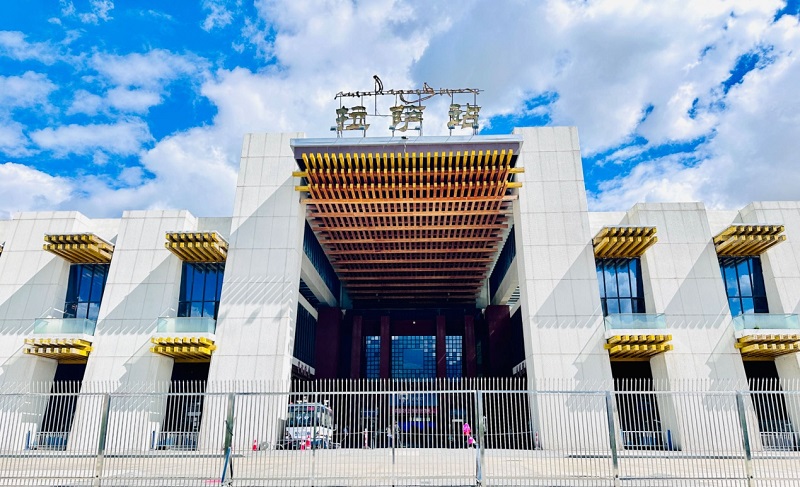
Lhasa Railway Station
2. On-board Adaptive Skills
After the train starts oxygen supply at Xining, keep the carriage windows closed to maintain indoor oxygen concentration. Do not run, jump or climb frequently in the carriage; walk slowly and move appropriately every hour to promote blood circulation. Drink 1.5-2 liters of warm water every day to accelerate metabolism and relieve altitude dryness. It is advisable to eat 70% full for each meal, avoid greasy and cold food, and reduce gastrointestinal burden.
3. Symptom Response Measures
Mild symptoms such as headache, dizziness, dry mouth and insomnia are normal altitude reactions. You can relieve them by resting quietly, drinking warm water and breathing slowly. If severe symptoms such as difficulty breathing, continuous vomiting, chest tightness and fever occur, immediately press the carriage emergency call button and contact professional train attendants for medical assistance. Do not hold on forcibly.
Essential Travel Items & On-board Tips
The Qinghai-Tibet Plateau has low temperature, strong ultraviolet rays, dry air and unstable signal. Targeted preparation of travel items can effectively improve the travel experience. This part of the Qinghai-Tibet railway journey guide sorts out the most practical item red and black lists and on-board strategies.
1. Must-carry Items
– Daily supplies: High-power power bank (intermittent train signal, long standby time required), lip balm, nasal spray (improve plateau dryness), moisturizing skin care products, sunscreen and sun hat (strong plateau ultraviolet rays).
– Food supplements: High-energy foods such as chocolate, glucose tablets, nuts and fruits can quickly replenish physical strength and relieve altitude fatigue. Avoid single instant noodles for a long time to prevent nutritional imbalance.
– Comfort supplies: Disposable bed sheets, eye masks and earplugs to improve long-distance riding comfort and ensure rest quality.
2. On-board Practical Tips
– Network signal: The plateau section has unstable mobile signals. Download movies, music and travel guides in advance to avoid boring journey time.
– Temperature adaptation: The plateau temperature changes greatly. Even in summer, prepare a thin down jacket or windproof coat. Wear warm clothes when getting off at intermediate stations for photos to avoid colds.
– Photo strategy: The best viewing and photography side is generally the left side of the train. Clean the window glass in advance to shoot clear snow mountain and lake scenery.
– Behavioral taboos: Do not smoke in the oxygen-supplied carriage to avoid safety hazards. Do not do strenuous exercise to prevent sudden altitude sickness.
Best Travel Time for Qinghai-Tibet Railway Journey
Figuring out the best time to take Qinghai-Tibet railway is crucial for capturing the most stunning plateau scenery and enjoying a comfortable travel experience. The suitable travel period for the Qinghai-Tibet Railway is from May to October every year, with distinct scenery characteristics in different seasons:
– May-June: The plateau grassland turns green, the temperature is mild, there are few tourists, and the travel experience is comfortable, suitable for travelers who like quiet travel.
– July-August: The peak tourist season. The lakeside rapeseed flowers are in full bloom, the grassland is lush, and the wild animal activity frequency is high, with the most beautiful scenery of the whole year. It is recommended to book tickets in advance.
– September-October: The plateau is golden in autumn, with layered grassland colors and high transparency of sky and lake water, suitable for landscape photography.
November to April of the next year is the plateau winter. The temperature is low, but the snow scenery is magnificent, with fewer tourists and lower travel costs, suitable for niche travel enthusiasts.
Final Travel Suggestions
Taking the Qinghai-Tibet Railway to Lhasa is a spiritual journey across the roof of the world. Different from the fast-paced air travel, the train journey allows every traveler to slowly approach, perceive and integrate into the plateau. In the 30-hour journey, you will witness the transformation from mortal wilderness to holy snow land, feel the grandeur and gentleness of nature, and understand the unique charm of Tibet’s “no lack of faith despite oxygen shortage”.
Before traveling, please confirm the ticket and identity documents in advance, make adequate physical and material preparations, maintain a peaceful attitude, and avoid excessive tension and excitement. Abide by railway regulations and plateau travel etiquette during the journey, protect the fragile plateau ecological environment, and leave a pure and beautiful travel memory for yourself.
This 2026 latest Qinghai-Tibet railway journey guide systematically sorts out all core links of route selection, scenery viewing, safety prevention and travel preparation. Whether it is a first-time plateau traveler or a travel enthusiast pursuing niche scenery, it can provide accurate and practical reference to help you complete a perfect sky road journey.