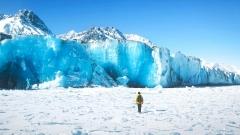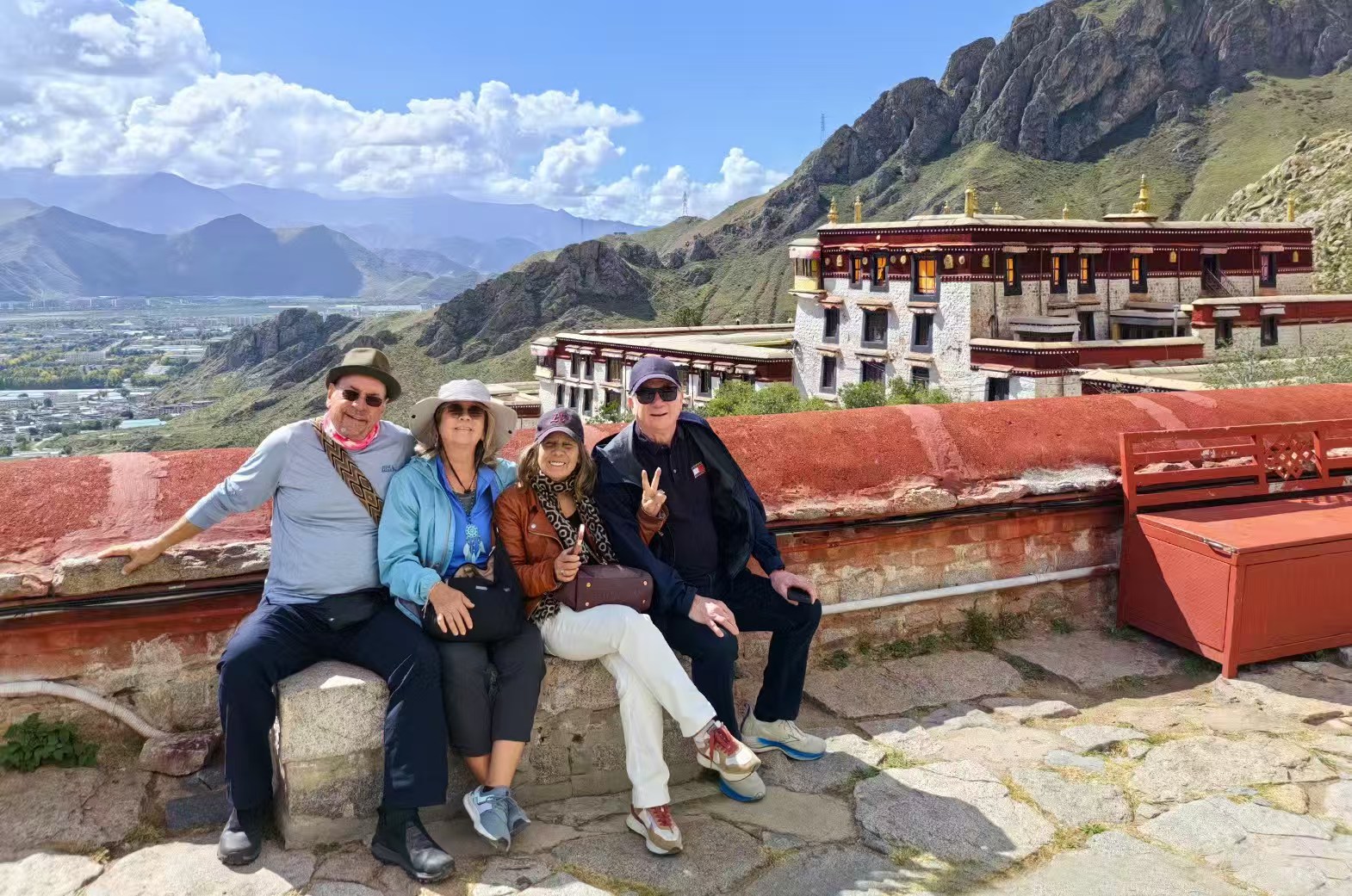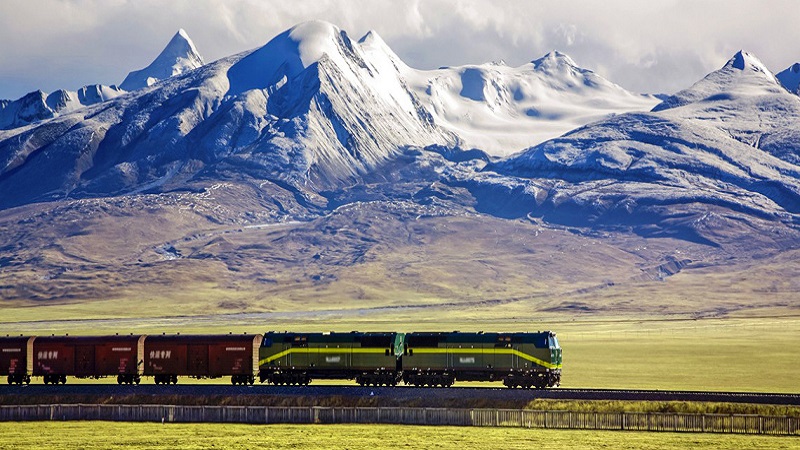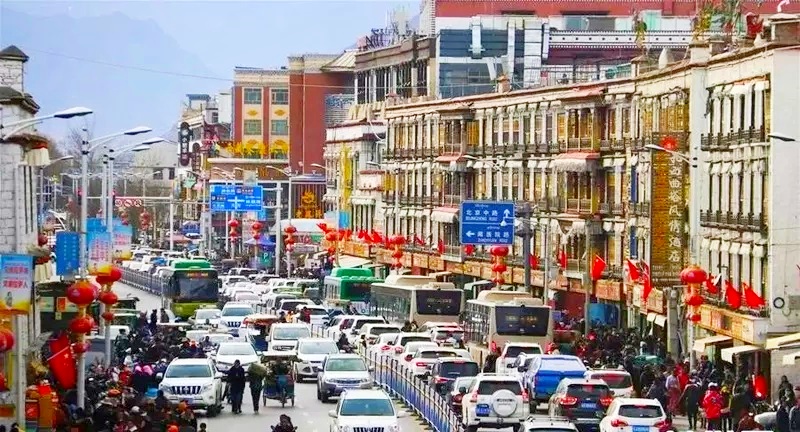

Tibet, known as the “Roof of the World“, is a destination that captures the imagination of travelers across the globe. From the golden roofs of the Potala Palace to the turquoise waters of Yamdrok Lake and the towering north face of Mount Everest, Tibet offers landscapes and cultural experiences found nowhere else on Earth. Yet there is one challenge that every visitor must face: altitude.
With an average elevation exceeding 4,500 meters (14,800 feet) and major cities like Lhasa sitting at 3,650 meters (11,975 feet), Tibet is the highest region on the planet. For most travelers arriving from sea level, the thin air can trigger altitude sickness in Tibet — also known as Acute Mountain Sickness (AMS). The good news is that with proper preparation, a well-paced itinerary, and the right knowledge, the vast majority of travelers can prevent or minimize symptoms and fully enjoy their Tibetan adventure.
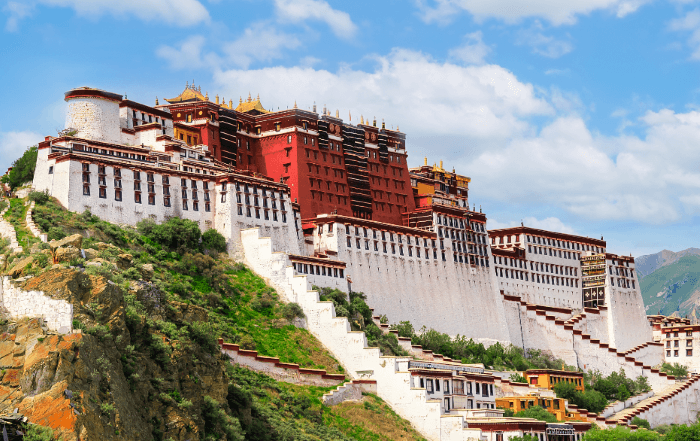
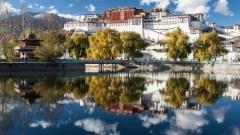
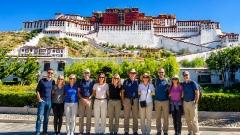
Potala Palace
This comprehensive guide covers everything you need to know about Tibet altitude sickness prevention, including how your body adapts, what to do before you go, how to manage your first critical days, which medications can help, and how to recognize the warning signs that demand immediate action. Whether you are a first-time visitor or a returning traveler, understanding how to avoid altitude sickness in Tibet is the single most important factor in ensuring a safe and memorable trip.
🌟 Highlights:
- 🏔️ Gradual ascent is the #1 rule — never rush to higher elevations before your body has adapted
- 💧 Stay hydrated — drink 3–4 liters of water daily in Tibet’s dry mountain air
- 🚫 Avoid alcohol and smoking for at least the first 48–72 hours after arrival
- 💊 Acetazolamide (Diamox) can speed acclimatization — start 24–48 hours before ascent
- ⚠️ Know the red flags — severe headache, vomiting, confusion, or breathlessness at rest means descend immediately
- 🗺️ — a well-designed tour gives your body the acclimatization time it needs
Understanding Altitude Sickness in Tibet
Altitude sickness occurs when you travel to a high elevation too quickly, and your body does not have enough time to adjust to the reduced oxygen pressure in the air. At 3,650 meters (Lhasa’s altitude), the available oxygen is roughly 65% of what you would breathe at sea level. At Everest Base Camp (5,200 meters), that drops to about 50%.
The most common form is Acute Mountain Sickness (AMS), which typically manifests 6–12 hours after arrival above 2,500 meters. The most common altitude sickness symptoms in Tibet include headache, dizziness, fatigue, nausea, difficulty sleeping, and loss of appetite. Most people experience mild symptoms that resolve within 24–48 hours as the body acclimatizes.
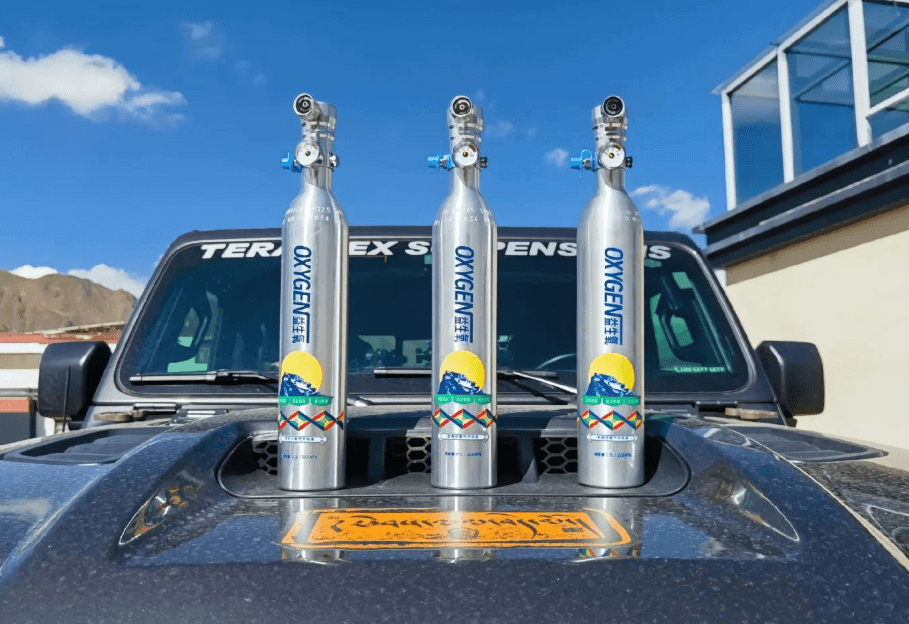
Oxygen tanks help alleviate altitude sickness.
However, two severe and potentially life-threatening conditions can develop if AMS is ignored:
- High-Altitude Cerebral Edema (HACE): Swelling of the brain, characterized by severe headache, confusion, loss of coordination, altered consciousness, and hallucinations.
- High-Altitude Pulmonary Edema (HAPE): Fluid buildup in the lungs, causing persistent cough, breathlessness even at rest, chest tightness, and a gurgling sound when breathing.
Both HACE and HAPE are medical emergencies that require immediate descent and medical attention. Understanding these conditions is a critical part of Tibet high altitude sickness awareness — knowing the difference between a mild headache that will pass and a dangerous symptom that requires action can literally save your life.
Pre-Trip Preparation: Before You Arrive
Prevention begins long before you land in Lhasa. Here is what you can do at home to give your body the best chance of adapting smoothly.
Physical Fitness and Health
Contrary to popular belief, being extremely fit does not guarantee immunity from altitude sickness — even elite athletes can be affected. However, maintaining a reasonable level of cardiovascular fitness through activities like running, cycling, or swimming can help your body cope more efficiently with lower oxygen levels.
If you have pre-existing medical conditions — particularly heart disease, high blood pressure, asthma, anemia, or chronic respiratory issues — consult your doctor well in advance. Some conditions may require special planning or medication adjustments. Pregnant women and young children should also seek medical advice before traveling to high altitudes.
Pre-Acclimatization Strategies
If you have the flexibility, spending 1–2 nights at a moderate altitude (2,000–3,000 meters) before entering Tibet can significantly help. For many international travelers, this might mean stopping in cities like Kunming (1,890m) or Chengdu (500m) before flying to Lhasa. While Chengdu is not high enough for meaningful acclimatization, it does provide a gentle transition compared to flying directly from sea-level cities.
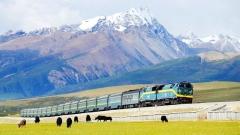
Another increasingly popular option is to enter Tibet by train rather than by flight. The Qinghai-Tibet Railway gradually climbs from Xining (2,260m) to Lhasa over approximately 21 hours, crossing passes above 5,000 meters. This slower ascent gives your body more time to begin acclimatizing, though you should still plan rest days upon arrival in Lhasa.
Packing Essentials
Prepare a high-altitude kit that includes:
- Sunscreen (SPF 50+), lip balm with SPF, sunglasses with UV protection, and a wide-brimmed hat — UV radiation is far stronger at altitude
- Warm layers, including a windproof and waterproof jacket — Tibet’s temperature can drop sharply, and cold stress worsens altitude symptoms
- A reusable water bottle to ensure you stay hydrated
- Any prescribed medications, plus over-the-counter pain relievers for headaches
The First 48 Hours: Critical Acclimatization Period
Your first two days in Lhasa are the most important for Tibet altitude sickness prevention. This is when your body begins the physiological process of acclimatization — increasing breathing rate, producing more red blood cells, and adjusting blood pH. Follow these rules strictly:
Rest, Don’t Rush
Upon arrival, resist the urge to explore immediately. Take it slow — walk at a relaxed pace, avoid climbing stairs quickly, and do not engage in any strenuous activity. Many travelers make the mistake of being too excited and overexerting themselves on day one, only to wake up feeling terrible on day two.
Spend the first day resting at your hotel. Light walking around the hotel grounds or a nearby park is fine, but save the Potala Palace climb and monastery tours for days two and three when your body has begun to adjust.
No Alcohol, No Smoking
Alcohol is a diuretic that dehydrates the body and suppresses respiratory drive during sleep, both of which worsen altitude sickness. Avoid all alcohol for at least the first 48–72 hours. Smoking reduces oxygen uptake and damages the respiratory system — refrain from smoking throughout your time at altitude.
Eat Light, Sleep Well
Heavy, greasy meals can make you feel more sluggish at altitude. Opt for light, carbohydrate-rich meals — pasta, rice, potatoes, and vegetables are good choices. Carbohydrates require less oxygen to metabolize and provide sustained energy.
Sleep can be difficult in the first nights due to periodic breathing — a normal high-altitude phenomenon where breathing temporarily stops during sleep. Do not panic; this usually resolves as you acclimatize. Sleep propped up slightly if you feel breathless when lying flat.
Hydrate Aggressively
Tibet’s air is extremely dry, and you lose significant moisture through breathing and perspiration — often without noticing. Dehydration mimics and worsens altitude sickness symptoms. Drink 3–4 liters of water or herbal tea per day. You can also consume oral rehydration salts if needed. A good rule of thumb: your urine should be pale and clear, not dark yellow.
Gradual Ascent: The Golden Rule of Altitude Safety
Once you have spent 2–3 days acclimatizing in Lhasa, you may begin traveling to higher regions. The single most important principle of Tibet altitude sickness prevention is gradual ascent.
The Wilderness Medical Society and leading high-altitude medicine authorities recommend:
- Above 3,000 meters, increase your sleeping altitude by no more than 300–500 meters per day
- Include a rest day (no altitude gain) every 2–3 days or after every 1,000 meters of gain
- Practice “climb high, sleep low” — it is fine to visit higher elevations during the day, as long as you return to a lower altitude to sleep
This is why a thoughtfully designed itinerary matters so much. A rushed trip that flies into Lhasa and immediately drives to Everest Base Camp is a recipe for altitude sickness. A properly paced journey builds in acclimatization days and respects the body’s need for time.
The Classic Lhasa–Shigatse–Everest Progression
The most popular and altitude-friendly route follows a natural elevation progression:
- Lhasa (3,650m): 2–3 full days for initial acclimatization
- Yamdrok Lake (4,440m at the pass): Day trip, return to lower altitude
- Gyantse (3,950m): One night, gentle transition
- Shigatse (3,840m): One night, Tibet’s second-largest city
- Tingri (4,350m): One night, gateway to Everest
- Everest Base Camp / Rongbuk (5,000–5,200m): One night, the highlight
This progression allows your body to adapt step by step, making it the gold standard for safe high-altitude travel in Tibet.
Medications for Altitude Sickness Prevention
While gradual ascent remains the foundation of prevention, certain medications can help, especially for travelers who know they are prone to altitude sickness or who must ascend more quickly than ideal.
Acetazolamide (Diamox)
Acetazolamide is the most widely studied and recommended medication for altitude sickness prevention. It works by making the blood more acidic, which stimulates faster and deeper breathing, accelerating acclimatization.
– Dosage for prevention: 125 mg twice daily (some sources recommend 250 mg twice daily for higher-risk profiles)
– When to start: 24–48 hours before ascent
– How long to continue: For at least 48 hours at the target altitude, or longer if symptoms persist
– Common side effects: Frequent urination, tingling in fingers and toes (paresthesia), altered taste (especially for carbonated drinks), and mild drowsiness
Acetazolamide is a sulfa drug; if you have a sulfa allergy, consult your doctor about alternatives. It is generally well-tolerated and is considered safe for most healthy adults.
Dexamethasone
Dexamethasone is a corticosteroid that can be used for both prevention and treatment of AMS and HACE. It is typically reserved for treatment rather than routine prevention, as it can mask symptoms and does not promote acclimatization the way acetazolamide does. It should only be used under medical guidance.
Other Medications and Supplements
- Ibuprofen or aspirin: Can help with altitude headaches but do not prevent AMS
- Nifedipine: Used specifically for HAPE prevention in susceptible individuals, under medical supervision
- Ginkgo biloba: Some studies suggest a mild benefit, but evidence is inconsistent and it is not a substitute for proven methods
- Oxygen: Carrying a small portable oxygen canister can provide temporary relief for mild symptoms, but it should not be used as a substitute for descent when severe symptoms occur
Important: Always consult a healthcare professional before taking any medication for altitude sickness. Dosages and suitability vary by individual.
Diet, Hydration, and Lifestyle Tips
What you eat and drink at altitude has a real impact on how well you adapt.
Eat Carbohydrates
Research shows that a high-carbohydrate diet at altitude can improve endurance and reduce the perception of altitude sickness. Carbohydrates require less oxygen for metabolism compared to fats and proteins. Focus on rice, noodles, potatoes, oats, fruits, and vegetables. Tibetan staples like tsampa (roasted barley flour) and momos (steamed dumplings) are excellent local choices.
Avoid These
– Alcohol: As noted, dehydrates and suppresses breathing
– Excessive caffeine: Moderate tea or coffee is fine, but excessive caffeine can contribute to dehydration and anxiety
– Heavy, greasy, or very spicy food: Harder to digest at altitude and can cause gastrointestinal distress
– Sleeping pills: Many sedatives suppress respiratory drive and can worsen oxygen desaturation at night
Stay Warm
Tibet’s temperatures can fluctuate dramatically — it may be warm and sunny during the day but near freezing at night, even in summer. Cold causes blood vessels to constrict and increases the body’s oxygen demand. A cold or upper respiratory infection at altitude significantly increases the risk of severe altitude illness. Dress in layers, keep your head and hands warm, and change out of wet clothes immediately.
Recognizing Warning Signs: When to Descend
Knowing when to stop and descend is the most critical safety skill for any high-altitude traveler. Remember this simple rule: if symptoms are worsening, or if you experience any severe symptoms, descend immediately. Do not wait, and do not try to “tough it out”.
Mild AMS (Monitor and Rest)
- Mild headache
- Slight fatigue or dizziness
- Mild nausea
- Difficulty sleeping
Action: Stop ascending, rest, hydrate, and monitor. Do not go higher until symptoms resolve.
Moderate AMS (Consider Descent)
- Persistent, severe headache not relieved by medication
- Repeated vomiting
- Marked fatigue and weakness
- Noticeable difficulty with coordination
Action: Begin descending to a lower altitude. Medication may help, but descent is the most reliable treatment.
Severe — HACE or HAPE (Emergency — Descend Immediately)
- HACE: Confusion, irrational behavior, loss of coordination (ataxia — cannot walk a straight line), altered consciousness, seizures
- HAPE: Severe breathlessness even at rest, persistent cough (may produce pink, frothy sputum), chest tightness, gurgling or rattling breath sounds, blue lips or fingernails
Action: Descend at least 500–1,000 meters immediately, administer oxygen if available, and seek emergency medical care. These conditions can be fatal within hours if not treated.
Recommended Altitude-Friendly Tour: 8-Day Lhasa to Everest Base Camp
When it comes to combining breathtaking scenery with a safe, gradual altitude progression, the 8-Day Lhasa to Everest Base Camp Small Group Tour stands out as the ideal choice for first-time and returning visitors alike.
This carefully paced itinerary follows the golden rule of gradual ascent, building in essential acclimatization days while taking you through Tibet’s most iconic destinations. You will begin with two full days in Lhasa (3,650m), exploring the Potala Palace, Jokhang Temple, and Drepung Monastery while your body adjusts to the altitude. From there, the route winds through the stunning Yamdrok Lake (4,440m at the pass), the historic town of Gyantse (3,950m), and Tibet’s second city Shigatse (3,840m), before ascending to Tingri (4,350m) and finally reaching the legendary Everest Base Camp (5,200m) on day seven.
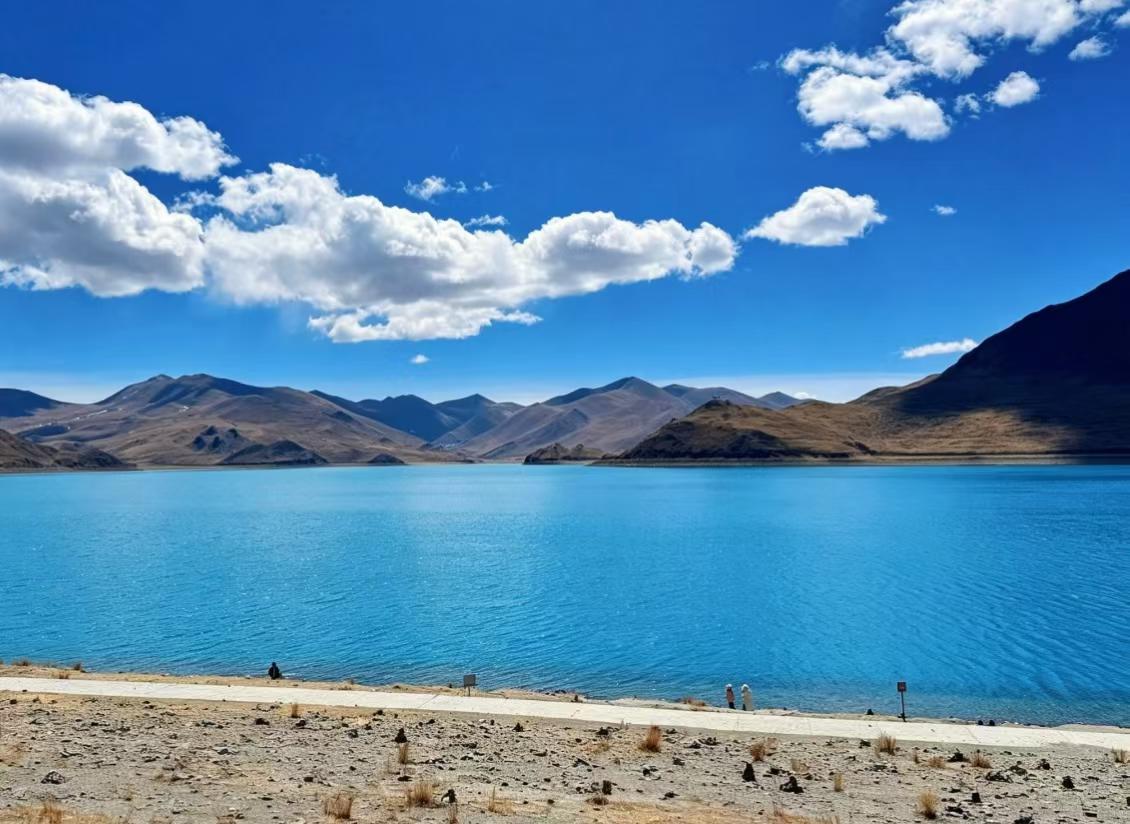
Yamdrok Lake
What makes this tour particularly altitude-friendly is the pacing: no more than 300–500 meters of sleeping altitude gain per day, built-in rest days, and the “climb high, sleep low” principle applied throughout. You will travel in a small group with an experienced local guide who knows how to monitor altitude symptoms and adjust the itinerary if needed. Private vehicle transfers ensure you are not overexerting yourself, and comfortable accommodation at each stop gives you the rest you need.
The tour includes all the highlights travelers dream of — the Potala Palace, Barkhor Street, Yamdrok Lake’s turquoise waters, the Kumbum Stupa in Gyantse, Tashilhunpo Monastery in Shigatse, the panoramic five-peak viewpoint at Gawu La Pass, and the unforgettable sight of Everest’s north face from Base Camp. It is the perfect balance of adventure, culture, and altitude safety.
👉 [Check availability and book the 8-Day Lhasa to Everest Base Camp Tour today — your safe, unforgettable journey to the Roof of the World starts here.
Day 1: Arrival in Lhasa (3,650m)
Day 2: Lhasa Monastery Day: Drepung Monastery and Sera Monastery
Day 3: Lhasa Tour: Potala Palace, Jokhang Temple and Barkhor Street
Day 4: Lhasa – Gyantse- Shigatse (360 km): Yamdrok Lake, Korola Glacier
Day 5: Shigatse – Tingri – EBC (5,000m)
Day 6: EBC – Sakya – Shigatse
Day 7: Shigatse – Lhasa: Tashilhunpo Monastery
Day 8: Departure from Lhasa
Frequently Asked Questions
Q: Who is most at risk for altitude sickness in Tibet?
A: Anyone traveling from lower elevations can be affected, regardless of fitness level. Risk factors include rapid ascent (flying directly to Lhasa from sea level), a history of altitude sickness, overexertion in the first days, alcohol consumption, dehydration, and pre-existing respiratory or cardiac conditions.
Q: How long does acclimatization take?
A: Most people begin to feel better after 24–48 hours at a given altitude. Full acclimatization to 3,650m (Lhasa) typically takes 2–3 days. For higher elevations like Everest Base Camp, additional days of gradual ascent are needed.
Q: Can I prevent altitude sickness completely?
A: While you cannot guarantee complete prevention, following the guidelines in this article — gradual ascent, proper hydration, rest, and medication when appropriate — dramatically reduces your risk and severity. Mild symptoms are common and usually resolve quickly.
Q: Is it safe to visit Everest Base Camp?
A: Yes, for most healthy travelers who follow a proper acclimatization itinerary. The key is not rushing — spend at least 5–6 days gradually ascending from Lhasa before reaching Base Camp. An experienced guide and proper tour operator are essential.
Q: What should I do if I get altitude sickness?
A: For mild symptoms, stop ascending, rest, hydrate, and take pain relievers for headache. If symptoms worsen or you experience severe headache, vomiting, confusion, or breathlessness at rest, descend immediately to a lower altitude and seek medical help.
Conclusion
Tibet altitude sickness prevention is not about fear — it is about knowledge, preparation, and respect for the environment you are entering. The vast majority of travelers who follow a gradual ascent, stay hydrated, rest properly, and listen to their bodies experience nothing more than mild, temporary discomfort.
By choosing a well-designed itinerary like the 8-Day Lhasa to Everest Base Camp tour, you give yourself the best possible chance to acclimatize safely while experiencing everything this magical region has to offer. The key principles are simple: ascend slowly, hydrate constantly, rest generously, and never ignore warning signs.
With the right preparation, you can focus on what truly matters — the awe-inspiring monasteries, the shimmering holy lakes, the vast Tibetan plateau, and the warm smiles of the Tibetan people. The Roof of the World is waiting, and now you are ready to meet it safely.