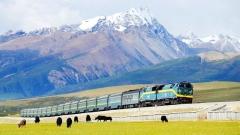

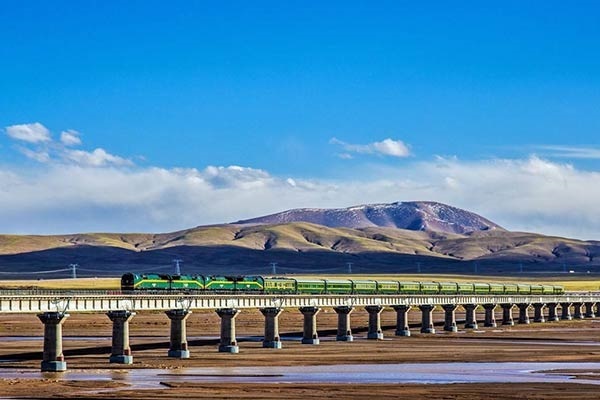
Taking the legendary Qinghai-Tibet Railway to Lhasa is far more than a simple commute—it is a soul-stirring visual journey. Climbing gradually from Xining (elevation 2,260 meters), the train ascends through snow-capped mountain ranges, vast desert basins, and expansive grasslands before reaching the holy city of Lhasa. Spanning nearly 2,000 kilometers, which key stations does the train stop at, and what breathtaking natural wonders await outside your window? Here is your complete route and scenery guide.
Key Takeaways
- Core Stopping & Technical Stations: Departing from Xining, key stopping stations along the route include Delingha, Golmud, Amdo, Nagqu, Damxung, and the terminal at Lhasa Station. Golmud serves as the essential hub for switching to high-altitude locomotives and activating the cabin oxygen system.
- World-Record High-Altitude Landmarks: The train passes Tanggula Station (5,068 meters above sea level), the highest railway station in the world, and travels through Fenghuoshan Tunnel (4,905 meters), the world’s highest railway tunnel built on permafrost.
- Wildlife & Ecological Corridor: Outside your window, enjoy view points over Qinghai Lake, cross the uninhabited Hoh Xil Nature Reserve (where you may spot Tibetan antelopes), and ride directly alongside the sacred Lake Cona.
- Scenic Viewing Advice: The most breathtaking scenery on the Qinghai-Tibet Railway is concentrated along the Golmud-to-Lhasa section. It is recommended to choose train schedules that travel through this segment during daylight hours.
Key Stopping Stations Along the Qinghai-Tibet Railway
Depending on the train schedule, the Tibet train stops at several major passenger and technical stations along the route for crew changes, locomotive switching, or passenger boarding:
Xining Station (Elevation: 2,261 meters) — The Starting Hub: The main convergence point for all Tibet-bound trains. Here, passengers board specialized oxygen-supplied train carriages to begin their ascent onto the plateau.
Delingha Station (Elevation: 2,980 meters) — Oasis of the Qaidam Basin: Located in Haixi Prefecture, Qinghai, this major stop sits in the transitional terrain between desert plains and salt lakes.
Golmud Station (Elevation: 2,829 meters) — Heart of Plateau Power: A crucial technical stop on the railway. The train pauses here for 20–30 minutes to switch to high-altitude diesel locomotives and activate the centralized cabin oxygen-supply system.
Amdo Station (Elevation: 4,702 meters) — First Stop in Tibet: Located just past Tanggula Pass, Amdo is the first passenger station inside the Tibet Autonomous Region and one of the highest railway stations in the world.
Nagqu Station (Elevation: 4,513 meters) — Hub of Northern Tibet: Situated in the heart of the vast Qiangtang Grassland, Nagqu is the cultural, political, and economic center of northern Tibet.
Damxung Station (Elevation: 4,293 meters) — Gateway to Lake Namtso: Located just two hours north of Lhasa, Damxung serves as the main overland gateway for travelers visiting the sacred Lake Namtso.
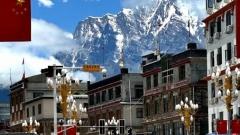
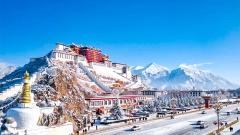
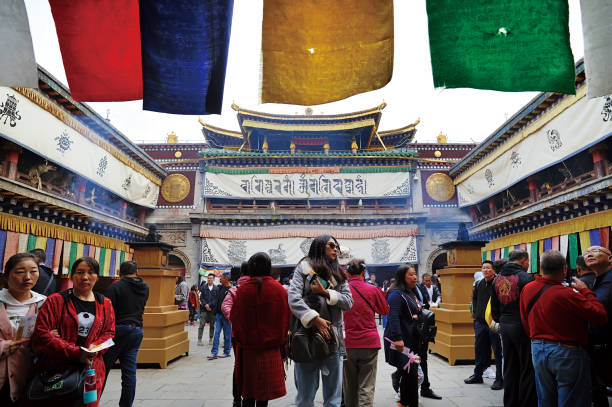
Lhasa Station (Elevation: 3,641 meters) — The Sacred Terminal: The final destination of the Qinghai-Tibet Railway. Featuring striking red-and-white traditional Tibetan palace architecture, it marks the completion of your train journey onto the Roof of the World.
Unmissable Scenic Highlights Along the Route
The most spectacular views along the Qinghai-Tibet Railway are concentrated along the 1,142-kilometer section between Golmud and Lhasa. Keep your camera ready as you pass these natural landmarks:
Qinghai Lake: The Alpine Sapphire
Highlights: Shortly after leaving Xining, the train travels along the southern shore of Qinghai Lake. In spring and summer, the deep blue lake contrasts beautifully with golden canola flower fields along the shore.
Kunlun Mountains & Fenghuoshan Tunnel
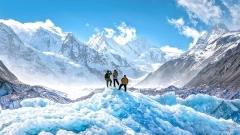
Highlights: Past Golmud, the train climbs steeply into the snow-capped Kunlun Mountain Range. It passes through the Fenghuoshan Tunnel (4,905 meters above sea level), the highest railway tunnel in the world constructed on permafrost.
Hoh Xil Nature Reserve & Qingshuihe Bridge
Highlights: Crossing the uninhabited Hoh Xil National Nature Reserve, the train glides over the 11.7-kilometer-long Qingshuihe Bridge, built as an elevated corridor to protect wildlife migration. Look closely out the window for wild Tibetan antelopes, yaks, and Tibetan wild asses.
Tanggula Pass & Tanggula Station: Touched by the Sky
Highlights: Tanggula Station (5,068 meters above sea level) holds the record as the highest railway station in the world. Nearby Tanggula Pass (5,072 meters) marks the peak elevation of the entire rail line, surrounded by snow-covered summits under deep blue skies.
Lake Cona: Riding Beside Sacred Waters
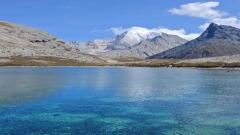
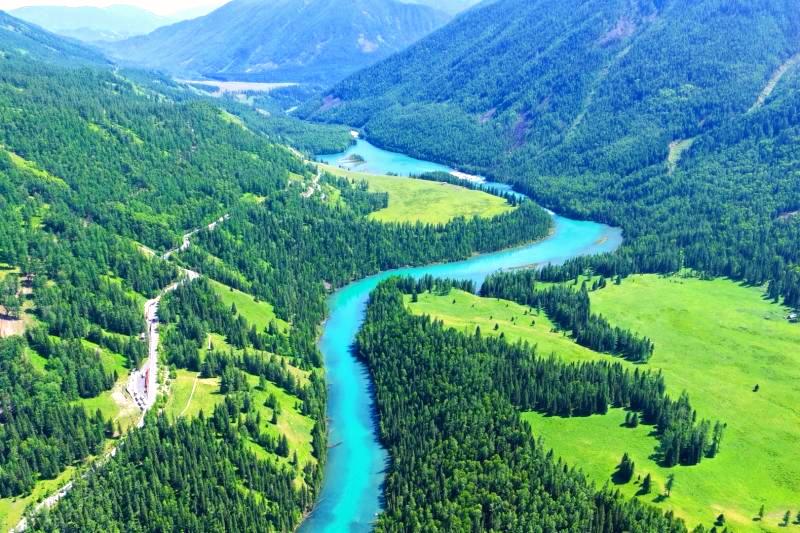
Highlights: Situated between Amdo and Nagqu, Lake Cona is the closest high-altitude freshwater lake to the railway. The train runs along the shore for kilometers, offering reflection views of the clear blue lake against snow-capped peaks.
Qiangtang Grassland: Endless Alpine Pastures
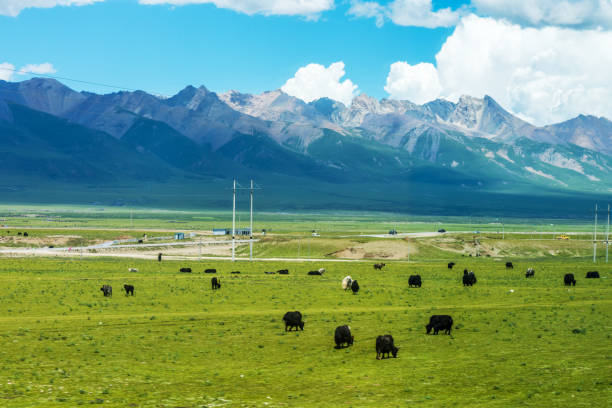
Highlights: Sweeping across northern Tibet, the vast Qiangtang Grassland stretches as far as the eye can see. Dotted with white nomadic tents and grazing herds of yaks and sheep, it offers a poetic view of pastoral plateau life.
Practical Tips for Enjoying the Views
Choose a Daylight Train Schedule: The most iconic landscapes (Golmud ➔ Tanggula Pass ➔ Lake Cona ➔ Lhasa) are best experienced during daylight hours. When booking tickets, check the schedule to select trains passing through this section during daytime hours (such as trains departing Xining around noon or early afternoon).
Photography Tips: Train windows feature UV-resistant coating, which can create reflections. Hold your camera lens or smartphone right up against the glass to minimize glare, and keep a lens cloth handy to clean off any window smudges.
Pace Yourself at High Altitudes: As the train crosses high passes like Tanggula, avoid rushing through carriages or moving too quickly. Utilize the personal oxygen outlets beside your seat to stay comfortable while enjoying the scenery.