
September is one of the most rewarding months to visit Tibet. The summer monsoon is gradually fading, rainfall decreases, and clearer skies begin to reveal the plateau’s snow mountains, turquoise lakes, and wide-open landscapes. Temperatures remain comfortable during the day in many popular destinations, although nights become noticeably colder. For travelers planning sightseeing, trekking, Everest Base Camp, or Mount Kailash, September offers a particularly good balance between weather, visibility, and outdoor conditions.
Key Points
- September is one of the best months to visit Tibet, with average temperatures across the region generally ranging from 7°C to 21°C (45°F–70°F) as the summer monsoon gradually fades and clearer autumn weather arrives.
- Lhasa stays relatively mild, with temperatures around 8°C–20°C (46°F–68°F) and about 58 mm of rainfall, while high-altitude destinations are much colder.
- Everest Base Camp and Mount Kailash are excellent for September trips: both can reach around 20°C (68°F) during the day, but nighttime temperatures can fall to 0°C (32°F). Rainfall is also relatively low, at about 22 mm at EBC and 24 mm around Mount Kailash.
- Namtso Lake is colder, with temperatures of approximately 0°C–12°C (32°F–54°F), while Nyingchi remains warmer at around 10°C–21°C (50°F–70°F) but receives more rainfall, averaging 109 mm.
What Is Tibet Weather Like in September?
September marks the transition from summer to autumn on the Tibetan Plateau. The weather is generally warmer than late autumn but noticeably drier than July and August. As the summer monsoon weakens, rainfall begins to decline and the number of clear days increases.
One of the biggest advantages of September is visibility. The skies are often deep blue, and the reduction in clouds makes distant snow-capped mountains easier to see. This is particularly valuable when visiting Mount Everest, Mount Kailash, Yamdrok Lake, and other high-altitude scenic areas.
Daytime temperatures can still feel warm under Tibet’s strong sunshine, but evenings and early mornings become chilly. The difference between daytime and nighttime temperatures can be significant, so travelers should prepare for both conditions.
For outdoor enthusiasts, September is especially attractive because trekking conditions improve as the rainy season comes to an end. However, temperatures vary greatly according to altitude and location, so there is no single “Tibet temperature” for the entire region.
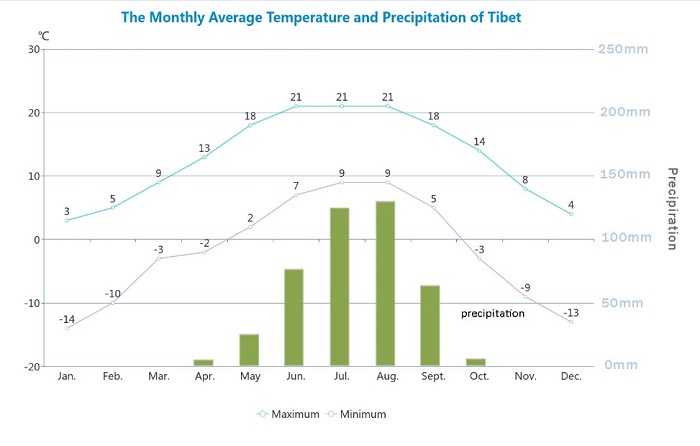
Tibet Weather
Tibet Weather in September by Destination
Lhasa Weather in September
Lhasa is one of the most comfortable places to visit in Tibet during September. Average temperatures range from around 8°C (46°F) at night to 20°C (68°F) during the day, with average precipitation of approximately 58 mm.
The weather becomes progressively drier as September continues. Sunny days are common, and the strong sunlight can make the daytime temperature feel warmer than the thermometer suggests.
September is an excellent month to explore Lhasa’s major attractions, including the Potala Palace, Jokhang Temple, Barkhor Street, Sera Monastery, and Drepung Monastery. Visitors can comfortably spend time outdoors while still enjoying relatively mild temperatures.
A warm layer is recommended for early mornings and evenings, while lightweight clothing is usually sufficient during sunny afternoons.
Namtso Weather in September
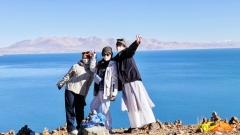
Lake Namtso sits at a much higher elevation than Lhasa, so September is considerably colder. Average temperatures are approximately 0°C (32°F) to 12°C (54°F), with around 48 mm of precipitation.
September signals the beginning of autumn around Namtso. Rainfall is greatly reduced, while the landscape remains spectacular. The cooler conditions are well suited to hiking along the lakeshore and exploring places such as Tashi Dor Monastery.
Because of the lake’s elevation and strong winds, visitors should bring a warm jacket even when traveling from relatively warm Lhasa.
Yamdrok Lake Weather in September
At Yamdrok Lake, September temperatures generally range from 5°C (41°F) to 16°C (61°F), with average precipitation of approximately 40 mm.
The lake’s surrounding landscapes can still retain their summer greenery, while the weather becomes progressively drier. September is therefore a particularly attractive period for photography and sightseeing.
The combination of turquoise water, surrounding mountains, and clearer skies creates excellent opportunities for capturing the distinctive scenery of the Tibetan Plateau.
Gyantse Weather in September
Gyantse experiences temperatures of approximately 6°C (43°F) to 18°C (64°F) in September, with around 71 mm of precipitation.
Although rainfall is still possible, the summer wet season is coming to an end. The surrounding landscapes remain relatively green, while the warmer daytime temperatures make sightseeing comfortable.
September is a good time to explore Gyantse’s historic attractions and monasteries without the colder conditions associated with late autumn.
Shigatse Weather in September
Shigatse generally experiences temperatures of about 5°C (41°F) to 17°C (63°F) in September, with approximately 58 mm of rainfall.
The city becomes increasingly dry and pleasant as the month progresses. The daytime weather is comfortable for sightseeing, while nighttime temperatures require an extra warm layer.
Shigatse is also an important stop on many journeys toward Everest Base Camp, making September a convenient time to combine cultural sightseeing with a high-altitude adventure.
Everest Base Camp Weather in September
September is one of the most attractive months to visit Everest Base Camp on the Tibet side. Average temperatures can range from approximately 0°C (32°F) to 20°C (68°F), with only around 22 mm of precipitation.
After the summer monsoon retreats, clouds become less persistent and Mount Everest is more likely to appear clearly against the sky. The relatively dry conditions also make road travel and outdoor sightseeing more pleasant.
The warm daytime temperature should not be misleading, however. At night and around sunrise, temperatures at Everest Base Camp can fall close to freezing. A warm jacket, gloves, and other cold-weather layers are essential.
For travelers hoping to photograph Mount Everest, September offers a strong combination of improved visibility and relatively manageable weather.
Mount Kailash Weather in September
September is widely regarded as an excellent period for trekking around Mount Kailash. Temperatures generally range from approximately 0°C (32°F) to 20°C (68°F), with relatively low precipitation of around 24 mm.
The combination of mild daytime conditions, clearer skies, and reduced rainfall makes the month particularly suitable for the demanding Mount Kailash kora.
Nevertheless, the region is extremely high and exposed. Temperatures can drop sharply after sunset, while strong winds can make conditions feel much colder. Anyone undertaking the kora should prepare carefully for changing weather and high-altitude conditions.
Nyingchi Weather in September
Nyingchi is considerably greener and wetter than many other parts of Tibet. In September, temperatures generally range from 10°C (50°F) to 21°C (70°F), with average precipitation of approximately 109 mm.
Although rainfall decreases compared with the peak summer period, Nyingchi can still experience showers. The region’s forests, mountains, rivers, and valleys remain particularly attractive at this time of year.
September is also associated with the harvest season in Nyingchi, when local communities may hold celebrations connected with the agricultural calendar.
For travelers interested in trekking, September can be a good time to explore routes around Namcha Barwa, Nalatso, and the Yarlung Zangbo Grand Canyon.
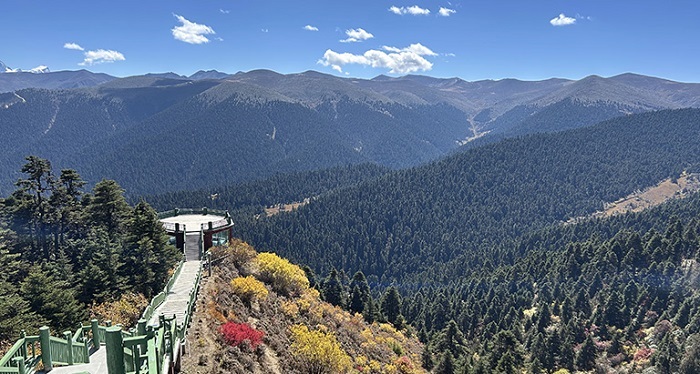
Nyingchi
Shannan Weather in September
Shannan, also known as Lhokha, generally experiences temperatures of around 8°C (46°F) to 20°C (68°F) in September, with approximately 61 mm of precipitation.
As summer ends, the region gradually becomes cooler and drier. The Yarlung Zangbo River Valley is particularly appealing during this transition, when the landscape begins to take on early autumn colors.
September is also a comfortable time to visit cultural attractions such as Yumbulakang Palace and explore the historic landscapes of the Yarlung Valley.
Lhasa to Kathmandu Weather in September
Travelers crossing Tibet from Lhasa toward Kathmandu encounter several different climate zones.
Kathmandu remains relatively warm in September, with average temperatures of approximately 18°C (64°F) to 27°C (81°F) and around 212 mm of rainfall. Although the summer monsoon is gradually weakening, rain can still occur.
Gyirong, on the Tibetan side of the Himalayas, is much cooler, with temperatures of approximately 7°C (45°F) to 14°C (57°F). The valley remains lush and green, creating a dramatic contrast with the dry landscapes of the Tibetan Plateau.
This changing scenery is one of the highlights of an overland journey between Tibet and Nepal.
Is September a Good Time to Visit Tibet?
Yes. September is one of the best overall months for a Tibet trip, particularly if your itinerary includes outdoor activities.
The summer rains are retreating, visibility is generally improving, and daytime temperatures remain comfortable in many destinations. At the same time, September is not yet as cold as the later autumn and winter months.
The month works especially well for:
- Lhasa sightseeing
- Everest Base Camp tours
- Mount Kailash trekking
- Namtso and Yamdrok Lake visits
- High-altitude photography
- Tibet trekking
- Lhasa–Kathmandu overland journeys
If your priority is clear mountain scenery, September is particularly appealing because the retreating monsoon often brings better visibility.
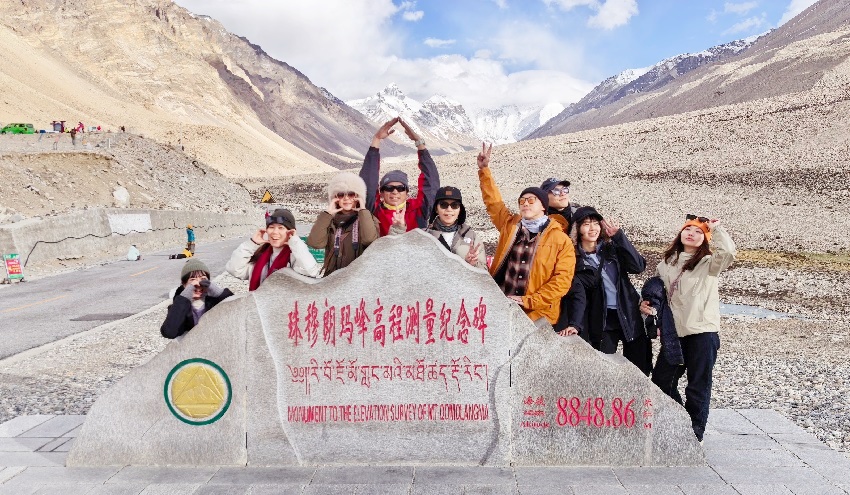
Mount Everest
What to Pack for Tibet in September
Packing for Tibet in September is all about layers. The weather can change significantly between sunny afternoons, windy mountain passes, and cold evenings.
Clothing
Bring lightweight clothing for daytime, together with warmer layers for mornings and evenings. A fleece or warm sweater and a windproof or insulated jacket are useful, especially when traveling to Namtso, Everest Base Camp, or Mount Kailash.
If you are trekking, layering is particularly important because your body temperature can change rapidly with physical activity and altitude.
Sun Protection
Tibet’s intense high-altitude sunlight means sun protection remains essential even when temperatures feel cool. Bring:
- High-SPF sunscreen
- Sunglasses
- A sun hat or cap
- Lip balm with sun protection
- Moisturizer
Do not underestimate the strength of the sun simply because the air feels cold.
Shoes and Trekking Equipment
Comfortable walking shoes are sufficient for ordinary sightseeing, but proper hiking boots are preferable for longer treks.
If you plan to trek around Mount Kailash or hike in remote areas, trekking poles can provide useful support on rocky or uneven terrain.
For camping trips, bring appropriate cold-weather sleeping equipment and a waterproof tent.
Rain Protection
September is drier than the peak monsoon months, but rain has not completely disappeared. A lightweight waterproof jacket or raincoat is therefore worth carrying.
Tibetan Festivals in September
September can also offer opportunities to experience Tibetan cultural and religious traditions.
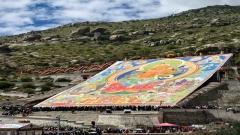
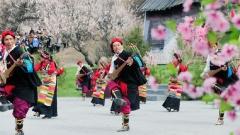
The Tibetan Bathing Festival, traditionally associated with purification and well-being, usually takes place around the first week of September and lasts for approximately one week.
Another local religious event is the Pabang Dangkuo Festival, associated with Reting Monastery north of Lhasa. What began primarily as a religious gathering has developed into a broader local festival featuring religious activities as well as community entertainment and markets.
Festival dates follow the Tibetan calendar and can vary from year to year, so travelers interested in attending a specific event should confirm the dates before planning their itinerary.
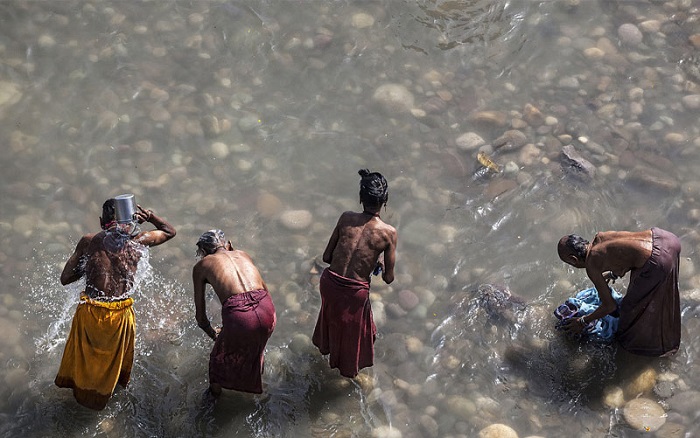
Tibetan Bathing Festival
Tibet Travel Tips for September
Although September offers favorable weather, Tibet remains a high-altitude destination. Weather conditions are only one part of preparing for the journey.
Allow enough time in Lhasa to acclimatize before traveling to higher destinations. Avoid rushing directly into strenuous trekking after arrival, and listen to your body as you adjust to the altitude.
The weather can also change quickly in high-altitude areas. Even on a sunny morning, temperatures can fall rapidly after sunset or when clouds and strong winds arrive.
For travelers heading toward Everest Base Camp or Mount Kailash, appropriate clothing and a well-planned itinerary are particularly important.
Plan Your September Tibet Trip With Tibet Yulong Travel
September is an excellent choice for travelers who want to combine comfortable sightseeing with some of Tibet’s most spectacular outdoor experiences. Whether you want to explore Lhasa’s cultural heritage, photograph Yamdrok Lake, visit Everest Base Camp, or undertake the Mount Kailash kora, the season offers favorable conditions across many of Tibet’s most popular destinations.
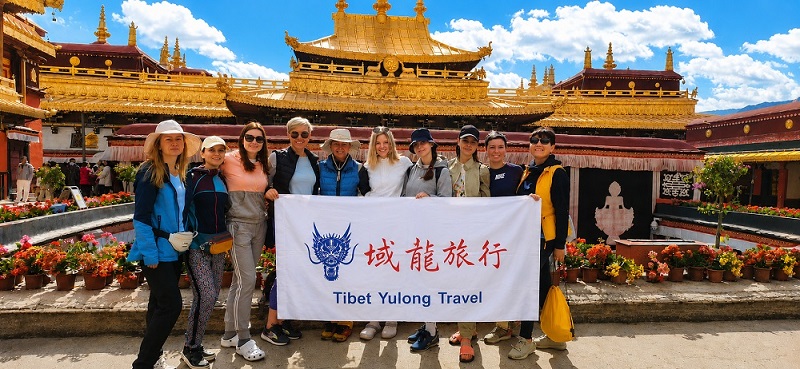
Tibet Yulong Travel can help international travelers organize Tibet tours, transportation, accommodation, local guides, and the permits required for different destinations. A local team can also adjust the itinerary according to the altitude, weather, and physical demands of your planned journey, making September a good time to explore Tibet at a comfortable pace.