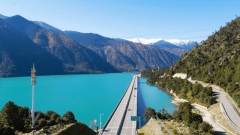
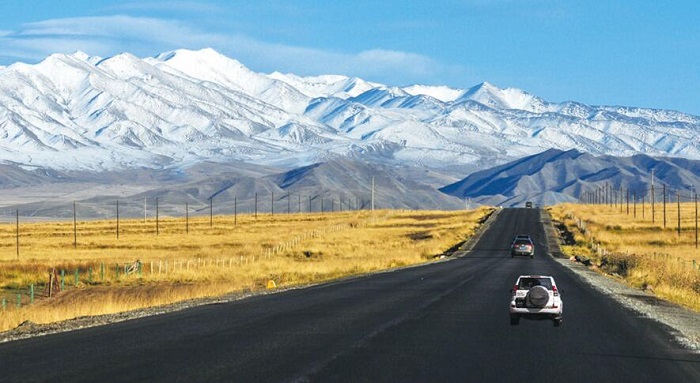
✨ Highlights:
- 🤔 Core Question: Which Part of Tibet Is Best for First-Time Overseas Visitors? We break down the best region in Tibet for first time foreign visitors by altitude, infrastructure and cultural value.
- 🏛️ Lhasa: The ideal acclimatization base at 3,650m. Visit Potala Palace, Jokhang Temple and Barkhor Street to dive into authentic Tibetan culture with well-developed foreign tourist services.
- 🌲 Nyingchi: Low-altitude “Tibet’s Jiangnan (2,900m)”. Perfect for travellers worried about altitude sickness, featuring peach blossoms, Nanga Bawa Peak and forest lakes year-round.
- 💙 Yamdrok Lake & Shigatse: Classic day trip extension. Admire the turquoise sacred lake and explore Tashilhunpo Monastery for deeper Tibetan Buddhist heritage.
- ⚠️ Avoid for Newcomers: Ngari and Everest Base Camp are not recommended for first-time overseas visitors due to extreme altitude, rough roads and high risk of altitude sickness.
- 🗺️ Ready-Made Plan: Get a balanced 6-day Tibet travel itinerary for first time international travelers, one of the best places to visit in Tibet for first time international travelers.
- 📋 Best Tibet tour for overseas first-timers: Follow the low-to-high altitude rule for a safe, comfortable trip mixing iconic culture and natural scenery.
Many international tourists planning their maiden plateau journey often ask:Which Part of Tibet Is Best for First-Time Overseas Visitors? Tibet features expansive terrain, diverse natural landscapes and profound ethnic Buddhist culture, yet different regions vary greatly in altitude, travel difficulty, supporting facilities and scenic characteristics. For first-time international travelers who lack plateau travel experience, blindly choosing remote scenic areas will easily lead to altitude adaptation difficulties and poor travel experience. Therefore, picking the best region in Tibet for first time foreign visitors is the top priority of a successful plateau trip. This professional guide will sort out the best places to visit in Tibet for first time international travelers, analyze regional advantages and travel notes, and recommend a scientific Tibet travel itinerary for first time international visitors, helping you customize a comfortable and wonderful best Tibet tour for overseas first-timers.
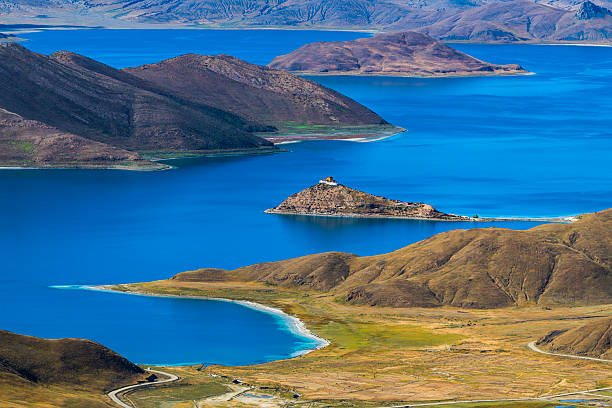
Panoramic landscape of Yamdrok
Core Selection Standard for First-Time Overseas Visitors
Unlike senior backpackers who pursue niche exploration and extreme wild scenery, first-time overseas visitors to Tibet prioritize travel safety and comfort above all else. The core screening criteria include moderate and adaptable altitude, complete tourism supporting facilities, convenient transportation, concentrated classic scenic spots and strong representative local culture. These factors can effectively reduce the threshold of plateau travel and avoid physical discomfort caused by rapid altitude elevation.
After professional screening, the most suitable areas for novice overseas tourists are mainly concentrated in Lhasa, Nyingchi, Yamdrok Lake and Shigatse. These mature tourist zones have standardized foreign reception services, professional multilingual tour guides and complete catering and accommodation systems, which can fully meet the travel needs of foreign tourists. Meanwhile, these regions gather the most iconic natural and cultural landscapes of Tibet, allowing every overseas first-timer to experience the essence of Tibet’s customs and scenery in a limited travel cycle.
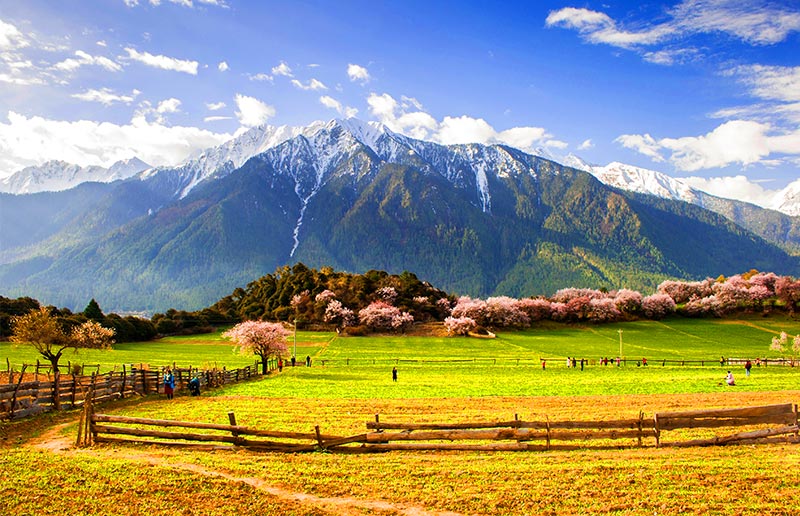
Nyingchi
1. Lhasa: The Must-Visit Core Cultural Base for First-Time Visitors
As the political, cultural and tourism center of the Tibet Autonomous Region, Lhasa is unquestionably the core stop for all first-time overseas visitors. With an average altitude of 3,650 meters, it has relatively sufficient oxygen content among plateau core scenic areas, making it the most ideal altitude acclimatization base. For foreign tourists who have never been to the plateau, staying in Lhasa for 2 to 3 days to adapt to the plateau environment is the most scientific travel arrangement, which can greatly reduce the risk of severe altitude sickness.
Lhasa’s greatest charm lies in its unparalleled profound cultural heritage. The world-famous Potala Palace, a world cultural heritage and the symbol of Tibet, carries thousands of years of historical and religious culture. The grand and magnificent plateau architectural style, exquisite ancient murals, precious Buddha statues and cultural relics inside the palace fully demonstrate the unique charm of Tibet’s traditional culture, becoming a must-check-in attraction for international travelers.
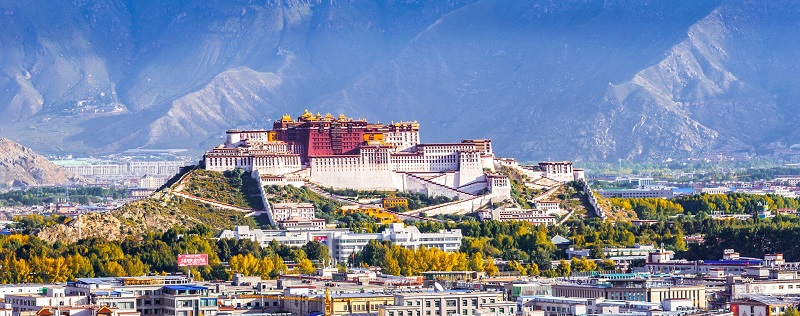
Potala Palace
Located in the heart of Lhasa’s old town, Jokhang Temple is the spiritual core of Tibet Buddhism with a history of more than 1,300 years. A large number of well-preserved ancient cultural relics are stored here, witnessing the inheritance and development of local religious culture all year round. Surrounding the temple is Barkhor Street, where devout pilgrims walk slowly, and ethnic handicraft shops and characteristic folk stalls line the street. The strong and authentic ethnic customs allow overseas visitors to immerse themselves in local life and feel the unique humanistic charm of the plateau.
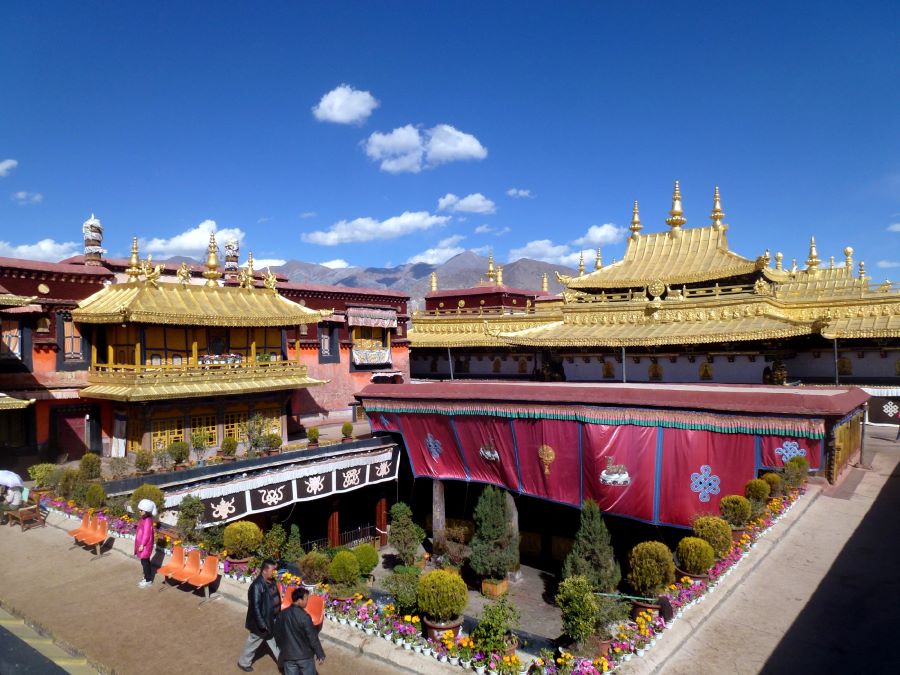
Jokhang Temple
In terms of travel supporting facilities, Lhasa has the most complete foreign-related service system in the whole region. From high-end plateau resort hotels with oxygen supply equipment to cost-effective boutique homestays, diverse accommodation options can meet different budget needs. In addition, a wealth of Western-style restaurants and local specialty catering solve the dietary adaptation problems of overseas tourists, providing a solid guarantee for a smooth plateau trip.
2. Nyingchi: The Low-Altitude Natural Paradise for Gentle Plateau Experience
For overseas tourists who are extremely worried about altitude sickness and have weak physical adaptability, Nyingchi is the most friendly natural scenic area in Tibet. Known as the “Jiangnan of Tibet“, Nyingchi boasts an average altitude of only 2,900 meters, with high oxygen content, humid climate and dense vegetation. It breaks the stereotype of dry and harsh plateau scenery, presenting lush forests, clear lakes and layered alpine landscapes all year round.
Nyingchi’s four-season scenery has distinctive characteristics and high ornamental value. From March to April every year, wild peach blossoms bloom all over the mountains, setting off the snow-capped peaks in the distance, forming a breathtaking picture of snow mountains and peach blossoms, which is the most representative spring scenery in Tibet. In summer from June to August, alpine meadows and primeval forests are lush and green, with cool and pleasant temperatures, becoming a rare summer resort on the plateau. In autumn from September to October, the forest sea is dyed in golden and crimson colors, with layered scenery and magnificent views.
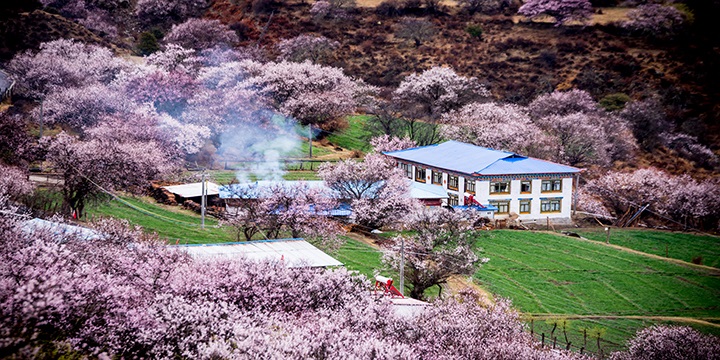
Nyingchi Peach Blossoms
The core scenic spots in Nyingchi include Basongcuo Lake, Nanga Bawa Peak and Lulang Forest Sea. Basongcuo Lake, known as the “Plateau Fairy Lake“, has clear and transparent turquoise lake water, surrounded by snow-capped mountains and dense forests, with fresh and elegant scenery. Nanga Bawa Peak, one of China’s most beautiful snow-capped mountains, is shrouded in clouds and mist all year round. On clear days, the towering snow peaks break through the clouds, presenting a holy and magnificent scene, which is favored by overseas photography enthusiasts.
Choosing Nyingchi as the first stop of the plateau trip can help overseas visitors quickly adapt to the low-altitude plateau environment without physical pressure. After gentle adaptation here, traveling to high-altitude areas such as Lhasa will be more relaxed and comfortable, which is very suitable for novice international travelers pursuing comfortable travel experience.
3. Yamdrok Lake & Shigatse: Classic Landscape and In-Depth Cultural Tour
After completing altitude adaptation in Lhasa and Nyingchi, expanding the trip to Yamdrok Lake and Shigatse is the most classic and moderate route for first-time overseas visitors. This route perfectly combines natural holy lake scenery and in-depth regional folk culture, with flat and smooth transportation roads and moderate travel intensity, which will not cause physical fatigue while enriching the travel experience.
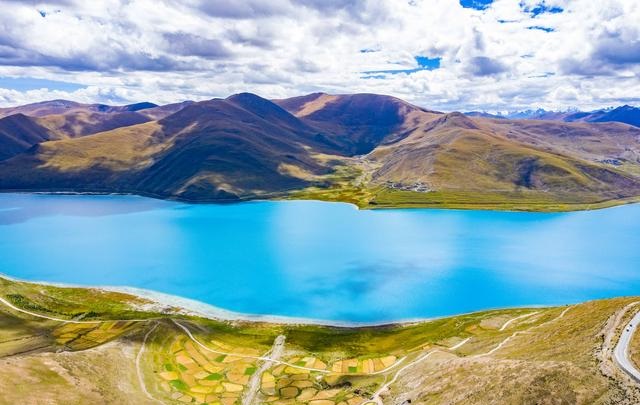
Yamdrok Lake
As one of the three major holy lakes in Tibet, Yamdrok Lake is 114 kilometers away from Lhasa, with an altitude of 4,441 meters. The whole lake is winding and coral-shaped, with shimmering turquoise lake water. Surrounded by continuous snow-capped mountains and vast pastoral grasslands, the holy and vast lake scenery is the most typical representative of plateau lake landscapes. The highway from Lhasa to Yamdrok Lake is a famous scenic corridor, with rolling mountain views and idyllic plateau scenery along the way, allowing tourists to enjoy changing natural scenery during the journey.
Shigatse, the second largest city in Tibet, retains more primitive and simple local folk customs compared with Lhasa. Tashilhunpo Monastery, the core scenic spot of Shigatse, is a time-honored famous monastery with grand architectural scale and rigorous layout. It houses precious cultural relics such as giant Buddha statues and ancient scriptures, which is an important place for overseas visitors to deeply understand Tibet Buddhist culture and local folk inheritance. The urban supporting facilities are complete and the travel difficulty is low, perfectly matching the in-depth travel needs of first-time foreign tourists.
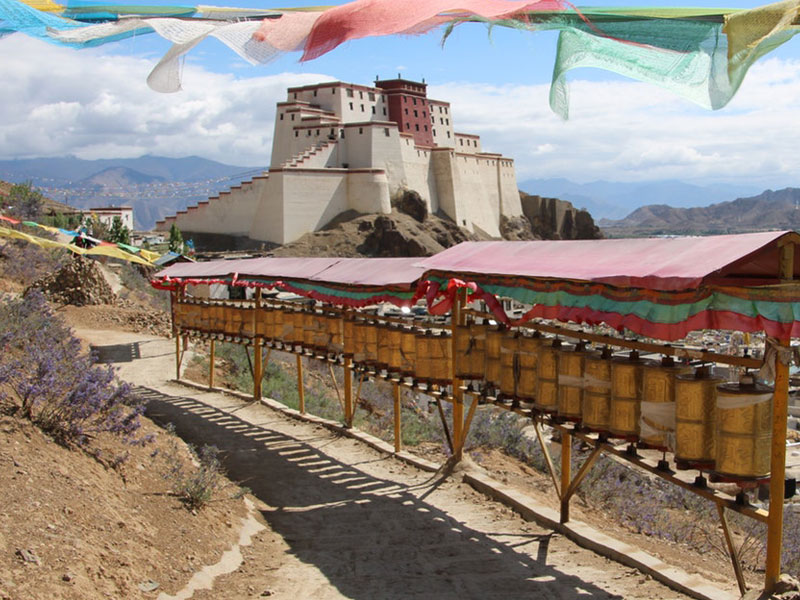
Kora Road of Tashilhunpo Monastery
Why Remote Areas Are Not Suitable for First-Time Overseas Visitors
Many overseas tourists yearn for the ultimate scenery of Everest Base Camp and Ngari, but these high-altitude remote areas are not recommended for first-time visitors. Everest Base Camp is over 5,200 meters above sea level, with harsh climate, strong plateau wind and extremely low oxygen content, which is very likely to cause severe altitude reaction. Ngari, known as “the roof of the world’s roof“, has an average altitude of more than 4,500 meters, with sparse vegetation, scattered scenic spots and long driving distances.
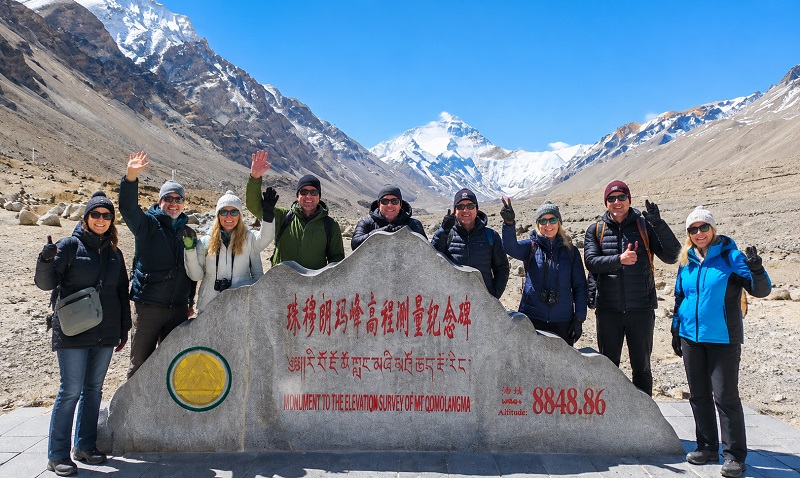
Mount Everest
Traveling in these remote areas requires good physical quality and certain plateau adaptation experience, with high travel intensity and poor comfort. For first-time overseas visitors who are not familiar with the plateau environment, blind travel will easily affect the overall travel experience and even bring hidden dangers to physical health. These extreme scenic areas are more suitable for secondary revisit tourists with rich plateau travel experience.
Scientific Classic Travel Route Recommendation
Combining the altitude advantages, scenic characteristics and travel comfort of various regions, we have sorted out the most suitable 6-day classic travel route for overseas first-timers. The route follows the principle of “low altitude adaptation first, high altitude expansion later“, balancing cultural exploration and natural scenery appreciation.
Day 1: Arrival in Lhasa
Day 2: Lhasa – Basum Tso – Nyang River – Nyingchi (390 km)
Day 3: Nyingchi – Lulang – Ranwu Lake – Bomi (380 km)
Day 4: Bomi – Laigu Glacier – Yalong Glacier – Nyingchi(300 km)
Day 5: Nyingchi – Kading Valley – Lhasa (460 km)
Day 6: Lhasa City Tour: Potala Palace • Jokhang Temple • Barkhor Street
Day 7: Lhasa – Yamdrok Lake – Karola Glacier – Shigatse
Day 8: Shigatse – Tingri – Gyatso La Pass – Everest Base Camp – Basong Village
Day 9: Everest Base Camp – Gawula Pass – 318 Highway – Shigatse
Day 10: Shigatse – Tashilhunpo Monastery – Lhasa
Day 11: Lhasa – Namtso Lake – Northern Tibetan Grasslands – Lhasa
Day 12: Departure from Lhasa
Final Conclusion
To sum up, answering the core question of Which Part of Tibet Is Best for First-Time Overseas Visitors?, the mature combination of Lhasa, Nyingchi, Yamdrok Lake and Shigatse is undoubtedly the optimal choice. This travel combination covers the most classic cultural and natural landscapes of Tibet, with moderate altitude, complete supporting facilities and low travel risks. It not only avoids the harsh environment of remote high-altitude areas, but also allows overseas tourists to fully feel the unique charm of plateau snow mountains, holy lakes and ethnic customs.
For first-time international travelers, abandoning blind niche exploration and choosing mature and friendly tourist areas is the key to a perfect plateau trip. This classic and scientific travel scheme can meet the dual needs of cultural experience and natural scenery viewing, bringing every overseas first-time visitor a safe, comfortable and unforgettable Tibet travel memory.