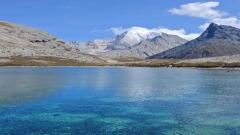
Across the vast Qinghai-Tibet Plateau, alpine lakes are affectionately referred to by Tibetans as “Tso” (meaning lake). Like scattered sapphires dropped from the sky, these lakes sit nestled among towering snow-capped mountains and sweeping grasslands.
Among Tibet’s thousands of lakes, three stand above the rest due to their extraordinary natural beauty and deep spiritual heritage in Tibetan Buddhism: Yamdrok Lake, Namtso, and Lake Manasarovar. Together, they are celebrated as the “Three Sacred Lakes of Tibet.” Each occupies a distinct geographic region and transforms dramatically across the four seasons.
Here is an in-depth guide to these three sacred lakes, detailing their unique charm, geographic locations, and the ideal seasons for your visit.
Article Summary
- Deep Dive into the Top 3 Sacred Lakes: An in-depth guide to Tibet’s three most celebrated holy lakes—Yamdrok Lake (Shannan), Namtso (Lhasa/Nagqu), and Lake Manasarovar (Ngari).
- Geographic & Transportation Insights: Clear details on administrative locations, elevations, and travel distances from Lhasa or nearby regional hubs.
- Seasonal Landscape Highlights:
- Yamdrok Lake: Suitable year-round; vibrant turquoise in spring and autumn, framed by snow-capped peaks in winter.
- Namtso: Sparkling turquoise waters and green grasslands in summer; frozen “blue ice” and starry galaxies in winter.
- Lake Manasarovar: Best visited from May to October, with spring and autumn offering stable weather to capture reflections of Mount Kailash.
- Cultural Significance: Overview of the sacred status of these lakes in Tibetan Buddhism and local circumambulation (kora) traditions.
Yamdrok Lake: A Turquoise Ribbon Winding Through Alpine Valleys
1. Location & Transportation
Region: Nagarze County, Shannan City
Elevation: 4,441 meters above sea level
Distance: Approximately 110 km from downtown Lhasa. Located along Provincial Highway 307, accessible by crossing the Gampa La Pass (5,030 m). Drive time is roughly 2 to 2.5 hours one way.
2. Visual Highlights & Cultural Heritage
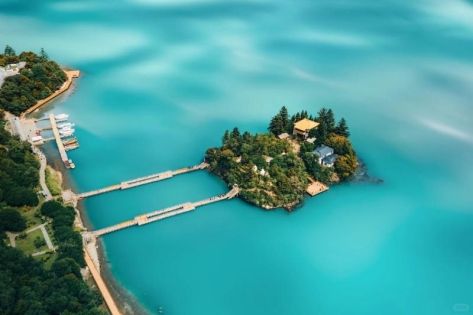
Yamdrok Lake (Yamdrok Tso) translates to “Turquoise Lake” or “Swan Lake” in Tibetan. Geographically unique, it is a coral-branch-shaped dammed lake rather than a simple circular body of water. Its intricate shoreline stretches over 250 kilometers, winding through high mountain valleys.
Looking down from the Gampa La Pass, Yamdrok Lake resembles a brilliant turquoise ribbon draped across the mountains. Because of its varying water depths, shifting sunlight, and changing cloud cover, the lake displays rich, shifting hues ranging from peacock blue and emerald green to deep indigo. Nearby, the snow-capped peak of Mount Nojin Kangsang (7,206 m) creates a striking contrast against the turquoise waters.
3. Best Time to Visit & Seasonal Changes
Year-Round Destination (Best Period: April to November):
Spring (April–May): As ice melts, clear skies offer ideal conditions for photographing turquoise waters alongside snow-capped peaks.
Summer (June–August): Lush alpine meadows frame the lake, with blooming wildflowers and grazing yak herds.
Autumn (September–November): Crisp air and golden hillsides surrounding the lake provide vibrant color contrasts for photography.
Winter (December–March): Due to its immense size and water composition, most of Yamdrok Lake does not freeze completely over. Winter sunlight glistens on deep blue waters framed by sharp, snow-covered mountains.
Namtso: A Frozen Epic at the Edge of Sky and Stars
1. Location & Transportation
Region: Border between Damxung County (Lhasa) and Baingoin County (Nagqu)
Elevation: 4,718 meters above sea level
Distance: Approximately 220 km from Lhasa via the Qinghai-Tibet Highway, crossing Nagen La Pass (5,190 m). Drive time is roughly 3.5 to 4 hours one way.
2. Visual Highlights & Cultural Heritage
Namtso translates to “Heavenly Lake” in Tibetan. It is the highest of Tibet’s three sacred lakes and the second-largest saltwater lake in China. Local legend portrays Namtso and the towering Nyenchen Tanglha Mountain Range (7,162 m) along its southern shore as an eternal pair of divine lovers.
Standing along the shore of Namtso feels like standing beside a vast ocean. The lake stretches to the horizon, anchored by the Tashi Peninsula, which extends into the center of the lake with eroded caves and ancient circumambulation paths. The “Hands-Together Rocks” (said to symbolize the union of the sacred mountain and lake) are a primary spiritual landmark. During the Year of the Sheep in the Tibetan calendar, thousands of pilgrims travel here to perform the sacred kora (lake circuit).
3. Best Time to Visit & Seasonal Changes
Seasonal Highlights (Best Period: May to October; December to March):
Summer & Autumn (May–October): Unfrozen waters blend into clear skies while the snow peaks of the Nyenchen Tanglha Range stand clearly in the background. Warmer temperatures make this the golden season for conventional travel.
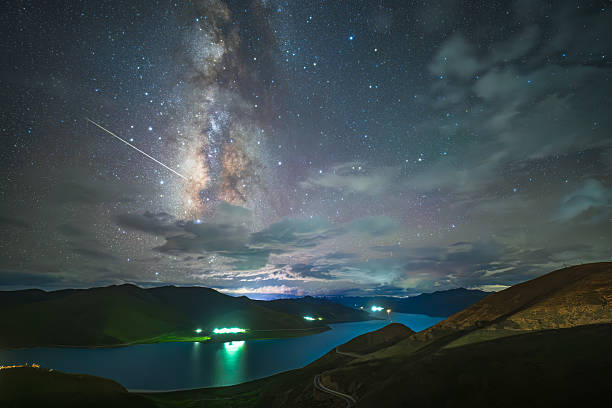
Deep Winter (December–March): The prime season for “Blue Ice” phenomena. Namtso freezes completely, forming ice layers tens of centimeters thick. Massive ice blocks, dramatic surface cracks, and frozen wave formations reflect deep blue hues in the winter sun, reminiscent of Lake Baikal. The clear winter atmosphere also makes Namtso a world-class destination for stargazing and Milky Way photography.
Lake Manasarovar: Spiritual Sanctuary at the Foot of Sacred Peaks
1. Location & Transportation
Region: Burang County, Ngari Prefecture
Elevation: 4,588 meters above sea level
Distance: Located along the Ngari Southern Route near Mount Kailash (approx. 30 km from Burang County town and 200 km from Ngari Gunsa Airport).
2. Visual Highlights & Cultural Heritage
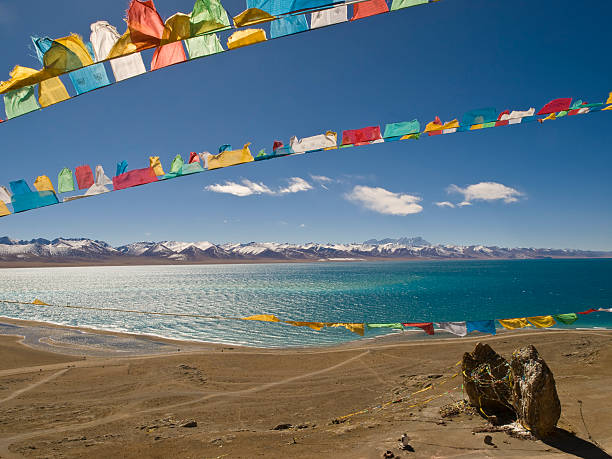
Lake Manasarovar (Mapam Yumtso) means “Unconquerable Turquoise Lake” in Tibetan. It holds sacred status across Tibetan Buddhism, Hinduism, Bon, and Jainism. It is revered as the divine pool of nectar bestowed upon humanity and serves as the origin area for four major Asian rivers: the Yarlung Tsangpo (Brahmaputra), Ganges, Indus, and Sutlej.
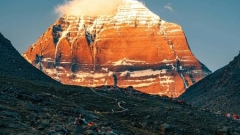
Manasarovar’s waters are exceptionally clear, with visibility extending over ten meters deep, reflecting shades of deep indigo. Separated by a narrow strip of land lies its neighbor, Lake Rakshastal (“The Ghost Lake”). Manasarovar is framed by the sacred Mount Kailash to the north and Mount Gurla Mandhata (7,694 m) to the south. At sunrise or sunset, watching the sacred peak reflect across the mirror-like surface of the lake offers an unforgettable experience.
3. Best Time to Visit & Seasonal Changes
Golden Travel Season (May to October, Peak in May & September–October):
Spring & Autumn (May, September–October): High-altitude winds are mild, skies remain clear, and road conditions are stable, making this the best window for capturing reflections of Mount Kailash, trekking along the lake, and landscape photography.
Summer (June–August): While temperatures are mild, seasonal rain clouds can occasionally obscure views of the sacred peaks.
Winter (November to April): Ngari experiences extreme cold and heavy snow, frequently closing high mountain passes and limiting standard leisure travel.
Practical Travel Tips for Visiting the Sacred Lakes
Wind Protection, Warmth & Sun Care: All three sacred lakes sit in exposed, high-altitude terrain where winds can be intense and temperatures drop quickly. Always carry a windproof jacket, thermal layers, and warm gear, even in summer. Heavy winter down coats, hats, and gloves are mandatory during colder months. High UV levels require UV400-rated sunglasses and strong sunscreen.
Altitude Sickness Prevention: Altitude across all three lakes exceeds 4,400 meters (with Namtso and Manasarovar over 4,500 meters). Spend 2 to 3 days acclimatizing in Lhasa (3,650 m) before traveling to the lakes. Avoid strenuous activity along the shores and keep portable oxygen canisters accessible.
Border Passes: Visiting Lake Manasarovar in Ngari requires a valid Tibet Border Pass (listing Burang County, Ngari). Standard tourist areas at Yamdrok Lake and Namtso currently do not require a border pass.
Respect Local Customs: Tibetans consider these lakes sacred. Please refrain from swimming, wading, littering, or disturbing wildlife. When walking along lake trails, follow the local tradition of circumambulating in a clockwise direction.