✨ Highlights:
- 📖 Comprehensive travel guide for senior foreign travellers planning a relaxing Tibet plateau tour
- ⛰️ Clear safety advice on high-altitude adaptation, pre-travel preparation and daily travel care
- 🗺️ Well-designed low-stress itineraries with gentle walking and minimal long-distance transfers
- 📄 Useful document guidance and travel requirements for overseas elderly visitors travelling to Tibet
- 🎒 Professional tips on transportation, packing, diet and rhythm control for comfortable plateau travel
- 🏯 Curated cultural and scenic routes suitable for seniors, covering Lhasa, Shigatse and Nyingchi
Tibet, the roof of the world, is a land of sacred monasteries, pristine alpine lakes, vast grasslands, and profound Tibetan Buddhist culture. For senior foreign travellers seeking a peaceful, culturally immersive, and low-stress high-altitude journey, Tibet offers an unparalleled travel experience different from bustling modern tourist destinations. However, Tibet’s high altitude, unique geographical environment, and special entry policies require tailored travel plans, especially for elderly visitors with relatively physical limitations. This comprehensive guide shares practical Tibet travel tips for senior foreign travellers and carefully designed suitable Tibet itineraries for seniors, helping elderly foreign tourists enjoy a safe, comfortable, and memorable Tibet tour while avoiding common travel pitfalls.
Why Tibet Is an Ideal Travel Destination for Senior Foreign Travellers
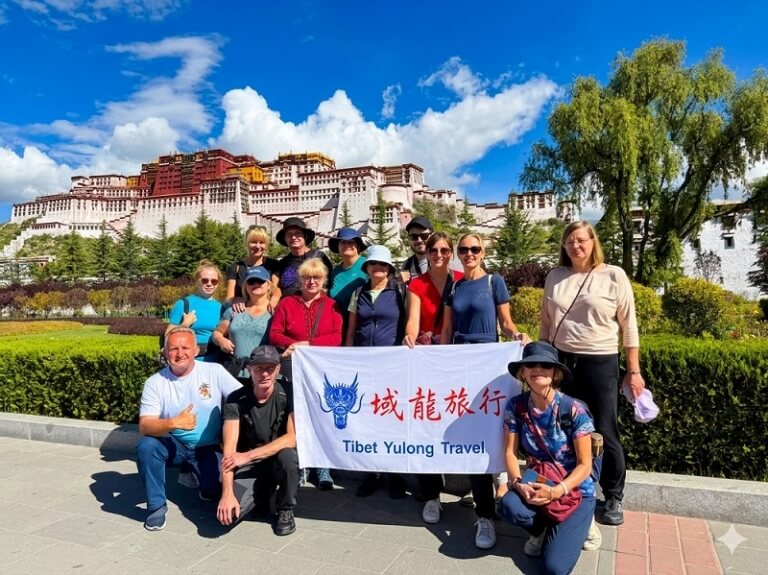
Many senior travellers prefer slow-paced, cultural-focused, and crowd-free travel experiences, and Tibet perfectly meets these needs. Unlike popular commercial tourist attractions, Tibet retains original ecological scenery and authentic ethnic culture, with quiet religious atmospheres that help relieve stress and relax the mind. A common concern among older overseas visitors is Is Tibet safe for senior foreign travellers, and the answer is yes — with proper preparation and senior-oriented arrangements, Tibet is absolutely safe and welcoming for elderly tourists. Firstly, Tibet’s core scenic spots are concentrated in low-altitude and gentle areas, avoiding strenuous mountain climbing and long-distance hiking, which is friendly to elderly people’s physical conditions. Secondly, the local tourism industry has matured dedicated reception services for senior foreign travellers, including professional guides, comfortable vehicles, and barrier-free travel arrangements. Most importantly, there is no strict age restriction for Tibet travel, and healthy seniors can fully enjoy the beauty and culture of the Tibetan plateau with reasonable travel arrangements.
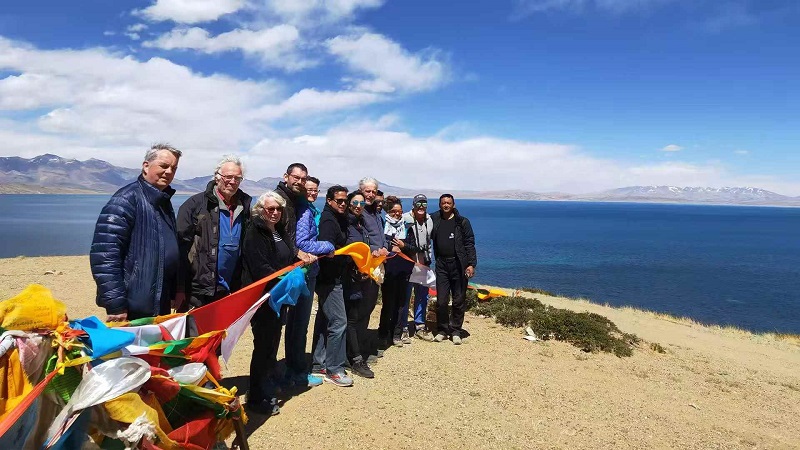
In addition, a well-planned Tibet tour for elderly overseas visitors helps seniors stay away from the noise of urban life, experience the simple folk customs of Tibetans, and appreciate the charm of ancient Buddhist culture, which is both a physical journey and a spiritual baptism. With proper altitude adaptation and scientific travel planning, Tibet travel will become a precious memory in the later life of senior foreign tourists.
Essential Pre-Travel Tips for Senior Foreign Travellers to Tibet
Tibet’s high altitude (average altitude above 3000 meters) is the biggest difference from ordinary travel destinations. For senior foreign travellers, adequate pre-travel preparation is the core of ensuring a smooth and safe trip. The following key tips cover document processing, physical preparation, item preparation and policy requirements, fully adapting to the travel characteristics of elderly groups.
1. Complete Official Documents in Advance (Must for Foreign Travellers)
Different from domestic tourists, all foreign travellers (including seniors) cannot travel freely in Tibet and must apply for official travel documents through formal local travel agencies. First, prepare a valid passport with a validity period of more than 6 months and a Chinese visa. Second, focus on the Tibet Travel Permit application for senior foreign travellers, the core certificate for foreign tourists to enter Tibet. Individual applications are not accepted, and the permit can only be processed by qualified Tibetan travel agencies. It is recommended to submit materials 20 days in advance to avoid delays caused by review cycles.
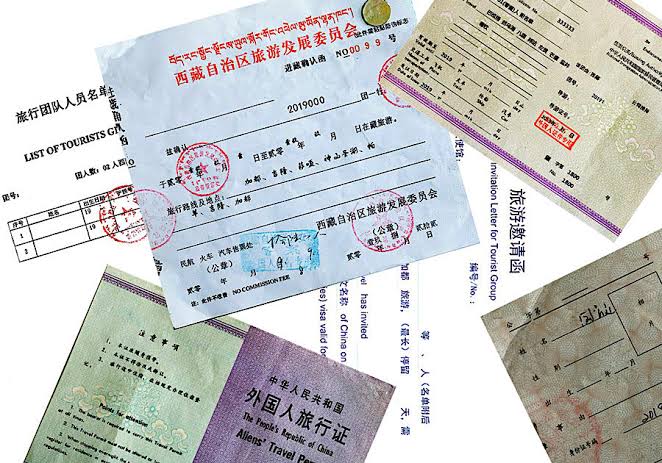
Documents for foreigners entering Tibet
For senior travellers with limited mobility or simple English communication needs, you can entrust the travel agency to complete the whole process of document application, and confirm the travel schedule and certificate information in advance to ensure entry compliance. It should be noted that foreign tourists are prohibited from self-driving, hiking or cycling into Tibet, and can only enter by plane or train with organized tour groups.
2. Physical Check-up and Altitude Adaptation Preparation
High altitude sickness is the primary concern for senior travellers visiting Tibet. It is necessary to conduct a comprehensive physical examination one week before departure, focusing on checking heart, lung, blood pressure and cardiovascular conditions. Seniors with severe hypertension, heart disease, asthma and other chronic diseases are not recommended to travel to Tibet. For healthy seniors, stop strenuous exercise one week before departure, maintain regular work and rest, and avoid colds.
It is not recommended to take altitude sickness drugs blindly. You can take Rhodiola rosea appropriately 3-5 days before departure to relieve altitude reaction symptoms. After arriving in Tibet, follow the principle of “slow walk, less talk, more rest, no alcohol”. Do not bathe on the first day to avoid cold-induced altitude sickness, and keep a peaceful mood, which is the most effective way to adapt to the plateau environment.
3. Practical Packing List for Senior Travellers
The plateau climate of Tibet is changeable, with strong ultraviolet rays, large temperature difference between day and night, and dry air. Senior travellers need to prepare targeted items to ensure travel comfort. First, wear warm, windproof and waterproof layered clothing. Even in summer, you need to prepare thin down jackets and windbreakers, as the temperature drops sharply in the morning and evening. Second, prepare professional sunscreen products with high SPF, UV-proof sunglasses, moisturizing cream and lip balm to resist strong ultraviolet rays and dry plateau air.
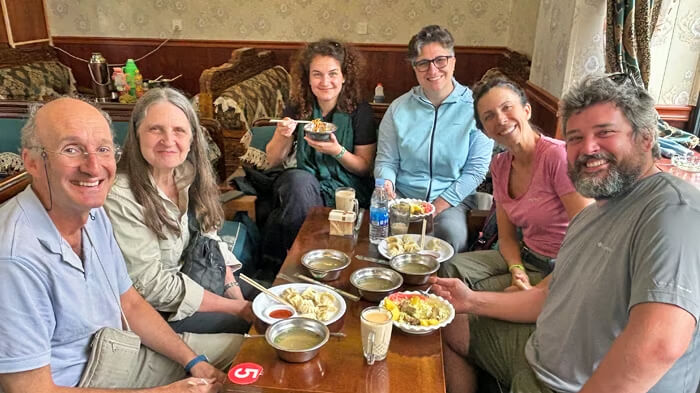
Try Local Tibetan Cuisine
In terms of medicines, carry personal chronic disease medicines in sufficient quantity, as well as common medicines such as cold medicine, gastrointestinal medicine, motion sickness medicine and band-aids. In addition, prepare a portable thermos cup to drink warm water frequently and replenish water in time; bring lightweight walking aids to assist walking and reduce physical fatigue.
4. Reasonable Traffic Selection to Reduce Fatigue
For senior foreign travellers, traffic selection directly affects travel comfort. There are two mainstream ways to enter Tibet: by plane and by train. Taking a plane is the most time-saving and labor-saving option. There are direct flights to Lhasa from major cities such as Beijing, Shanghai, Guangzhou and Chengdu. It is suitable for seniors with limited physical strength and short vacation time.
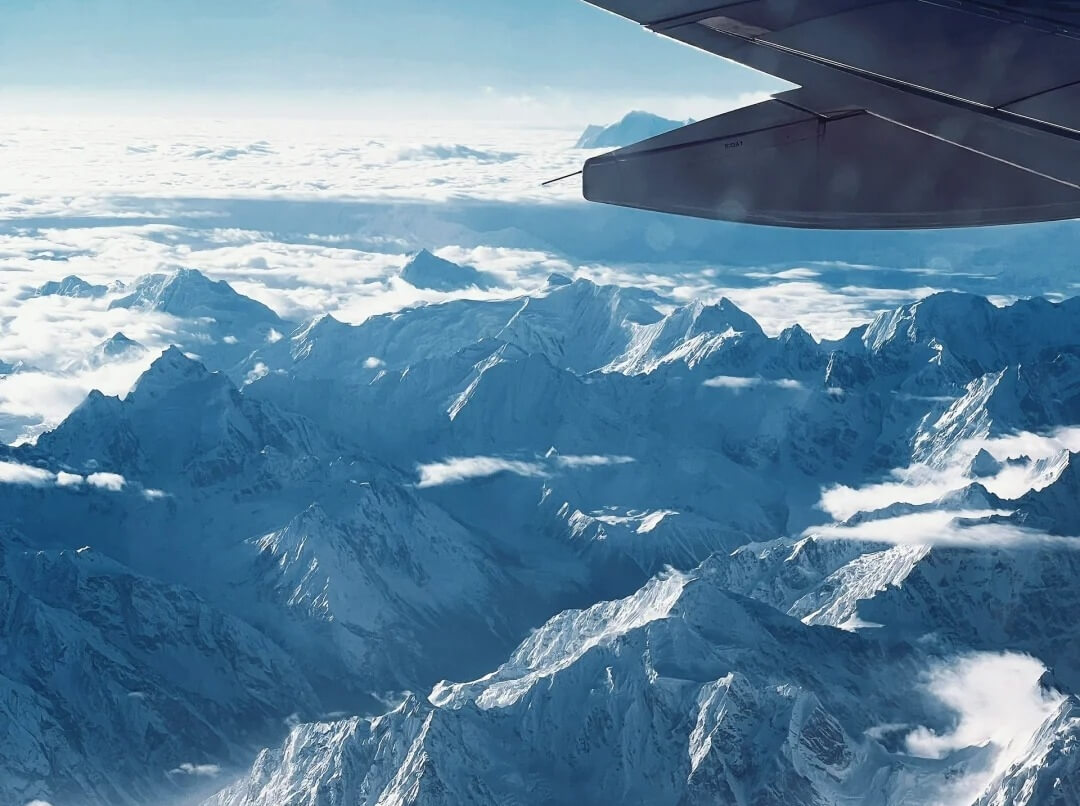
Chengdu fly to Lhasa
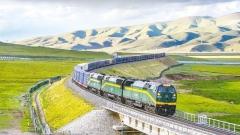
Taking the Qinghai-Tibet train is suitable for seniors with good physical fitness and want to enjoy plateau scenery along the way. The train climbs slowly, which can help the body adapt to the altitude gradually and effectively reduce altitude sickness. It is recommended to choose a soft sleeper berth to ensure rest quality and avoid fatigue caused by long-distance riding.
Best Tibet Itinerary for Elderly Foreign Travellers
Combined with the physical characteristics and travel preferences of senior tourists, we have designed three classic low-intensity routes as senior friendly Tibet itineraries, abandoning long-distance transfers and intensive scenic spot arrangements. The routes focus on cultural experience and leisure sightseeing, with gentle rhythm and moderate walking volume, fully suitable for senior foreign travellers.
Itinerary 1: 4-Day Lhasa Leisure Cultural Tour (Most Suitable for First-Time Senior Visitors)
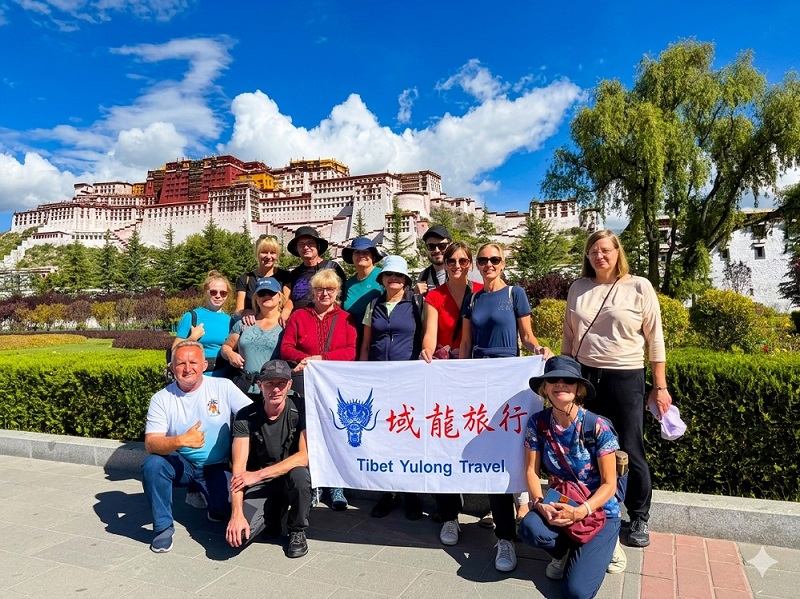
Day 1: Arrival in Lhasa
Day 2: Drepung Monastery – Sera Monastery
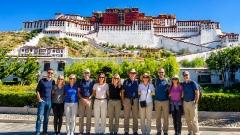
Day 3: Potala Palace – Jokhang Temple – Barkhor Street
Day 4: Depart from Lhasa
This 4-day short route focuses on Lhasa urban scenic spots with low altitude (3650m), complete supporting facilities and flat roads, which is the safest choice for senior travellers visiting Tibet for the first time. The itinerary has no long-distance driving, sufficient rest time, and focuses on experiencing core Tibetan culture.
Day 1: Arrive in Lhasa + Altitude Adaptation
Met by local guide with traditional khata scarf upon airport / train‑station arrival, transferred to downtown hotel. Focus on altitude acclimatization and rest. Briefing covering travel tips and local cultural etiquette in the evening
Day 2: Lhasa Monastery Tour: Drepung Monastery – Sera Monastery
Visit Drepung Monastery, once Tibet’s largest monastic site, to learn about Tibetan Buddhism history. Explore Loseling Buddhist College to observe monks’ daily study. In the afternoon tour Sera Monastery; catch the famous monk debate session (Mon‑Sat around 15:00). End the day with a welcome Tibetan‑style dinner.
Day 3: Potala Palace – Jokhang Temple – Barkhor Street
Tour Potala Palace for its historic relics and panoramic city views, stop by Dragon King Pool Park. Afternoon visit Jokhang Temple, the spiritual heart of Tibet, then stroll Barkhor Street for the kora circuit. Relax in a local Tibetan teahouse to experience everyday Lhasa life.
Day 4: Departure from Lhasa
Provide flight / train information in advance. Guide arranges transfer to airport or railway station to complete the tour.
Itinerary 2: 8 Days Classic Tibet Tour with Everest Base Camp, Yamdrok Lake & Namtso Lake
This classic 8‑day Tibet loop covers three iconic highlights: Yamdrok Lake, Everest Base Camp and Namtso Lake. It connects Shigatse, Tashilhunpo Monastery and Karola Glacier, combining sacred highland lakes, snow peaks and ancient Tibetan monasteries. It is ideal for overseas travellers with enough time who wish to experience Tibet’s most representative scenery and culture in one trip.
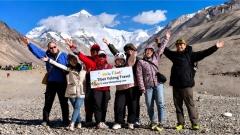
Day 1: Arrive in Lhasa: Airport/Train Station Pick-up & Hotel Check-in
Day 2: Discover Lhasa – Potala Palace, Jokhang Temple & Barkhor Street
Day 3: Lhasa to Shigatse: Yamdrok Lake, Karola Glacier
Day 4: Shigatse to Everest Base Camp: Gyatso La, Gyawu La, Sunset at Everest
Day 5: Everest Base Camp to Shigatse: Mt. Everest Sunrise
Day 6: Shigatse – Tashilhunpo Monastery – Lhasa
Day 7: Lhasa to Namtso and Back: Namtso Lake, Northern Tibet Grasslands
Day 8: Lhasa Departure: Transfer to Airport or Train Station
Day 1: Arrive in Lhasa
Greeted by local guide & driver at airport / railway station, transferred to downtown hotel. Full‑day rest for altitude acclimatization at 3,650 m.
Day 2: Lhasa City Highlights
Visit Potala Palace (UNESCO site), enjoy complimentary afternoon‑tea nearby. Tour Jokhang Temple and stroll Barkhor Street to experience local pilgrim culture. End with Tibetan welcome dinner.
Day 3: Lhasa – Yamdrok Lake – Karola Glacier – Shigatse
Drive westwards. Sight‑see turquoise Yamdrok Lake and massive Karola Glacier. Pass historic Gyantse town, check‑in Shigatse for overnight stay.
Day 4: Shigatse – Tingri – Everest Base Camp
Cross Gyatso La Pass (5,220 m) into Everest National Nature Reserve. Visit Rongbuk Monastery, then reach Everest Base Camp (5,200 m) for close‑up views of Mount Everest. Enjoy special Everest hot‑pot dinner.
Day 5 Everest Base Camp – Shigatse
Watch sunrise over Everest golden summit if weather permits. Return by road to Shigatse for overnight rest.
Day 6: Shigatse – Tashilhunpo Monastery – Lhasa
Explore Tashilhunpo Monastery, home to the giant 26‑meter Maitreya Buddha statue. Drive back to Lhasa via Yarlung Tsangpo Valley.
Day 7: Lhasa – Namtso Lake – Northern Tibet Grasslands – Lhasa
Cross Nagenla Pass (5,190 m) to Namtso Lake, one of world’s highest salt‑water lakes. Drive across vast Northern Tibet Grasslands with views of Nyainqentanglha Range, return to Lhasa.
Day 8: Departure from Lhasa
Guide arranges transfer to airport or railway station according to your flight/train schedule. Tour concludes.
Itinerary 3: 10 Days Tibet Autumn Tour: Visit Nyingchi, Lhasa, Bomi and More (Best for Sensitive Physique Seniors)
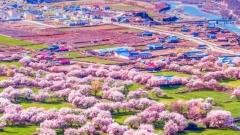
Nyingchi is known as the “Jiangnan of Tibet”, with an average altitude of only 2900 meters, lush vegetation and high oxygen content, which is the most friendly area for senior travellers with sensitive altitude reactions. This route focuses on ecological scenery, with mild climate and low altitude reaction risk.
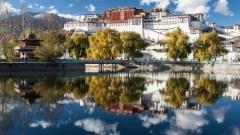
Day 1: Arrive in Chengdu
Day 2: Chengdu-Nyingchi-Mount Namcha Barwa-Lulang
Day 3: Lulang-Bomi-Midui Glacier-Bomi
Day 4: Bomi-Rangchu Glacier-Mount Namcha Barwa-Lulang-Nyingchi
Day 5: Nyingchi – Basomtso Lake – Lake Island – Lhasa
Day 6: Lhasa: Potala Palace – Jokhang Temple – Barkhor Street
Day 7: Lhasa – Kambala Pass – Yamdrok Lake – Lhasa
Day 8: Lhasa – Namtso Lake – Northern Tibetan Grassland – Lhasa
Day 9: Lhasa – Qinghai-Tibet Soft Sleeper Train
Day 10: Arrive in Xining at 8 AM – Fly to Chengdu at noon
Day 1 Arrive in Chengdu
Arrive Chengdu and check‑in hotel on your own, relax before Tibet adventure.
Day 2: Chengdu‑Nyingchi‑Mt Namcha Barwa‑Lulang
Fly to low‑altitude Nyingchi. Explore Yarlung Zangbo Grand Canyon area, admire Mt Namcha Barwa snow peak, then drive to Lulang. Taste authentic stone‑pot local food.
Day 3: Lulang‑Bomi‑Midui Glacier‑Bomi
Drive to Bomi. Visit spectacular Midui Glacier with blue‑ice tongue and ice‑waterfalls, return to Bomi for overnight.
Day 4: Bomi‑Rangchu Glacier‑Mt Namcha Barwa‑Lulang‑Nyingchi|Meals: Breakfast|Accommodation: Nyingchi hotel
Visit raw Rangchu Glacier. Pass by Mt Namcha Barwa again, travel through Lulang forests and return to Nyingchi.
Day 5: Nyingchi – Basomtso Lake – Lhasa
Tour emerald Basomtso Lake, visit Tsozong Monastery on lake island. Drive along Lhasa River valley and arrive in Lhasa.
Day 6: Lhasa City Sightseeing
Visit Potala Palace, Jokhang Temple and wander Barkhor Street to experience local pilgrim culture.
Day 7: Lhasa‑Kambala Pass‑Yamdrok Lake‑Lhasa
Cross Kambala Pass for panoramic Yamdrok Lake views. Stroll lakeshore then return to Lhasa.
Day 8: Lhasa‑Namtso Lake‑Northern Tibet Grasslands‑Lhasa
Travel across vast Northern Tibet Grasslands to Namtso Lake with Nyainqentanglha mountain backdrop, return to Lhasa.
Day 9: Lhasa – Qinghai‑Tibet Soft‑Sleeper Train
Board the famous Qinghai‑Tibet overnight soft‑sleeper train, enjoy ever‑changing plateau views out of window.
Day 10: Arrive Xining & Fly to Chengdu
Arrive Xining in the early morning, transfer to airport and fly back to Chengdu. Tour finishes.
Key Safety & Comfort Tips for Senior Foreign Travellers in Tibet
1. Control Travel Rhythm Strictly
The core of senior Tibet travel is “slow”. Avoid getting up early and returning late, reduce long-distance continuous driving, and ensure 8-10 hours of rest every day. Do not pursue full scenic spots, and leave enough buffer time for physical adaptation. Once you feel dizzy, short of breath or fatigued, stop sightseeing and rest immediately.
2. Scientific Diet & Daily Care
Tibet’s diet is mainly highland barley, beef and mutton. Senior travellers with weak gastrointestinal function should eat light food, avoid greasy, spicy and excessive meat, and eat more fruits and vegetables to supplement vitamins. Drink warm water frequently, do not drink alcohol or strong tea, and maintain adequate water intake to relieve plateau dryness. Keep warm at all times to avoid colds, as colds are easy to induce severe altitude sickness.
3. Choose Professional Senior Travel Services
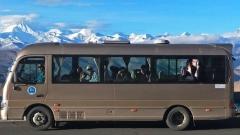
It is recommended that senior foreign travellers choose professional travel agencies with rich experience in receiving elderly foreign tourists. Professional teams can provide English-speaking guides, comfortable business cars, barrier-free travel arrangements and emergency medical services. Avoid informal small groups to ensure travel safety and service quality.
4. Emergency Prevention & Insurance
Purchase international travel insurance covering high-altitude travel before departure to cope with unexpected situations. Save local emergency numbers, travel agency service numbers and doctor contact information. For slight altitude reactions such as dizziness and fatigue, relieve them through rest and oxygen inhalation (moderate oxygen inhalation only). In case of severe discomfort, seek medical treatment immediately.
Final Words
Tibet is not only a tourist resort for young people, but also a sacred leisure resort suitable for senior foreign travellers. With pure natural scenery, profound cultural heritage and quiet travel atmosphere, it is an ideal destination for elderly people to relax and experience different customs. As long as senior foreign travellers make adequate pre-travel preparation, choose a low-intensity tailored itinerary, and abide by plateau travel precautions, they can safely and comfortably feel the unique charm of the roof of the world. This guide’s practical tips and senior-friendly itineraries can help every elderly foreign tourist avoid travel risks and harvest a pure, warm and unforgettable Tibet travel experience.