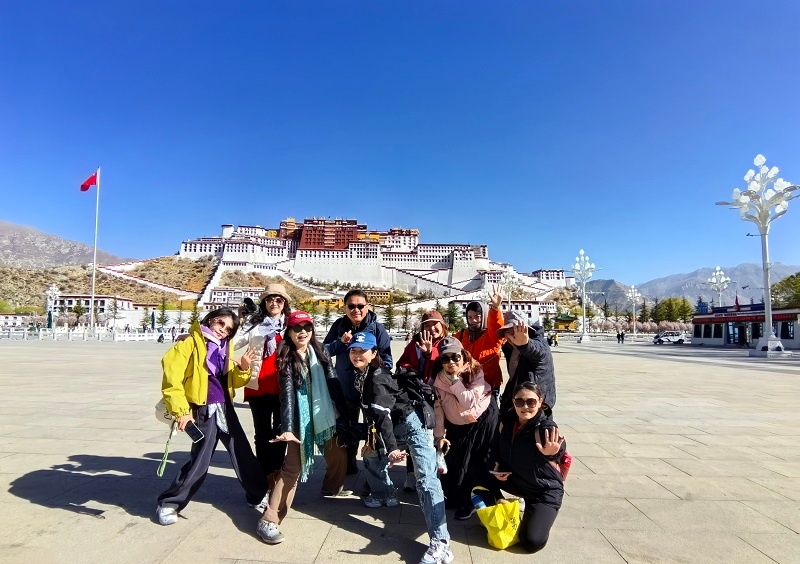

Tibet is one of the most extraordinary destinations in Asia, attracting travelers with its high-altitude landscapes, ancient monasteries, Tibetan Buddhist culture, sacred lakes, and spectacular Himalayan scenery. However, visiting the Tibet Autonomous Region is different from traveling to most other destinations in China. International tourists generally need to arrange a Tibet Travel Permit through an authorized travel agency and follow an organized itinerary with a local guide. Some destinations, particularly border areas and remote regions, may also require additional permits. These rules can make Tibet travel seem complicated at first, but understanding why they exist and how they affect your trip can make the planning process much easier.
Key Takeaways
- Tibet has additional travel controls because of its high-altitude environment, distinctive cultural and religious heritage, sensitive border areas, and specific administrative requirements.
- International tourists cannot currently travel independently throughout the Tibet Autonomous Region and generally need to arrange their trip through an authorized local Tibet travel agency.
- The Tibet Travel Permit is essential for foreign travelers entering the Tibet Autonomous Region, while some destinations require additional permits.
- Policies can change, so travelers should confirm the latest requirements with a licensed Tibet travel agency before booking flights, trains, or other transportation.
Why Is Travel to Tibet Restricted?
The question “Why is Tibet restricted?” does not have just one answer. Tibet’s travel regulations are connected to several factors, including its extreme geographical environment, cultural and religious characteristics, environmental protection, border security, and administrative management.
The Tibet Autonomous Region covers a vast area of the Tibetan Plateau, much of it at elevations of more than 4,000 meters above sea level. Traveling in such an environment is very different from visiting a typical low-altitude destination. Altitude-related illness, rapidly changing weather, long distances between settlements, and limited infrastructure in remote areas can create genuine challenges for visitors.
At the same time, Tibet contains an exceptionally rich cultural and religious heritage. Monasteries, temples, pilgrimage sites, traditional communities, and historic monuments are an important part of Tibetan culture. Some locations also have particular political or security sensitivities. As a result, travel to certain places is managed more closely than ordinary tourism destinations.
Rather than viewing Tibet travel restrictions as a single barrier, it is more useful for international travelers to understand them as a system of entry permits, organized travel requirements, destination-specific permissions, and local regulations.
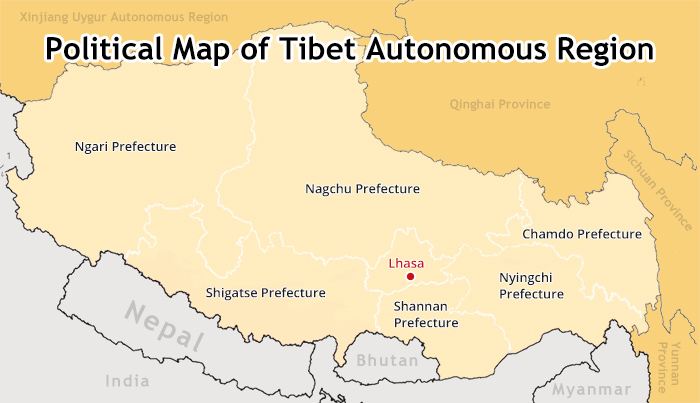
Political Map of Tibet Autonomous Region
What Makes Tibet Different From Other Destinations in China?
For most international visitors, the biggest difference is that traveling to Tibet is not simply a matter of obtaining a Chinese visa and booking a hotel.
A Chinese visa, when required, allows a foreign traveler to enter China, but it does not by itself provide permission to travel to the Tibet Autonomous Region. International tourists normally need a separate Tibet Travel Permit, issued through the Tibet tourism authorities and arranged by an authorized Tibet travel agency.
In addition, independent travel within the Tibet Autonomous Region is generally not available to foreign tourists under the current travel management system. Visitors need to arrange an organized tour, either as part of a small group or as a private trip with a local guide.
This means that the travel agency plays a more important role in Tibet than it does in many other parts of China. The agency helps organize the itinerary, submit permit applications, arrange transportation and accommodation, and coordinate the guide and other local services.
Is the High Altitude One Reason for Tibet’s Travel Restrictions?
Yes, the high-altitude environment is an important practical consideration when traveling in Tibet, although it is not the only reason for the region’s travel rules.
Lhasa sits at roughly 3,650 meters above sea level, while destinations such as Everest Base Camp and areas of western Tibet are considerably higher. Travelers arriving from low-altitude regions can experience headaches, fatigue, shortness of breath, sleeping difficulties, or other symptoms associated with altitude.
The situation becomes more challenging when traveling long distances across the Tibetan Plateau. Remote destinations may be hundreds of kilometers from major cities, and weather conditions can change quickly. For this reason, organized travel with experienced local guides, appropriate transportation, and a carefully designed itinerary can provide important practical support.
For travelers planning trekking, Mount Kailash pilgrimage routes, or high-altitude excursions, acclimatization should be treated as a central part of the itinerary rather than an afterthought.
Does Tibet Restrict Travel to Protect Its Culture and Heritage?
Cultural and religious heritage is another important part of the explanation.
Tibet is home to numerous monasteries, temples, pilgrimage sites, historic buildings, traditional villages, and religious traditions that remain an important part of everyday life. Places such as Lhasa’s Jokhang Temple and the Potala Palace attract visitors from around the world, but they are also living cultural and religious spaces.
Travel management can therefore involve rules concerning where visitors may go, how they visit certain religious sites, and whether a guide is required. These arrangements are intended to regulate tourism while allowing visitors to experience Tibetan culture in a structured way.
For international travelers, this means that a Tibet trip should not be approached simply as a sightseeing itinerary. Respecting religious customs, photography rules, local traditions, and community spaces is an important part of responsible travel.
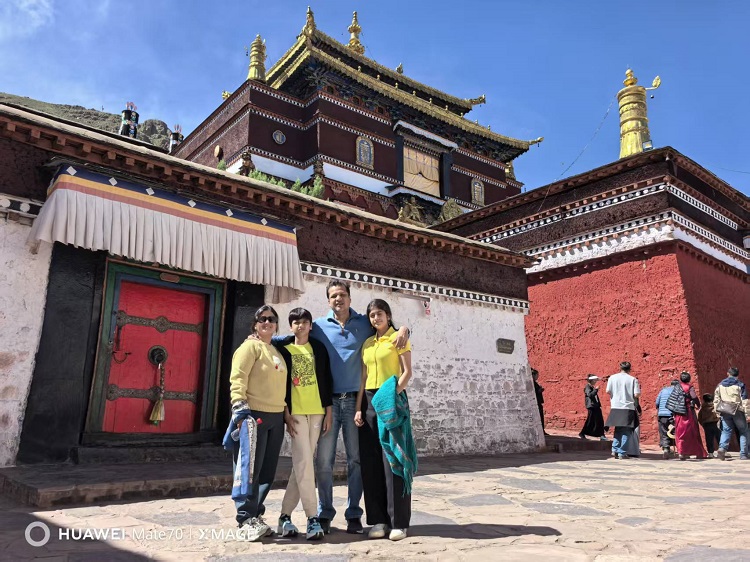
American Tourists Rxplore Sera Monastery
Are Environmental Concerns Also a Factor?
The Tibetan Plateau contains fragile ecosystems, including high-altitude grasslands, lakes, wetlands, mountains, and wildlife habitats. Many areas recover slowly from environmental damage because of the harsh climate and short growing season.
Tourism management can therefore help control visitor activity in particularly sensitive areas. This is especially relevant for remote destinations where infrastructure and waste-management systems are more limited.
Travelers visiting places such as Namtso Lake, Yamdrok Lake, Mount Everest, or western Tibet should follow local environmental regulations, avoid leaving waste behind, and respect designated travel routes.
Responsible tourism is particularly important in Tibet because many of the landscapes that attract visitors are also among the region’s most environmentally sensitive areas.
Why Are Some Parts of Tibet More Restricted Than Others?
Not every destination in Tibet has exactly the same travel requirements.
A trip focused mainly on Lhasa can be relatively straightforward compared with an expedition into western Tibet. Once you begin traveling toward remote, border, military-sensitive, or otherwise restricted areas, additional permissions may become necessary.
For example, itineraries involving Mount Everest, Ngari, Mount Kailash, Lake Manasarovar, parts of Nyingchi, or other remote destinations may require permits beyond the basic Tibet Travel Permit. Requirements can also change according to the current administrative situation.
This is why a Tibet itinerary should be finalized before the permit application begins. The destinations you intend to visit determine which permissions need to be arranged.
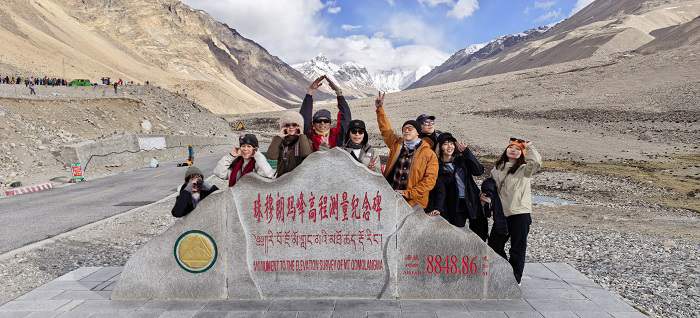
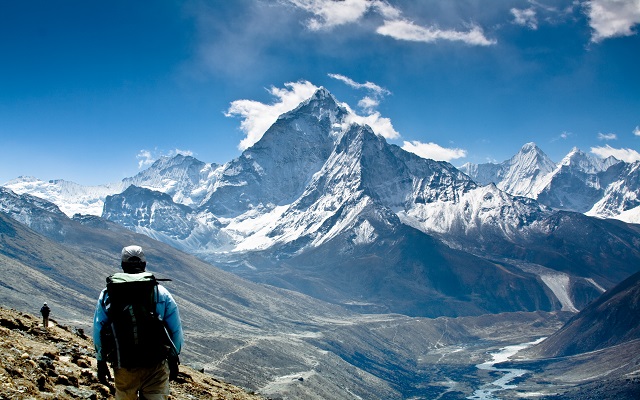
Mount Everest
What Is the Tibet Travel Permit?
The Tibet Travel Permit, sometimes informally called a “Tibet visa,” is an official travel document required for international tourists entering the Tibet Autonomous Region.
It is important to understand that the Tibet Travel Permit is not a visa. Tibet is part of China, so there is no separate Tibetan visa that replaces a Chinese visa. Depending on your nationality and circumstances, you may first need a Chinese visa or may qualify for China’s current visa-free entry arrangements.
The Tibet Travel Permit is a separate document for travel into the Tibet Autonomous Region.
For foreign travelers entering Tibet from mainland China, the permit is generally checked when boarding transportation to Lhasa. Depending on the route, the original document or an accepted copy may be required.
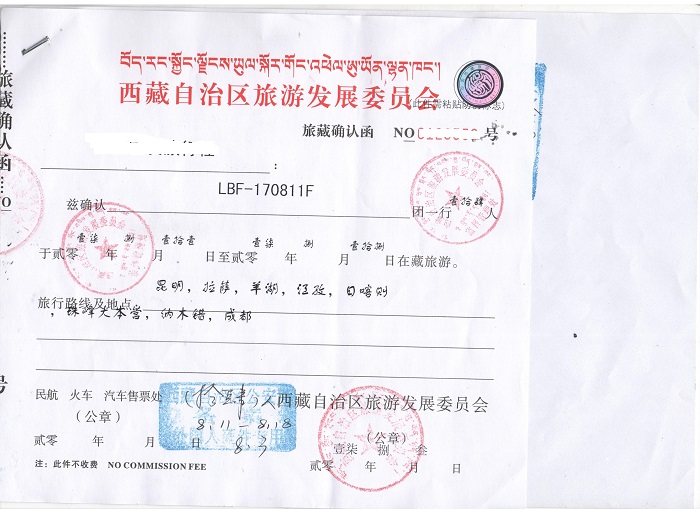
Tibet Travel Permit
Can Foreign Tourists Apply for the Tibet Travel Permit by Themselves?
Generally, no. The Tibet tourism authorities do not accept individual applications from ordinary international tourists. Instead, the permit application must be submitted through an authorized Tibet travel agency.
This is one of the main reasons Tibet travel can appear more complicated than visiting other destinations in China. You do not need to personally visit a government office in Tibet to obtain the permit. Once you book an eligible Tibet tour, your travel agency handles the application process on your behalf.
For a standard application, travelers generally need to provide a clear copy of their passport and, where applicable, their valid Chinese visa. Travelers living, studying, or working in China may need to provide additional supporting documentation depending on their status.
What Additional Permits Might Be Needed?
The Tibet Travel Permit is not necessarily the only document required for an international tourist’s entire Tibet itinerary.
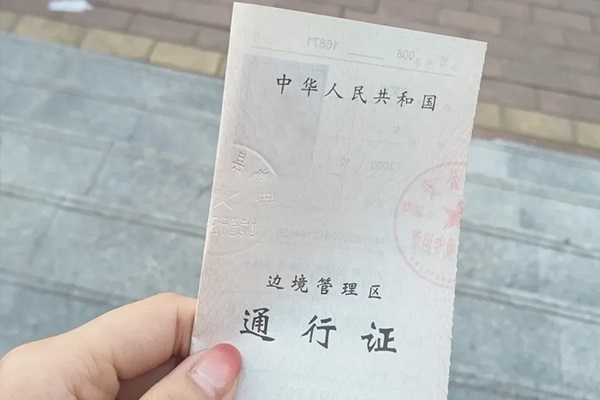
Aliens’ Travel Permit
The Aliens’ Travel Permit, commonly known as the PSB permit, may be required for certain areas that are classified as restricted or unopened to ordinary foreign visitors.
Examples can include destinations around Mount Everest, parts of Shigatse, Tsedang, and certain other remote areas. When required, the application is normally handled after travelers arrive in Tibet, with assistance from their guide and travel agency.
Military Area Entry Permit
Some sensitive areas require a Military Area Entry Permit. This can be relevant to parts of Ngari, Nyingchi, and certain overland routes involving sensitive areas.
If your itinerary includes such destinations, the travel agency needs to begin the application process well in advance. A trip to Mount Kailash, for example, can involve considerably more paperwork than a short Lhasa sightseeing tour.
Other Destination-Specific Permissions
Certain border areas or culturally sensitive destinations may also require additional approvals. Because these requirements can change, travelers should not assume that a permit arrangement from a previous trip or an older website article will automatically apply to their current journey.
Does Every Foreign Tourist Need a Guided Tour?
Under the current travel management system described in the information provided, international tourists visiting the Tibet Autonomous Region generally need to travel through an organized tour arranged by an authorized Tibet travel agency.
This does not necessarily mean joining a large bus group.
Travelers can usually choose between a small-group Tibet tour and a private Tibet tour. A private tour can offer considerably more flexibility while still meeting the organized-tour requirement.
The local guide also has a practical role beyond sightseeing. Your guide can assist with checkpoints, permit procedures, communication, local customs, and unexpected changes during the journey.
How Difficult Is It to Visit Tibet as a Foreign Tourist?
For most travelers, the difficult part is not physically obtaining the Tibet Travel Permit. The more important task is planning the trip correctly and allowing sufficient time for the necessary documents to be processed.
Once you have chosen an appropriate itinerary and booked through an authorized Tibet travel agency, the permit application itself is relatively straightforward. You normally provide the required documents, and the agency submits the application and coordinates the relevant permits.
The complexity increases when your itinerary includes remote or restricted destinations. A simple Lhasa and central Tibet itinerary may require fewer permissions, while a journey to Mount Kailash, Ngari, or certain border regions may involve several additional documents and longer processing times.
For this reason, travelers are generally advised to start planning well in advance rather than waiting until shortly before departure.
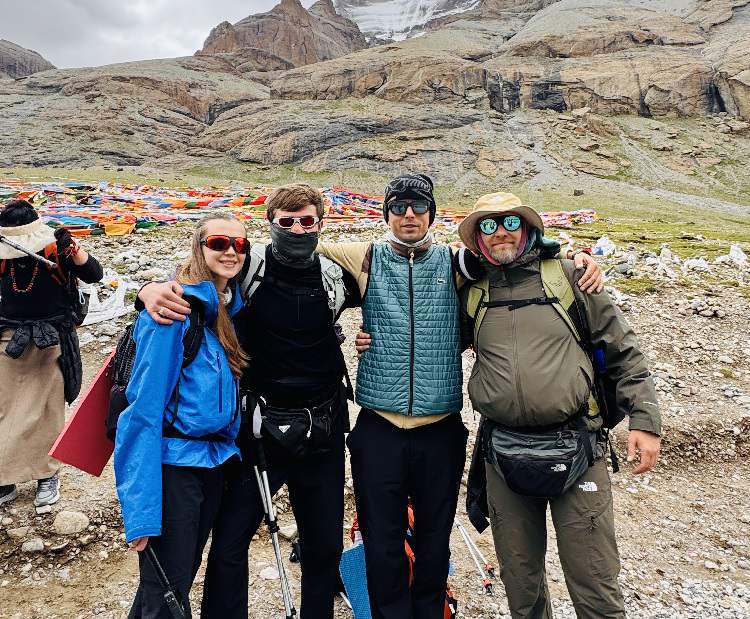
Mount Kailash
Can Tibet Travel Restrictions Change?
Yes. This is an important point for anyone planning a Tibet trip several months ahead.
Tibet travel regulations have changed at different times in response to tourism management, major events, public health situations, administrative requirements, and conditions in specific regions. Restrictions can sometimes affect particular dates, destinations, routes, or permit applications.
Historical examples include temporary restrictions around major events, changes to permit processing periods, reopening arrangements following public health measures, and adjustments to requirements for certain tourist routes.
Therefore, information published several years ago may no longer accurately describe today’s requirements. Travelers should always confirm the current policy before finalizing transportation and accommodation arrangements.
How Should You Plan a Tibet Trip Under These Restrictions?
The easiest approach is to treat the permit process as part of your itinerary planning rather than as a separate task.
First, decide what kind of experience you want. Lhasa and central Tibet are ideal for travelers interested in Tibetan history, monasteries, architecture, and culture. Mount Everest is better suited to travelers seeking Himalayan scenery and high-altitude adventure, while Mount Kailash and western Tibet are particularly attractive to those interested in pilgrimage, remote landscapes, and overland exploration.
Next, select a licensed local Tibet travel agency and confirm the itinerary. The agency can determine which permits are required based on your destinations and travel dates.
You should then prepare the necessary documents, including your passport and Chinese visa or other applicable entry documentation. It is advisable to submit the documents well before your departure date, especially if your itinerary includes restricted regions.
Finally, allow some flexibility. Because Tibet travel policies and local conditions can change, having extra time in your schedule can make the journey considerably less stressful.
What Can You Experience Despite the Restrictions?
Travel restrictions do not mean that Tibet lacks freedom to explore remarkable places. Quite the opposite: a well-planned organized journey can take you to some of the most spectacular destinations on the Tibetan Plateau.
In Lhasa, travelers can explore the Potala Palace, Jokhang Temple, Barkhor Street, Sera Monastery, and Drepung Monastery while learning about Tibetan Buddhist traditions and local life.
For mountain lovers, an overland journey to Everest Base Camp offers extraordinary views of the Himalayas and the northern face of Mount Everest. The journey itself is part of the experience, passing through high mountain passes, valleys, lakes, and Tibetan settlements.
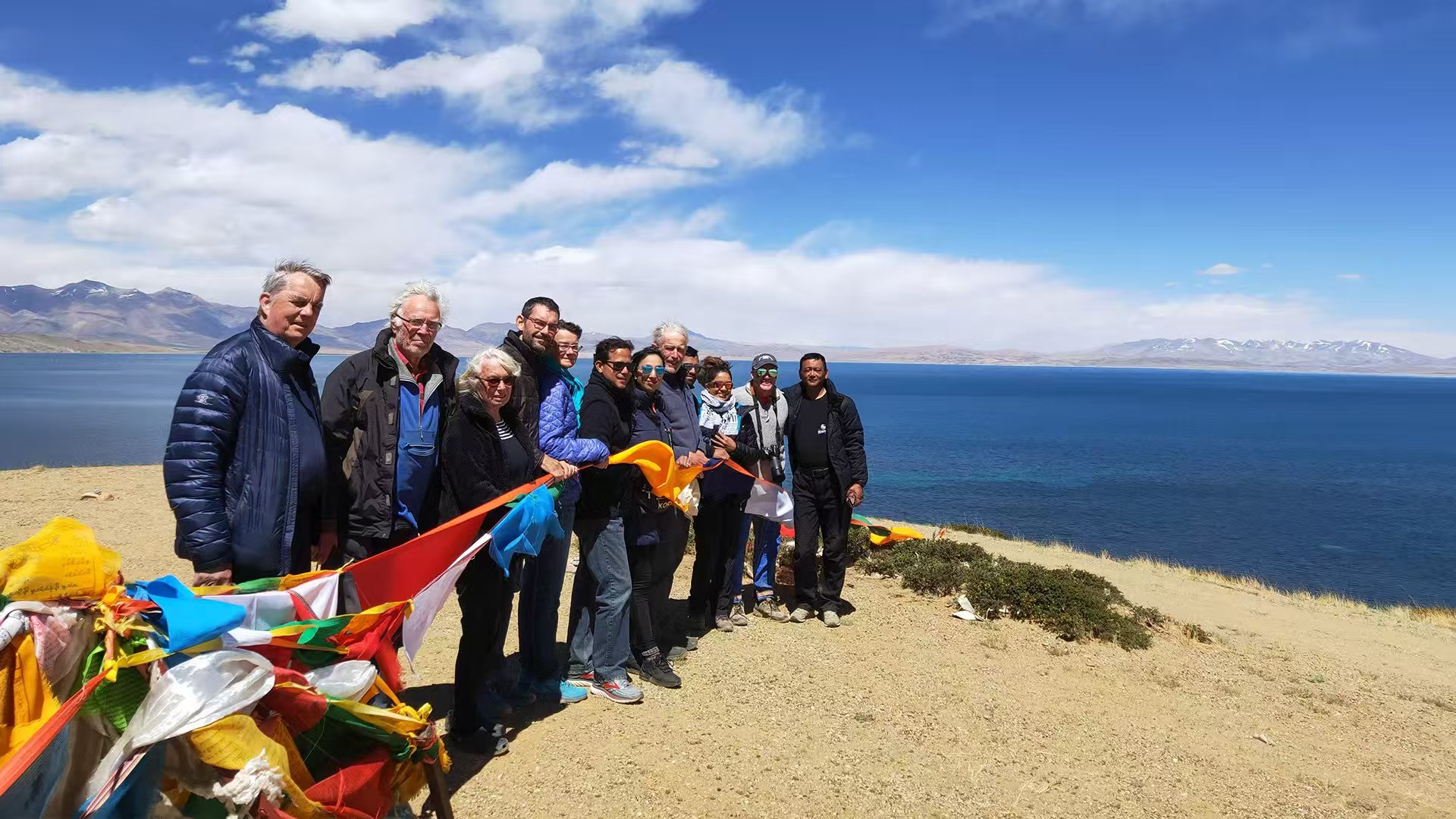
Travelers seeking a more spiritual journey can explore Mount Kailash and Lake Manasarovar, two of the most sacred destinations on the Tibetan Plateau. The Kailash kora is particularly meaningful for pilgrims and travelers interested in Tibetan and broader Himalayan religious traditions.
Other journeys can include Yamdrok Lake, Namtso Lake, Shigatse, Gyantse, Nyingchi, and scenic overland routes connecting Tibet with neighboring regions of China.
How Tibet Yulong Travel Can Help
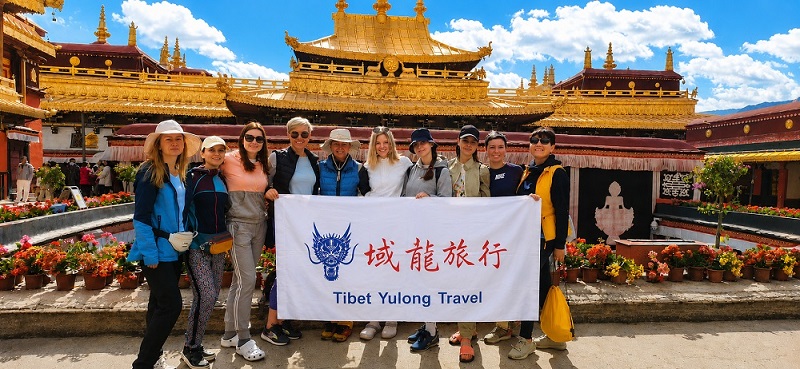
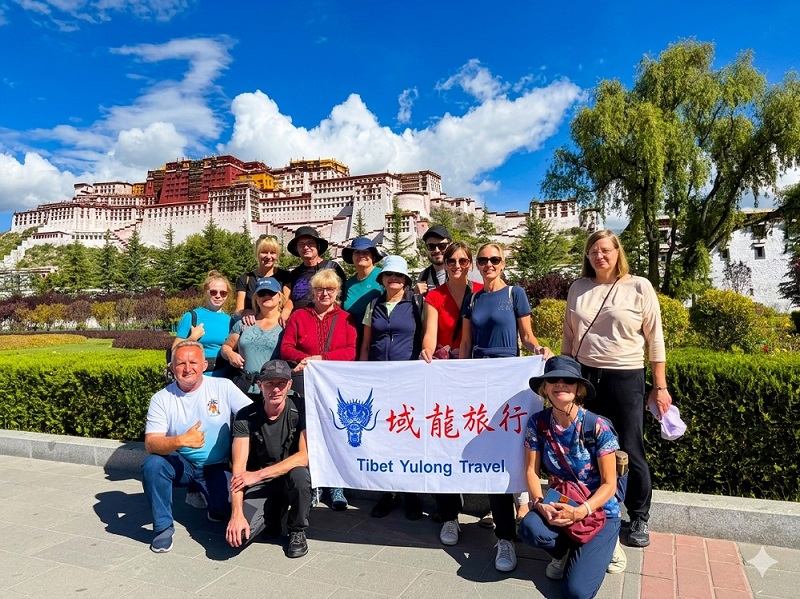
For international travelers, the most convenient way to deal with Tibet’s travel requirements is to work with a reliable local agency from the beginning. Tibet Yulong Travel can help international visitors design their Tibet itinerary, arrange the organized tour, and handle the Tibet Travel Permit application and other required travel documents according to the destinations included in the trip.
The key is not to think of Tibet’s restrictions as something that makes travel impossible. Instead, they mean that your trip needs to be planned differently from an ordinary independent vacation in China. With the correct documents, an appropriate itinerary, sufficient preparation time, and experienced local support, international travelers can visit Tibet and experience its landscapes, culture, monasteries, lakes, and Himalayan scenery with confidence.
Frequently Asked Questions About Tibet Travel Restrictions
Why does Tibet require a special travel permit?
International tourists generally need a Tibet Travel Permit to enter the Tibet Autonomous Region. The permit is separate from a Chinese visa and is normally arranged through an authorized Tibet travel agency.
Can Americans and other international tourists visit Tibet?
Yes. International tourists can visit Tibet provided they meet the applicable entry, permit, and organized-tour requirements. The exact documents depend on nationality, visa status, occupation, and itinerary.
Can foreigners travel around Tibet independently?
Under the current travel management system, international tourists generally need to travel on an organized tour arranged through an authorized Tibet travel agency rather than traveling independently throughout the Tibet Autonomous Region.
Is the Tibet Travel Permit difficult to obtain?
For ordinary tourists with the required documents and a confirmed itinerary, the application is generally straightforward when handled by an authorized travel agency. More complex itineraries involving remote or restricted areas may require additional permits and more preparation time.
Are Tibet’s travel restrictions permanent?
Travel regulations are subject to change. Requirements can be adjusted according to tourism management, local conditions, security considerations, major events, and other circumstances. Always confirm the latest rules before your trip.