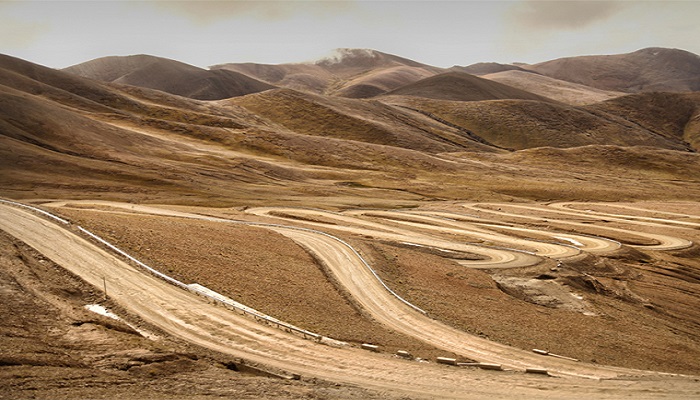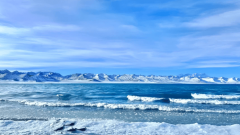

July is one of the most popular months to visit Tibet, thanks to mild temperatures, long daylight hours, and vibrant summer landscapes. It is also part of the Tibetan rainy season, but rainfall is often concentrated in short showers, especially at night in Lhasa and Shigatse. For international travelers, July can be an excellent month for exploring Lhasa, trekking around Mount Kailash, enjoying Nyingchi’s green scenery, and experiencing traditional Tibetan festivals. The main things to prepare for are summer crowds, higher travel costs, strong UV radiation, and changing weather in high-altitude areas.
Key Takeaways
- Tibet in July is very different from the cold, dry plateau many first-time visitors imagine. Summer brings warmer temperatures, greener landscapes, and more comfortable conditions in many destinations.
- Across popular destinations, temperatures generally range from about 5°C to 25°C (41°F to 77°F), depending on altitude and location. Lhasa and Shigatse are usually warm during the day, while higher areas such as Everest Base Camp remain considerably cooler.
- July is also a period of exceptionally strong sunshine. Even when the air feels cool, UV exposure at high altitude can be intense, so sun protection is essential.
- Another important consideration is tourism demand. July falls within the summer vacation period in China, making it one of the busiest and more expensive periods for Tibet travel. International travelers should reserve hotels, flights, trains, and tours well in advance.
What Is Tibet Weather Like In July?
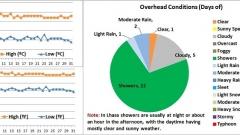
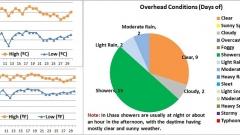
July is generally warm, relatively humid, and rainy compared with other months of the year. However, “rainy season” does not necessarily mean continuous rain.
In Lhasa and Shigatse, rain often arrives in the evening or at night. You may wake up to a clear blue sky after an overnight shower, allowing sightseeing during much of the day to continue normally.
The situation is different in Nyingchi, where rainfall is more frequent because of its location and lower elevation. Forests and grasslands become especially lush, making July one of the most beautiful periods for exploring eastern Tibet.
In Ngari, conditions remain considerably drier. This makes July particularly attractive for travelers planning the Mount Kailash kora.
At very high elevations, weather can change quickly. A sunny morning can become cloudy or windy within a few hours, so travelers should always prepare for more than one type of weather.
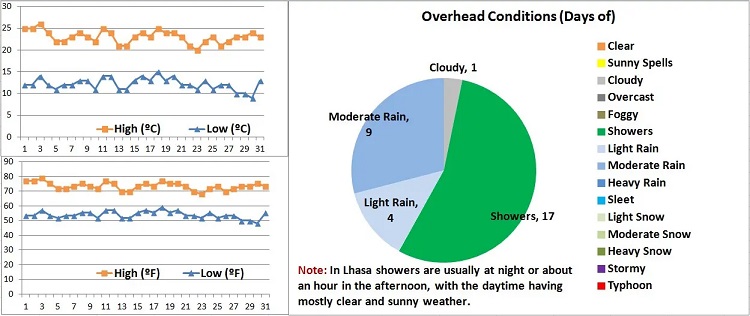
Tibet Weather in July
Tibet Weather In July By Destination
Lhasa
- Temperature: approximately 11–22°C (52–72°F)
- Rainy days: around 20
- Rainfall: approximately 86.6 mm
Lhasa is generally warm and comfortable in July. Despite being part of the rainy season, daytime sightseeing is often possible because rainfall tends to occur later in the day.
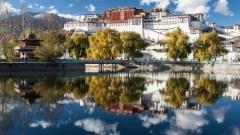
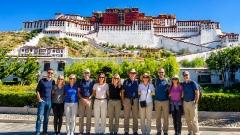
The combination of warm temperatures and long daylight hours makes July a good time to explore Potala Palace, Jokhang Temple, Barkhor Street, Sera Monastery, and Drepung Monastery.
The main drawback is the number of visitors. Lhasa becomes considerably busier during the summer holiday season, especially around its most famous attractions.
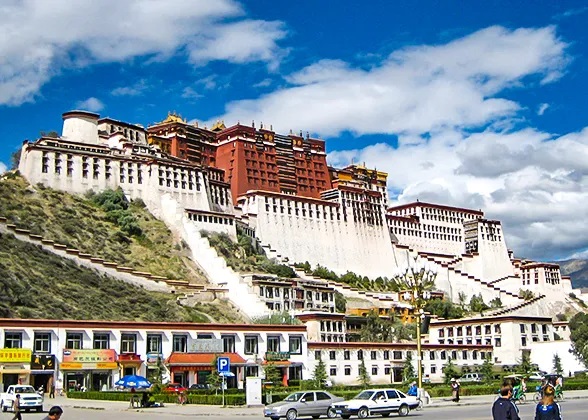
Potala Palace
Shigatse
- Temperature: approximately 9–23°C (48–73°F)
- Rainy days: around 20
- Rainfall: approximately 85.9 mm
Shigatse has a similar summer climate to Lhasa, with warm afternoons and cooler evenings. Rain is possible throughout July, but it does not necessarily prevent sightseeing.
The city is an important stop for travelers heading toward Everest Base Camp. Tashilhunpo Monastery is one of the major cultural attractions here and can be comfortably visited during the summer.
Everest Base Camp
- Temperature: approximately 5–18°C (41–64°F)
- Rainy days: around 14
- Rainfall: approximately 94 mm
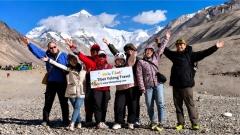
July is relatively comfortable in terms of temperature at Everest Base Camp, but mountain visibility can be unpredictable.
Clouds may gather around Mount Everest during the day, meaning a completely unobstructed summit view is not guaranteed. However, clear periods can still produce spectacular views, while clear nights may reveal an impressive Himalayan starry sky.
If seeing Mount Everest is your highest priority, it is worth allowing some flexibility in your itinerary rather than relying on one specific viewing opportunity.
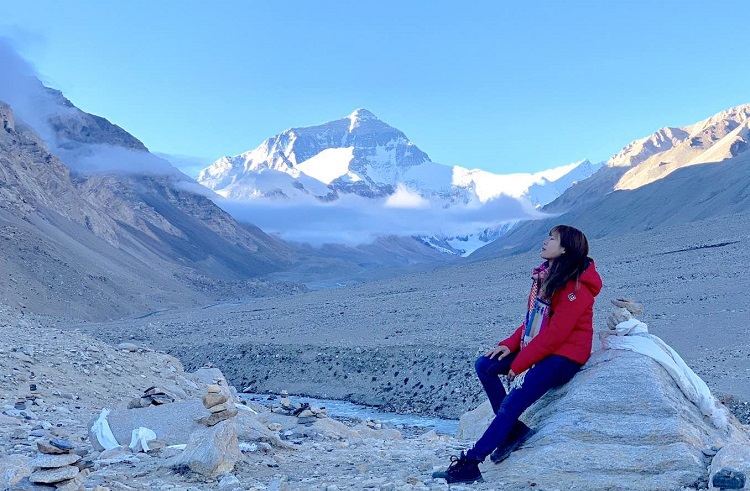
Everest Base Camp
Nyingchi
- Temperature: approximately 12–22°C (54–72°F)
- Rainy days: around 31
- Rainfall: approximately 134 mm
Nyingchi is one of the wettest parts of Tibet in July. Rainfall and cloud cover are common, and mountains such as Namcha Barwa may occasionally disappear behind clouds.
However, the rain is also what gives Nyingchi its remarkable summer appearance. Forests become deep green, wildflowers bloom, grasslands are lush, and rivers and streams are full.
For travelers who enjoy forests, valleys, photography, and a greener side of Tibet, July can be an excellent time to explore Lulang Forest, Basum Tso, and the surrounding Nyingchi region.
Ngari
- Temperature: approximately 8–19°C (46–66°F)
- Rainy days: around 15
- Rainfall: approximately 21 mm
Ngari is significantly drier than Nyingchi and much of central Tibet in July.
This is particularly important for travelers planning to visit Mount Kailash and Lake Manasarovar. The relatively dry weather, combined with warmer summer temperatures, makes July one of the most suitable periods for the Kailash kora.
The region remains extremely high, however, so warmer weather should not be confused with low-altitude conditions. Proper acclimatization is essential.
Is July A Good Time To Visit Tibet?
Yes, July can be an excellent month for Tibet travel if you are comfortable with crowds and occasional rain.
One of July’s biggest advantages is the combination of mild temperatures and vibrant summer scenery. Compared with winter, travelers can spend more time outdoors without dealing with extreme cold.
July is also particularly attractive for several different types of trips.
For culture: Lhasa, Shigatse, and Shannan offer extensive opportunities to explore monasteries, temples, historic sites, and Tibetan traditions.
For mountains: Everest Base Camp is accessible and considerably more comfortable than during the coldest months.
For trekking: Mount Kailash is one of the major highlights of the season.
For nature: Nyingchi’s forests, grasslands, rivers, and lakes are at their summer best.
For festivals: July and August are important months for traditional Tibetan celebrations and agricultural festivals.
The main disadvantages are higher prices, greater demand, and less predictable mountain visibility.
Best Things To Do In Tibet In July
Trek Around Mount Kailash
For experienced trekkers and spiritual travelers, July is one of the best periods for the Mount Kailash kora.
The traditional pilgrimage route covers approximately 52 kilometers and normally takes three days to complete. Along the trail, you may encounter Tibetan pilgrims walking clockwise around the sacred mountain, turning prayer wheels, chanting, or performing prostrations.
The summer season brings relatively favorable conditions compared with the colder months. However, the kora remains physically demanding because much of the route is above 4,500 meters.
Lake Manasarovar is a natural addition to a Mount Kailash itinerary. Located close to the mountain, the lake can provide a peaceful contrast to the demanding trek, with deep blue water, open plateau landscapes, and distant snow peaks.
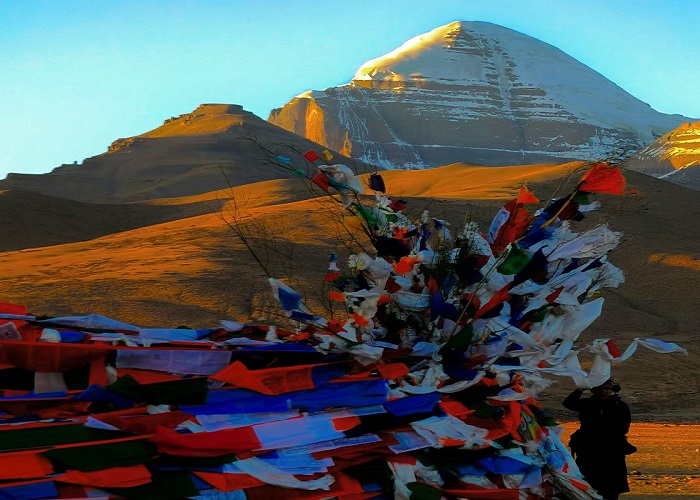
Mount Kailash
Experience A Traditional Tibetan Festival
July and August are associated with the Wangguo Festival, a traditional agricultural celebration whose exact date varies according to local farming conditions.
The festival is closely connected with the harvest and includes prayers for a successful agricultural season. Depending on the location and local program, visitors may see horse racing, archery, dancing, Tibetan opera, tug-of-war, stone lifting, and other traditional activities.
Unlike large commercial events, Wangguo celebrations can feel spontaneous and community-oriented. Travelers interested in experiencing local Tibetan culture should ask their travel consultant about the festival schedule when planning a July itinerary.
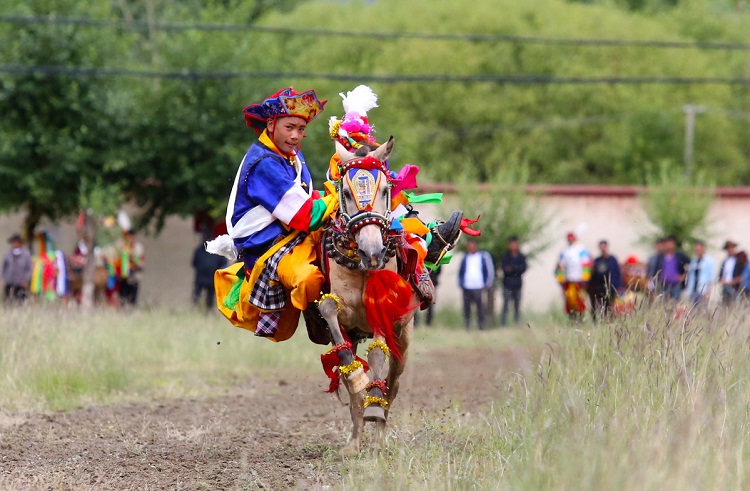
Wangguo Festival
Explore Lulang Forest In Summer
If you want to see a greener side of Tibet, Lulang Forest in Nyingchi is a particularly attractive choice in July.
Instead of the barren, high-altitude scenery often associated with Tibet, Lulang features forests, open grasslands, streams, villages, and grazing animals. Summer rainfall gives the landscape a fresh, vibrant appearance.
You can combine Lulang with destinations such as Basum Tso and Sejila Pass, creating a more varied itinerary that combines lakes, forests, mountain views, and Tibetan villages.
Visit Lhasa’s Cultural Highlights
July’s occasional rain does not prevent travelers from enjoying Lhasa’s major cultural attractions.
Spend time inside Potala Palace, visit Jokhang Temple, walk around Barkhor Street, and explore Sera and Drepung monasteries. These experiences also provide useful opportunities to understand Tibetan Buddhist traditions and local history.
Because afternoon showers are possible, a well-designed itinerary can place indoor cultural attractions and flexible activities around the weather.
Tibet In July: Crowds And Travel Costs
July is firmly within Tibet’s high tourist season.
Summer school holidays bring a significant increase in domestic tourism, and popular destinations such as Lhasa, Shigatse, Nyingchi, and Everest Base Camp can become busy.
Demand also affects prices. Flights may become more expensive, hotels can charge higher rates, and Tibet train tickets are particularly competitive during peak periods.
For international travelers, booking at least two months ahead is strongly recommended, especially if you have fixed travel dates.
Working with a local Tibet travel agency can also simplify the process because transportation, accommodation, permits, guides, and itinerary planning need to work together.
Tibet Yulong Travel can assist international visitors with customized and group Tibet tours, including routes to Lhasa, Everest Base Camp, Nyingchi, Mount Kailash, and other major destinations. Local planning experience is particularly useful during July, when transportation and accommodation demand is high.
What To Wear In Tibet In July
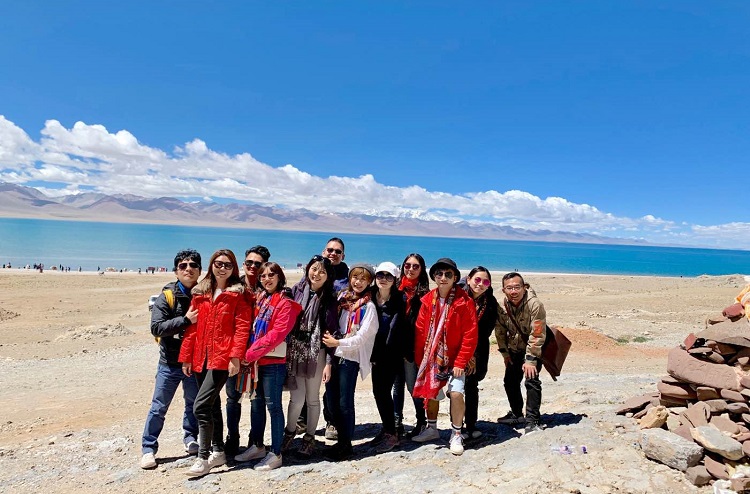
Packing for Tibet in July is mainly about layers rather than heavy winter clothing.
In Lhasa, daytime temperatures can reach around 22°C, so breathable T-shirts, lightweight trousers, and comfortable walking clothes are usually suitable.
However, long sleeves are recommended because the high-altitude sun can be extremely strong. Bring:
- Lightweight long-sleeved shirts
- T-shirts and breathable trousers
- A light fleece or sweater
- A waterproof or windproof jacket
- Comfortable walking shoes
- Sunglasses
- A wide-brimmed hat or sun hat
- High-SPF sunscreen
- Compact rain gear
If your itinerary includes Everest Base Camp, Namtso, Mount Kailash, or other high-altitude destinations, bring warmer layers. Temperatures can drop rapidly after sunset or when the weather changes.
Water-resistant footwear is also useful during July because of occasional rain.
How To Prepare For Tibet’s July Weather
The combination of high altitude, strong UV radiation, changing temperatures, and occasional rain means preparation matters.
First, protect yourself from the sun. UV radiation is especially strong on the Tibetan Plateau, even when temperatures feel comfortable.
Second, drink enough water. Summer rain does not eliminate the dry effects of high altitude, and travelers often underestimate how much fluid they need.
Third, allow time for acclimatization. Lhasa is already around 3,650 meters above sea level, while places such as Namtso and Mount Kailash are considerably higher. Avoid planning strenuous trekking immediately after arrival.
Finally, keep your itinerary flexible when traveling toward high mountain areas. Clouds, rain, road conditions, and mountain weather can change quickly.
Is Tibet Worth Visiting In July?
For travelers who want warm weather, green landscapes, cultural experiences, and outdoor adventures, July is one of the most rewarding times to visit Tibet.
It is not the driest month, and Mount Everest may occasionally be hidden by clouds. Nyingchi can receive substantial rainfall, and popular destinations are considerably busier than during the low season.
But July also brings major advantages: pleasant temperatures, long days, lush summer scenery, accessible mountain routes, and the opportunity to experience traditional Tibetan festivals.
The best approach is to choose your destinations according to your priorities. If you want a cultural journey, focus on Lhasa, Shigatse, and Shannan. If trekking is your goal, consider Mount Kailash. If you prefer green landscapes, Nyingchi is an excellent choice. And if Everest is on your bucket list, July remains a viable time to visit, provided you allow flexibility for changing mountain weather.
With appropriate preparation and a carefully planned itinerary, Tibet in July can offer an unforgettable combination of Himalayan scenery, Tibetan culture, and high-altitude adventure. Tibet Yulong Travel can help international travelers plan the route, transportation, accommodation, permits, and local services needed for a smoother summer journey across Tibet.