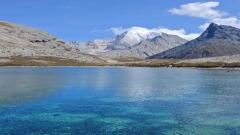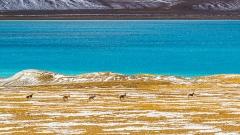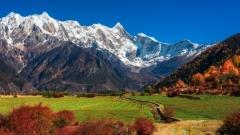

Driving along National Highway G219 (or the Great Ngari Loop), as you approach Purang County near the foot of sacred Mount Kailash, a vast expanse of deep blue water opens before your eyes—this is Lake Manasarovar (Mapam Yumco), revered by millions as the purest nectar on Earth.
As one of Tibet’s three great sacred lakes, Manasarovar enthralls world travelers not only with its serene alpine landscapes but also with its unmatched spiritual reverence and ecological significance.
Key Takeaways
- Supreme Sacred Status: Lake Manasarovar (Mapam Yumco) sits at an elevation of 4,588 meters in Purang County, Ngari Prefecture, Tibet. Revered by Tibetan Buddhism, Hinduism, Bon, and Jainism as the ultimate holy lake, its name means “The Unconquerable Turquoise Lake.”
- Source of Four Great Asian Rivers: Celebrated as the “Mother of World Rivers,” the lake serves as the hydrological cradle for four major Asian rivers: the Yarlung Tsangpo (Brahmaputra), the Indus, the Sutlej, and the Karnali (a major Ganges tributary).
- Top Highlights & Viewpoints:
- Jiu Monastery: Perched on a lakeside cliff, this ancient monastery offers panoramic views of the lake, golden sunrise photo spots, and reflections of Mount Kailash.
- The Sacred & Ghost Lakes Contrast: Separated by a thin strip of road, Lake Manasarovar contrasts dramatically with the neighboring saline “Ghost Lake,” Lake Rakshastal.
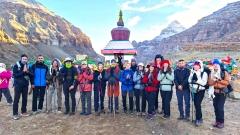
- Cultural Experience & Travel Tips: Every year, pilgrims travel from around the world to complete the lakeside trek (Kora) or bathe in its holy waters. At nearly 4,600 meters, strong winds and intense UV rays require heavy warm gear and altitude preparation.
Spiritual Reverence and Hydrological Marvels
The Universal Center for Four Major Religions
In Tibetan, Mapam means unconquerable and Yumco means turquoise lake. Sitting at 4,588 meters above sea level, Lake Manasarovar is simultaneously held as the holiest lake by Tibetan Buddhism, Hinduism, Bon, and Jainism. Hindus believe that bathing in its clear waters washes away a lifetime of sins, while Buddhist tradition views the lake as a divine blessing bestowed upon humanity.
Cradle of Asia’s Greatest Rivers
Framed by snow-capped peaks, Lake Manasarovar is affectionately known as the “Mother of World Rivers.” This high-altitude basin serves as the direct or indirect source for four of Asia’s most historic international rivers:
Horse River (Maquan He) ➔ Yarlung Tsangpo (Brahmaputra River)
Lion River (Shiquan He) ➔ Indus River
Elephant River (Xiangquan He) ➔ Sutlej River
Peacock River (Kongque He) ➔ Karnali River (Upper Ganges tributary)
Top Highlights and Viewpoints at Lake Manasarovar
Jiu Monastery: The Ultimate Lakeside Viewpoint
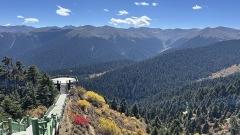
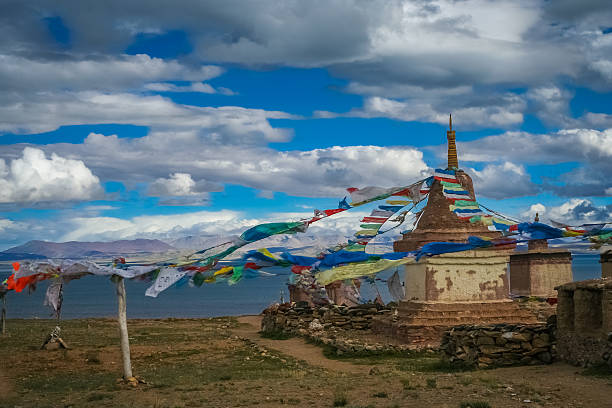
Perched on a rocky cliff along the western shore, Jiu Monastery is the classic stopover for exploring the lake. This historic Drukpa Kagyu monastery is said to be a meditation site of Guru Rinpoche (Padmasambhava).
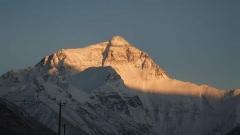
Premier Photography Spot: Standing atop the hill near Jiu Monastery, you are treated to endless views of turquoise water. Looking north, you can capture Mount Kailash’s pyramid peak together with the lake in a single frame. At sunset, the golden light reflecting off the water and red monastic walls creates a truly majestic scene.
The Contrast: Sacred Lake vs. “Ghost Lake” (Rakshastal)
Separated from Manasarovar by a narrow strip of land and highway lies Lake Rakshastal (La’ang Tso), famously known as the “Ghost Lake.” The twin lakes present a striking physical and symbolic contrast:
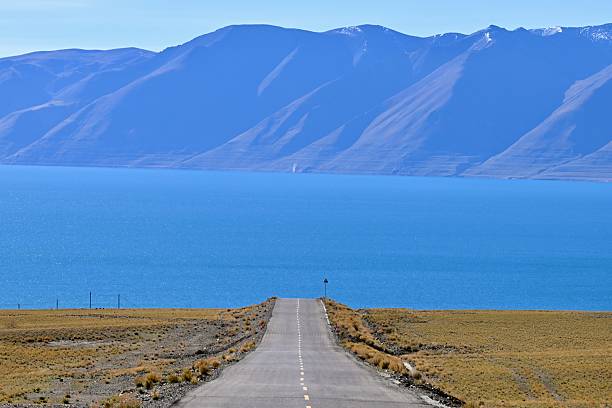
Lake Manasarovar (Sacred Lake): Fresh, clear, and sweet water brimming with aquatic life, featuring calm, mirror-like surfaces framed by lush shore pastures.
Lake Rakshastal (Ghost Lake): Saline, bitter water with deep, dark blue tones. Even on windless days, heavy waves roll across its barren, vegetation-free shores. This dramatic pairing of sacred and dark waters forms one of the most intriguing natural sights along National Highway G219.
The Sacred Lakeside Trek (Kora)
Much like trekking around Mount Kailash, completing the lakeside circuit (Kora) around Manasarovar is a deeply moving experience. The shoreline spans over 80 kilometers, taking roughly 3 to 4 days to trek on foot past eight ancient monasteries. Each summer, pilgrims from Tibet, India, and Nepal walk steadfastly along its banks in a display of devout faith.
Practical Travel Tips for Visiting Lake Manasarovar
Best Travel Season: May through October is the prime period to visit. July and August bring lush lakeside wildflowers and milder temperatures, though rain showers are common. May–June and September–October offer the clearest skies, stable weather, and mirror-clear water reflections of Mount Kailash and Mount Gurla Mandhata.
Permits & Border Requirements: Located in a sensitive border region of Ngari Prefecture, all visitors must carry their original Passport/ID (plus Tibet Travel Permit for international travelers) and a Border Travel Permit explicitly listing “Ngari Prefecture” and “Purang County.”
Wind Protection & Altitude Preparation: At an altitude of 4,588 meters, lakeside winds can be harsh and temperatures drop quickly even in summer. Pack heavy down jackets, windproof outer gear, hats, and sunglasses. Avoid strenuous running along the shore to prevent altitude sickness.
Respect Local Customs & Ecology: Lake Manasarovar is deeply sacred to local communities. Do not swim in non-designated areas, throw trash along the shore, or disturb wildlife.