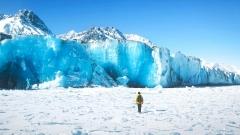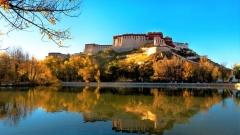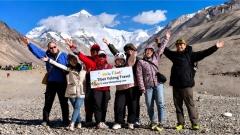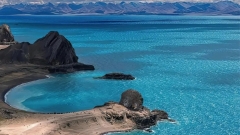

Among all the overland routes entering Tibet, the Xinjiang-Tibet Highway (G219 National Highway) remains shrouded in the most mystery and awe. Connecting Kashgar in Xinjiang to Lhasa in Tibet, it cuts through the highest, vastest, and most remote wilderness on Earth. If the Sichuan-Tibet Highway is a lush landscape gallery and the Qinghai-Tibet Highway is a sky-bound alpine road, then the Xinjiang-Tibet Highway is the ultimate test of human limits and spiritual exploration.
For global travelers seeking extreme landscapes and profound cultural heritage, the Xinjiang-Tibet Highway is far more than just a road—it is a sacred pilgrimage to Ngari, the “Roof of the Roof of the World.”
All Roads Lead to Lhasa: How Do the Xinjiang-Tibet, Sichuan-Tibet, and Qinghai-Tibet Highways Differ?
Choosing the right route for your journey is the essential first step. Here is how the three major overland highways into Tibet compare:
1. Xinjiang-Tibet Highway (G219): The Ultimate Frontier of Wild Landscapes & Ancient Ruins
-
Landscape Features: Famous for magnificent snow-capped peaks, pristine stargazing under zero light pollution, the mysterious Guge Kingdom ruins, and sanctuary for high-altitude wildlife.
-
Altitude & Challenges: The highest average altitude (over 4,500 meters / 14,700 feet) among all routes, presenting the most rugged terrain and challenging climate conditions.
-
Best For: Experienced adventurers, history buffs, and lovers of untouched wilderness looking for a deep-dive expedition.
2. Sichuan-Tibet Highway (G318): “China’s Most Beautiful Landscape Highway”
-
Landscape Features: A rich tapestry of alpine forests, deep gorges, majestic glaciers, and traditional Tibetan villages, offering vibrant scenery across all four seasons.
-
Altitude & Challenges: Altitude increases gradually, and the dense vegetation provides higher oxygen levels, making it the most comfortable route physically.
-
Best For: First-time visitors to Tibet, photography enthusiasts, and nature lovers seeking diverse landscapes.
3. Qinghai-Tibet Highway (G109): The Sky Road Across High-Altitude Plains
-
Landscape Features: Traverses the Qaidam Basin, the Hoh Xil uninhabited wilderness, and the Kunlun Mountains, featuring endless horizons along flat plateau roads.
-
Altitude & Challenges: Averages around 4,000 meters in elevation. While the terrain is relatively flat, travelers spend prolonged time at high altitude.
-
Best For: Road trip enthusiasts who enjoy open, expansive views and watching plateau wildlife.
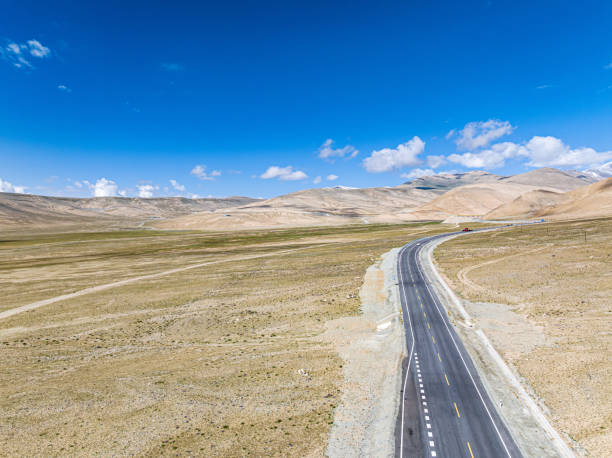
Into the “Roof of the Roof of the World”: Unmissable Highlights on the G219
The most breathtaking aspect of the Xinjiang-Tibet Highway is its collection of surreal, almost otherworldly natural and cultural wonders:
1. Mount Kailash & Lake Manasarovar: The Holy Center of the World
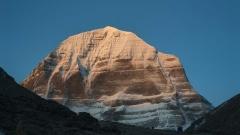
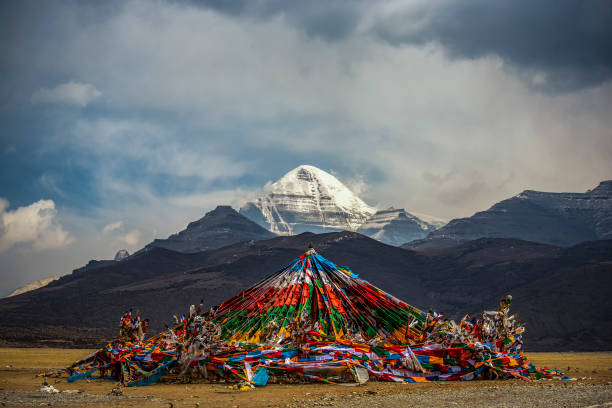
Revered as the center of the universe by four major religions, the pyramid-shaped peak of Mount Kailash stands dramatically against the sky. Nearby lies Lake Manasarovar, one of Tibet’s three great sacred lakes, whose crystal-clear turquoise waters reflect the surrounding snow peaks, offering visitors a sense of profound spiritual peace.
2. Guge Kingdom Ruins & Zada Earth Forest: A Lost Civilization in the Badlands
Perched deep within the canyons of the Zada Earth Forest, the Guge Kingdom Ruins represent one of Tibet’s most intriguing historical mysteries. At sunset, thousands of clay towers glow like a golden fortress, while exquisite ancient murals inside the ruins silently tell the story of a once-flourishing empire.
3. Ngari Dark Sky Park: A Romance with the Milky Way
Thanks to Ngari’s extreme altitude and exceptionally clean air, this region boasts some of the clearest, unpolluted night skies on the planet. At the Ngari Dark Sky Park, visitors can observe the vibrant Milky Way and dense star fields through professional telescopes or simply with the naked eye.
4. Pangong Tso: The Enchanting Two-Toned International Lake
Spanning the border between China and Kashmir, this narrow alpine lake is famous for its unique water composition—fresh water on the eastern side and salty water on the west. The lush eastern shores attract tens of thousands of migratory birds during summer, making it a spectacular spot for bird watching and scenic drives.
How We Guarantee Your Experience
Conquering high-altitude routes requires expert logistical support and carefully paced itineraries. To ensure your expedition is seamless, safe, and comfortable, we provide tailored services designed for international travelers:
-
Comprehensive Altitude Support & Safety: Equipped with comfortable vehicles carrying oxygen supplies and stays at oxygen-equipped hotels, with professional local guides looking after your well-being.
-
Bespoke & Small-Group Travel: No rushed itineraries—our boutique small groups (2–8 travelers) ensure you have ample time for photography, exploration, and cultural immersion.
-
Hassle-Free Permit Handling: We take care of all required paperwork, including the Tibet Travel Permit and Aliens’ Travel Permit/Border Pass, ensuring smooth crossing across regions.
Every mile along the Xinjiang-Tibet Highway redefines what you thought possible about raw, natural beauty. Are you ready to embark on this once-in-a-lifetime expedition to the top of the world? Contact our travel specialists today to start planning your custom Tibet adventure!