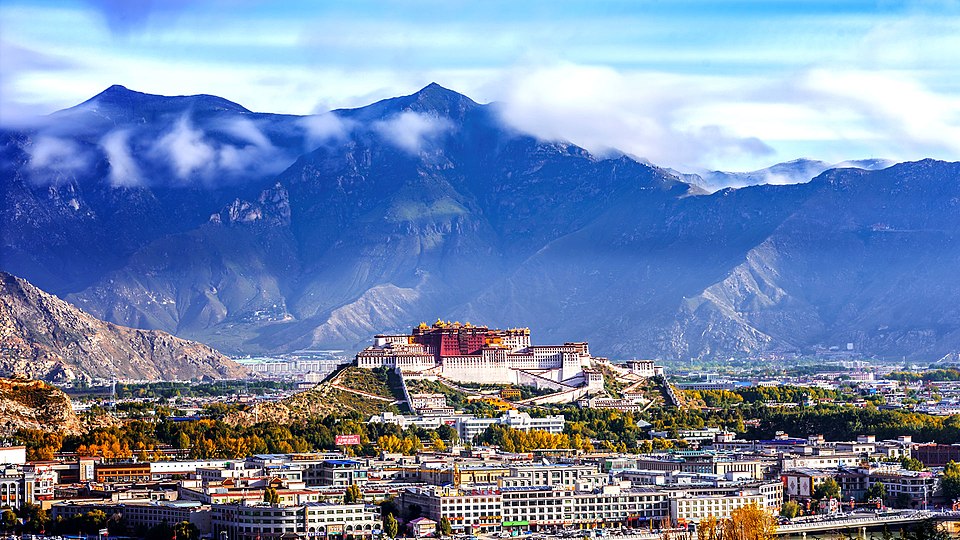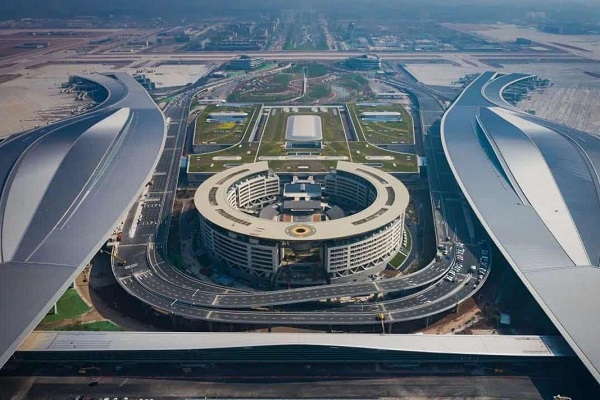

Deep within the Hengduan Mountains, where the Lancang, Jinsha, and Nujiang rivers surge, lies the brilliant pearl of eastern Tibet—Chamdo (Qamdo). As the eastern gateway to the Tibet Autonomous Region, Chamdo has historically served as a vital pass along the Ancient Tea Horse Road and a cradle of Kham Tibetan culture. Here, dramatic mountain gorges and turquoise glacial lakes meet centuries-old cultural monuments. This guide explores Chamdo’s highlights, attractions, local food, and essential travel advice!
Key Takeaways
- Cultural & Geographical Crossroads: Located in eastern Tibet, Chamdo lies in the heart of the “Three Parallel Rivers” region (Lancang, Jinsha, and Nujiang Rivers). It served as a critical hub on the ancient Ancient Tea Horse Road and is the birthplace of Kham Tibetan culture.
- Four Top Attraction Categories:
- Religious Heritage: Chambaling Monastery (the premier Gelugpa monastery in eastern Tibet).
- Natural Wonders: Ranwu Lake (the blue jewel of eastern Tibet) and the 72 Hairpin Turns of Nujiang.
- Historical Marvels: Yanjing Ancient Salt Fields (the world’s only surviving hand-harvested salt site) and Karuo Ruins (Neolithic cultural site).
- Distinctive Eastern Tibetan Cuisine: Featuring unique flavors like Mangkam Pipa Pork, air-dried yak and mutton, blood sausage, butter tea, and tsampa, presenting authentic Kham culinary traditions.
- Altitude & Transportation: Chamdo sits at an elevation of 3,200 to 3,800 meters. Visitors can fly into Chamdo Bangda Airport or drive via National Highways G318 or G317. A 3 to 5-day itinerary is recommended for a full experience.
Introducing Chamdo: The “Pearl of Eastern Tibet” on the Ancient Tea Horse Road
Bordering Sichuan to the east, Yunnan to the south, and Qinghai to the north, Chamdo is the essential gateway into Tibet from southwestern China.
Favorable Geography & Oxygen Levels: With an average elevation between 3,200 and 3,800 meters, Chamdo’s valleys feature higher forest coverage and humidity compared to Lhasa or Ngari, making it a gentle region for high-altitude acclimatization.
Deep Cultural Heritage: Inhabited since Neolithic times over 4,000 years ago (Karuo Ruins), Chamdo grew into a thriving trade hub where horse caravans left their mark for centuries, blending Tibetan, Han, and Naxi cultural influences.
Top Must-Visit Attractions in Chamdo
From grand monastic architecture to one-of-a-kind living heritage sites, Chamdo offers remarkable diversity:
Chambaling Monastery (Chamdo City)
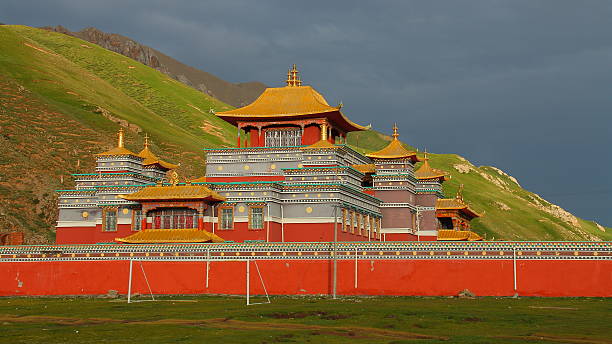
Highlights: Perched on a red hill at the confluence of the Angqu and Zaqu rivers, Chambaling Monastery was built by a disciple of Tsongkhapa and stands as the largest Gelugpa (Yellow Hat) monastery in eastern Tibet.
Experience: Home to a tall Maitreya Buddha statue, magnificent halls, exquisite murals, and butter sculptures. The “Cham” mask dance festival held during Tibetan New Year is a breathtaking cultural spectacle.
Yanjing Ancient Salt Fields (Mangkam County)
Highlights: Located in Naxi Ethnic Township, these salt fields along the Lancang River have a history of over a thousand years. Naxi and Tibetan women continue to harvest salt using traditional manual methods.
Experience: Thousands of wooden-supported salt pans cascade down the riverbanks like floating wooden castles. Under the sunlight, the salt ponds glisten like colorful mirrors.
Ranwu Lake & Laigu Glacier (Basu County)
Highlights: Created by a landslide dam, Ranwu Lake is one of the most famous sights along Highway G318. In autumn and winter, the lake’s mirror-like surface reflects snow peaks and alpine forests.
Experience: From Ranwu Lake, venture deeper to Laigu Glacier to see blue ice walls and glacial lakes up close.
Prehistoric Heritage: Karuo Ruins (Near Chamdo City)
Highlights: Karuo Ruins is the first Neolithic site excavated in Tibet, dating back 4,000 to 5,000 years, showing that early ancestors flourished on the plateau millennia ago.
The Thrilling 72 Hairpin Turns of Nujiang (Basu County)
Highlights: Located on Highway G318 between Bangda and Basu County, this section descends over 1,000 meters through dozens of tight Z-shaped switchbacks, making it a favorite for road-trippers and photographers.
Taste of Kham: Local Culinary Delights in Chamdo
Chamdo’s food reflects the hearty spirit of the Kham people blended with trade influences from the Tea Horse Road:
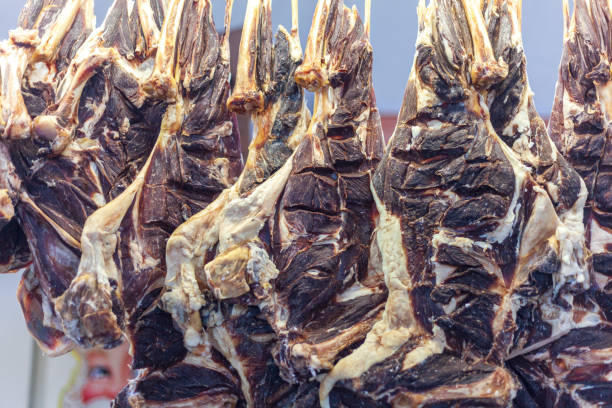
Mangkam Pipa Pork: The signature dish of Mangkam County. A whole pig is seasoned and air-dried, earning its name from its resemblance to a traditional Pipa lute. It features a translucent appearance, rich aroma, and savory, non-greasy flavor.
Air-Dried Yak & Mutton: During the dry winter months (November to December), locals hang strips of fresh beef and mutton in well-ventilated areas to dry naturally. The resulting dried meat is tender, savory, and energy-dense.
Tibetan Blood Sausage: Fresh sheep or pig blood is mixed with flour, fat, and local spices, stuffed into casings, and steamed or pan-fried.
Jiajia Noodles (Mangkam Specialty): A fun dining tradition along the Yunnan-Tibet route in Mangkam. Each bowl contains just a bite or two; as soon as you finish, the host adds another bowl and tracks your count with small pebbles on the table.
Tsampa & Butter Tea: The staple diet of Tibetans. Roasted barley flour (tsampa) is kneaded with rich butter tea into small dough balls—a wholesome and authentic plateau staple.
Practical Travel Advice & Itinerary for Chamdo
Recommended 4-Day / 3-Night Chamdo Itinerary
Day 1: Arrive in Chamdo (via Bangda Airport or overland) ➔ Visit Chambaling Monastery ➔ Stroll downtown Chamdo and enjoy butter tea and local snacks.
Day 2: Chamdo City ➔ Visit Karuo Ruins ➔ Head toward Jitang Hot Springs or Mangkam.
Day 3: Chamdo ➔ Yanjing Ancient Salt Fields ➔ Try Jiajia Noodles and Pipa Pork.
Day 4: Mangkam ➔ Bangda Grassland ➔ Drive through the 72 Hairpin Turns ➔ Arrive at Ranwu Lake ➔ Continue toward Nyingchi/Lhasa or depart.
Transportation & Altitude Acclimatization
Airport Notice: Chamdo Bangda Airport is one of the highest civilian airports in the world (4,334m). If flying in directly, take it easy on your first day to prevent acute altitude sickness.
Road Conditions: Driving around Chamdo involves mountain passes and river gorges. Heavy rain in summer (July–August) can trigger rockfalls, so a high-clearance SUV or 4WD vehicle is recommended.
Sun Protection & Cold Weather Clothing
Chamdo enjoys abundant sunlight and strong UV radiation, with large day-night temperature drops. Pack SPF 50+ sunscreen, sunglasses, lip balm, and use a 3-layer outfit strategy (thermal base layer, fleece/down middle layer, windproof outer jacket).
Travel Permits
Checkpoints are common across eastern Tibet. Carry your Original Passport/ID at all times. If your travel plans extend to Everest Base Camp or Ngari, ensure your Border Travel Permit is secured in advance.