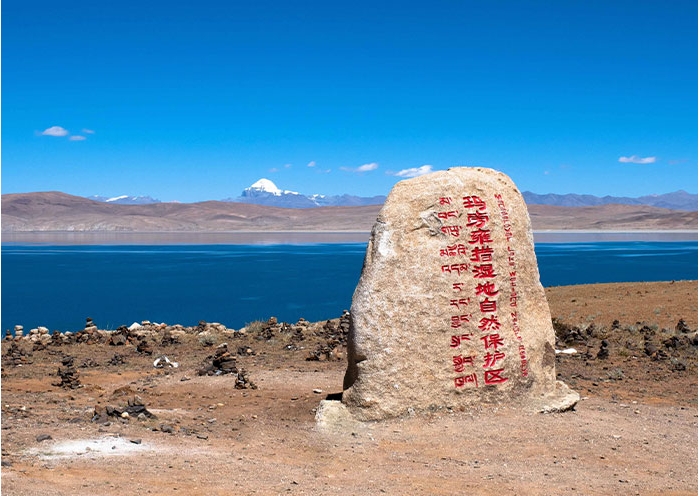
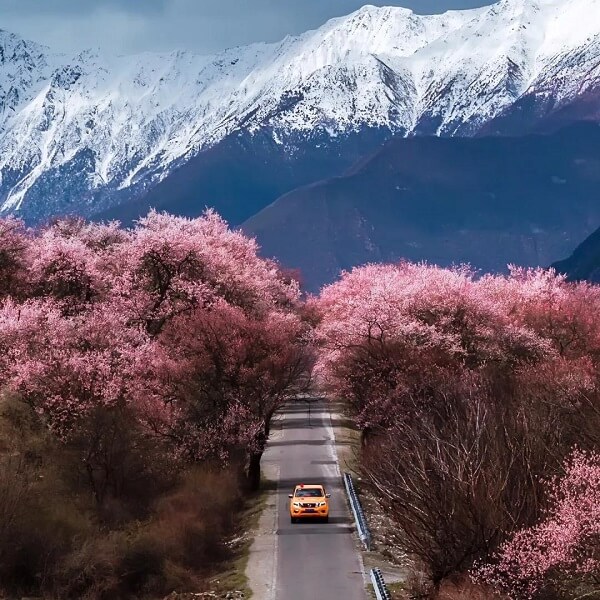
Tibet, known as the “Roof of the World,” sits at an average elevation of over 4,000 meters above sea level. Ringed by the formidable Himalayas, the Gangdise Range, and deep river gorges, the region was historically one of the most inaccessible places on Earth.
Over the centuries, transportation in Tibet has undergone a remarkable transformation—from narrow mountain paths trodden by yak caravans to high-speed bullet trains traversing frozen ground and modern airliners landing on high-plateau runways. Here is a look at the history of travel in Tibet and a guide to the modern transportation choices available for visitors today.
Key Takeaways
-
Historic Trails & Animal Transport: Before modern infrastructure, Tibet relied entirely on human endurance, yaks, and horse caravans navigating rugged mountain passes along the Ancient Tea Horse Road and Imperial Routes.
-
Modern Engineering Breakthroughs: The opening of the Sichuan-Tibet and Qinghai-Tibet Highways in 1954, the historic completion of the Qinghai-Tibet Railway in 2006, and a growing airport network transformed Tibet’s connectivity.
-
Diverse Options for Modern Travelers: Today’s visitors can choose from quick direct flights, scenic high-altitude train journeys, or customized overland private road trips tailored to various budgets and travel styles.

Historic Transportation: Human Endurance and Animal Caravans
Before mechanized transport reached the plateau, travel across Tibet depended entirely on human effort and pack animals. Due to steep terrain and a lack of bridges over raging rivers, long-distance travel was arduous and dangerous:
The “Boats of the Plateau”: Yaks and Horses
Yaks were the primary pack animals for Tibetan families due to their endurance, resistance to cold, and ability to navigate steep, rocky terrain. For long-distance trade routes, horses and mules were preferred by caravans for their speed.
The Ancient Tea Horse Road and Imperial Routes
Traders relied on ancient trade networks, such as the Ancient Tea Horse Road connecting Sichuan and Yunnan to Tibet, and the Tang-Bo Ancient Road linking Qinghai. Caravans spent months crossing high snow passes over 5,000 meters and wading through freezing river currents.
Traditional River Crossings: Coracles and Ziplines
To cross rivers like the Yarlung Tsangpo, locals used coracles (Ku-Pha)—lightweight boats made of yak hide stretched over wooden frames. After floating downstream, boatmen carried the light hide boats back upstream on foot. In deep canyons, simple rope or cable ziplines were used to cross river gorges.
Modern Infrastructure: Highways, Railways, and Aviation
Mid-20th-century engineering projects fundamentally changed access to Tibet, creating an integrated land and air network:
1954: The Sichuan-Tibet and Qinghai-Tibet Highways
In December 1954, the opening of the Sichuan-Tibet and Qinghai-Tibet Highways marked the end of Tibet’s era without modern roads, establishing vital supply lines across the mountain ranges.
2006: The Qinghai-Tibet Railway
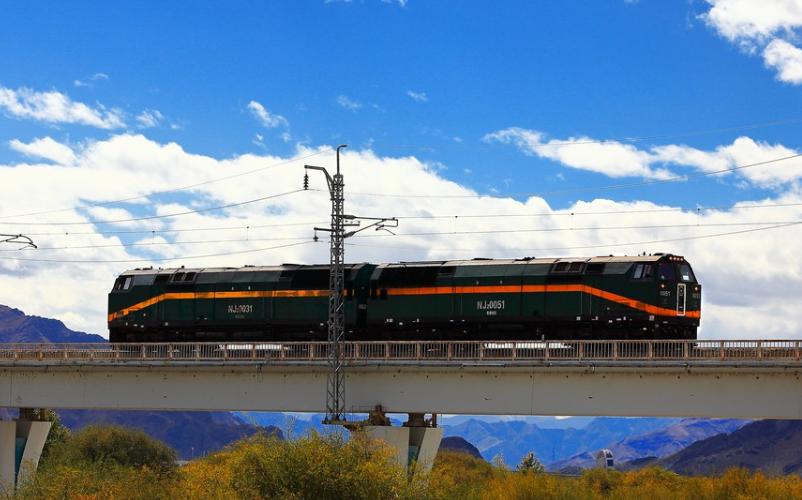
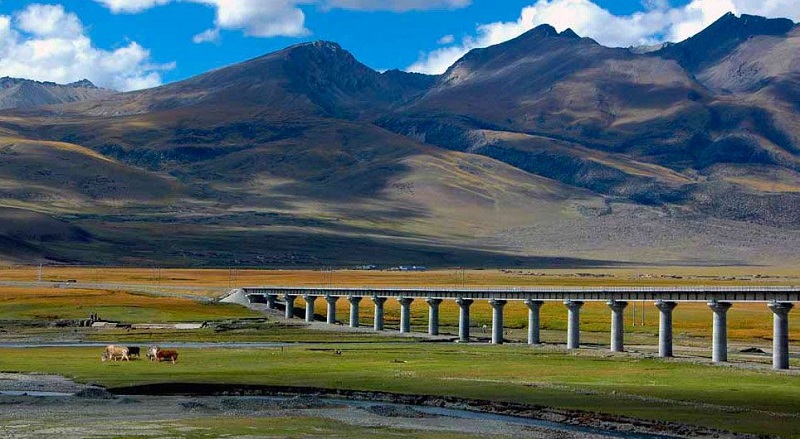
On July 1, 2006, the completion of the Qinghai-Tibet Railway connected Lhasa directly to China’s national rail network. Overcoming challenges like permafrost and oxygen scarcity, the railway drastically reduced freight costs and opened Tibet to mass tourism. In 2021, the Lhasa-Nyingchi Railway introduced high-speed bullet trains to the plateau.
High-Altitude Aviation Network
Beginning with early flights to Damxung Airport in 1965, Tibet now operates a regional aviation network anchored by Lhasa Gonggar International Airport, alongside airports in Shigatse, Nyingchi, Chamdo, Ngari, and Tingri.
How Modern Travelers Get to Tibet
Today’s travelers can choose from several ways to reach Lhasa depending on their schedule, budget, and acclimatization preference:
By Air (Fast & Convenient)
Best For: Travelers with limited time or those preferring maximum convenience.
Highlights: Direct or connecting flights operate daily from major transit hubs such as Chengdu, Chongqing, Xi’an, Beijing, and Guangzhou.
Tip: Flying quickly increases altitude, so taking time to rest upon arrival in Lhasa is essential for acclimatization.
By Train (Scenic & Gradual Acclimatization)
Best For: Travelers with flexible schedules who want to enjoy high-altitude scenery.
Highlights: Trains run to Lhasa from major cities including Xining, Beijing, Shanghai, Chengdu, and Guangzhou. The Xining to Lhasa section is the flagship segment of the Qinghai-Tibet Railway, passing through Hoh Xil, the Tanggula Mountains, and Lake Cuona.
Tip: Trains are equipped with oxygen enrichment systems, and the gradual ascent helps travelers adjust to the altitude.
Overland Road Trips (For Adventure & Photography)
Best For: Road trip enthusiasts driving or joining small group tours along routes like National Highway G318 (Sichuan-Tibet Highway) or G219 (Yunnan-Tibet Highway).
Getting Around Within Tibet
Once in Lhasa, traveling to regions like Ngari, Shigatse, Nyingchi, or Lake Namtso typically involves the following options:
Private Charter Cars & Customized Tours
Given the long distances between destinations, chartering a private vehicle is the most flexible choice. Popular options include 7-seater MPVs (e.g., Buick GL8) for small groups or families, and 4WD SUVs (e.g., Toyota Prado) for high-altitude or rough terrain in regions like Ngari or Mount Everest Base Camp.
Intercity Rail (Lhasa – Nyingchi – Shigatse)
High-speed trains connect Lhasa to Nyingchi and Shigatse, offering a comfortable 2.5 to 3-hour journey between these major regional hubs.
Tourist Shuttle Buses
For budget travelers, daily tourist shuttle buses run from central Lhasa to popular nearby attractions such as Yamdrok Lake and Lake Namtso.
From ancient pack trails to modern bullet trains and air travel, the evolution of transportation in Tibet has made the “Roof of the World” more accessible than ever before. Whether taking the train across the high plains or embarking on a customized overland journey through Shigatse and Ngari, modern infrastructure allows travelers from around the globe to explore Tibet comfortably and safely.