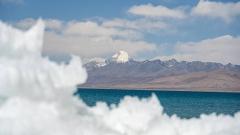
🌄 Highlights:
- ✈️ Flying from Chengdu to Lhasa takes only around 2.5 hours, ideal for tourists with limited holiday time
- 🚞 The Chengdu–Lhasa train takes roughly 34 hours, offering gradual altitude acclimatization and stunning Qinghai-Tibet Plateau landscapes
- 💰 Train tickets are stable and cheaper, while flight prices vary wildly between peak and low seasons
- ⚠️ Neither option fully prevents altitude sickness; train reduces the shock of sudden elevation jump
- 🎯 Choose train for scenic immersion and slow acclimatization; pick flight if you have a short travel schedule
For international and domestic tourists planning a trip to Tibet, one of the most critical decisions is how to travel from Chengdu to Lhasa. Chengdu acts as the primary gateway to Lhasa, with dozens of flights and one direct train service operating every week. Many travellers search Chengdu to Lhasa train vs flight which is better for tourists before booking their Tibet tour, wondering which transport option balances time, budget, comfort and altitude safety.
Travellers often weigh the question: Chengdu to Lhasa train or flight when drafting their Tibet itinerary. There is no universal “best” answer. The right choice depends on your available vacation days, health condition, travel style, budget, and whether you want the journey itself to be part of your adventure. This guide breaks down every key factor: travel duration, altitude sickness risk, cost, onboard experience, scenery, ticket availability, and practical travel tips. By the end, you will clearly understand whether you should book a flight or take the famous Qinghai Tibet train Chengdu to Lhasa. We will also complete a Chengdu to Lhasa travel comparison train flight to help you evaluate your Chengdu to Lhasa one way travel options.
Travel Time & Itinerary Flexibility
✈️ Chengdu to Lhasa by Flight
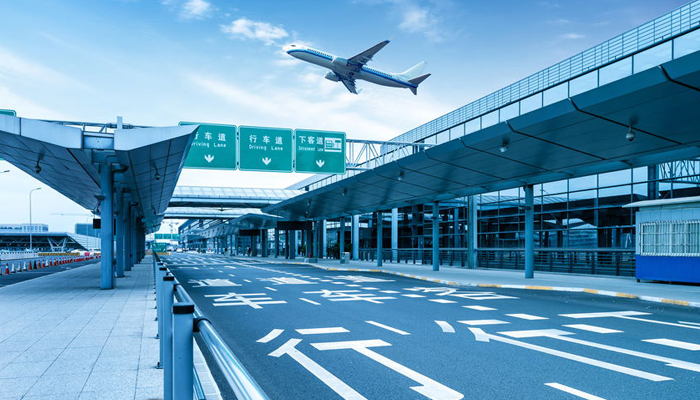
Direct flights from Chengdu Shuangliu or Tianfu Airport to Lhasa Gonggar Airport take 2 hours and 20 minutes to 2.5 hours. Many visitors look up Chengdu to Lhasa direct flight time to estimate how much sightseeing time they can save. Multiple airlines including Tibet Airlines, Sichuan Airlines and Air China operate nearly 20 daily flights, from early morning until late afternoon.
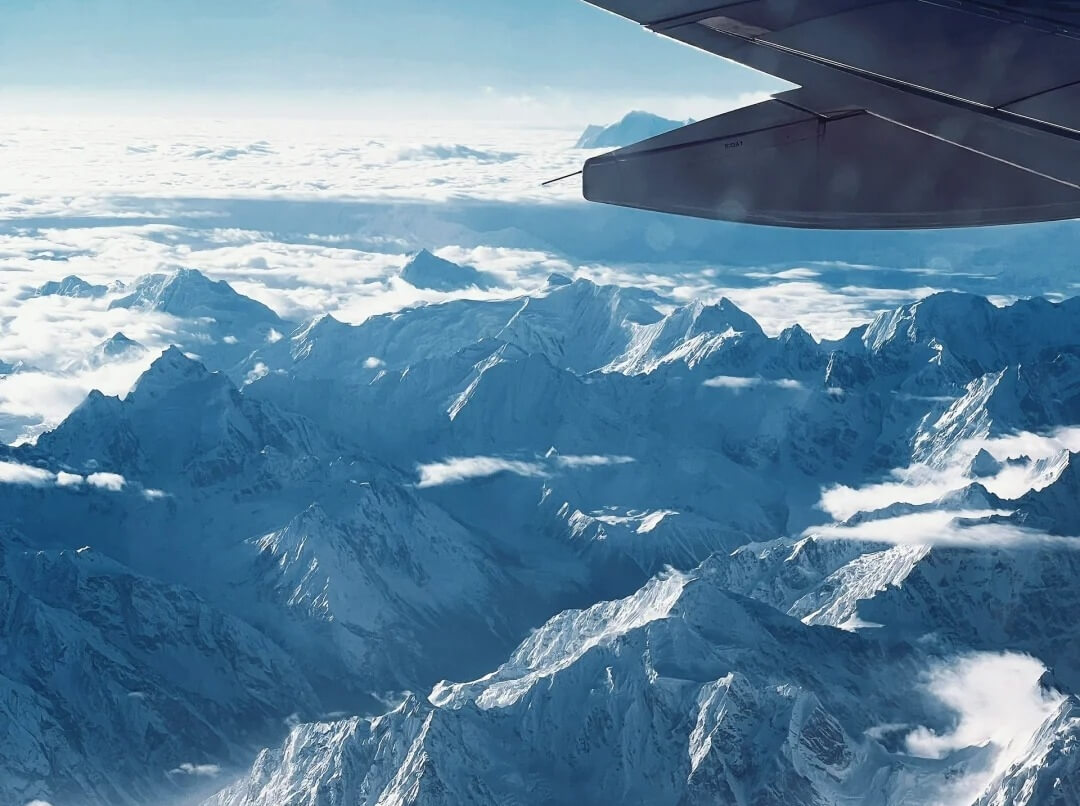
Chengdu fly to Lhasa
Count airport check-in, security, airport transfer and ground transport from Gonggar Airport to Lhasa city centre, and the whole trip usually takes 4–5 hours. The airport shuttle bus runs regularly to downtown Lhasa, taking about 1 hour.
The biggest advantage is time saving. If you only have 4–6 days for your Tibet tour, flying lets you spend almost all your time sightseeing in Lhasa instead of sitting in transit. This is perfect for short breaks, return visitors to Tibet, or travellers combining Tibet with a Sichuan itinerary.
🚞 Chengdu to Lhasa by Train
The direct Z-series train from Chengdu to Lhasa takes approximately 34 hours, an overnight and full-day journey crossing Sichuan, Qinghai and then entering the Tibetan plateau on the famous Qinghai-Tibet Railway.
You will depart Chengdu in the afternoon, travel overnight, pass Xining in Qinghai the next morning, and climb onto the high plateau. The train crosses the Tanggula Pass, over 5,000 meters above sea level, before arriving in Lhasa on the third day.
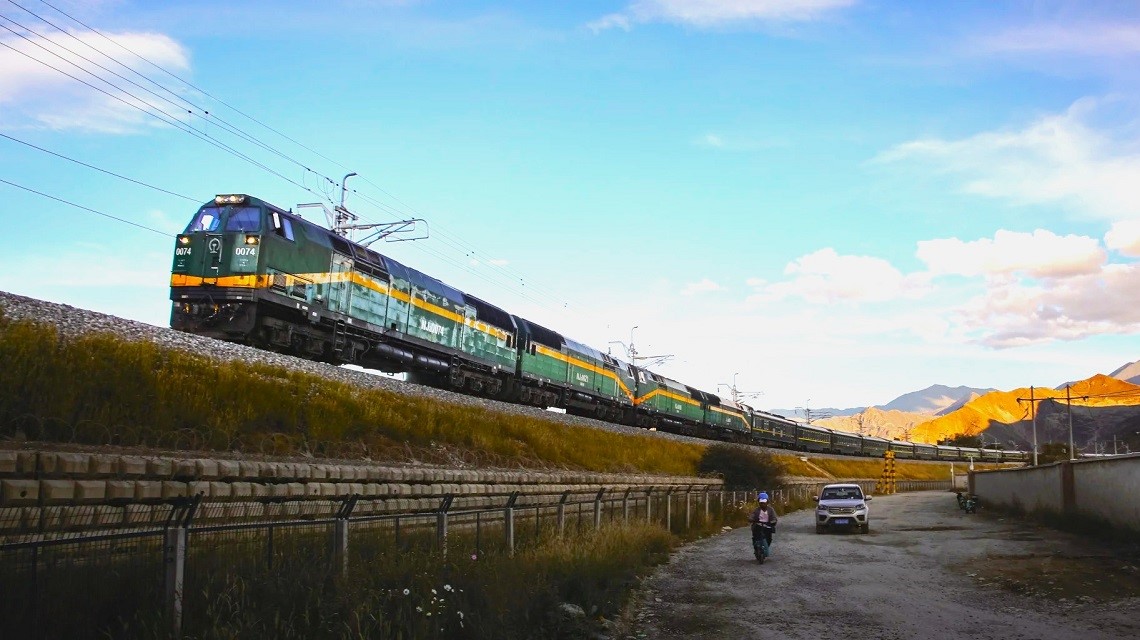
Tibet Train
The obvious downside is the long travel time. You need to reserve two full days of your holiday just for the one-way train ride. If your total trip length is less than 7 days, the train will eat up too much of your sightseeing schedule. This leads many travellers to ask, Is train better than flight from Chengdu to Lhasa? The answer depends heavily on your available vacation time. However, many tourists view this long ride as a core part of the Tibet travel experience rather than wasted time.
Altitude Sickness (AMS): The Most Important Factor for Tourists
Altitude sickness is the top concern for first-time visitors to Lhasa, which sits at 3,656 meters above sea level. This is where the biggest difference between flight and train appears.
Flying to Lhasa: Sudden elevation jump
When you fly from Chengdu (around 500m elevation) directly to Lhasa, your body jumps from low altitude to 3,656 meters in just a few hours. This rapid change increases the chance of acute mountain sickness. Common symptoms include headache, fatigue, loss of appetite, sleeplessness and shortness of breath.
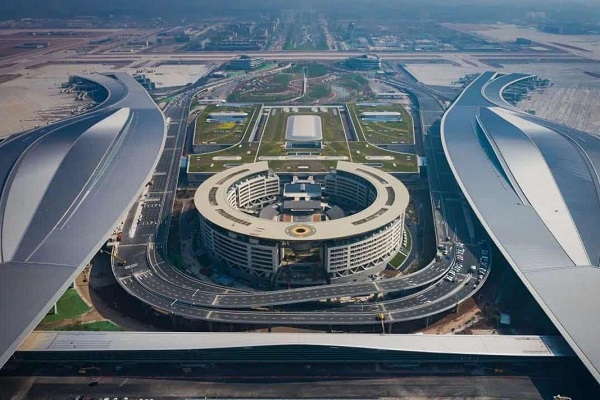
TianFu international Airport in Chengdu
This does not mean everyone who flies will get sick. Many healthy travellers land in Lhasa with no major issues. But the risk is higher. If you fly into Lhasa, you must plan a rest day immediately after arrival: avoid heavy walking, hot showers, alcohol and big meals on day one.
Taking the train: Gradual ascent
The train climbs elevation slowly over more than 30 hours. Starting from Chengdu’s basin, it rises step by step through Qinghai, crossing high passes slowly. This gradual ascent helps your body adapt to thinner air more gently, lowering the severity of altitude symptoms for many tourists.
Important caveat: the train cannot guarantee zero altitude sickness. The train carriages have oxygen supply systems, but when passing Tanggula Mountain Pass above 5,000m, many passengers still feel headaches or tiredness inside the train. Sitting for 34 hours in a confined bunk can also cause fatigue, which worsens AMS. Rest well on the train and avoid over-excitement or constant walking between carriages.
Travel tip for many tour groups: Train in, flight out. Use the train for slow acclimatization on the way to Lhasa, then fly back to Chengdu to save time on the return leg.
Cost & Ticket Availability
Flight price
Flight fares change dramatically by season.
– Low season (November to March): economy tickets can be as low as $140–200 one way
– Peak season (July, August, early October): prices often jump to $300–500 one way, and seats sell out quickly
Flights are easy to search online, but last-minute bookings in summer or national holidays are expensive. Also, note that Lhasa Gonggar Airport is a high-altitude airport, and flight schedules can be delayed or cancelled due to bad weather, especially in rainy summer months.
Train ticket price
Train fares are fixed all year round, no peak-season price hikes.
– Hard seat: cheaper, not recommended for 34-hour long journey
– Hard sleeper: the most popular choice for tourists, affordable and stable
– Soft sleeper: more private, higher price, limited supply
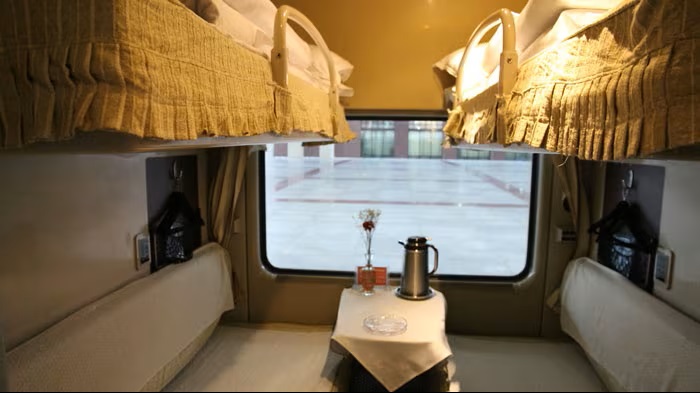
Soft sleeper on the Qinghai-Tibet Railway
The main challenge for train tickets is availability. During summer peak travel season, tickets sell out fast and must be booked in advance. Foreign tourists also need to prepare their Tibet Travel Permit before buying the train ticket, the same document required for flights.
Overall, the train is cheaper if you can secure a sleeper ticket. The flight is only affordable if you book well in advance during low season.
Scenery & Travel Experience
This is where the train shines. The Qinghai-Tibet Railway is known as one of the world’s most scenic train routes. As you travel westbound, the landscape transforms: green farmland in Sichuan, dry Qinghai grasslands, vast Qinghai Lake view, snow-capped Kunlun Mountains, wild yaks, Tibetan antelopes and endless high-altitude tundra.
The daytime section of the trip after Xining delivers the most iconic plateau views. Many tourists sit by the window, take photos and meet fellow travellers from all over the world. For photographers, culture lovers and slow travellers, the train journey is a once-in-a-lifetime sightseeing experience.
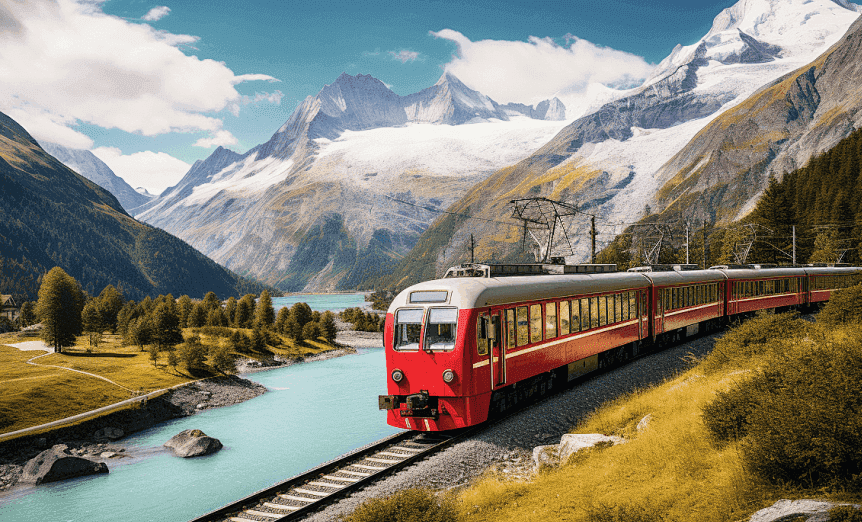
By contrast, the flight offers only a brief aerial view of mountains through aircraft windows. You cannot stop or watch the landscape slowly change. The flight is purely transport, not sightseeing.
Comfort, Amenities & Practicality
Flight comfort
The flight is short, with standard airline service. The main discomfort comes after landing, when altitude symptoms kick in. You also need to handle airport transfers and carry luggage. For elderly travellers or visitors with limited mobility, the short flight may feel physically easier than spending 34 hours on a train.
Train comfort
The train has bunk beds, dining carriages, restrooms and supplementary oxygen inside every carriage. You can walk around, buy hot meals, lie down and sleep. However, it is still a long overnight journey. Hard sleeper compartments have six beds, limited privacy, and noise from other passengers. Sleep quality is often poor.
If you are sensitive to noise, claustrophobic, or struggle with long sedentary trips, the 34-hour train may feel exhausting. Soft sleeper cabins with four beds offer more privacy but are harder to book.
Who Should Choose Train vs Flight?
🚞 Take the Chengdu–Lhasa train if you:
1. Are a first-time visitor to Tibet and want gentler altitude acclimatization
2. Have 7 or more days for your Tibet tour
3. Love scenic rail journeys, photography and slow travel
4. Prefer stable, lower travel cost
5. Want to meet other travellers and enjoy the journey as part of your vacation
6. Plan a “train in, flight out” itinerary
✈️ Choose the flight from Chengdu to Lhasa if you:
1. Have limited time (4–6 days trip)
2. Have visited Lhasa before and already know how your body reacts to high altitude
3. Suffer from claustrophobia or cannot endure a 34-hour train ride
4. Are travelling with elderly people or young children
5. Want to maximize sightseeing time in Lhasa and surrounding attractions
6. Travel in winter low season and can grab discounted air tickets
7. Key Travel Tips for Both Options
General pre-trip advice
– Do not drink alcohol or do heavy exercise 2–3 days before entering Lhasa
– Avoid travelling to Lhasa if you already have a cold, fever or respiratory illness
– Stay hydrated after arriving in Lhasa, take it easy on your first day
– Prepare your Tibet Travel Permit in advance; without it, you cannot board either the flight or train
If you take the train
– Book hard sleeper or soft sleeper; avoid hard seat for this long trip
– Pack warm layers, snacks, bottled water and basic headache medicine
– Rest on the train, do not stay up all night for photos
– Use oxygen supply only when you feel severe discomfort
If you fly to Lhasa
– Book morning flights so you have the rest of the day to rest in Lhasa
– Do not arrange strenuous sightseeing on your arrival day
– Keep portable oxygen and altitude medicine handy
– Check weather updates, as high-altitude flights may face delays
FAQ
Q1: Is train 100% safe from altitude sickness?
A: No. Gradual ascent reduces risk, but altitude sickness can still happen. Many passengers feel unwell when crossing Tanggula Pass. Rest and hydration remain essential.
Q2: Which one is cheaper overall?
A: Train sleeper tickets are normally cheaper than flights in peak season. In low season, discounted flights may sometimes match or even beat train prices.
Q3: Can foreign tourists buy Chengdu to Lhasa train tickets?
A: Yes, but you need a valid Tibet Travel Permit before purchasing tickets and boarding. The same permit requirement applies for flights.
Q4: Which is better for older tourists?
A: It depends. If seniors are healthy and have enough time, the train may help acclimatize slowly. If they cannot stand long train rides, a short flight is better, with strict rest plans after landing.
Q5: Can I combine train and flight in one trip?
A: Absolutely. The most popular tourist itinerary is train from Chengdu to Lhasa, then fly back Chengdu from Lhasa. This balances acclimatization and time efficiency.
Conclusion
So, Chengdu to Lhasa train vs flight which is better for tourists? There is no single winner.
The train is the better choice for travellers with enough vacation days, first-time visitors, landscape photographers and anyone who wants the journey to be a meaningful part of their Tibet trip. It offers gradual altitude adaptation, amazing plateau scenery and stable pricing. The trade-off is the 34 hours of travel time.
The flight is perfect for tourists with limited time, repeat visitors, elderly travellers or anyone who simply wants to get to Lhasa quickly and start exploring. It saves days of travel, but you must be ready for the sudden elevation change and higher risk of altitude discomfort on arrival.
Before booking, evaluate your travel schedule, physical condition and travel goals. Many experienced Tibet travellers still recommend the classic combination: train in, flight out. Whichever option you pick, prepare well for high altitude and respect the unique environment of the Tibetan plateau.