
✨ Highlights:
- 🧥 Master the 3‑layer dressing rule for extreme cold at high‑altitude blue‑ice lakes
- 🥾 Must‑have outdoor gear: crampons, snow goggles and waterproof anti‑slip snow boots
- 💊 Practical altitude‑sickness prevention supplies for Tibet winter travel
- 📸 Photography‑friendly packing tips to fight short battery life in freezing temperatures
- ⚠️ Critical safety reminders for walking on slippery blue‑ice surfaces
- ❌ Clear checklist of items you should not bring for your blue‑ice lake tour
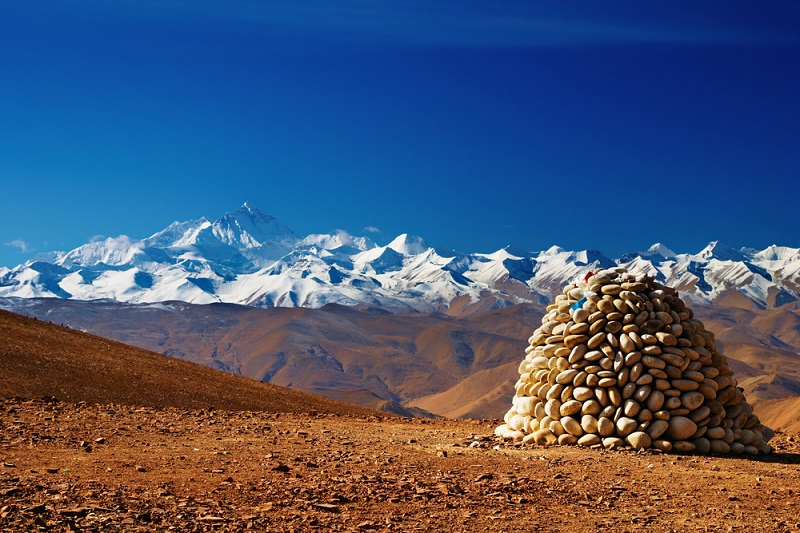
A Tibet winter blue ice lake tour is one of the most surreal and bucket-worthy adventures in Asia. Far from the crowded summer peak, winter Tibet reveals crystal-clear frozen lakes with striking turquoise blue ice, towering snow-capped mountains, and pristine wilderness that resembles an Icelandic fairyland. Popular blue ice lake destinations including Namtso Lake, Yamdrok Lake, and Cuomujiri Lake showcase breathtaking blue ice formations from December to February every year.
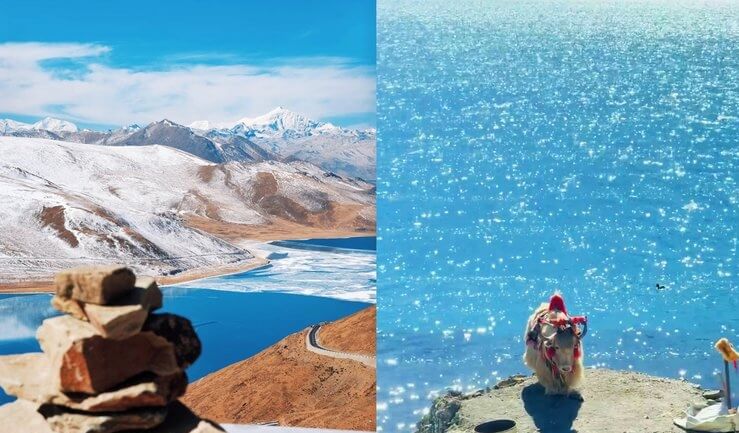
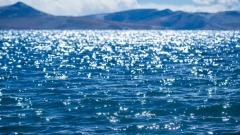
Yamdrok Lake in Winter
However, traveling to Tibet’s high-altitude blue ice lakes in winter comes with extreme weather challenges: temperatures plummet to -15°C to -20°C, piercing alpine winds, intense snow UV reflection, slippery icy terrain, and potential altitude sickness. A scientific and detailed packing list for winter blue ice lake tour in Tibet is the key to a safe, comfortable, and unforgettable trip. This comprehensive packing guide covers layered clothing, essential outdoor gear, skincare, electronics, medical supplies, and travel essentials, fully optimized for winter blue ice lake hiking, photography, and sightseeing.
Core Clothing Packing: 3-Layer Warmth Rule for Tibet Blue Ice Lake
The biggest mistake winter Tibet travelers make is wearing bulky, non-layered clothes. The high-altitude blue ice lake region features huge temperature differences between daytime sunshine and nighttime freezing cold. We strictly follow the professional 3-layer outdoor dressing rule to balance warmth, breathability, and wind resistance, perfectly adapting to blue ice lake outdoor activities. Choosing the best clothing for a Tibet Blue Ice Lake winter tour can effectively avoid frostbite and physical discomfort during outdoor sightseeing.
Base Layer: Moisture-Wicking & Skin-Friendly (No Cotton)
Cotton clothes are forbidden for Tibet winter blue ice tours. Once sweat accumulates, cotton retains moisture and freezes quickly against the skin, causing rapid body heat loss and even frostbite. Choose quick-dry, thermal base layers designed for extreme cold.
Must-pack items: Thick merino wool thermal tops and bottoms, quick-dry breathable underwear, and 3-5 pairs of thick breathable thermal socks. Merino wool effectively locks in body heat while wicking away sweat, avoiding sticky and cold discomfort during short hikes on blue ice surfaces. Disposable quick-dry underwear is highly recommended for multi-day tours to reduce luggage burden and maintain hygiene.
Middle Layer: Heat-Locking & Adjustable Insulation
The middle layer acts as the core heat preservation layer, needing to be lightweight, fluffy, and easy to put on and take off. When the sun shines brightly over the blue ice lake (daytime temperatures around 0°C), you can remove it to avoid overheating; during windy evenings or ice surface sightseeing, wear it for extra warmth.
Must-pack items: Thick fleece jacket, lightweight down vest, and thin warm down jacket. The fleece inner layer provides stable warmth against alpine winds, while the down vest supplements core body warmth without restricting movement during ice walking and photography. This collocation perfectly suits the variable winter climate of Tibet’s blue ice lake scenic areas.
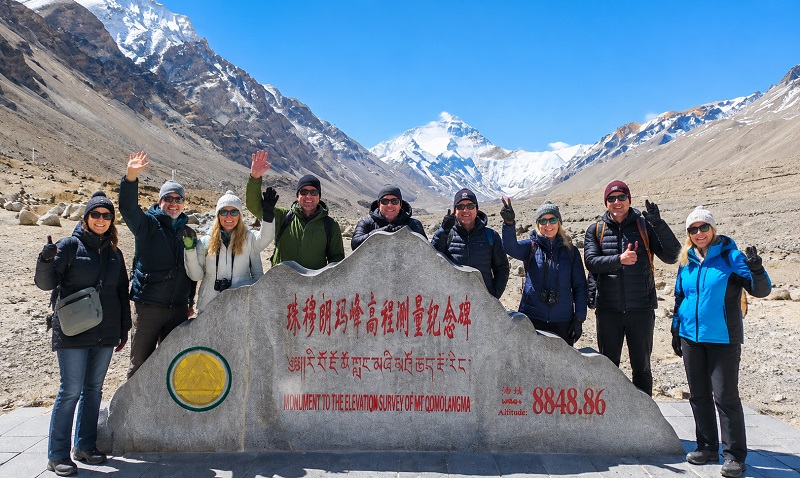
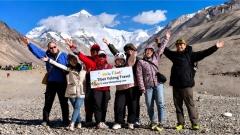
Mount Everest
Outer Layer: Windproof & Waterproof Hard Shell
Powerful alpine winds sweep across Tibet’s frozen blue ice lakes all year round, and occasional snow flurries and ice surface frost water make a professional outer shell indispensable. Ordinary cotton coats and casual jackets cannot resist high-altitude strong winds at all.
Must-pack items: Windproof waterproof down jacket (resistance to -20°C low temperature) and fleece-lined hardshell jacket. Prioritize hooded designs to protect the head and neck from cold wind. The waterproof coating prevents snow and ice water from penetrating, while the windproof liner locks in internal heat, making it the ultimate protective outerwear for blue ice lake tours.
Head-to-Toe Warm Accessories: Critical for Blue Ice Lake Safety
Most body heat dissipates from the head, neck, hands, and feet. These small warm accessories are easily overlooked but are life-saving gear for winter blue ice lake travel. Many travelers wonder what to pack for Tibet’s Blue Ice Lake in winter, and warm protective accessories always rank at the top of the essential list, effectively preventing frostbite and improving travel comfort.
- Ear-protective thick winter hat: Ordinary baseball caps cannot block alpine winds. Choose a fleece-lined Lei Feng hat or windproof wool hat that fully covers the ears and forehead to avoid facial frostbite during long-time blue ice viewing.
- Windproof thick scarf & neck gaiter: Blocks icy wind from pouring into the collar. The neck gaiter can also protect the lower face from strong UV rays and cold wind, preventing dry cracking and sunburn.
- Double-layer waterproof touchscreen gloves: Essential for blue ice lake photography. The inner layer is warm fleece, and the outer layer is waterproof fabric, allowing you to operate cameras and mobile phones without taking off gloves and enduring cold.
- High-top waterproof anti-slip snow boots: The most critical footwear for blue ice tours. Low-top sneakers and ordinary leather shoes slip easily on icy surfaces. Choose high-top snow boots with thick fleece lining and deep anti-slip soles to keep feet dry and stable on frozen lake surfaces and snowfields.
- Warm foot patches & hand warmers: Portable heating supplies that last 8-12 hours. Stick them inside shoes and gloves during early morning blue ice shooting (the coldest time of day) to keep extremities warm.
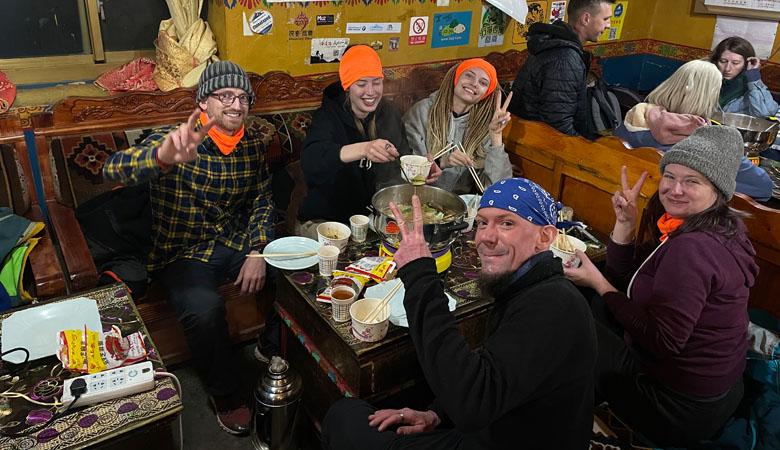
Enjoying a steaming hot pot at Everest Base Camp
Professional Outdoor Gear for Blue Ice Lake Sightseeing & Hiking
Tibet’s blue ice lakes are located at altitudes of 4,500m to 5,200m, with rugged snowy terrain and smooth, slippery ice surfaces. Ordinary daily travel gear cannot adapt to outdoor activities here. This practical tibet blue ice lake winter packing guide sorts out professional outdoor tools that greatly improve safety and play a key role in capturing stunning blue ice scenery.
Ice & Snow Anti-Slip Gear (Non-Negotiable)
The blue ice surface is extremely smooth with invisible ice crevices in some areas. Walking casually without anti-slip tools leads to falls and even safety hazards.
Must-pack items: Portable shoe crampons and lightweight trekking poles. Crampons tightly grip ice surfaces to prevent slipping, making them a must-have for walking on blue ice and snowy slopes. Trekking poles help maintain body balance, reduce knee pressure during high-altitude hiking, and avoid falls on uneven frozen terrain.
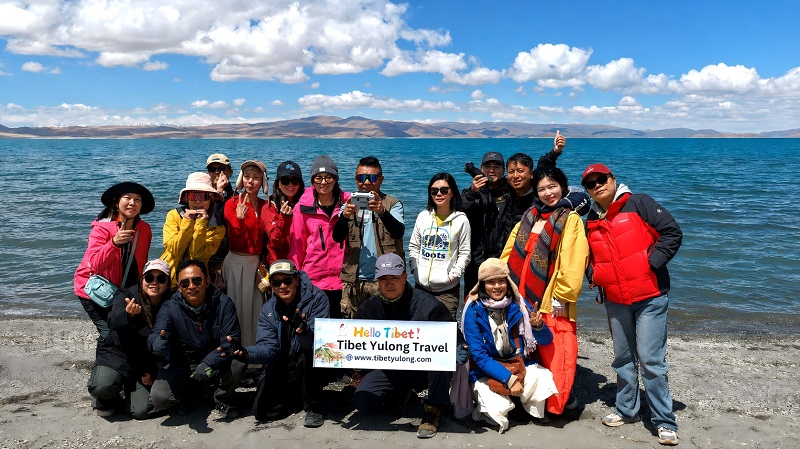
Tibet Tourists in Namtso Lake
Snow Blindness & UV Protection Gear
Winter Tibet has clear skies and strong ultraviolet rays. The white snow and blue ice surface reflect over 90% of UV light, easily causing snow blindness and severe sunburn even in low temperatures.
Must-pack items: Professional snow goggles or polarized sunglasses, SPF50+ PA++++ sunscreen, and UV-protective lip balm. Snow goggles effectively block strong reflected light to prevent eye fatigue and snow blindness. High-power sunscreen is applied to the face, neck, and exposed skin every 2 hours, and moisturizing lip balm avoids dry cracking and peeling caused by high-altitude dry cold wind.
Photography & Outdoor Auxiliary Gear
The blue ice lake’s turquoise ice texture, snow mountain reflections, and winter lake mist are top-tier photography subjects, but low temperatures seriously affect electronic device battery life.
Must-pack items: Camera with wide-angle and telephoto lenses, high-capacity power bank, portable camera battery warmer, and insulated thermos. Low temperatures drain phone and camera batteries rapidly, so carry 2-3 fully charged spare batteries. The thermos stores hot water and sweet tea to replenish body heat at the icy lake shore at any time.
Medical & Altitude Sickness Prevention Supplies
Altitude sickness is the biggest hidden danger of winter blue ice lake tours. Low winter temperatures reduce human immunity, and high-altitude hypoxia is more obvious than in summer. For all travelers engaging in tibet high altitude winter travel, preparing targeted medical supplies ensures travel safety and avoids unexpected physical discomfort.
- Altitude sickness medicine: Rhodiola rosea capsules (take 3 days before entering Tibet), glucose oral liquid, and compound oxygen tablets. Glucose quickly replenishes physical strength and relieves hypoxia dizziness caused by high altitude and cold consumption.
- Portable oxygen tank: Essential for outdoor sightseeing at blue ice lakes above 4,800m. Prepare 2-3 portable oxygen tanks for emergency use when feeling breathless and fatigued.
- Daily cold & fever medicine: Winter temperature differences easily cause colds, and colds at high altitudes may induce severe altitude reactions. Carry cold granules, fever-reducing tablets, and anti-inflammatory drugs.
- Skin repair medicine: High-altitude dry cold wind causes severe skin dryness, cracking, and redness. Prepare moisturizing repair cream, aloe vera gel, and anti-chap ointment to protect facial and hand skin.
- Pulse oximeter: Portable and lightweight, it monitors real-time blood oxygen and heart rate. If blood oxygen is lower than 70%, stop outdoor activities and descend to low altitude areas in time.
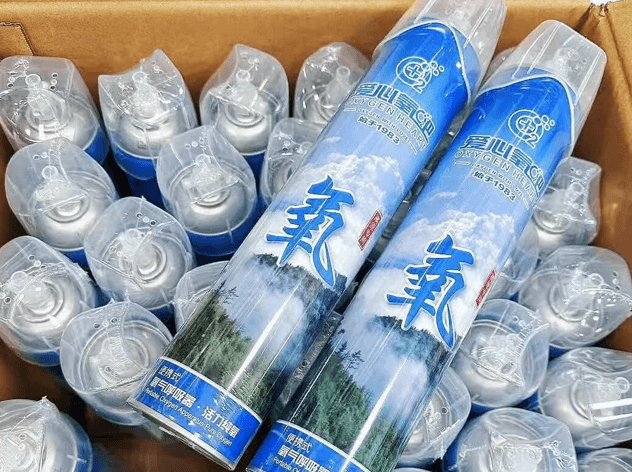
oxygen
Skincare & Daily Necessities for Extreme Cold High Altitudes
Tibet’s winter blue ice lake area features low temperature, low humidity, strong wind, and intense UV radiation, which can severely damage skin in a short time. Daily skincare routines for plain areas are completely inapplicable here. You need high-moisture, high-protection skincare products.
Core skincare packing list: Super moisturizing facial cream, thick body lotion, anti-crack hand cream, moisturizing eye cream, and disposable facial masks. It is recommended to apply a hydrating mask every night to relieve daytime skin dryness and hypoxia dullness. Avoid refreshing and oil-controlling skincare products; all products must focus on moisturizing and repairing.
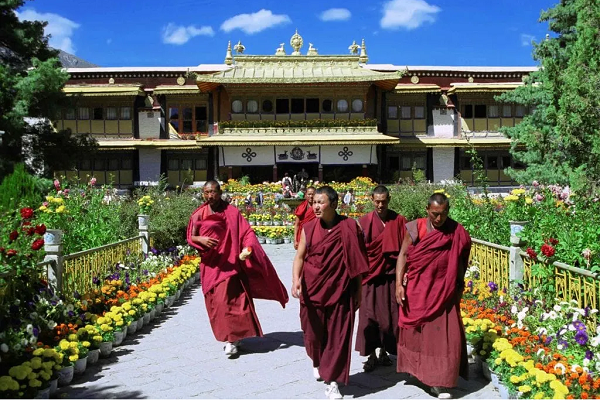
In addition, carry disposable wet wipes, dry wipes, and portable hand sanitizer. Many remote blue ice lake scenic areas have limited sanitary conditions, and these supplies maintain daily cleanliness. Bring portable toiletries and quick-dry shower supplies to adapt to simple winter accommodation conditions in Tibet.
Electronic Device Packing & Usage Tips
Low temperatures in winter Tibet are fatal to electronic devices. Many travelers encounter sudden phone shutdowns and camera failure when shooting blue ice scenery, missing precious moments. Follow this electronic packing guide to avoid device failure.
- High-capacity portable power bank: Carry 20000mAh large-capacity power bank (compliant with airline regulations). Charge electronic devices in the car or warm room in advance, and avoid long-time exposure of phones and cameras to icy outdoor air.
- Electronic warm stickers: Paste warm stickers on the back of mobile phones and cameras to keep the battery active and extend standby time in low temperatures.
- Waterproof storage bag: Prevent snowflakes and ice water from splashing into electronic devices and causing short circuits during outdoor blue ice shooting.
- Multi-port charging cable: Hotel power interfaces in winter Tibet are limited. A multi-port charging cable charges multiple devices simultaneously to save time.
Travel Documents & Practical Tips for Blue Ice Lake Tour
In addition to physical gear, complete document preparation and travel awareness are essential for a smooth winter Tibet blue ice tour. Unlike summer travel, winter Tibet has stricter road control and scenic area management. Travelers planning a Tibet snow mountain winter tour and blue ice sightseeing need to pay extra attention to local travel regulations and weather changes.
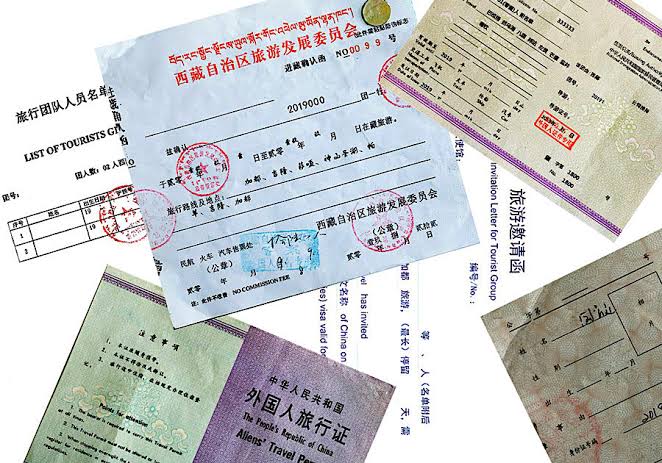
Must-carry documents: Passport/ID card, Tibet travel permit (for remote blue ice lakes near the border), travel insurance policy, and hotel reservation vouchers. It is necessary to apply for the border permit in advance to avoid being refused entry to scenic areas.
Key travel precautions: First, strictly follow the leave-no-trace principle, do not step on unmarked ice surfaces, approach ice crevices, or take ice and stone souvenirs to protect the fragile blue ice ecological environment. Second, do not hike alone in the blue ice lake area; always travel with a team or guide. Third, winter daylight in Tibet is short, arrange outdoor sightseeing before 16:00 to avoid night driving on icy mountain roads.
Diet & physical supplement tips: Carry high-calorie portable foods such as chocolate, beef jerky, and nuts to replenish energy quickly in low temperatures. Drink plenty of hot water and Tibetan sweet tea to resist cold and relieve altitude fatigue. Try local Tibetan hot pot in the evening to warm up the whole body and relieve daytime outdoor cold accumulation.
Planning an independent winter trip to these high‑altitude blue‑ice sites can be challenging due to icy mountain roads, permit paperwork and unpredictable weather. Our local‑guided Tibet blue‑ice lake winter tours handle permit applications, 4‑WD transportation, professional local guides and high‑altitude accommodation, letting you focus purely on photographing the magical frozen lake landscapes.
Our 12‑day comprehensive winter Tibet itinerary perfectly combines eastern Tibet’s ancient glaciers, iconic Everest Base Camp, sacred high‑altitude lakes and Lhasa’s profound cultural heritage. Travelling from Lhasa to Nyingchi, Ranwu Lake, Laigu Glacier, Shigatse, Everest Base Camp and finally Namtso Lake, this well‑balanced schedule gives you ample time to witness jaw‑dropping blue‑ice views, admire grand mountain‑glacier landscapes and dive into authentic Tibetan culture. We arrange reasonable driving distances, proper altitude acclimatisation stops and winter‑ready lodging, so you can experience the full magic of winter Tibet without exhausting self‑planning.
12‑Day Winter Tibet Blue Ice & Everest Overview
Day 1: Arrival in Lhasa
Day 2: Lhasa – Basum Tso – Nyang River – Nyingchi (390 km)
Day 3: Nyingchi – Lulang – Ranwu Lake – Bomi (380 km)
Day 4: Bomi – Laigu Glacier – Yalong Glacier – Nyingchi(300 km)
Day 5: Nyingchi – Kading Valley – Lhasa (460 km)
Day 6: Lhasa City Tour: Potala Palace • Jokhang Temple • Barkhor Street
Day 7: Lhasa – Yamdrok Lake – Karola Glacier – Shigatse
Day 8: Shigatse – Tingri – Gyatso La Pass – Everest Base Camp – Basong Village
Day 9: Everest Base Camp – Gawula Pass – 318 Highway – Shigatse
Day 10: Shigatse – Tashilhunpo Monastery – Lhasa
Day 11: Lhasa – Namtso Lake – Northern Tibetan Grasslands – Lhasa
Day 12: Departure from Lhasa
What Not to Pack for Tibet Winter Blue Ice Lake Tour
To reduce luggage weight and avoid travel risks, here are the items you must exclude from your packing list:
- Cotton thermal clothes and jeans: Poor warmth and easy freezing, causing discomfort and frostbite risks.
- Ordinary sneakers and leather shoes: No anti-slip performance, extremely unsafe on blue ice surfaces.
- Low-SPF sunscreen and light skincare products: Cannot resist high-altitude strong UV and dry cold wind.
- Excessively heavy luggage: Winter Tibet transportation is inconvenient; bulky luggage affects mobility during ice surface hiking and sightseeing.
Final Thoughts
A Tibet winter blue ice lake tour is a once-in-a-lifetime adventure that presents the purest blue ice and snow scenery on earth. The extreme cold and high altitude are the biggest challenges of this trip, and a scientific and comprehensive Tibet Winter Travel Packing List for Blue Ice Lake Tour is your best travel guarantee. By following the 3-layer warm dressing rule, preparing professional ice and snow outdoor gear, altitude sickness prevention medicine, and high-altitude skincare supplies, you can fully adapt to Tibet’s winter extreme environment, safely explore the stunning blue ice lake scenery, and record exclusive winter alpine travel memories.
Whether you are a photography enthusiast, outdoor hiker, or landscape traveler, this detailed packing guide helps you avoid travel pitfalls, improve travel comfort, and make your Tibet blue ice lake winter tour perfect and worry-free.