
✨ Highlights:
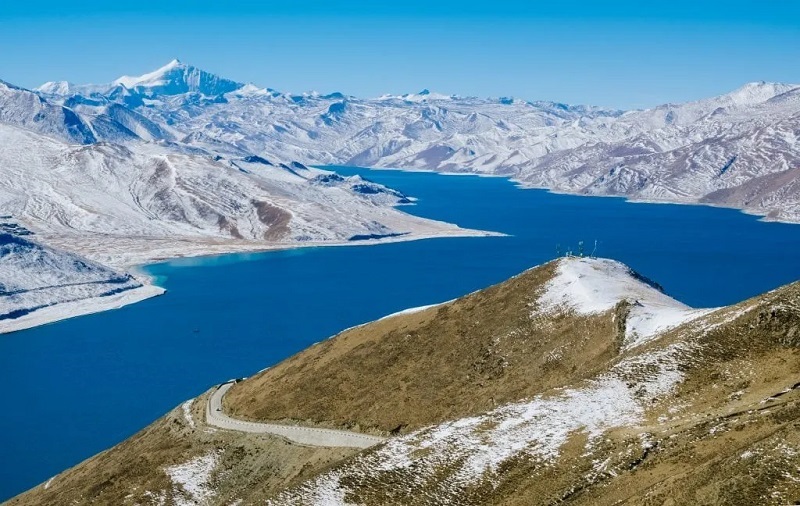
- ❄️ Unique winter scenery of Yamdrok Lake: striking dual views of thick blue ice along lakeshores and unfrozen turquoise central waters, framed by snow-covered Himalayan peaks
- 📅 Optimal travel window: Mid‑December to Late February is the prime season for witnessing full freezing and perfect photography conditions
- 🏔️ Well-designed 8-day Lhasa-EBC round-trip classic route with gradual altitude acclimatization to reduce altitude sickness risks
- 🛕 Perfect combination of Tibetan cultural heritage (Potala Palace, Tashilhunpo, Sakya, Sera & Drepung Monasteries) and iconic winter alpine landscapes
- 🙌 Crowd-free winter travel experience with lower prices for flights, accommodation and tour services (30%–50% cheaper than peak summer season)
- 🦢 Excellent opportunities for wildlife watching: migratory birds including black-necked cranes and bar-headed geese around the frozen lake
- 📸 Clear, haze-free winter skies offering unobstructed panoramic views of Mount Everest ideal for landscape photography
- 📋 Practical winter guidance covering warmth preparation, ice safety, altitude sickness prevention, road conditions and local Tibetan etiquette
- 🚌 Professional local tour advantages: flexible route adjustment against sudden winter snowfall and access to secret viewing spots
A winter trip to frozen Yamdrok Lake ranks among the most sought-after travel plans for photographers and adventurers exploring Tibet in cold months. Unlike bustling summers with lush grasslands and crowded lakeshores, Yamdrok Yumtso — one of Tibet’s three sacred holy lakes — transforms into a tranquil, pristine ice wonderland in winter. Every year from November to March, shallow lakeside bays and wetlands freeze into crystal blue ice sheets, while the lake’s centre retains vivid turquoise waters surrounded by snow-capped Himalayan ranges. These breathtaking Tibet blue ice landscape views make a winter visit stand apart from conventional Tibet travel routes, attracting lovers of a Tibet winter lake photography tour.
Many travelers hold off on winter Tibet trips over worries about frigid temperatures. Yet the freezing season reveals Yamdrok Lake’s most authentic, crowd-free charm. Bright sunshine, low humidity and unblocked vistas make winter the ideal time to explore this holy lake. This complete guide offers a detailed winter itinerary for frozen Yamdrok Lake, including the popular Lhasa to Yamdrok Lake winter route, key attractions, packing suggestions and local travel insights to help you plan a memorable winter trip across Tibet.
Why Choose Yamdrok Lake Frozen Winter Tour in Tibet?
Before exploring our full itinerary, discover what makes winter such a special season for Yamdrok Lake. Most first-time tourists book summer trips, while experienced travelers and professional photographers prefer winter visits.
First, the unrivaled frozen scenery cannot be seen any other time of year. In winter, Yamdrok Lake features dramatic dual landscapes: shallow shorelines solidify into thick, translucent blue ice marked by natural cracks and frost patterns, while the wider central waters stay open and turquoise. Snow-covered grasslands and towering peaks surround the basin, forming a serene icy paradise. Winter Tibet also enjoys cloudless, haze-free weather, offering 360° clear views perfect for photography and videography.
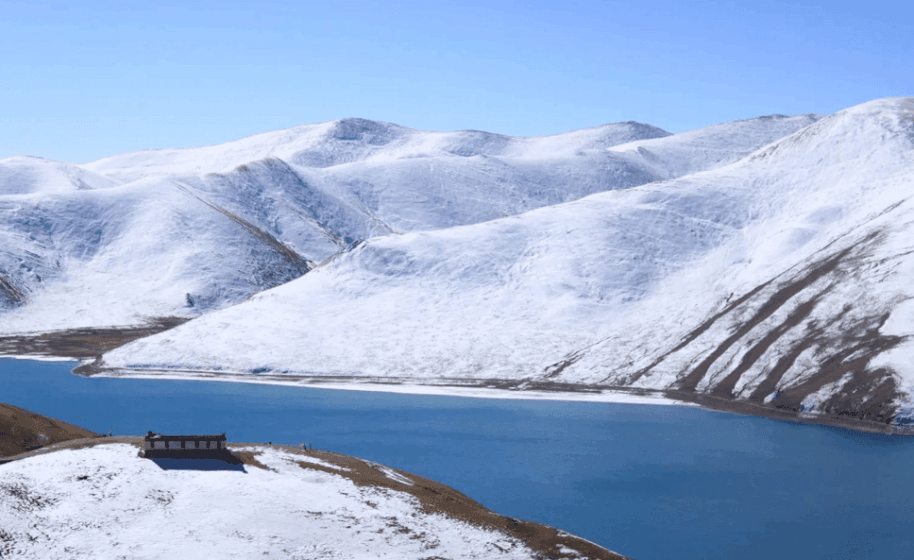
Yamdrok in Winter
Second, winter delivers a better travel experience with obvious cost advantages. As Tibet’s off-season, winter sees far fewer visitors. You can take photos without crowds and enjoy peaceful moments beside the sacred lake, fully absorbing the solemn atmosphere of Tibet’s holy land. Meanwhile, air tickets, accommodation, and guided tours around Lhasa cost 30%–50% less than peak summer, making winter trips budget-friendly for small groups and independent travelers.
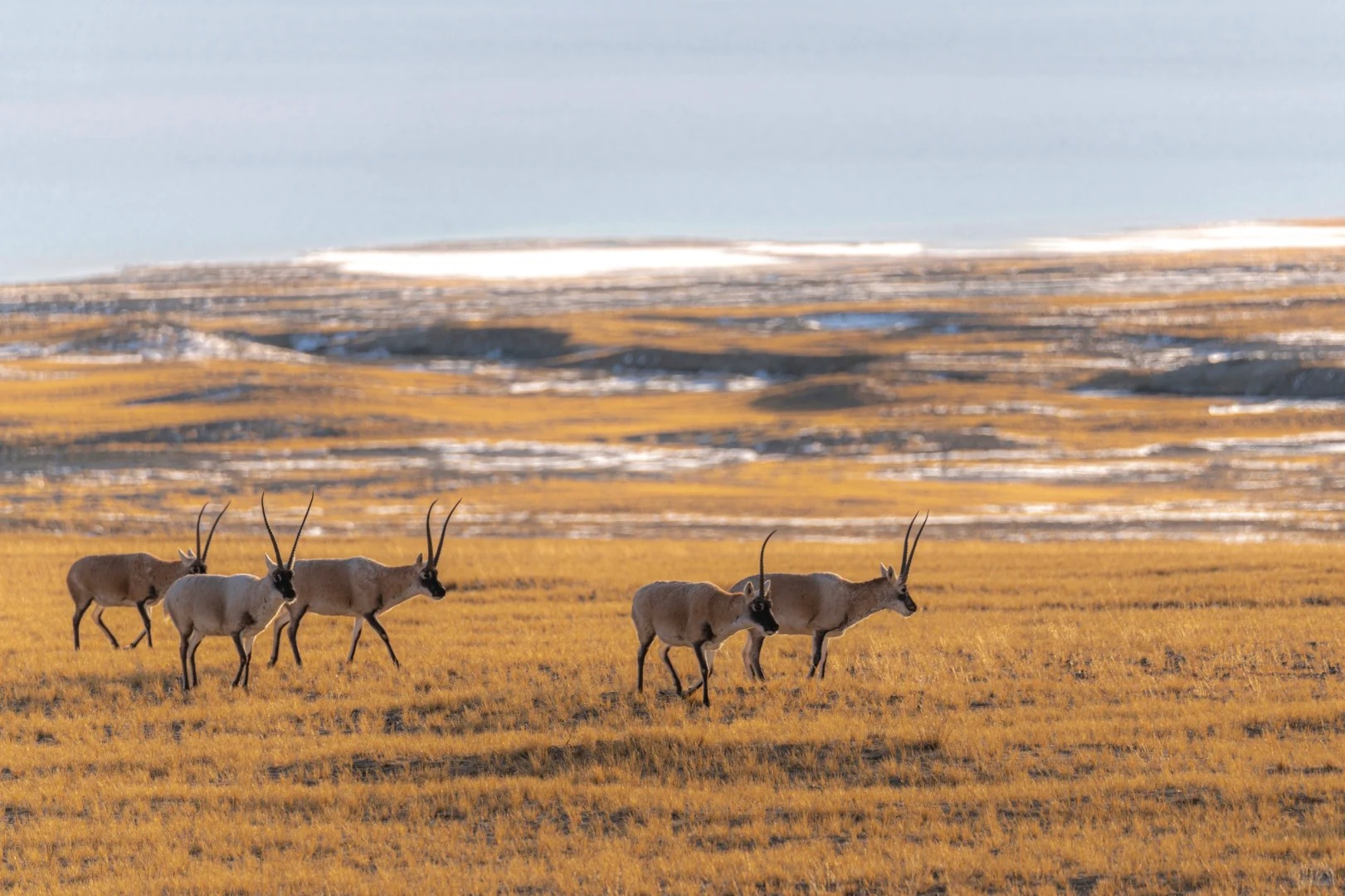
Third, winter turns Yamdrok Lake into a wildlife haven. Frozen surfaces and adjacent wetlands attract flocks of migratory birds such as bar-headed geese, black-necked cranes and wild ducks. If you are interested in Yamdrok Lake winter wildlife spotting, you will find plenty of chances to capture these rare creatures resting on ice and open water, adding vitality to the quiet snowscape.
Best Time for Yamdrok Lake Frozen Winter Tour (2026 Guide)
To make the most of your Tibet Yamdrok Lake frozen winter tour itinerary, choosing the right travel window is crucial. The freezing period of Yamdrok Lake lasts from late November to early March of the next year, with different scenery characteristics in each stage.
Late November to Early December: The initial freezing period. The temperature gradually drops, and the lakeside shallow water begins to freeze with thin ice layers. The ice surface is mixed with lake water, forming a unique half-frozen, half-flowing landscape. The weather is milder with fewer strong winds, suitable for travelers who cannot adapt to freezing.
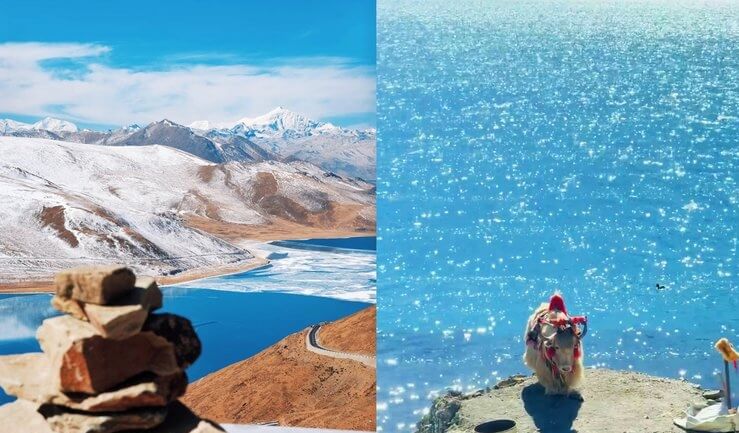
Mid-December to Late February (Peak Season): The fully frozen golden period. This is the best time to witness the grand frozen scenery of Yamdrok Lake. The lakeside ice layer thickens significantly, forming complete blue ice sheets with delicate natural ice textures. The sky is obvious, and the snow-capped mountain backdrop is more magnificent. This period is perfect for photography, ice sightseeing, and outdoor exploration, and is the core travel window of our recommended Yamdrok Lake frozen winter tour itinerary.
Early March: The ice-melting period. The temperature slowly rises, the ice surface begins to melt, and glacial lakes start to appear. The scenery is fresh and unique, with fewer tourists, suitable for travelers pursuing niche landscapes.
Detailed 8-Day Yamdrok Lake Frozen Winter Tour Itinerary in Tibet (Classic Tibet Route)
Tailored for winter travellers eager to discover high-altitude nature and genuine Tibetan culture, this 8-day Lhasa round-trip route adopts a gradual altitude ascent schedule. It allows visitors to adapt slowly to Lhasa’s 3,650 m elevation and reduce altitude sickness risks. The journey is a classic Tibet winter glacier and lake tour, combining traditional Tibetan Buddhist heritage, icy highland terrain and snow Himalayan vistas to showcase Tibet’s unique winter appeal.
Your cultural exploration begins in Lhasa. Visit Drepung and Sera Monasteries to witness centuries-old Buddhist rituals and lively scripture debates. Continue to the world-famous Potala Palace, the spiritual Jokhang Temple, and wander Barkhor Street. Watch pilgrims and encounter genuine local Tibetan customs to immerse yourself in regional culture.
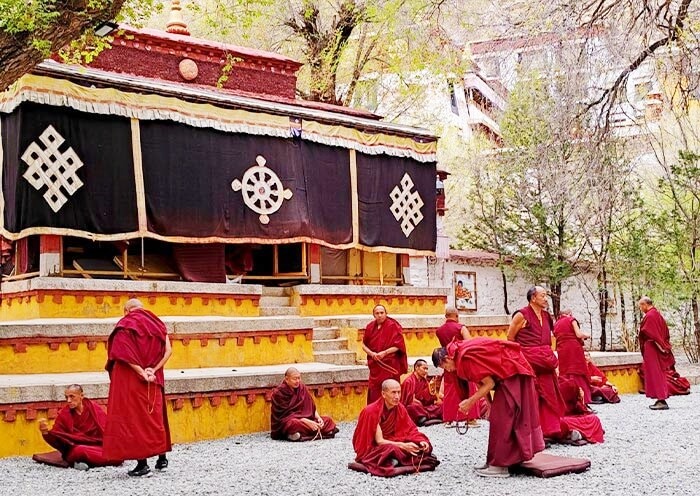
Buddhist Debate at Sera Monastery
Leaving Lhasa, the route unfolds stunning winter icy landscapes. Travel via Gyantse to Shigatse and reach frozen Yamdrok Lake. Covered in thick ice and occasional snow, the holy lake presents a quiet, otherworldly view entirely different from its summer blue waters. Along the way, Korola Glacier rises amid mountains with endless snow ridges, composing a breathtaking highland winter scene.
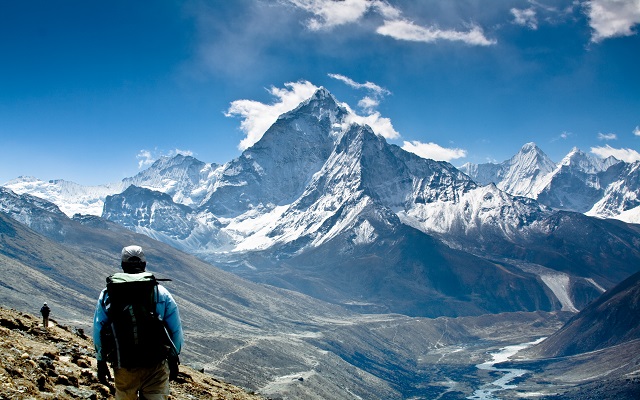
The route continues east to Everest Base Camp (EBC) at 5,000 m. Crisp, clear winter air removes cloud cover over Mount Everest. You can admire the imposing silhouette of the world’s highest peak and capture grand Himalayan snow mountain views. On the return drive from EBC, stop at ancient Sakya Monastery, famous for precious cultural relics, before heading back to Shigatse.
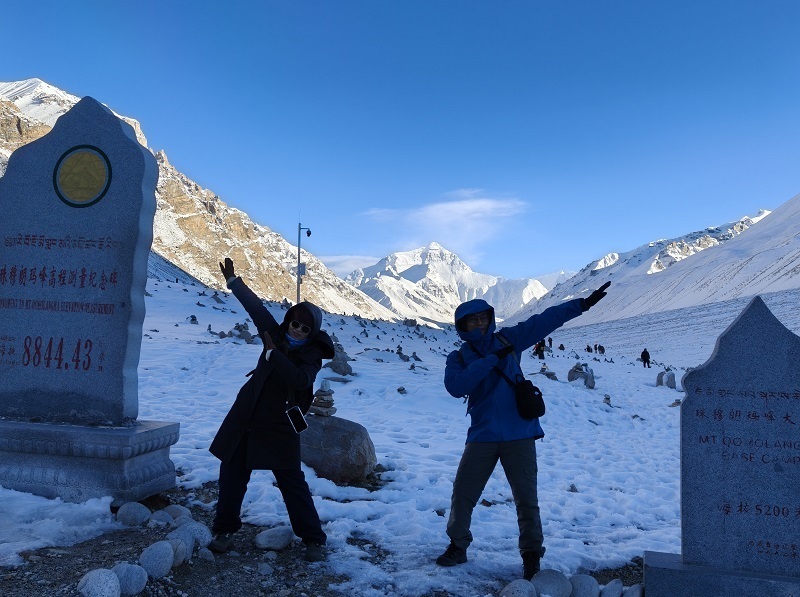
Mount Everest
On the final sightseeing day, explore Shigatse’s Tashilhunpo Monastery, home to priceless Buddhist collections and grand architecture to finish your cultural pilgrimage. Afterwards return to Lhasa and wrap up your winter adventure featuring sacred culture, frozen lakes, glaciers and snow peaks.
Day 1: Arrival in Lhasa (3,650m)
Day 2: Lhasa Monastery Day: Drepung Monastery and Sera Monastery
Day 3: Lhasa Tour: Potala Palace, Jokhang Temple and Barkhor Street
Day 4: Lhasa – Gyantse – Shigatse (360 km): Yamdrok Lake, Korola Glacier
Day 5: Shigatse – Tingri – EBC (5,000m)
Day 6: EBC – Sakya – Shigatse
Day 7: Shigatse – Lhasa: Tashilhunpo Monastery
Day 8: Departure from Lhasa
This balanced Lhasa round-trip itinerary features gradual altitude acclimatization. It unites Tibet’s iconic cultural landmarks, frozen Yamdrok Lake scenery and Everest Base Camp views for a complete winter highland journey.
Core Winter Travel Tips for Frozen Yamdrok Lake Tour
Careful preparation guarantees a smooth winter trip to Yamdrok Lake. Below are key reminders about altitude adaptation, warmth, safety and local etiquette.
- Altitude Sickness Prevention: Yamdrok Lake sits around 4,400 m. Low temperatures and dry winter air worsen altitude discomfort. Avoid strenuous exercise upon arrival. Drink plenty of hot water and skip alcohol. Spend one to two days acclimatizing in Lhasa before traveling to the lake area.
- Warm Clothing Preparation: Temperatures range from -15℃ to 5℃ with harsh wind chill. Pack thick down jackets, windproof trousers, thermal layers, snow boots, gloves and ear protection. Large temperature swings between morning and night require spare warm layers. Strong UV radiation and dry air mean sunscreen and lip balm are essential.
- Ice Safety Rules: While shore ice thickens in winter, never walk onto unmarked ice surfaces. Always follow local guides and stay within official viewing zones to avoid thin ice hazards. Limit time spent on ice to prevent frostbite.
- Road Condition Reminders: Mountain passes and lakeside roads can turn icy and snowy in winter. Travel with professional drivers in vehicles fitted with anti-slip tyres. Avoid night trips due to freezing surfaces and poor visibility.
- Tibetan Local Etiquette: Yamdrok Lake holds deep sacred meaning in Tibetan Buddhism. Do not trample randomly on ice, litter or speak loudly by the lakeshore. Respect local beliefs and traditions to preserve the sanctity of this holy lake.
Why Book a Professional Yamdrok Lake Frozen Winter Tour?
Many travelers consider self-driving, yet winter visits to Yamdrok Lake work best with private or small-group professional tours. Local operators understand winter road conditions, secret viewpoints and volatile weather, greatly lowering travel risks. Experienced guides share cultural stories and historical background about Yamdrok Lake to enrich your trip.
Winter weather in Tibet can shift rapidly, and sudden snowfall may disrupt plans. Reliable tour agencies flexibly adjust routes based on real-time road and weather updates to secure your safety and travel experience. Compared with peak seasons, winter guided tours deliver better value and more attentive service.
FAQ
❄️ 1. What is the best time to see the frozen Yamdrok Lake scenery?
Mid‑December to late February is prime time. The lake reaches full freeze with striking blue ice and clear snow mountain backdrops ideal for photography.
🌡️ 2. Is traveling to Tibet in winter worthwhile?
Definitely. Winter brings fewer tourists, haze-free skies and unobstructed views of Everest. Travel costs are 30%–50% lower than peak summer season.
⛰️ 3. Will I suffer from altitude sickness on this tour?
The risk is low. The itinerary includes slow altitude acclimatization starting in Lhasa to help your body adjust step by step.
📸 4. What unique scenery can I experience at winter Yamdrok Lake?
Witness the rare dual view: frozen blue-ice shorelines alongside unfrozen turquoise open water. You can also spot snow peaks and migratory birds such as black-necked cranes.
🧥 5. What clothes should I prepare for winter Tibet?
Temperatures range from -15℃ to 5℃ with strong winds and intense UV radiation. Pack thick down jackets, windproof trousers, snow boots, sunscreen and lip balm.
🚗 6. Is road travel safe in winter Tibet?
Yes. Professional local drivers and vehicles equipped with anti-slip tyres ensure safety. Avoid night driving and follow your guide’s instructions on icy roads.
🙏 7. What local taboos should I follow at Yamdrok Lake?
Yamdrok Lake is a sacred Tibetan holy lake. Do not walk randomly on ice, litter or make loud noises. Respect local religious traditions and keep the lake pristine.
Summary
A Yamdrok Lake frozen winter tour itinerary is a unique winter travel experience in Tibet that combines natural beauty, religious sanctity, and niche exploration. Away from the crowds and noise, the frozen Yamdrok Lake presents the purest and most primitive appearance of the Tibetan holy land. The blue ice lake, snow-capped mountains, migratory birds, and ancient temples form a touching winter picture scroll.
Whether you are a photography enthusiast, outdoor adventurer, or traveler pursuing quiet and pure travel experiences, this detailed Tibet frozen Yamdrok Lake winter tour will bring you an unforgettable journey. Arrange your winter Tibet trip from December to February, explore the exclusive frozen charm of Yamdrok Lake, and record the most beautiful ice and snow scenery on the Qinghai-Tibet Plateau.