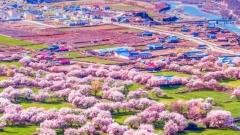

When most people think of Tibet, images of snow-capped mountains, arid air, and vast high-altitude plateaus usually come to mind. However, hidden deep within the Yarlung Tsangpo Grand Canyon, Medog (meaning “Hidden Lotus” in Tibetan) completely upends these expectations. Once famous as the last county in China to be connected by a paved highway, Medog stands out as a vibrant, lush, and ecologically diverse subtropical rainforest oasis on the Qinghai-Tibetan Plateau.
Key Takeaways
-
Unique Topography & Climate: “Medog” means “Hidden Lotus” in Tibetan. Located on the southern slope of the eastern Himalayas, it is the lowest, rainiest, and most forested region in the Tibetan Plateau, boasting a dramatic vertical climate from glaciers to tropical rainforests.
-
Rich Cultural Heritage: Medog is the traditional homeland of the Monpa and Lhoba ethnic groups, featuring distinctive stilt wooden architecture, exquisite bamboo and rattan craftsmanship, and unique ancestral customs.
-
Top-Tier Local Cuisine: Centered around the world-famous Medog Stone Pot Chicken (slow-cooked with wild herbs and local free-range chicken in a hand-carved soapstone pot), complemented by Monpa bamboo rice, Xiangba meat, stone-pot fish, wild stream fish, and tropical fruits.
-
Breathtaking Attractions: Highlights include the majestic Guoguotang Great Bend of the Yarlung Tsangpo River, rainforest waterfalls (Galongla Waterfalls), and an unforgettable overland adventure along the Zhamog or Paimog Highways.
Natural Wonders & Climate: Four Seasons on One Mountain
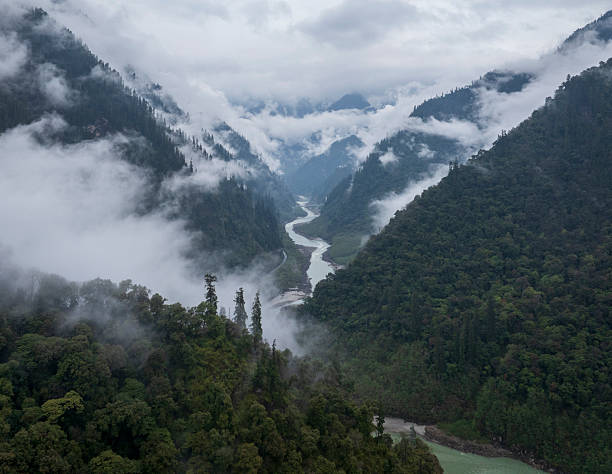
Located in southeastern Tibet under Nyingchi City, Medog sits on the southern slopes of the eastern Himalayas. The terrain drops dramatically by thousands of meters from north to south. Warm, humid air currents from the Indian Ocean travel north along the Yarlung Tsangpo Grand Canyon, creating an exceptionally warm and rain-rich microclimate.
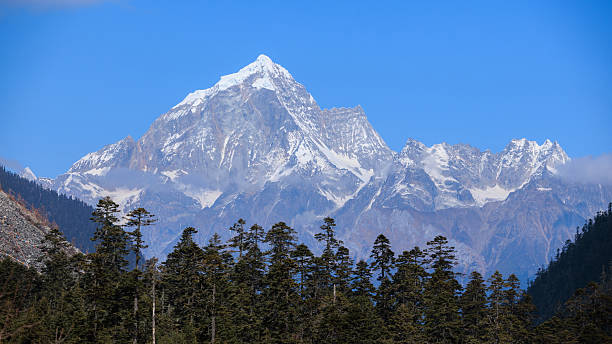
A Living Museum of Vertical Climate Zones: Ranging from snow-covered glaciers at over 4,000 meters down to sub-alpine coniferous forests, evergreen broad-leaved forests, and tropical rainforests below 1,000 meters, travelers can experience the transition from winter to summer in a single day.
An Oxygen-Rich Sanctuary: With a forest coverage rate exceeding 80%, Medog offers humid, oxygen-rich air, making it free from the dryness and severe hypoxia often associated with high-altitude travel.
Top Attractions & Hidden Gems in Medog
Guoguotang Great Bend of the Yarlung Tsangpo River
Located in Dexing Township, the Guoguotang Great Bend is a magnificent 180-degree U-shaped meander carved by the surging Yarlung Tsangpo River. Viewed from the observation platform, the emerald river loops around a central green ridge shaped like a giant blooming lotus.
Galongla Snow Mountain & Waterfalls
Galongla Mountain serves as the natural gateway to Medog. Before entering the Galongla Tunnel, you are surrounded by snow and ice; upon exiting, the scene instantly transforms into sheer cliffs wrapped in tropical greenery, mist, and cascading waterfalls.
Zhamog & Paimog Highway Overland Routes
The Zhamog Highway (Bomi to Medog) and Paimog Highway (Mainling Pai Town to Medog) are celebrated engineering feats built across complex geological terrains. Driving along these winding mountain roads through clouds, waterfalls, and rainforest vegetation offers a thrilling adventure for overland travelers.
Cultural Heritage: Homelands of the Monpa and Lhoba People
Medog is not only rich in natural scenery but also serves as the primary home for the Monpa and Lhoba ethnic minorities, showcasing a cultural atmosphere distinct from central Tibet or Kham:
Traditional Stilt Wooden Houses: To adapt to Medog’s humid, rainy climate, traditional Monpa and Lhoba homes are built as two-story wooden stilt structures. The lower level keeps wild animals out and prevents moisture, while the upper level serves as living quarters.
Exquisite Rattan & Bamboo Craftsmanship: Abundant local bamboo and rattan resources enable Monpa artisans to weave durable and intricate backpacks, chairs, baskets, and daily utensils.
Unique Folk Customs: Visitors can experience authentic Monpa songs, traditional dances, festival celebrations, and local nature-revering customs.
Taste of Medog: Authentic High-Altitude Delicacies
Thanks to its warm climate and rich natural resources, Medog’s food culture blends Tibetan culinary traditions, tropical forest treasures, and the cooking wisdom of the Monpa and Lhoba communities:
Medog Stone Pot Chicken (The Signature Dish)
-
The Specialty: The ultimate must-try dish in Medog and the broader Nyingchi region.
-
The Soapstone Pot: The dish owes its signature flavor to pots hand-carved from natural soapstone quarried from local cliffs. This stone is rich in trace minerals and retains heat exceptionally well.
-
Ingredients: Free-range Tibetan chicken is simmered slowly in the stone pot alongside local wild herbs such as hand ginseng (Gymnadenia), angelica, milkvetch root, and mountain mushrooms.
-
Flavor Profile: The broth turns rich and milky white, offering a deeply savory, nourishing, and aromatic flavor profile.
Monpa Bamboo Rice & Bamboo Wine
-
The Specialty: Freshly harvested bamboo tubes are filled with glutinous rice, cured bacon bits, mushrooms, and local wild spices, sealed, and roasted over charcoal.
-
Flavor Profile: The rice absorbs the fragrant aroma of fresh green bamboo and savory bacon. It pairs perfectly with locally fermented Monpa bamboo or corn wine.
Xiangba Meat & Grilled Stream Fish
-
The Specialty: Xiangba meat is a traditional Monpa preserved meat prepared by marinating fresh pork or beef with wild herbs before air-drying or smoking. Local stream fish caught from Yarlung Tsangpo tributaries are seasoned with spicy sauces and slow-grilled over charcoal.
-
Flavor Profile: Crispy on the outside, tender on the inside, and infused with rich mountain herbs.
Wild Mushroom & Fish Stone Pots
-
The Specialty: Beyond chicken, local soapstone pots are also used to simmer fresh seasonal wild mushrooms—such as matsutake, morels, and boletus—or cold-water fish caught from local rivers.
-
Flavor Profile: Clean, sweet, and rich in natural mountain umami.
Tropical Fruits & Organic High-Mountain Tea
-
The Specialty: Thanks to its subtropical weather, Medog is the only region in Tibet producing tropical fruits like bananas, plantains, lemons, and papayas.
-
High-Mountain Tea: Medog also features organic high-altitude tea plantations, producing green and black teas with thick leaves, rich aromas, and a smooth, sweet finish.
Practical Travel Tips for Medog
Best Time to Visit:
Spring (April – June): Mild weather, blooming rhododendrons, and lush rainforest growth make it ideal for hiking.
Autumn (September – November): The rainy season ends, road conditions stabilize, and clear skies offer the best views of the Yarlung Tsangpo Grand Canyon and snow peaks.
Border Permit Requirements:
Medog is a border zone. All travelers must obtain a Border Travel Permit (Border Pass) prior to entry, specifying “Medog County, Nyingchi City.”
Road Conditions & Safety:
Mountain roads in Medog can be affected by landslides during the heavy summer rain season (July – August). Always check road notices and weather forecasts before departing. Hiring an experienced local driver with a 4WD vehicle is highly recommended.
Insect Protection:
Due to the humid rainforest environment, leeches and insects are common along hiking trails. Wear long sleeves, high socks, and bring insect repellent when exploring outdoor trails.