
✨ Highlights:
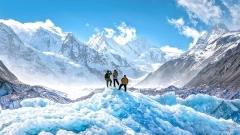
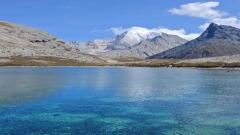
- ❄️ Rare half‑frozen transitional landscape: Witness Namtso’s one‑of‑a‑kind “half‑liquid, half‑iced” view: deep sapphire lake water mixed with translucent thin ice sheets, backed by snow‑capped Nyenchen Tanglha Mountains — scenery unavailable in summer.
- 🌿 Near‑zero‑crowd off‑peak experience: Visitor volume drops to only 30 % of summer peak. Enjoy quiet lakeshore wandering, undisturbed photography and genuine solitude with Tibet’s holy lake, no long queues at viewpoints.
- 📸 High‑success‑rate photography weather: Entering Tibet’s dry season, late‑November Namtso features abundant sunny days, little rainfall. Clear skies bring unobstructed mountain views, dramatic sunrise / sunset and brilliant stargazing opportunities.
- 🛡️ Milder & safest winter visiting window: Comparatively less harsh than December–February deep winter; mudslide‑related summer hazards disappear. Recommended Lhasa‑based one‑day tour avoids risky high‑altitude overnight accommodation.
- 💰 Great value for low‑season travel: Enjoy discounted scenic‑spot tickets, reduced costs for flights, hotels and private charters. Total travel expenses can drop by 30‑50 % versus peak summer months.
- 📋 Critical practical reminders included: Full guidance covering layered cold‑weather packing, wind‑chill climate notes, altitude‑sickness prevention and winter road safety tips for safe high‑elevation travel.
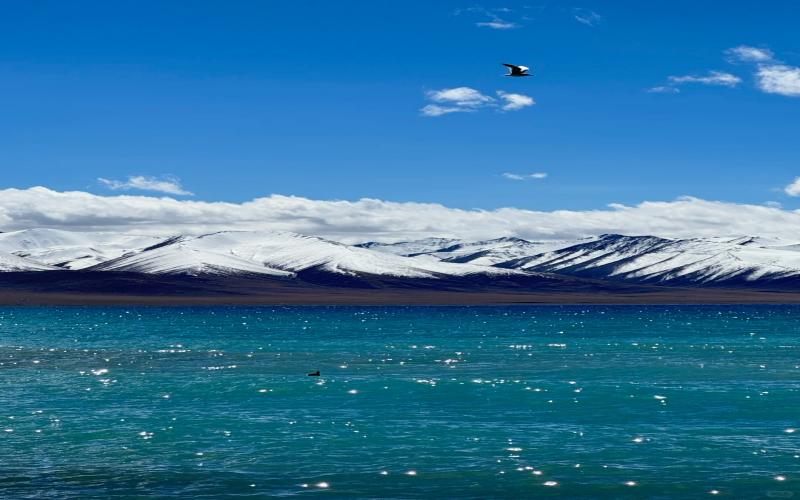
Namtso Lake
For travelers chasing authentic high‑altitude scenery and quiet off‑peak experiences in Tibet, a Namtso Lake visit in late November delivers something totally different from the busy summer tourist season. As winter begins to settle over northern Tibet, Namtso transitions into a partially frozen wonderland. You will find crystal‑clear blue open water mixed with newly formed thin ice, backed by snow‑capped Nyenchen Tanglha Mountains. Bright blue skies, thin crisp air, and almost no crowds combine to create a peaceful wilderness atmosphere highly prized by photographers and deep‑dive travelers. This practical piece serves as a concise Winter travel guide for Namtso Lake in Tibet, covering weather conditions, iconic winter sights, suggested itineraries, packing lists, altitude sickness prevention, and practical travel tips to help you plan a safe and rewarding trip to this sacred high‑altitude lake.
Why Visit Namtso Lake in Late November? Top Advantages
Most international tourists schedule their Tibet trips between June and October. However, visiting Namtso Lake in late November offers unique perks that peak‑season travel cannot match, making it one of the best windows for Tibet travel in late November.
First, you will enjoy peaceful scenery with far fewer visitors. Late November marks the official start of Tibet’s low tourist season. Visitor numbers around Namtso drop to roughly 30 % of summer peak levels. You will not face long queues at viewpoints or need to avoid crowds for photos. You can wander along the lakeshore in tranquility, sit and meditate beside the holy lake, and fully immerse yourself in the raw high‑altitude landscape. This is ideal for travelers seeking solitude and genuine connection with nature.
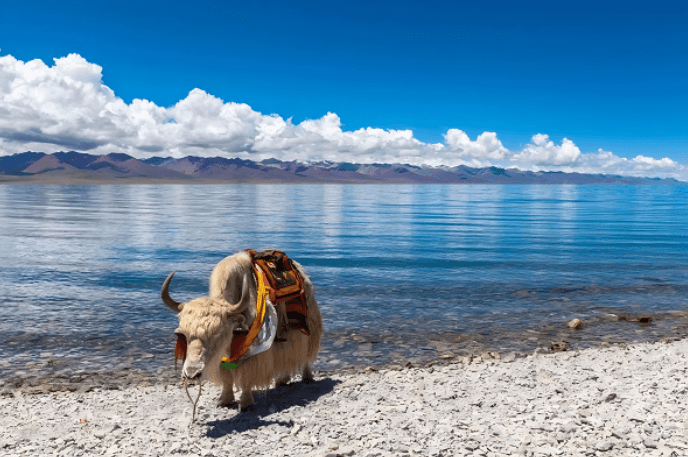
White Yak
Secondly, you get access to one‑of‑a‑kind partial‑freezing winter views. Late November is the critical transition period before Namtso becomes fully ice‑covered. You can witness the breathtaking “half‑liquid, half‑frozen” lake view: sections of the lake remain deep sapphire open water, while other stretches develop translucent thin ice sheets. Under bright sunlight, the ice refracts light into stunning shades of icy blue. Snow dusts the shoreline and surrounding mountain ranges. This special visual combination cannot be seen during summer months. As temperatures continue to drop through late November, ice sheets grow thicker, previewing the famous blue‑ice spectacle of deep winter. Every shot you take yields dramatic, high‑quality winter alpine photographs, perfect for those planning a Namtso Lake winter tour.
Thirdly, late November brings stable weather and a high percentage of sunny days. Tibet enters its dry season from late autumn onward. Namtso sees very little rainfall, and cloudy weather becomes rare. Thin cloud cover means you can usually enjoy unobstructed full views of the Nyenchen Tanglha massif, spectacular sunrises, sunsets, and brilliant night‑sky stargazing opportunities. Photography success rates are noticeably higher than in summer, when sudden rain and fog often obscure mountain views. Moreover, the Tibet winter travel policy brings discounted entry tickets for selected scenic spots, greatly improving overall travel value for money.
Late‑November Weather & Climate Conditions at Namtso Lake
If you plan to travel to Tibet in late November, understanding Namtso’s harsh plateau climate is essential for itinerary planning and packing. Sitting at 4,718 m above sea level, Namtso is the highest‑elevation sacred lake in Tibet. Late November features cold, dry conditions, huge day‑night temperature gaps and frequent strong lake winds.
Average daytime temperatures range from ‑5 °C to +5 °C. When direct sunlight hits, the perceived temperature becomes tolerable for outdoor sightseeing and photography. Once night falls, temperatures plummet sharply to between ‑15 °C and ‑25 °C. Strong 4–5 grade winds blow across the lake basin, making the wind‑chill effect far more severe than the thermometer reading.
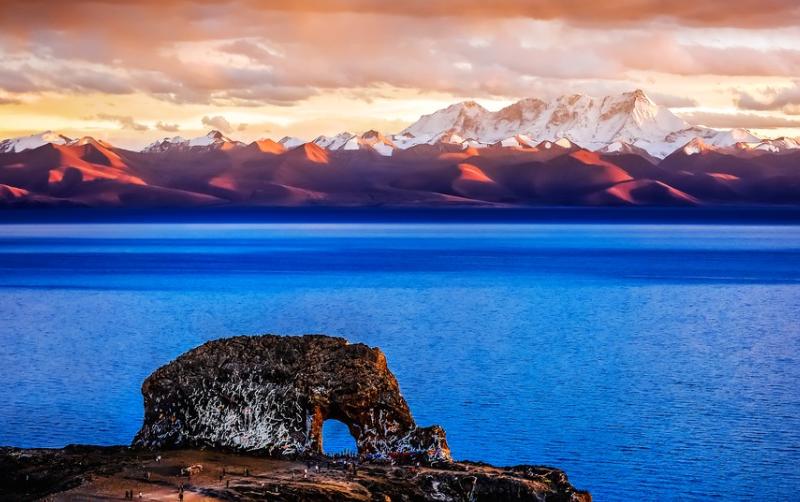
Namtso Sacred Elephant Gate
Although late November is dominated by clear sunshine, plateau weather remains changeable. Brief light snowfall may occur occasionally. Fresh snowfall usually creates even purer mountain‑and‑lake scenery and seldom disrupts travel arrangements. Even in cold winter, UV radiation stays intense. Sparse high‑altitude atmosphere provides little UV filtering. Extended time outdoors can cause sunburn. Snow‑surface reflection also raises the risk of snow blindness, so sun protection and eye protection are non‑negotiable preparation items.
Road conditions in late November are generally reliable. Summer‑type hazards such as mudslides and rockfalls no longer happen. Nevertheless, thin black ice may form on shaded road sections. Drivers must reduce speed and drive cautiously. Compared with December, when Namtso is completely frozen and severe winter storms are more frequent, late‑November conditions are comparatively mild. It represents the most forgiving winter window for a Namtso Lake visit.
Recommended Itinerary for Namtso Lake in Late November
Namtso Lake sits roughly 250 km north of central Lhasa, with a full round‑trip driving distance of about 500 km and a total travel time up to 10 hours. Following the mature one‑day excursion framework designed by Tibet Yulong Travel, a Lhasa‑Namtso day trip without an overnight stay is strongly recommended for all visitors planning late November Namtso Lake travel. This schedule eliminates the risks of extreme overnight cold, insufficient heating at lakeside accommodation, and aggravated altitude sickness at 4,718 m elevation, while still covering all core winter highlights of the sacred lake. Breakfast at your Lhasa hotel is included in this day’s itinerary, and you will return to your downtown hotel for the night.
Full One-Day Route: Lhasa → Northern Tibet Changtang Grasslands → Nagula Pass (5,190m) → Tashi Peninsula (Namtso Core Scenic Area) → Return to Lhasa
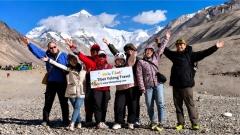
- Day 1: Arrive in Lhasa: Airport/Train Station Pick-up & Hotel Check-in
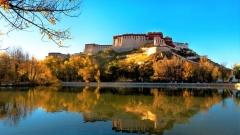
- Day 2: Discover Lhasa – Potala Palace, Jokhang Temple & Barkhor Street
- Day 3: Lhasa to Shigatse: Yamdrok Lake, Karola Glacier
- Day 4: Shigatse to Everest Base Camp: Gyatso La, Gyawu La, Sunset at Everest
- Day 5: Everest Base Camp to Shigatse: Mt. Everest Sunrise
- Day 6: Shigatse – Tashilhunpo Monastery – Lhasa
- Day 7: Lhasa to Namtso and Back: Namtso Lake, Northern Tibet Grasslands
- Day 8: Lhasa Departure: Transfer to Airport or Train Station
Packing List for Late‑November Namtso: Warmth, Safety & Photography‑Friendly Outfits
The core packing principle for Namtso Lake travel in late November is multi‑layer windproof thermal dressing and slip-resistant footwear, while keeping photo‑ready aesthetics in mind. Ordinary winter city clothing cannot resist the bitter plateau lake winds.
Clothing suggestions
Adopt a three‑layer dressing system. Wear moisture‑wicking thermal base layers (avoid pure cotton; cotton stays damp and causes chilling). Add fleece or thick wool sweaters as the insulating middle layer. For your outer shell, you absolutely need a windproof, water-resistant, heavy down jacket or professional hard‑shell parka to block fierce lake gusts. On lower‑body parts, choose wind‑proof fleece‑lined hiking trousers paired with thick thermal socks. Footwear must be waterproof, non-slip snow boots: lakeside ground contains rock fragments plus patchy thin ice; regular trainers lead to frozen feet and slipping accidents.
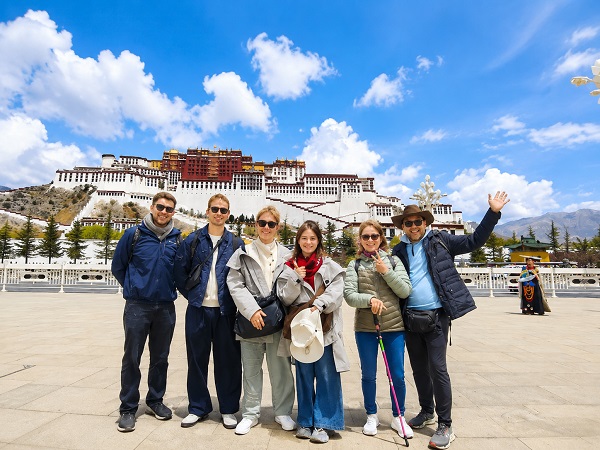
Cold‑weather accessories are mandatory: wind‑proof fur‑lined hat, thick scarf, waterproof insulated gloves and face mask to shield exposed skin from freezing wind. Sun‑protection gear remains essential: SPF50+ high‑factor sunscreen and UV‑blocking sunglasses defend against sunburn and snow‑blindness. Bright‑toned clothing such as red, white or golden‑yellow creates strong visual contrast against ice, snow and deep‑blue lake water, producing outstanding travel photographs.
Essential carry‑on items
Portable oxygen cans, oral glucose solution, altitude‑sickness relief medicine and headache tablets for high‑altitude discomfort. Bring an insulated thermos for constant hot drinks that help your body cope with high elevation. Prepare heat‑pack hand warmers for your body and also for your phone, since cold plateau temperatures quickly drain smartphone batteries. Carry power banks, cameras and wide‑angle lenses for landscape photography. Pack high‑calorie lightweight snacks like chocolate and beef jerky to replenish energy in cold surroundings.
Altitude‑Sickness Prevention & Critical Safety Guidelines
Namtso sits at 4,718, m, significantly higher than Lhasa. In late‑November winter, atmospheric oxygen content drops further compared with summer months, raising altitude‑sickness probability. Safe travel depends heavily on proper altitude adaptation.
Do not stay up late, avoid strenuous exercise and skip alcoholic drinks 1‑2 days prior to your Namtso excursion. Once you arrive at the lake area, slow down all physical movements. Never run, jump or walk rapidly. Keep breathing calmly and take slow walks.
Mild symptoms such as light headache, dizziness or shortness of breath are common altitude‑adaptation reactions. Sit down for rest, sip warm glucose water and use oxygen if needed. If you develop severe warning signs: heavy chest tightness, repeated vomiting or difficulty breathing, do not push through. Descend immediately toward lower elevation in Lhasa or Damxung. At La Ghen La Pass (5,190 m), limit your stop to a few minutes; wind and thin air amplify physical strain.
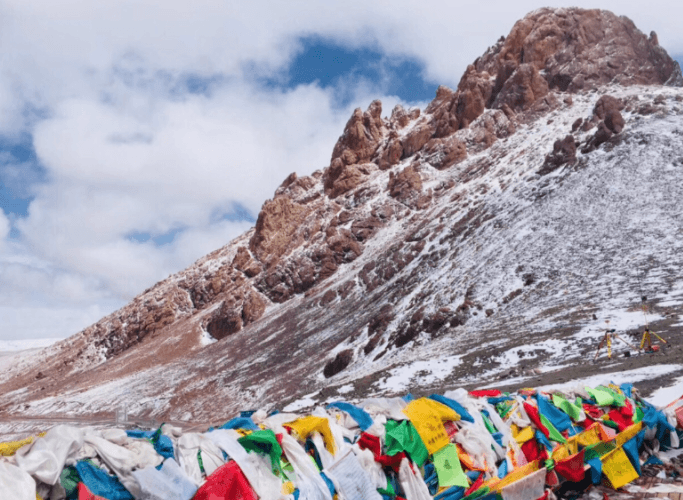
La Ghen La Pass
Respect winter road and lake safety rules. Drive slowly when you spot patchy ice. Never leave paved roads to reach unmarked remote shore sections: thin surface ice may collapse, and you risk getting lost. Strong gusts blow along the shore; maintain stable footing for photography and never step onto unknown lake‑ice. The dry winter plateau also demands consistent water intake plus lip balm and facial moisturizer to prevent chapped skin and cracked lips.
Practical Travel Tips & Common Pitfalls to Avoid
Many international travelers mistakenly believe Namtso closes for the whole winter. In fact, full‑scale seasonal closure normally occurs from late December through February. Namtso Lake remains open for visitors throughout late November. You can buy normal‑period entrance tickets. Still, quickly double‑check real‑time road conditions before departure in case short‑term bad weather creates temporary traffic controls.
You do not have to get up extremely early chasing sunrise. Sunrise happens late in late November, and pre‑dawn temperatures plus wind are brutal for casual travelers. The time window from noon until 3 p.m. delivers warmer air and ideal light, making it the most practical sightseeing slot.
Use oxygen cans rationally. Minor altitude discomfort can be relieved by rest and glucose. Over‑reliance on supplementary oxygen slows down your body’s natural plateau adaptation.
Take advantage of low‑season pricing. Late‑November belongs to Tibet’s off‑peak travel period. Air‑fare, hotel and private‑car‑charter costs drop substantially. Scenic‑spot discount policies apply. Your overall travel expenditure can decrease by 30‑50 % versus peak summer months. You get fewer crowds plus considerable cost savings.
Final Thoughts: Late‑November Namtso, Tibet’s Quiet Winter Gem
Free from summer crowds and tourist bustle, late‑November Namtso unfolds Tibet’s most mesmerizing winter palette: deep blue lake water intermingled with pale blue fresh ice, snow‑covered mountain ridges, fluttering prayer flags and vast clear skies. There is nothing but wilderness and the serene sacred lake.
For travelers hunting off‑the‑beaten‑path alpine beauty and authentic Tibetan quietness, a Namtso Lake visit in late November delivers an unforgettable Tibet travel experience. Seize this precious late‑November winter window. Prepare proper cold‑weather gear, learn altitude‑safety protocols, and journey to this frozen high‑altitude holy land. The icy‑blue winter scenery of Namtso will leave lasting highlights on your Tibet travel memory.