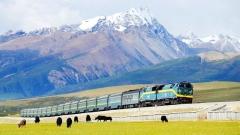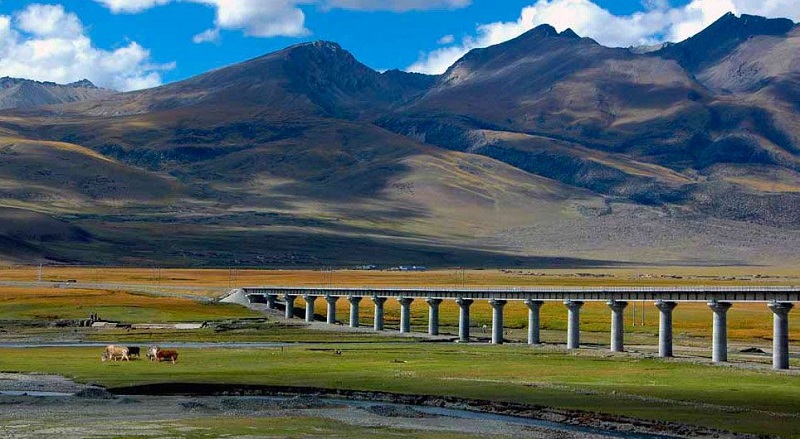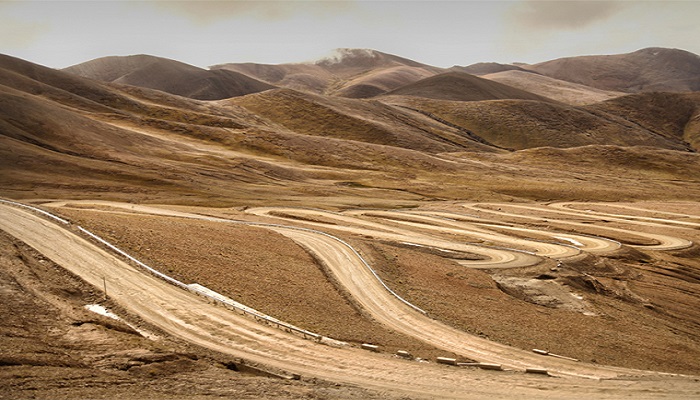

Tibet is a spiritual sanctuary that sits at the top of countless travelers’ bucket lists. It is a place of impossibly blue skies, endless snow-capped giants, and a profound, soulful tranquility. However, stepping onto the “Roof of the World”—with an average elevation exceeding 4,000 meters—comes with nature’s very first challenge: Acute Mountain Sickness (AMS), commonly known as altitude sickness.
Many who yearn to see Tibet hesitate or hold back due to a fear of the unknown. In reality, altitude sickness is simply a normal, temporary physiological adjustment your body undergoes when facing lower atmospheric pressure and reduced oxygen levels. By understanding and applying scientifically proven prevention, management, and dietary strategies, altitude sickness is entirely manageable, controllable, and treatable.
This ultimate survival guide is designed to help you easily cross the elevation barrier and safely enjoy every step of your Himalayan adventure.
What are the Symptoms of Altitude Sickness?
When we travel quickly from low-elevation regions to high altitudes (generally defined as anything above 2,500 meters), atmospheric pressure drops, leading to fewer oxygen molecules per breath. To adapt, your body initiates a series of natural regulatory responses.
-
Mild Symptoms: The most common symptoms include a mild headache (typically concentrated around the temples or the back of the head), slight dizziness, fatigue, loss of appetite, and mild nighttime insomnia. These symptoms usually peak within the first 24 to 48 hours of arrival and gradually subside within 3 to 4 days as your body acclimatizes.
-
Moderate to Severe Symptoms: If you experience a persistent, agonizing headache, unmanageable vomiting, blue or purple tinting of the lips and fingernails, extreme shortness of breath, or a racing heart even while completely at rest, these could be early warning signs of High Altitude Pulmonary Edema (HAPE) or Cerebral Edema (HACE). Medical attention and immediate oxygen therapy are mandatory in these cases.
How to Prevent Altitude Sickness Before Arriving
Prevention is always more effective than treatment. Taking these deliberate steps before setting foot in Tibet will significantly reduce your chances of experiencing severe symptoms:
Rest Management and Medical Support
-
Two weeks before departure: Prioritize getting plenty of deep sleep, avoid staying up late, and do not overwork your body. This is a good time to begin taking herbal supplements like Rhodiola rosea, which can help improve your circulatory system’s overall oxygen-carrying efficiency.
-
One to two days before departure: Consult a physician or professional pharmacist regarding preventative Western medications like Acetazolamide (commonly known as Diamox). This is globally recognized as an effective aid in preventing acute mountain sickness and is typically started 24 hours before ascending.
Design a “Staircase” Itinerary
-
When planning your arrival, it is highly recommended to make your first stop a relatively lower-altitude region (such as Nyingchi, which sits at roughly 2,900 meters and boasts lush, oxygen-rich forests). Alternatively, spend your first two days resting quietly in Lhasa (3,650 meters) before venturing out to regions above 4,500 meters like Namtso Lake, Shigatse, or Mount Everest Base Camp. Let your body adjust to the elevation gradually, layer by layer.
The “Reverse Training” Concept
-
Many travelers assume they should ramp up intense cardio workouts right before their trip. This is a common misconception! You should actually stop intense exercise and high-intensity aerobic training one week prior to departure. Larger muscle mass or an overly accelerated metabolism increases your body’s baseline oxygen consumption at high altitudes.
What to Do Upon Arrival
The moment your plane touches down at Lhasa Gonggar Airport or your train glides into Lhasa Station, you are officially standing on the plateau. During your first 48 hours, treat these golden rules as absolute law:
-
Absolutely no showers or hair-washing on Day 1: Taking a hot shower dilates your blood vessels and accelerates your circulation, significantly increasing oxygen consumption in your heart and brain. This can instantly trigger severe headaches or lead to catching a cold. A cold at high elevations can easily escalate into a serious lung infection.
-
Move in slow motion: Adopt a slower pace for everything. Speak slower, walk slower, and strictly avoid running, jumping, intense laughing, or lifting heavy luggage.
-
Use oxygen therapy correctly: For mild headaches or minor chest tightness, try deep, controlled breathing and lying down quietly first to let your body naturally adapt (over-relying on oxygen immediately can prolong the time it takes your body to acclimatize). However, if your symptoms severely disrupt your sleep or daily movement, do not try to push through it—moderate oxygen intake will quickly relieve the discomfort and ensure your safety.
Culinary Secrets for Altitude Recovery
The low atmospheric pressure of the plateau naturally slows down gastrointestinal motility. Therefore, what you eat during your stay in Tibet is incredibly important:
-
High Carbs, Low Fats, 70% Full: Focus your lunches and dinners around easily digestible carbohydrates like rice, Tibetan noodles, and porridges. Avoid overeating—stop when you feel about 70% full. This prevents massive amounts of blood from rushing to your stomach for digestion, which would otherwise worsen oxygen deprivation in the brain.
-
Hydrate Constantly, Avoid Alcohol: The plateau air is bone-dry, and breathing faster causes you to lose moisture rapidly. You must drink 2.5 to 3 liters of warm water daily. Additionally, avoid alcohol entirely during your first few days; alcohol expands blood vessels and suppresses your respiratory center, heavily exacerbating altitude sickness.
-
Incorporate Local Healing Foods: The butter tea that locals enjoy at lunch or dinner is actually a fantastic natural remedy. The butter lubricates cracked lips and dry airways, while the tea leaves act as a natural diuretic, helping to reduce brain swelling. Furthermore, loading up on Vitamin C (via fresh fruit or supplements) helps protect cells against oxygen-deprived stress.
Relax Your Mind, the Sacred Mountains are Waiting
Among all the triggers for altitude sickness, there is a powerful invisible factor: psychological anxiety. Being overly stressed, tense, or fearful causes your heart rate to spike and your breathing to shallow, which directly worsens AMS.
Try to view altitude sickness as a welcoming gift from this sacred land. It is simply a gentle reminder that it is time for your soul and body—which have been running so fast in the modern world—to finally slow down. Approach nature with reverence and a relaxed mind, and you will find that the mountain breeze on the roof of the world is incredibly gentle.