✨ Highlights:
- 🏔️ Plateau Fragility: Tibet’s high-altitude ecosystem is extremely delicate; ecological damage can take decades or centuries to recover, making mindful travel behaviour essential for international visitors.
- 🌱 Three Pillars of Sustainable Travel: Tibet responsible sustainable travel for international tourists rests on ecological sustainability, cultural sustainability and economic sustainability, protecting nature, respecting traditions and supporting local Tibetan communities.
- 📜 Cultural Respect: Following cultural etiquette for international visitors to Tibet helps travellers avoid cultural missteps during monastery visits and interactions with local residents.
- ♻️ Practical Advice: Simple eco-friendly travel tips for Tibet, such as Leave No Trace principles, cutting plastic waste and keeping distance from wildlife, lower your travel footprint on the plateau.
- 📖 Complete Travel Framework: A responsible travel guide for international tourists to Tibet covers pre-trip preparation, on-location rules and post-trip advocacy for ethical tourism.
- 🤝 Community Benefit: Sustainable tourism in Tibet prioritises local operators, homestays and handmade goods, ensuring tourism income stays within Tibetan families rather than external corporations.
- 🧳 Regulatory & Safety Notes: International visitors must use licensed travel agencies and registered guides, as independent travel is not permitted, forming a foundation of responsible plateau tourism.
- 🔮 Long-term Vision: Sustainable travel will continue to shape Tibet inbound tourism, creating authentic community experiences while safeguarding the plateau’s natural and cultural heritage for future generations.
Nestled on the world’s highest plateau, Tibet is a one-of-a-kind travel destination featuring pristine alpine ecosystems, profound Tibetan Buddhist culture, and unique highland landscapes. For international tourists, a trip to Tibet is far more than a regular vacation—it is a spiritual journey that connects humans with nature, history, and ethnic culture. However, the fragile high-altitude environment and centuries-old traditional culture of Tibet are extremely vulnerable to improper tourism behaviors.
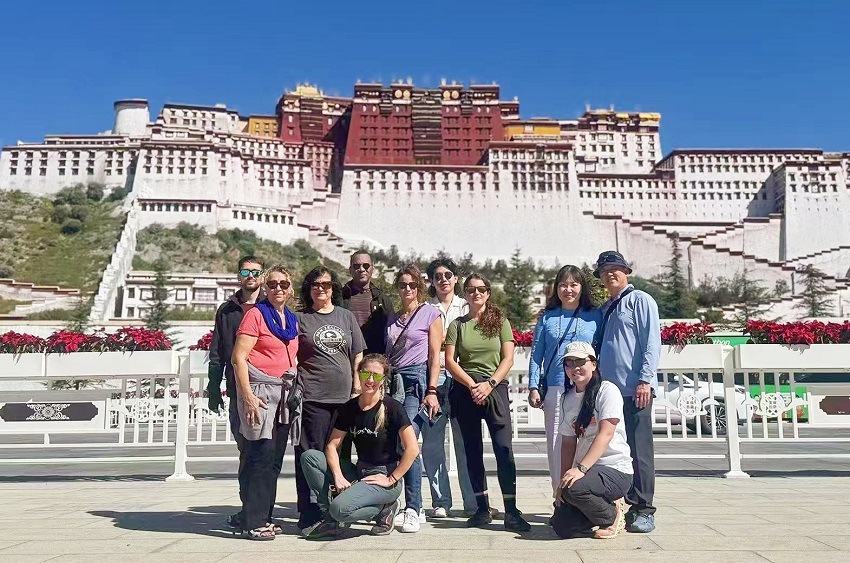
Potala Palace
This makes Tibet responsible sustainable travel for international tourists an essential principle for every overseas visitor exploring this sacred land. Sustainable and responsible travel not only protects Tibet’s natural heritage and cultural diversity but also enables international travelers to experience the most authentic, profound, and long-lasting charm of the plateau while supporting the long-term development of local communities. As global eco-tourism concepts continue to spread, sustainable tourism in Tibet has gradually become the mainstream travel standard for overseas tourists visiting the plateau.
Why Responsible Sustainable Travel Matters for Tibet Tourism
Tibet’s unique geographical and ecological characteristics determine that ordinary mass tourism models are not suitable for this highland region. Located at an average altitude of over 4,000 meters, the Tibet Plateau boasts glacier resources, alpine wetlands, rare plateau wildlife, and headwaters of major Asian rivers. Its ecological restoration cycle lasts for decades or even centuries. A single random trampling on alpine meadows, casual littering, or unauthorized entry into unprotected zones can cause irreversible damage to the local ecosystem. Unlike ordinary tourist destinations, the plateau’s ecological fragility means that every travel behavior of international tourists will have a direct impact on the local natural environment, making standardized and environmentally friendly travel behaviors particularly critical.
In terms of culture, Tibet retains intact traditional Tibetan folk customs, religious rituals, and intangible cultural heritage passed down through generations. Monasteries, sacred lakes, and traditional villages are not merely tourist attractions but sacred carriers of local beliefs and ethnic traditions. Blind commercial tourism development and inappropriate tourist behaviors will erode local cultural traditions, disrupt the lifestyle of Tibetan residents, and dilute the original charm of plateau culture. Therefore, mastering professional cultural etiquette for international visitors to Tibet is a basic prerequisite for every overseas traveler to respect local customs and achieve harmonious travel experiences.
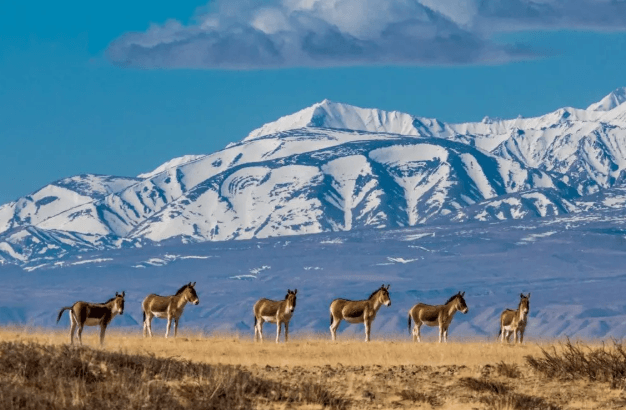
Wild animals
Responsible sustainable travel solves these core contradictions. It balances international tourists’ travel experience with ecological protection, cultural inheritance, and local economic development. Unlike superficial sightseeing tourism, sustainable travel focuses on long-term value: protecting Tibet’s fragile ecology, respecting local religious and cultural traditions, driving inclusive income growth for Tibetan communities, and ensuring that future generations can also enjoy the pure beauty of the Tibet Plateau. For international tourists, adhering to the core concept of Tibet responsible sustainable travel for international tourists is not a travel restriction but the key to accessing the most authentic and touching plateau travel experience.
Core Connotations of Tibet Responsible Sustainable Travel for International Tourists
Responsible and sustainable travel in Tibet for international tourists covers three core dimensions: ecological sustainability, cultural sustainability, and economic sustainability. These three parts complement and support each other, forming a complete ethical travel system suitable for Tibet’s regional characteristics, and also constitute the core content of a professional responsible travel guide for international tourists to Tibet.
Ecological Sustainability: Protect Fragile Highland Ecosystems
Ecological protection is the top priority of Tibet sustainable tourism. The high-altitude plateau has low vegetation coverage, harsh climatic conditions, and extremely weak ecological self-repair capabilities. International tourists must abide by the “Leave No Trace” travel principle throughout their journey. This includes strictly walking on marked tourist trails, avoiding stepping on alpine meadows and wetland vegetation, and never entering unopened no-man’s lands, cliff areas, and frozen lake zones to carry out risky exploration activities. Grasping practical eco-friendly travel tips for Tibet can help tourists effectively reduce their ecological footprint and protect the purity of the plateau environment.
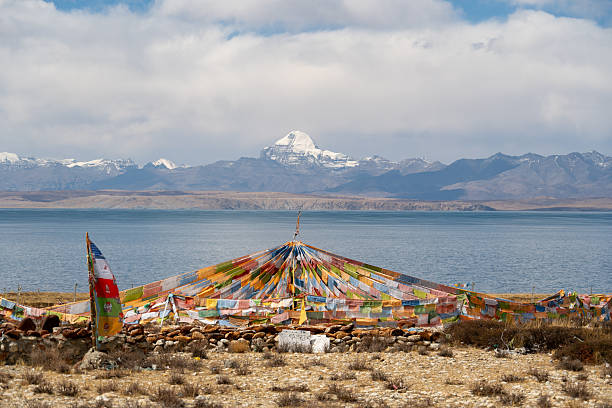
The scenery of Mount Kailash
In addition, reducing plastic pollution is a key ecological travel requirement. Remote areas of Tibet lack perfect garbage collection and treatment systems, and plastic waste left behind will permanently damage the plateau environment. Sustainable travel advocates international tourists to carry reusable water bottles, replace disposable tableware with portable environmentally friendly tableware, and use biodegradable toiletries during hiking and camping. All travel waste must be carried out of scenic areas and disposed of in designated garbage points. Meanwhile, tourists need to maintain a safe distance from plateau wild animals such as Tibetan antelopes and black-necked cranes, avoid feeding and disturbing wild creatures, and protect the integrity of the plateau biological chain.
Cultural Sustainability: Respect Local Traditions and Religious Ethics
Tibet’s cultural charm lies in its pure and original ethnic customs and religious culture. Responsible travel requires international tourists to take the initiative to understand and respect local cultural taboos and religious etiquette before traveling. When visiting monasteries, tourists need to keep quiet, avoid loud noises, refrain from randomly touching Buddha statues, religious utensils and prayer wheels, and strictly follow the guidance of professional guides and monastery staff. Respecting religious etiquette is the most intuitive embodiment of cultural respect and is also a key part of sustainable plateau travel.

In daily travel, tourists should respect the living habits and dress customs of Tibetan residents, avoid taking photos of local residents, religious ceremonies and private buildings without permission, and refuse all behaviors that disrespect local culture. Sustainable cultural travel also emphasizes in-depth cultural experience rather than superficial commercial sightseeing. Tourists are encouraged to participate in standardized local cultural experience projects, understand Tibetan intangible cultural heritage such as thangka painting, Tibet opera and Tibetan handicrafts, and realize the inheritance and protection of plateau culture through respectful communication and experience.
Economic Sustainability: Empower Local Community Development
True sustainable tourism must benefit local Tibetan communities. Many international tourists choose high-end customized tours, and responsible travel advocates prioritizing local tourism resources and services. This includes choosing legally registered local travel agencies, hiring licensed local Tibetan guides and drivers, and staying in local characteristic homestays and environmentally friendly hotels. This model not only optimizes the tourist experience but also injects stable impetus into the local tourism industry, promoting the benign development of sustainable tourism in Tibet.
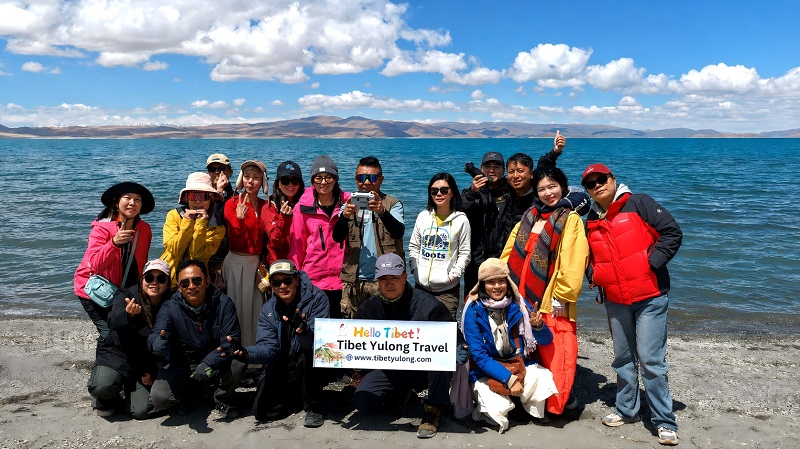
In terms of consumption, tourists are encouraged to buy handmade Tibetan handicrafts, local specialty agricultural and pastoral products directly from local residents, avoiding overpriced commercial tourist goods in scenic spots. This direct consumption model can maximize tourism income to local families, help Tibetan residents increase their income, promote the inheritance of traditional handicrafts, and form a virtuous cycle of “tourism development – community income growth – cultural and ecological protection”. At the same time, standardized tourism consumption can eliminate irregular tourism behaviors such as forced shopping and hidden consumption, bringing a healthy and sustainable tourism market environment to Tibet.
As a locally rooted travel company based in Tibey, our team consists of local plateau professionals. We design custom itineraries aligned with responsible travel principles. We work directly with local Tibetan guides, drivers and community homestays, ensuring your travel spending benefits local communities and follows the philosophy of Tibet responsible sustainable travel for international tourists.

Practical Responsible Travel Guidelines for International Tourists in Tibet
To help international tourists better practice Tibet responsible sustainable travel for international tourists, we have sorted out operable travel norms covering pre-trip preparation, in-trip behaviors and post-trip influence, which are suitable for all overseas visitors traveling to Tibet. These systematic norms also form the core content of a professional and practical responsible travel guide for international tourists to Tibet.
Pre-trip: Standard Preparation and Concept Establishment
First, international tourists must abide by Tibet’s tourism management regulations. Independent travel for foreign tourists in Tibet is prohibited. All overseas visitors must book travel products through formal licensed travel agencies and apply for legal travel permits under the guidance of agencies. They must be accompanied by professional licensed guides throughout the trip, which is not only a safety guarantee but also the basic requirement of standardized responsible tourism.
Second, complete sustainable travel preparation. Learn basic Tibet cultural etiquette and religious taboos in advance, master useful eco-friendly travel tips for Tibet, understand the local ecological protection requirements, prepare reusable environmental protection supplies, and reduce the carrying of disposable plastic products. At the same time, reasonably plan the travel route, avoid blindly pursuing unpopular risky routes, and prioritize classic ecological and cultural protection routes formulated by official institutions.
During the Trip: Standardize Behaviors and Practice Environmental Protection
During the journey, tourists need to always adhere to ecological protection norms: do not trample on vegetation, do not pollute water sources of sacred lakes and rivers, do not discard any garbage, and take the initiative to cooperate with the scenic area’s garbage classification and recycling work. When hiking in high-altitude areas, follow the guide’s arrangement, do not leave the team without permission, and avoid damaging the plateau ecological environment.
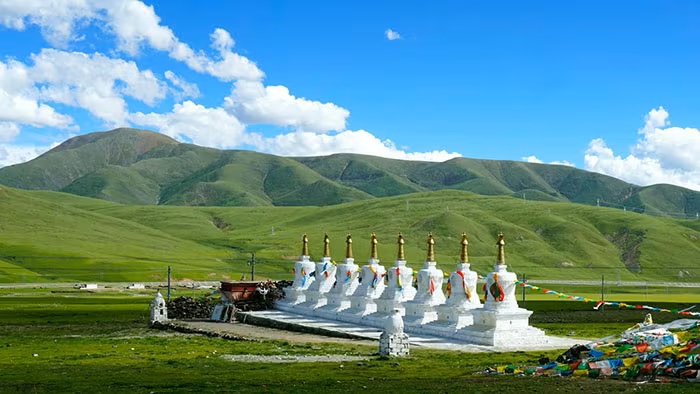
Nagqu Grasslands
In terms of cultural behaviors, abide by standardized cultural etiquette for international visitors to Tibet, maintain a respectful attitude in all religious and folk occasions, dress appropriately when visiting monasteries, avoid excessive exposure, and respect local religious beliefs and folk customs. At the same time, actively support local tourism services, choose local catering, accommodation and transportation resources, and reduce the use of external commercial chain resources, so that tourism benefits can truly feed local communities.
Post-trip: Disseminate Sustainable Travel Concepts
Responsible sustainable travel does not end with the end of the trip. After returning, international tourists can share authentic Tibet travel experiences on social platforms, spread positive sustainable tourism concepts, correct biased misunderstandings about Tibet tourism, and advocate more global tourists to choose ethical and environmentally friendly travel methods. At the same time, give feedback on travel problems to official institutions and travel agencies, help optimize Tibet’s sustainable tourism service system, and promote the continuous upgrading of plateau tourism quality.
Local Institutional Measures to Support Sustainable Tourism in Tibet
The sustainable development of Tibet tourism cannot be separated from the standardized guidance and professional support of local institutions. In recent years, Tibet cultural and tourism authorities and formal travel agencies have continuously improved the sustainable tourism service system, providing strong guarantees for international tourists’ responsible travel and further promoting the high-quality development ofsustainable tourism in Tibet.

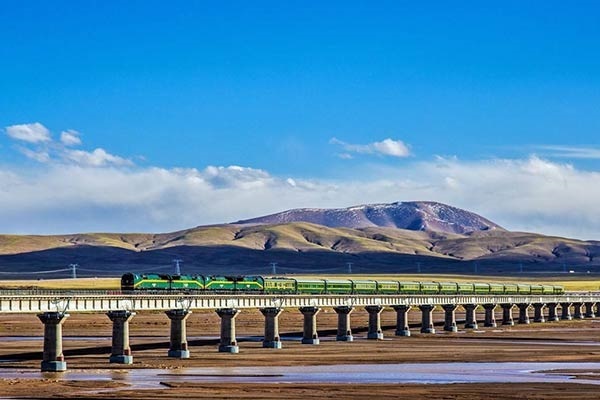
Tanggula Pass
Formal local travel agencies have launched a series of environmentally friendly travel measures: distributing special garbage bags for tourists during the trip, uniformly recycling travel waste, providing boiled water refills to replace disposable plastic water bottles, and optimizing tour routes to avoid ecologically fragile areas. Before departure, professional guides will provide tourists with sustainable travel guidebooks, popularize ecological protection knowledge and cultural etiquette norms, and help overseas tourists establish responsible travel awareness centered on Tibet responsible sustainable travel for international tourists.
In terms of scenic area management, all core scenic spots in Tibet have completed ecological protection upgrades, set up standardized tourist passages and protection signs, strictly control the number of daily visitors, avoid excessive tourism development leading to ecological pressure, and realize the balanced development of tourism experience and ecological protection. At the same time, the local government has increased support for community tourism, trained a large number of local professional tour guides and service personnel, and promoted the sustainable and healthy development of tourism economy.
The Future of Responsible Sustainable Travel in Tibet
With the continuous upgrading of global eco-tourism and ethical travel concepts, Tibet responsible sustainable travel for international tourists has become the core trend of Tibet’s foreign tourism development. In the future, Tibet will further optimize the sustainable tourism system, launch more personalized ecological tourism and cultural experience routes, balance high-quality travel experience with ecological and cultural protection, and create a global model of plateau sustainable tourism.
More in-depth community tourism projects will allow international tourists to integrate into local Tibetan life, experience traditional production and life methods, and realize zero-distance cultural communication. At the same time, with the help of digital tourism technology, Tibet will realize precise ecological protection and intelligent tourism management, further reduce the environmental impact of tourism activities, and maintain the unique plateau ecological and cultural charm for a long time.
Conclusion
Tibet’s beauty lies in its purity and originality, which is the most precious natural and cultural heritage on the earth. For every international tourist, traveling to Tibet is a precious encounter, and practicing responsible sustainable travel is an unshirkable responsibility. Adhering to ecological protection, respecting local culture, and empowering community development are the three core principles of Tibet sustainable tourism.
Tibet responsible sustainable travel for international tourists is not only a travel norm but also a travel attitude and spiritual pursuit. Only when every overseas tourist practices ethical travel behaviors, every tourism institution adheres to sustainable development concepts, and local communities continue to inherit excellent culture, can Tibet’s snow-capped mountains, holy lakes, and thousand-year-old Tibetan customs be permanently preserved. Let responsible and sustainable travel become the exclusive label of Tibet plateau tourism, allowing more global travelers to feel the pure beauty of the plateau and realize the harmonious coexistence of humans, nature and culture.