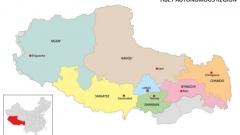

✨ Highlights:
- 🕯️ Sacred Timing: Saga Dawa Festival, also known as Buddha Month, honors Buddha’s birth, enlightenment and nirvana, with the 15th day of the Tibetan calendar fourth month as the grandest celebration.
- 🚶 Authentic Pilgrimage Experience: Explore iconic kora routes including Barkhor Street in Lhasa and the Mount Kailash kora, the core highlight for Saga Dawa Festival Tibet Travel.
- 🏯 Top Destinations: Immerse in festival vibes across Lhasa, Ngari, Shigatse and Gyantse for a genuine Sacred Tibet cultural tour Saga Dawa Festival.
- 📜 Cultural & Religious Insights: Learn local customs, temple rituals and essential etiquette for Travel to Tibet during Saga Dawa Festival.
- 🗺️ Practical Planning Tips: Get curated itinerary ideas, high‑altitude safety advice and travel etiquette for your Saga Dawa Festival pilgrimage tour Tibet.
- 🎭 Unique Cultural Value: A meaningful Saga Dawa Festival cultural tour Tibet combines breathtaking plateau landscapes with living Tibetan Buddhist traditions.
If you are looking for a unique spiritual and cultural travel experience in Tibet, the Saga Dawa Festival is undoubtedly the best choice. As the most solemn and sacred religious festival in Tibetan Buddhism, Saga Dawa Festival gathers countless pilgrims and travelers from all over the world every year. Travel to Tibet during Saga Dawa Festival allows you to escape the triviality of daily life, immerse yourself in the pure religious atmosphere of the snow-capped plateau, witness authentic Tibetan folk customs, and feel the profound charm of Tibet’s traditional culture. This in-depth Saga Dawa Festival Tibet Travel guide will fully introduce the festival’s origin, core activities, classic travel routes, travel tips and unique travel experiences, helping you plan a perfect Tibet festival journey.
What Is Saga Dawa Festival: Origin and Core Meaning
Saga Dawa, also known as the “Buddha Month“, falls on the fourth month of the Tibetan calendar every year, and the 15th day of the fourth Tibetan month is the most grand and sacred day of the entire festival. This special festival has a history of thousands of years and carries the most devout beliefs of Tibetan people. It commemorates three major sacred events in the life of Sakyamuni Buddha: birth, enlightenment and nirvana, making it the most spiritually significant month in Tibetan Buddhism.
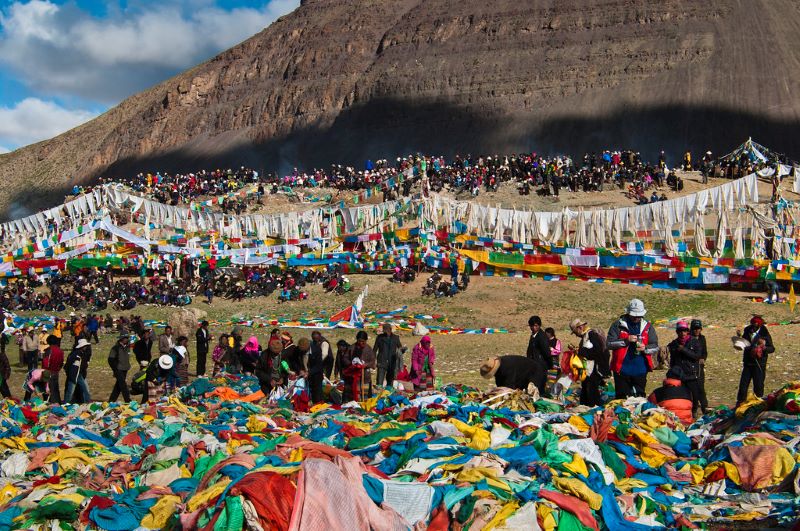
The term ‘Saga’ meaning ‘fourth’ and ‘Dawa’ meaning ‘month’ in Tibetan
In Tibetan religious culture, every good deed and spiritual practice during Saga Dawa Festival is believed to gain countless spiritual merits. Therefore, throughout the entire fourth Tibetan month, local Tibetans will abide by precepts, do good deeds, recite scriptures, and participate in pilgrimage activities. Unlike lively and noisy folk festivals, Saga Dawa Festival is dominated by piety and tranquility. It is not only a religious festival for Tibetan believers to cultivate their minds, but also a precious window for travel lovers to understand the core connotation of Tibetan culture. For every traveler pursuing spiritual healing and cultural exploration, a Saga Dawa Festival pilgrimage tour Tibet offers an irreplaceable high-end travel experience far beyond conventional plateau sightseeing.
The festival usually lasts for a full month, with the peak celebration centered on the 15th day of the fourth Tibetan month. In 2026, the Saga Dawa Festival runs from May 17 to June 15, and May 31 marks the grandest climax of the festival. During this period, the entire Tibet region, especially Lhasa and Ngari, is shrouded in a solemn and devout festive atmosphere, presenting a completely different plateau style from the ordinary tourist season.
Core Festival Activities: Authentic Experiences for Saga Dawa Festival Tibet Travel
The biggest highlight of traveling to Tibet in the Buddha Month is participating in local authentic festival activities, feeling the integration of faith and life, and experiencing the most genuine Tibetan customs. Different regions in Tibet have unique celebration forms, and the core activities are concentrated in Lhasa and Mount Kailash in Ngari, two core tourist destinations. A Saga Dawa Festival cultural tour Tibet focuses on these immersive local rituals rather than superficial scenic visits, letting travelers truly connect with Tibetan traditional culture and religious heritage.
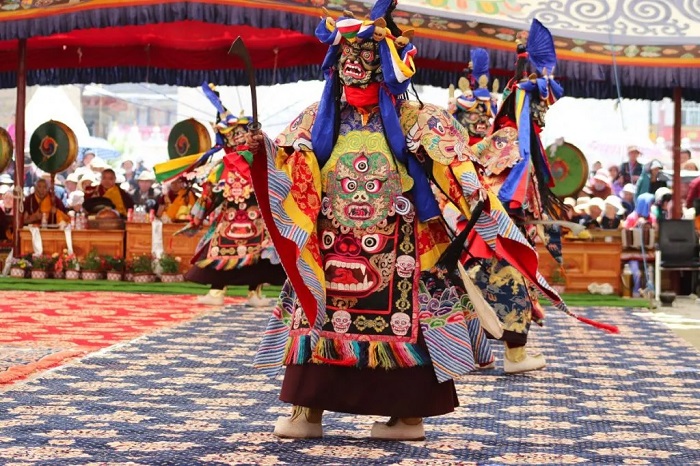
1. Sacred Kora Pilgrimage (Most Classic Experience)
Kora pilgrimage is the most core activity of Saga Dawa Festival. Every morning and evening during the festival, countless devout believers gather on the ancient pilgrimage roads, turning prayer wheels, reciting scriptures, and walking along the sacred routes. For travelers, following the pilgrims to complete a gentle kora is the best way to integrate into the festival atmosphere.
Lhasa has three classic kora routes suitable for tourists. The first is the Nangkor Line, an inner ring road around the main hall of Jokhang Temple, with a total length of about 500 meters. It is the most core and closest route to Buddhist rituals, allowing tourists to feel the solemn Buddhist atmosphere inside the temple up close. The second is the Barkhor Line, a 1000-meter middle ring road around Jokhang Temple, the most bustling pilgrimage road in Lhasa. Here, you can watch believers kneeling and kowtowing, listen to the rustle of prayer wheels, and experience the collision of faith and human fireworks. The third is the outer ring kora line around the old city of Lhasa, suitable for travelers who want to experience a long-distance pilgrimage and enjoy the panoramic style of Lhasa’s old city.
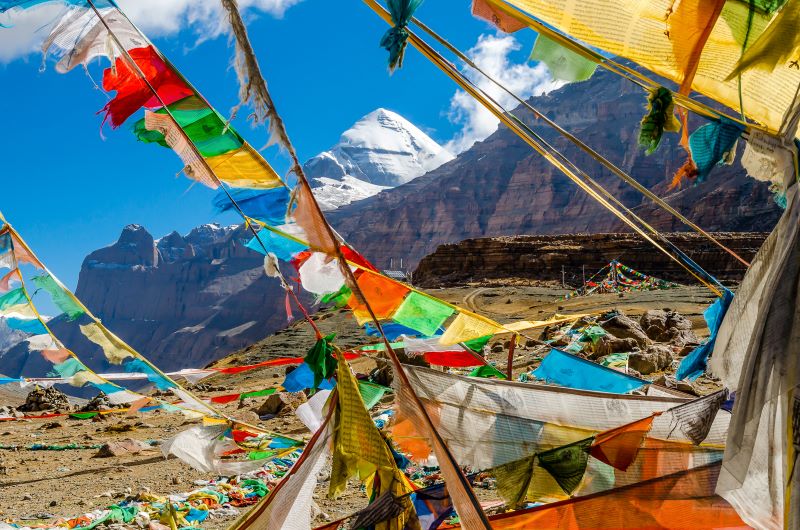
Sacred Mountain Kailash
In Ngari’s Mount Kailash, the most sacred mountain in Tibet, the kora activity is more grand. Thousands of pilgrims and global hikers gather here to complete the 52-kilometer Mount Kailash kora. Some devout believers finish the kora in one day, while others take more than a month to complete full prostrations. Travelers can choose a lightweight hiking experience to feel the shock of plateau faith against the backdrop of snow-capped mountains and holy lakes.
2. Buddha Worship and Scripture Recitation Ceremonies
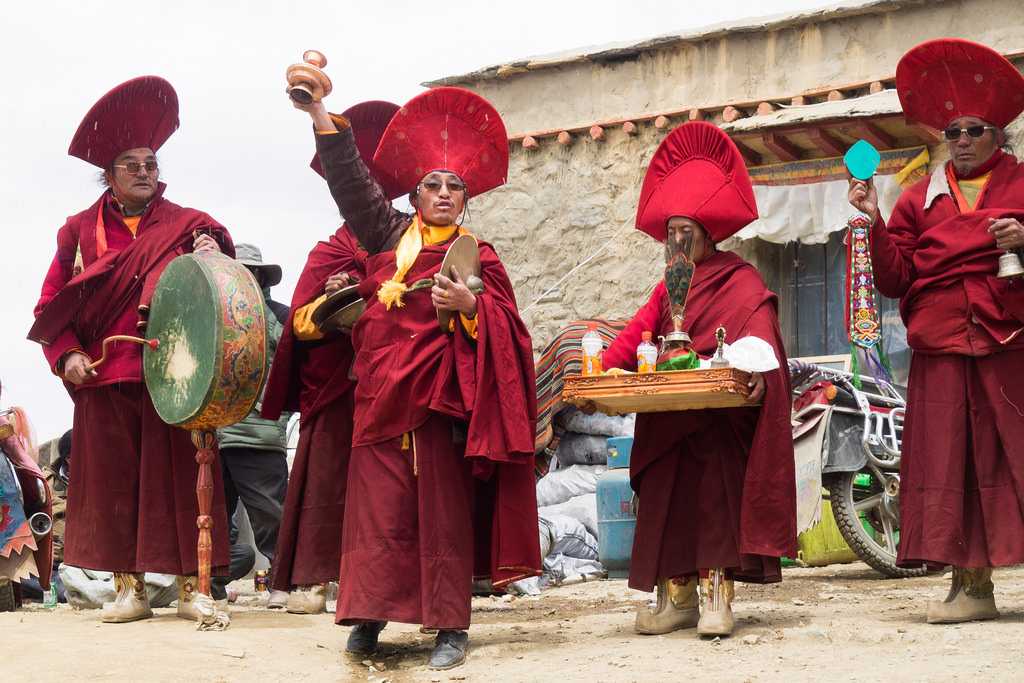
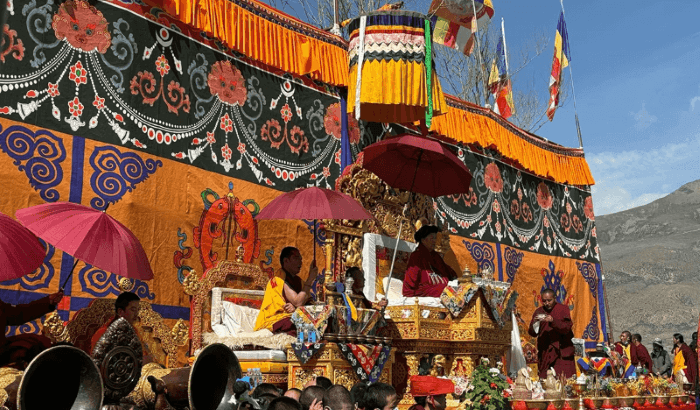
Major monasteries across Tibet, including Jokhang Temple, Potala Palace, Tashilhunpo Monastery in Shigatse, and Palkhor Monastery in Gyantse, will hold grand Buddhist ceremonies during Saga Dawa Festival. Monks will hold scripture recitation, Buddha worship and Dharma preaching activities, and the monasteries are filled with lingering incense and solemn chanting sounds.
Tourists can enter the monasteries in an orderly manner to watch the traditional Buddhist rituals, appreciate the exquisite Tibetan Buddhist murals and Buddha statues, and listen to the profound Dharma teachings. These exclusive festival rituals that are rarely seen in ordinary times make Saga Dawa Festival Tibet travel more unique and valuable, bringing a pure spiritual baptism different from conventional scenic spot tours.
3. Good Deeds and Blessing Activities
Doing good deeds and accumulating merits are the core traditions of Saga Dawa Festival. Local Tibetans will actively carry out almsgiving, animal release, poverty relief and other public welfare activities. Many families will suspend killing and meat eating, and maintain a simple and kind lifestyle. Travelers can participate in local public welfare activities in a standardized manner, experience the Tibetan people’s kindness and piety, and receive the most sincere festival blessings.
Best Travel Destinations for Saga Dawa Festival Tibet Travel
To experience the most authentic Saga Dawa Festival style, choosing the right travel destination is crucial. The following core scenic spots are the preferred choices for festival travel, combining religious characteristics and plateau natural scenery perfectly. A Sacred Tibet cultural tour Saga Dawa Festival covers these iconic destinations, balancing spiritual pilgrimage and natural scenery appreciation perfectly.
1. Lhasa: Core City for Festival Experience
As the capital of Tibet, Lhasa has the strongest festive atmosphere of Saga Dawa Festival. Barkhor Street and Jokhang Temple are the core gathering places of festival activities. During the festival, Barkhor Street is full of devout pilgrims, with prayer flags fluttering all over the street and butter lamps burning endlessly. Walking on the bluestone road with a history of thousands of years, you can feel the strong religious heritage everywhere.
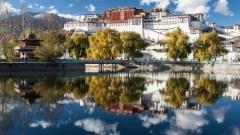
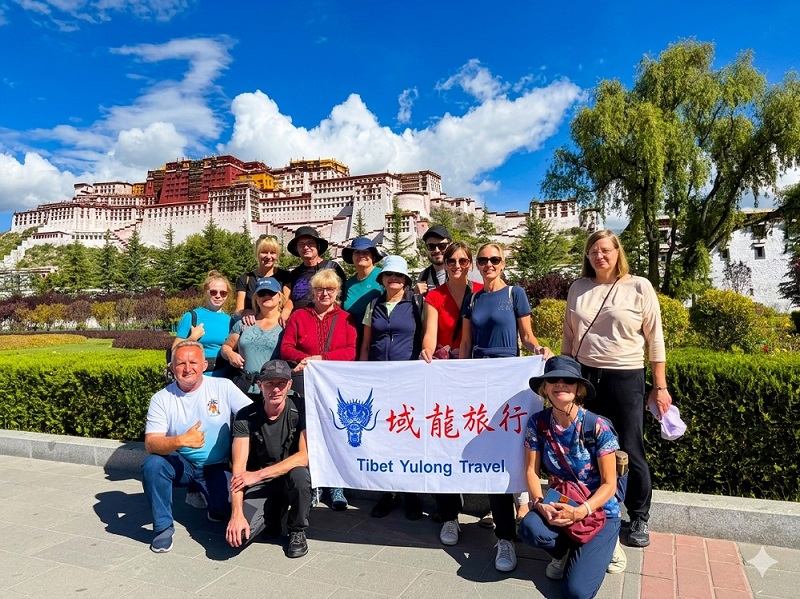
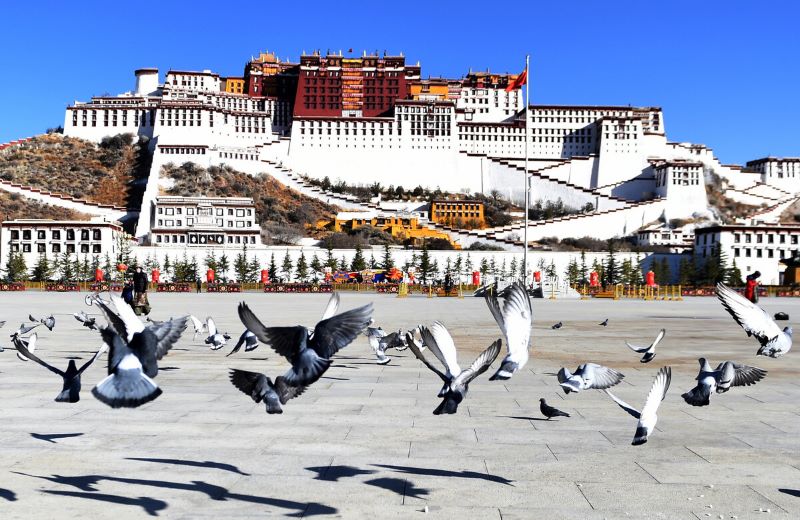
Potala Palace will also hold exclusive festival ceremonies. The golden roof of the Potala Palace shines brightly under the plateau blue sky, matching the devout believers coming and going, forming a shocking plateau festival picture. In addition, you can visit Namtso Lake nearby Lhasa. The blue lake water, white snow-capped mountains and flying prayer flags complement each other, allowing you to enjoy the pure natural scenery while experiencing religious culture.
Potala Palace
2. Mount Kailash & Lake Manasarovar: Ultimate Pilgrimage Land
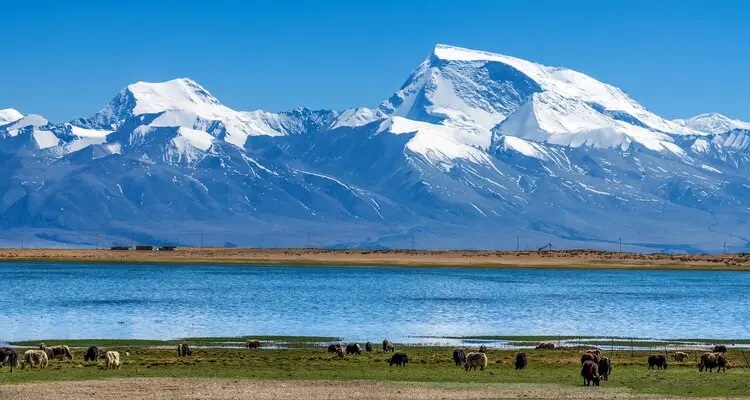
Ngari’s Mount Kailash and Lake Manasarovar are the most sacred pilgrimage lands in Tibet and the best destinations for in-depth Saga Dawa Festival Tibet travel. Every festival, countless believers and travelers come here for kora and blessing. Mount Kailash, known as the “King of Snow Mountains”, stands quietly on the plateau, with holy and solemn momentum. The clear Lake Manasarovar is known as the “Holy Lake”, symbolizing purity and goodness.
Traveling here during the Saga Dawa Festival, you can not only experience the grandest pilgrimage ceremony, but also enjoy the most primitive and magnificent plateau natural scenery. The integration of faith and nature makes people feel the vastness of heaven and earth and the power of inner peace, which is the best choice for spiritual healing travel.
Lake Manasarovar
3. Shigatse & Gyantse: In-depth Folk Experience
Shigatse and Gyantse in southern Tibet also hold rich Saga Dawa Festival activities. Tashilhunpo Monastery in Shigatse, the seat of the Panchen Lama, will hold grand Buddhist rituals, with complete and solemn religious procedures. Gyantse’s Palkhor Monastery and Kumbum Stupa retain the most original Tibetan Buddhist customs. Tourists can avoid the crowded crowds in Lhasa, experience more down-to-earth Tibetan folk customs, and taste authentic Tibetan meals such as butter tea and tsampa.
Practical Travel Tips for Saga Dawa Festival Tibet Travel
The Saga Dawa Festival has special religious attributes, and the Tibet plateau has a special geographical environment. Mastering the following travel tips can help you avoid misunderstandings, experience the festival better, and ensure a safe and pleasant trip.
1. Religious Etiquette (Most Important)
First of all, follow the kora direction: all pilgrimages and temple visits must follow the clockwise direction, and reverse walking is a major taboo in local religious customs. Second, dress neatly and appropriately. Avoid wearing exposed and exaggerated clothes when entering temples and participating in festival activities, to show respect for religious beliefs. Third, take photos politely. Do not shoot pilgrims who are kowtowing, reciting scriptures or praying without permission, and it is forbidden to shoot Buddha statues and temple ritual scenes in non-photographing areas. In addition, do not touch the heads of local children at will, and do not tease livestock on the pilgrimage road, so as to respect local folk customs.
2. Festival Taboos and Customs
During the Saga Dawa Festival, local people advocate compassion and doing good deeds. Tourists should avoid fishing, hunting and killing live animals, and do not order live poultry and seafood in restaurants. Do not make loud noises, laugh and play loudly in pilgrimage areas and temples, and keep a quiet and pious atmosphere. When encountering almsgiving activities, follow local customs and do not give excessive amounts of money at will to avoid disrupting the order of folk activities.
3. Plateau Travel Safety
The Saga Dawa Festival is concentrated in May and June, with pleasant plateau weather and suitable temperatures, which is very suitable for travel. However, the ultraviolet rays on the plateau are strong, so you need to do a good job of sun protection and skin care. The altitude of Lhasa is moderate, while Ngari and other areas have high altitudes. It is necessary to adapt to the altitude slowly, avoid strenuous exercise at the beginning of entering Tibet, and carry anti-altitude reaction drugs with you. In addition, there are a large number of people during the festival, so you need to arrange your travel itinerary in advance, book hotels and tickets early, and reserve sufficient buffer time for the trip.
4. Itinerary Suggestions
For novice travelers, it is recommended to choose a 5-7 day Lhasa surrounding tour, focusing on experiencing the festival atmosphere of Barkhor Street, Jokhang Temple and Potala Palace, with relaxed and comfortable itinerary. For in-depth travel lovers, you can choose a 14-16 day classic route: Lhasa – Shigatse – Everest Base Camp – Saga – Mount Kailash – Lake Manasarovar, covering core festival activities and top plateau scenic spots, realizing a comprehensive experience of culture and scenery.
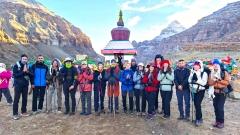
Day 1: Lhasa Arrival
Day 2: Lhasa City Tour – Potala Palace, Jokhang Temple & Barkhor Street
Day 3: Lhasa – Yamdrok Lake – Karola Glacier – Shigatse
Day 4: Shigatse – Tingri – Everest Base Camp – Basong Village
Day 5: Basong Village – Mount Shishapangma – Peikutso Lake – Saga
Day 6: Saga – Zhongba – Maquan River Wetland – Lake Rakshastal – Darchen
Day 7: Trekking Day 1 of Kailash Kora: Darchen – Drirapuk Monastery (Approx. 20 km: 6 km by eco-bus + 14 km trekking)
Day 8: Trekking Day 2 of Kailash Kora: Drirapuk — Dzultripuk Monastery (Approx. 20 km, full-day trekking)
Day 9: Trekking Day 3 of Kailash Kora: Dzultripuk Monastery — Darchen — Zanda (Approx. 11 km: 7 km trekking + 4 km by vehicle)
Day 10: Zanda – Zanda Earth Forest – Guge Kingdom – Darchen
Day 11: Darchen – Lake Manasarovar – Gongzhucuo – Saga
Day 12: Saga – Peikutso Lake – Shigatse
Day 13: Shigatse – Jiegangri Sacred Mountain – Serling Tso – Baingoin
Day 14: Baingoin – Namtso Lake – Nagenla Pass – Nyenchen Tanglha Range – Lhasa
Day 15: Lhasa Airport Transfer
Why Choose Saga Dawa Festival for Tibet Travel
Most tourists choose to travel to Tibet in the summer peak season, focusing only on the beauty of natural scenery. However, Saga Dawa Festival Tibet travel can bring you a dual experience of culture and scenery. In May and June, the plateau is full of vitality, with blooming wild flowers, clear sky and fresh air, and the natural scenery is beautiful. More importantly, the whole region is immersed in a strong religious and cultural atmosphere during the festival. You can truly walk into the life and faith of Tibetan people, feel the power of piety and kindness, and gain spiritual healing and inner peace that conventional travel cannot bring.
In addition, compared with the crowded summer peak season, the number of tourists during the Saga Dawa Festival is moderate. You can enjoy a more comfortable travel experience, avoid crowding, and calmly feel every detail of the plateau festival. Whether you are a cultural explorer, a spiritual traveler, or a photography enthusiast, the Saga Dawa Festival in Tibet can meet your travel expectations and leave you with unforgettable plateau memories.
Final Thoughts
The Saga Dawa Festival is a precious cultural treasure of Tibet and a sacred feast of faith and humanity. Saga Dawa Festival Tibet travel is not only a journey to appreciate plateau scenery, but also a spiritual pilgrimage to purify the soul. Walking on the ancient pilgrimage roads of Lhasa, listening to the chanting of scriptures in snow-capped mountain temples, and feeling the pious beliefs of thousands of pilgrims, you will surely understand the unique charm and profound heritage of the snow-covered plateau. If you are planning a unique cultural and spiritual travel, the Saga Dawa Festival in Tibet will be your most worthy travel choice.