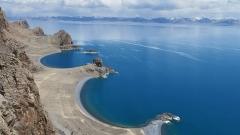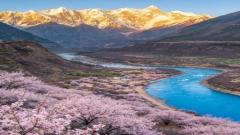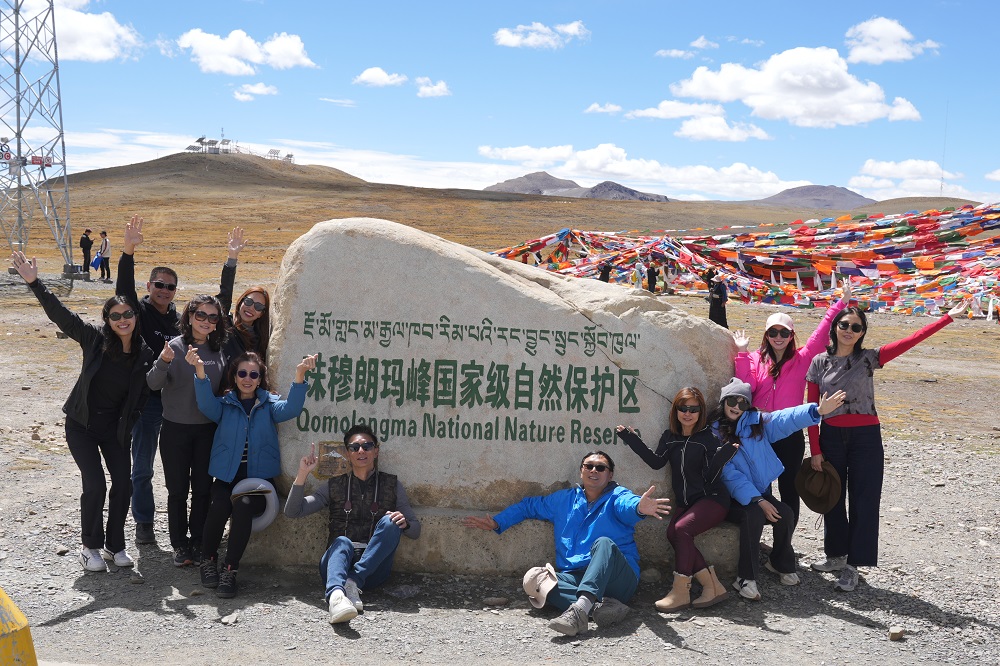

Tibet is one of the most fascinating destinations for American travelers, offering extraordinary Himalayan scenery, ancient Buddhist monasteries, sacred lakes, and unforgettable journeys to places such as Mount Everest and Mount Kailash. But before planning a trip, many US citizens have the same question: Do I need a visa to visit Tibet? The answer depends on how you enter China and whether you qualify for a visa-free entry policy. In most cases, however, American travelers need more than ordinary China entry documents because a Tibet Travel Permit is also required for visiting the Tibet Autonomous Region. Understanding the difference between a Chinese visa, the Tibet Travel Permit, and additional permits for remote areas will make your trip much easier to plan. This guide explains the requirements for US citizens, how to apply, where to enter Tibet, and what you should prepare before departure.
Key Takeaways
- US citizens can travel to Tibet, but special travel requirements apply.
- You may need a Chinese visa or qualifying visa-free entry, depending on your circumstances.
- Most US travelers also need a Tibet Travel Permit arranged through a local travel agency.
- Additional permits may be required for destinations such as Everest Base Camp and Mount Kailash.
- You must generally travel Tibet through a pre-arranged guided tour, either private or small-group.
Can US Citizens Travel to Tibet?
Yes. American citizens are welcome to travel to Tibet, and US passport holders visit the region every year for cultural experiences, mountain adventures, trekking, photography, and spiritual journeys.
Tibet offers an unusually diverse travel experience. Some American travelers come primarily for the spectacular landscapes, such as Mount Everest, Yamdrok Lake, Namtso, and the Himalayas. Others are more interested in Tibetan culture and religion, spending time in Lhasa’s historic temples and monasteries, walking around Barkhor Street, or learning about Tibetan Buddhism.
For adventure travelers, Tibet can also be the starting point for an expedition to Everest Base Camp or a pilgrimage journey around Mount Kailash. The famous Mount Kailash kora is especially significant for visitors interested in spirituality and Himalayan culture.
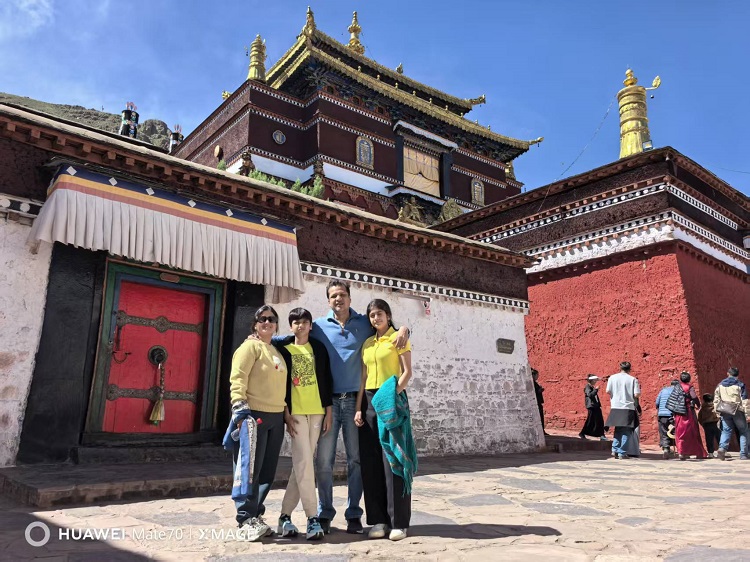
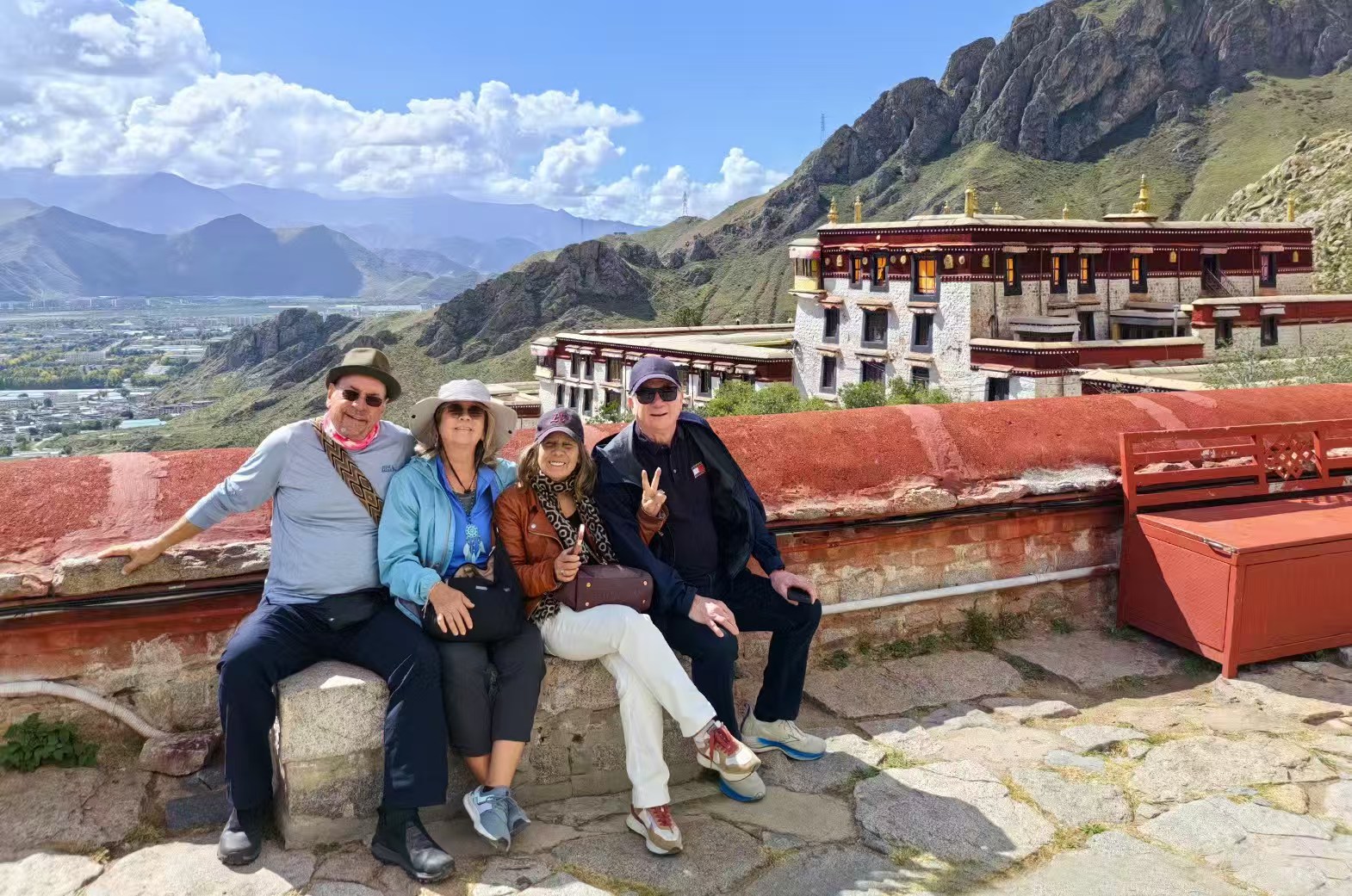
American Tourists Rxplore Sera Monastery
Do US Citizens Need a Chinese Visa for Tibet?
For most Americans traveling to Tibet through mainland China, yes, you need a valid Chinese visa before entering China, unless you qualify for a specific visa-free or other special entry arrangement that applies to your nationality and circumstances.
For a typical leisure trip, the relevant visa is the Chinese Tourist Visa, commonly called the L visa.
This is an important distinction: Tibet is part of China, so there is no separate “Tibet visa” that replaces the Chinese visa. Instead, foreign tourists generally need permission to enter China plus additional authorization to travel to the Tibet Autonomous Region.
If you are applying for a Chinese tourist visa in the United States, requirements can include a valid passport, an online visa application, a recent passport photograph, and other documents requested by the Chinese visa authorities. Requirements and fees can change, so American travelers should check the latest instructions before submitting an application.
Your passport should also have sufficient remaining validity and blank visa pages. As a practical matter, it is best to begin the visa process well before your planned Tibet departure.
What If I Already Have a Valid Chinese Visa?
If you already hold a valid Chinese visa, you may not need to apply for another one simply because Tibet is part of your itinerary. However, you should make sure that the visa is still valid, permits the type of entry you plan to make, and covers your travel circumstances.
The Tibet Travel Permit is a separate requirement. Having a valid Chinese visa does not automatically give you permission to enter Tibet.
This is one of the most common points of confusion among first-time Tibet travelers.
What Is the Tibet Travel Permit?
The Tibet Travel Permit, also known as the Tibet Entry Permit, is the document that allows foreign travelers to enter the Tibet Autonomous Region for tourism.
It is different from your Chinese visa.
Think of the two documents as serving different purposes:
- Your Chinese visa allows you to enter China under the conditions of your visa.
- Your Tibet Travel Permit provides the additional authorization required for foreign tourists to enter the Tibet Autonomous Region.
For example, if you fly from Chengdu to Lhasa, you normally need to show the necessary Tibet travel documentation before boarding your flight. The same principle applies when traveling to Tibet by train from mainland China.
The permit is therefore not something you should leave until you arrive in China.
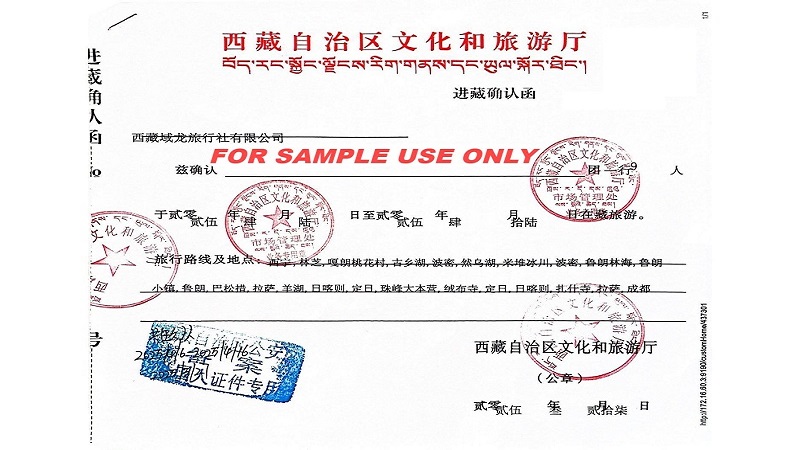
Tibet Travel Permit – Tibet Yulong
Can Americans Apply for the Tibet Travel Permit Themselves?
Generally, no.
Foreign tourists cannot normally apply directly to the Tibet tourism authorities for the Tibet Travel Permit. Instead, the permit application is handled through an authorized Tibet travel agency as part of an organized Tibet tour.
This is why choosing a qualified local agency is such an important part of planning a Tibet trip.
Once your itinerary is confirmed, your travel agency can prepare the necessary documents, submit the permit application, and coordinate the additional permits required for destinations outside the standard Lhasa sightseeing area.
For travelers booking with Tibet Yulong Travel, the agency can coordinate the Tibet Travel Permit process based on your passport information and planned itinerary.
What Documents Do US Citizens Need for a Tibet Trip?
The exact documents depend on your itinerary, but a typical American tourist traveling from mainland China will need to prepare several important documents.
1. A Valid US Passport
Your passport should have adequate validity for your trip and sufficient blank pages for travel documentation.
A clear copy of the passport information page is normally required by the travel agency when preparing the Tibet Travel Permit.
2. A Chinese Tourist Visa or Valid China Entry Status
If your trip requires a Chinese visa, the L tourist visa is the standard option for a conventional sightseeing trip.
Your agency may need a clear copy of the visa page when submitting the Tibet Travel Permit application.
3. Tibet Travel Permit
This is the essential Tibet-specific travel document for foreign tourists entering the Tibet Autonomous Region.
Your agency applies for it on your behalf after your itinerary has been confirmed.
4. Additional Permits for Certain Areas
The basic Tibet Travel Permit is enough for many standard Lhasa itineraries, but additional documents may be required for some destinations.
For example, travel to areas around Everest Base Camp, Mount Kailash, Ngari, and certain border or restricted areas can involve additional permits or travel approvals.
The good news is that travelers normally do not need to navigate these procedures themselves. Your Tibet travel agency can determine which permits are required based on your route and arrange them as part of the tour preparation.
Do Americans Have to Join a Guided Tour in Tibet?
Yes. Foreign travelers cannot currently travel independently throughout the Tibet Autonomous Region in the same way they might travel independently elsewhere in China.
For an American tourist, this means your Tibet journey needs to be pre-arranged through an authorized travel agency, with transportation, accommodation, itinerary, permits, and guide services organized in advance.
You do not necessarily have to join a large group.
American travelers can generally choose between:
Small-Group Tibet Tours
Small-group tours are a popular option for travelers who want to keep costs reasonable while still having a structured itinerary and professional guide.
A small group can also make it easier to meet other international travelers while visiting places such as Lhasa, Shigatse, Everest Base Camp, or Namtso.
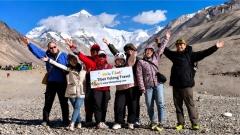
Private Tibet Tours
A private tour provides more flexibility and is ideal if you are traveling with family, friends, a partner, or a small group.
A private itinerary can be designed around your interests, whether that means spending more time exploring monasteries, photographing Himalayan landscapes, trekking, or visiting remote destinations.
An English-speaking local guide can also make the experience much more meaningful. Instead of simply seeing a monastery or temple, you can learn about its history, religious significance, architecture, murals, and local traditions.
What Is the Best Way for Americans to Get to Tibet?
For most travelers from the United States, there are three practical ways to reach Tibet.
Fly to Mainland China First
Many Americans first fly from the United States to a major Chinese gateway city such as Beijing, Shanghai, Guangzhou, or Chengdu.
From there, they continue to Lhasa by domestic flight.
This is usually the simplest option for travelers who want to minimize travel time.
Chengdu is particularly useful as a gateway to Tibet because it has frequent connections to Lhasa and is also an interesting destination to visit before heading onto the Tibetan Plateau.
Take the Qinghai-Tibet Train
For travelers who enjoy scenic rail journeys, taking the train to Lhasa is a completely different experience.
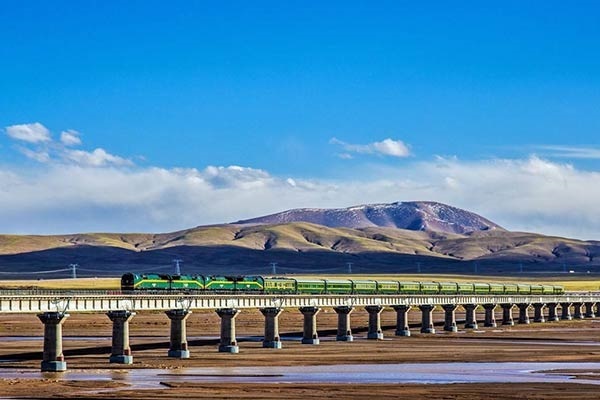
The Qinghai-Tibet Railway crosses some of the highest railway landscapes in the world, passing vast grasslands, snow-covered mountains, alpine lakes, and remote sections of the Tibetan Plateau.
A train journey takes longer than flying, but it gives travelers the opportunity to gradually travel toward the high plateau while enjoying the scenery through the train windows.
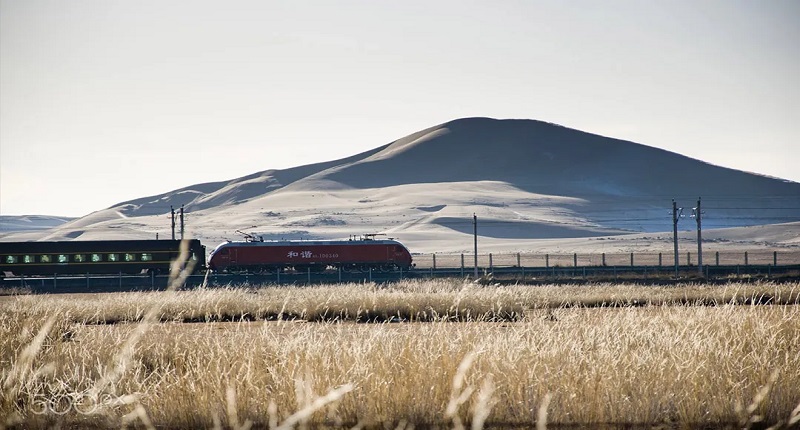
Qinghai-Tibet Railway
Travel from Kathmandu, Nepal
The Kathmandu-Lhasa route is particularly attractive for travelers planning a Nepal and Tibet combination trip.
Depending on the current flight schedule and border arrangements, you can travel between Nepal and Tibet by air or overland.
The overland route is especially popular with road-trip enthusiasts because the Himalayan scenery begins almost immediately and continues throughout the journey.
When Should Americans Apply for Tibet Travel Documents?
Do not wait until the last minute.
The Tibet Travel Permit process depends on your finalized itinerary, travel dates, passport information, and other administrative requirements. Additional permits may also be needed if you plan to visit Everest Base Camp, Mount Kailash, Ngari, or other special areas.
A sensible approach is to begin planning your Tibet trip at least several weeks before departure, with more time recommended for complicated itineraries.
For popular travel periods, it is better to arrange your tour even earlier because flights, trains, hotels, guides, and permits can become more difficult to coordinate.
Once your Tibet tour is confirmed, your agency can tell you exactly which documents are required and when they need to be submitted.
What Are the Best Times for Americans to Visit Tibet?
Tibet can be visited throughout much of the year, but the best season depends on what you want to experience.
April and May are excellent for travelers who want relatively comfortable temperatures, clear skies, and good conditions for sightseeing and outdoor activities.
September and October are particularly attractive for mountain scenery. The summer monsoon begins to retreat, rainfall decreases, and visibility often improves. These months are excellent for Everest Base Camp, Himalayan photography, and trekking.
Summer, especially June to August, brings warmer weather and long daylight hours, although it is also the main travel season and some areas experience more rain.
Winter is much colder, but it offers fewer tourists, lower travel costs in many cases, and exceptionally clear mountain views when conditions are favorable.
For first-time American visitors who want to combine Lhasa, Everest, and other major destinations, May, September, and October are among the most attractive months.
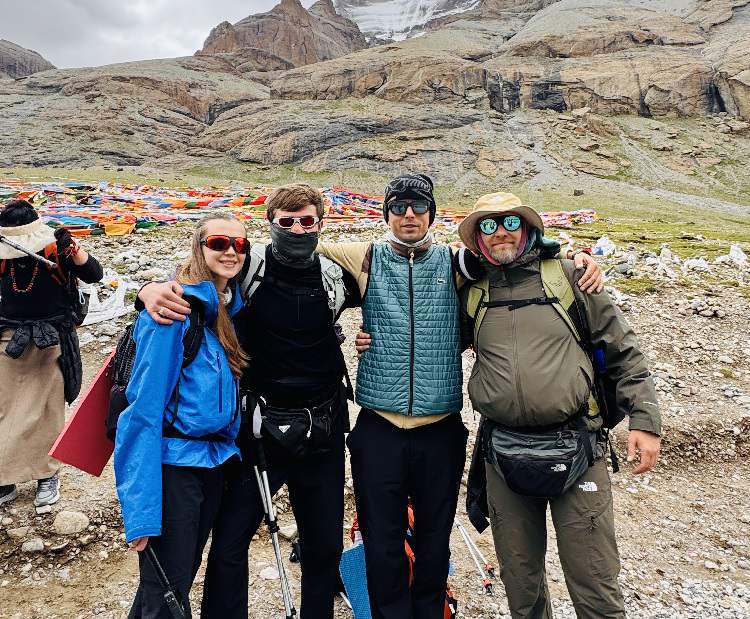
Mount Kailash
What Can Americans See in Tibet?
The answer depends on your itinerary, but Tibet offers far more than one famous landmark.
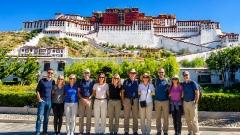
In Lhasa, you can visit the Potala Palace, Jokhang Temple, Barkhor Street, Sera Monastery, and Drepung Monastery while experiencing the unique atmosphere of the Tibetan capital.
Around Shigatse, travelers can explore Tashilhunpo Monastery and continue toward the Himalayas.
At Yamdrok Lake, the vivid blue-green water contrasts dramatically with the surrounding snow-covered mountains.
At Namtso, one of Tibet’s most famous high-altitude lakes, the enormous sky and open plateau create an unforgettable landscape.
At Everest Base Camp, American travelers can stand beneath the world’s highest mountain and, weather permitting, see the spectacular northern face of Mount Everest.
For travelers looking for something more spiritual, Mount Kailash and Lake Manasarovar offer one of the most extraordinary pilgrimage landscapes in the Himalayas. The Mount Kailash kora attracts pilgrims and travelers from around the world, although the high altitude and demanding terrain require careful preparation.
Is Tibet Difficult for American Travelers?
Tibet is accessible to American tourists, but it is not an ordinary vacation destination.
The high altitude is the biggest physical challenge for many visitors. Lhasa sits at around 3,650 meters above sea level, while destinations such as Namtso, Everest Base Camp, and parts of Ngari are significantly higher.
A well-planned itinerary should therefore allow time for acclimatization.
It is usually better to spend several days in Lhasa before traveling to higher destinations. Staying hydrated, getting enough rest, avoiding excessive alcohol, and increasing physical activity gradually can also make the transition easier.
Traveling with a local guide is particularly useful because guides understand the local conditions, transportation system, altitude-related challenges, and permit requirements.
Final Thoughts: Do US Citizens Need a Visa for Tibet?
So, do US citizens need a visa for Tibet?
For most American tourists, the answer is yes, but there is an important distinction. You generally need the appropriate permission to enter China, such as a Chinese tourist visa when required, and you also need a Tibet Travel Permit to enter the Tibet Autonomous Region.
The Tibet Travel Permit is not the same as a Chinese visa, and obtaining a Chinese visa alone does not allow an American traveler to simply travel independently to Lhasa.
The easiest way to handle the process is to plan your trip through an authorized Tibet travel agency. The agency can organize your itinerary, arrange the Tibet Travel Permit and any additional permits, book transportation and hotels, and provide a professional guide throughout your journey.
For international travelers, including Americans, this means the paperwork does not have to be the difficult part of the adventure. With the right preparation, you can focus on what makes Tibet extraordinary: the Potala Palace, ancient monasteries, sacred lakes, enormous Himalayan peaks, Tibetan villages, Everest Base Camp, and the spiritual landscapes surrounding Mount Kailash.
If Tibet has been on your travel list for years, being a US citizen does not prevent you from going. You simply need to prepare the correct travel documents and follow the entry procedures that apply to your route.