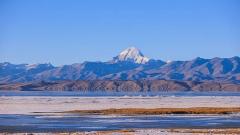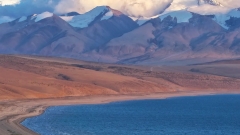

Located in the far western expanse of the Tibet Autonomous Region, Ngari is celebrated as the “Roof of the Roof of the World.” Beyond iconic landmarks like Mount Kailash and the Guge Kingdom Ruins lies the vast Changtang Plateau in the north—a true high-altitude wilderness often called “No-Man’s Land.”
Selecting the right itinerary is the most crucial step when planning a journey to Ngari. What are the main travel routes? How do they differ? And which one should first-time travelers pick?
Key Takeaways
- Two Main Travel Circuits: Travel in Ngari is split into the Southern Route / Small Loop (focusing on Mount Kailash, Lake Manasarovar, and Guge Kingdom via paved roads) and the Grand Loop / Northern Route (venturing deep into the Changtang No-Man’s Land to explore high-altitude lakes and wildlife).
- Best Choice for First-Timers: First-time visitors are strongly advised to choose the Southern Route (Small Loop) due to its gradual altitude gains, paved road conditions, and developed lodging options that help minimize acute mountain sickness (AMS) risks.
- Regulations for Foreign Tourists: Under Tibetan travel regulations, non-Chinese passport holders cannot travel independently. Foreign tourists must book through an authorized travel agency to secure a Tibet Travel Permit (TTP) and Frontier Pass, accompanied by an official guide and private transport.
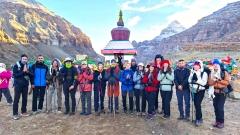
Popular Travel Routes in Ngari: How Do They Differ?
Most Ngari itineraries begin and end in Lhasa. Depending on how deep you venture into the northern wilderness, routes are generally categorized into three main options:
Option A: The Ngari Southern Route (Classic Small Loop, 8–10 Days)
Main Stops: Lhasa → Yamdrok Lake → Shigatse → Everest Base Camp → Saga → Darchen (Mount Kailash & Lake Manasarovar) → Zanda (Guge Kingdom & Earth Forest) → Return to Lhasa via Kyirong or original route.
Highlights: Following National Highway G219 (Xinjiang-Tibet Highway), this route runs almost entirely on paved asphalt. It covers Tibet’s most iconic cultural and natural landmarks, including Mount Everest, holy peaks, sacred lakes, and ancient ruins.
Best For: Travelers with limited time, those seeking classic highlights, or those who prefer reliable road conditions and comfortable lodging.
Option B: The Ngari Grand Loop (“Lake-Hopping” Route, 13–15 Days)
Main Stops: Follows the Southern Route to Zanda/Shiquanhe, then strikes east across the Changtang Plateau core → Gegai → Gerze → Cuoqin (Zhari Namco & Dangra Yumco) → Wenbu South Village → Shenzha → Namtso Lake → Lhasa.
Highlights: This is the authentic “No-Man’s Land” expedition. Leaving main highways behind, vehicles travel across dirt roads and gravel tracks through high-altitude desert. You will encounter dense clusters of turquoise alpine lakes and have a high chance of spotting wild Tibetan antelopes, kiangs (wild asses), and wild yaks.
Best For: Adventurers, wildlife photography enthusiasts, and experienced travelers who can handle long, bumpy drives and extreme altitudes.
Option C: The Northern Wilderness Crossing (Shuanghu / Deep Changtang Route)
Highlights: An even more remote expedition pushing deeper into the core Changtang National Nature Reserve (such as Shuanghu County and the Purogkangri Icefield). Due to delicate ecosystems and severe weather, parts of this zone are subject to strict environmental access limits and seasonal closures.
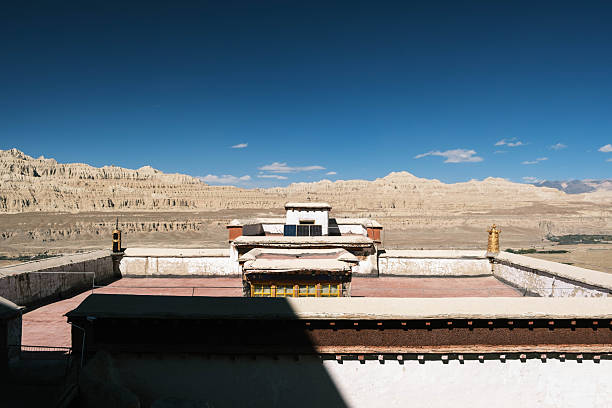
Which Route Is Best for First-Time Visitors?
For your first journey to Ngari, the Ngari Southern Route (Small Loop) is strongly recommended. Here is why:
Safer Altitude Acclimatization: Starting from Lhasa (3,650 m) and passing through Shigatse (3,800 m) before ascending to Saga and Darchen (~4,500 m), the Southern Route allows your body to adjust gradually. In contrast, the Northern Loop maintains an average elevation of 4,700–5,000 meters across the wilderness, posing a significantly higher risk of severe altitude sickness.
Superior Infrastructure: Paved roads on the Southern Route make travel considerably smoother and less physically demanding. Towns along the way offer reliable hotels, restaurants, and medical support.
Diverse Landscapes: The Southern Route packs snow-capped peaks, glaciers, lakes, deserts, clay canyons, and historical ruins into a single, manageable journey under safer conditions.
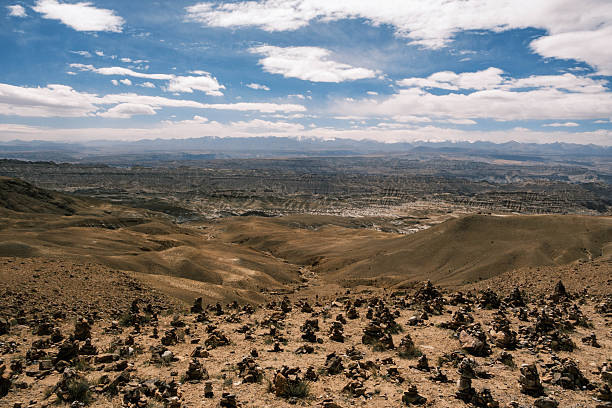
Why Must Foreign Tourists Travel with an Organized Tour?
Foreign passport holders often ask why independent travel (backpacking or self-driving) is not permitted in Ngari. This requirement is governed by official border regulations and safety considerations:
1. Border Control & Permit Regulations
Ngari borders both India and Nepal, making nearly the entire prefecture an official border control zone. Under regional tourism regulations, foreign visitors must obtain specialized permits through a licensed Tibetan travel agency prior to arrival. These include the Tibet Travel Permit (TTP), the Alien’s Travel Permit, and the Border Pass / Military Permit—none of which can be applied for individually.
2. Mandatory Tour Escort Policy
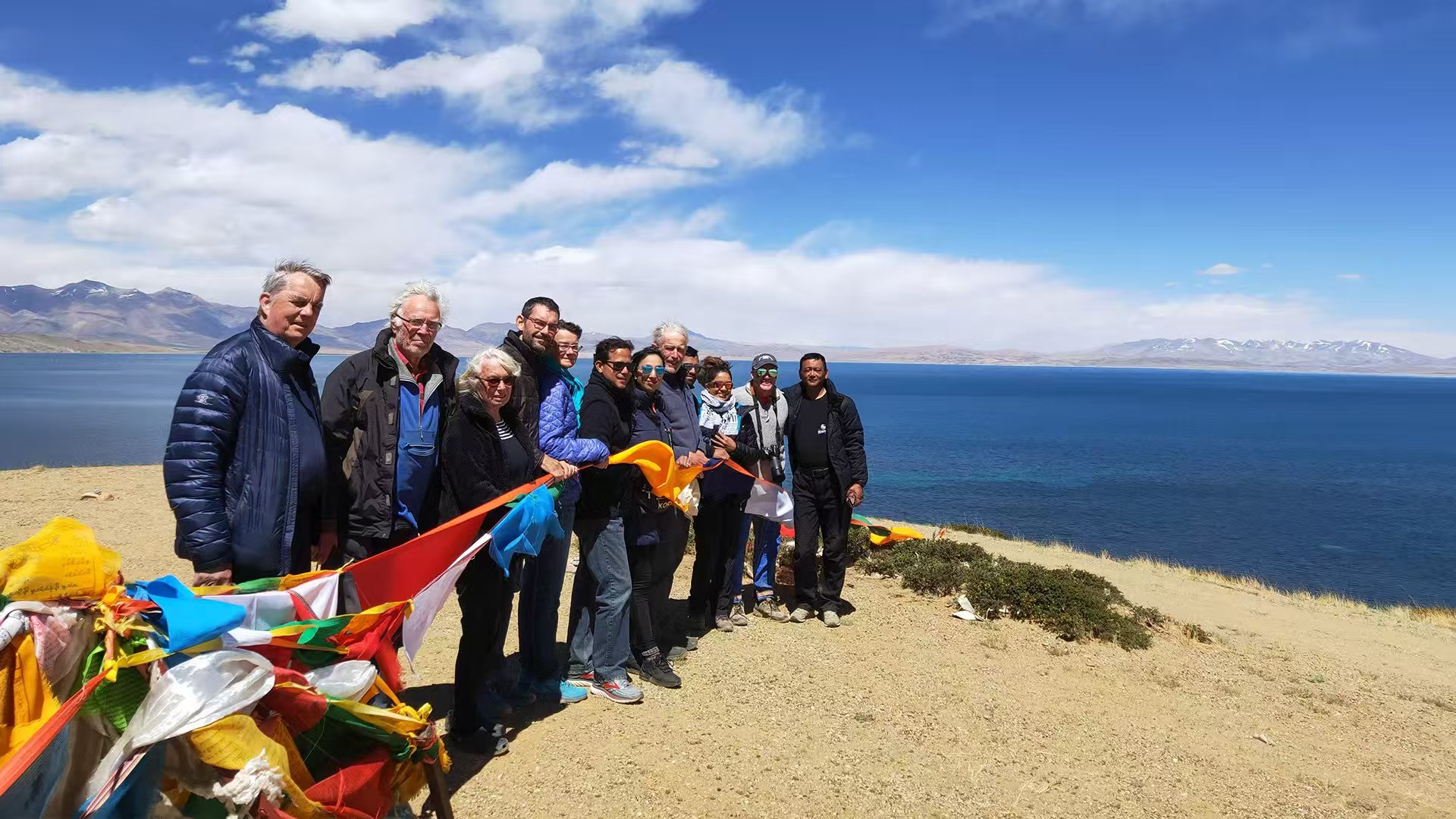
Foreign travelers in Tibet must participate in organized group or private tours. The host travel agency is required to pre-arrange a licensed tour vehicle, an official local Tibetan guide, and fixed travel itineraries.
3. Safety in Extreme Environments
Weather across the Changtang wilderness can change instantly, with unexpected snowstorms, sub-zero temperatures, and vast areas lacking mobile coverage. Professional travel agencies provide experienced high-altitude drivers, satellite communications, emergency oxygen supplies, and immediate rescue protocols to safeguard travelers in extreme conditions.
Practical Travel Tips for Ngari
Permits & Documents: Chinese mainland residents must carry a valid ID card and apply for a Frontier Pass beforehand. HK/Macao residents require a Home Return Permit. Foreign passport holders and Taiwanese travelers must submit passport copies to their travel agency 30–45 days in advance for permit processing.
Cold & Sun Protection: Temperature swings between day and night are extreme. Even in mid-summer (July–August), night temperatures can drop near freezing. Pack down jackets, thermal layers, windproof headwear, and high-SPF sunscreen.
Environmental Protection: The Changtang ecosystem is exceptionally fragile. Vehicles must stay strictly on designated tracks, and all trash must be carried out. Never chase or disturb wild antelopes and other native wildlife.