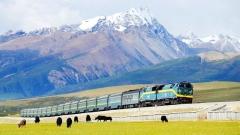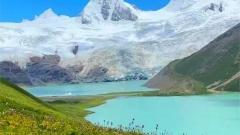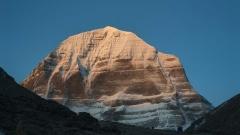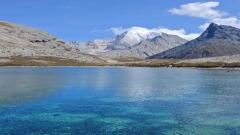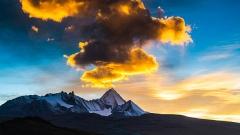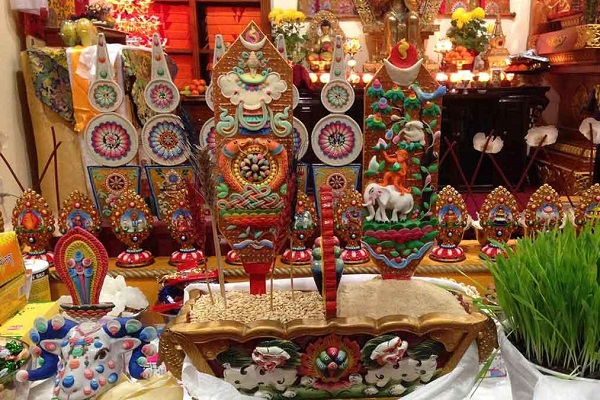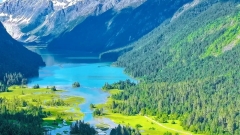

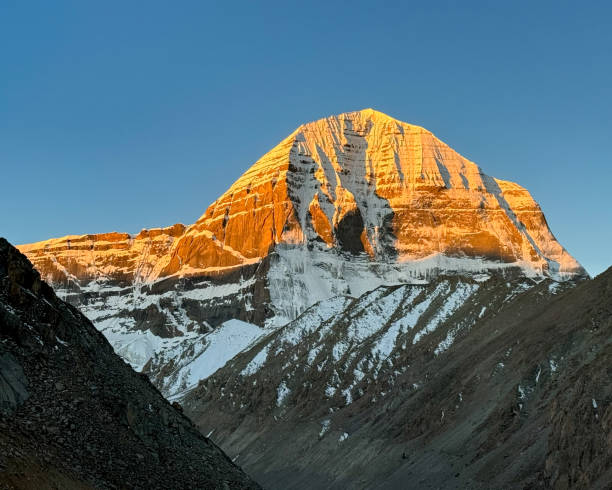
Known in Tibetan as “Kang Rinpoche” (“Precious Jewel of Snow”), Mount Kailash stands majestic at 6,638 meters. Revered by Tibetan Buddhism, Hinduism, Jainism, and Bon as the spiritual center of the universe, it has drawn pilgrims and high-altitude trekkers for centuries to walk its legendary 52-kilometer circuit.
However, trekking the Mount Kailash Kora is far from a standard alpine hike; it is a demanding test of endurance, extreme altitude, and unpredictable weather. To ensure a safe and spiritually fulfilling journey, here are the vital rules and tips every trekker must know:
Key points:
Fitness & Route Challenges: The outer Kora circuit spans approximately 52 km (32 miles), typically completed over 3 days at an average altitude exceeding 4,500 meters. Day 2’s Dolma La Pass (5,630m / 18,471ft) is the ultimate test of physical endurance and altitude tolerance.
Altitude Acclimatization is Crucial: Never begin trekking immediately upon arrival! Follow a gradual elevation route (starting in Lhasa at 3,650m, moving through Shigatse and Saga, before reaching Darchen at 4,675m) and allow at least 2–3 days for adjustment.
Lightweight & Warm Gear: Weather in the Ngari region changes rapidly, with sudden snowstorms possible even in summer. Wear layered clothing, bring sturdy trekking poles and waterproof boots, and consider hiring local porters to lighten your pack.
Respect Cultural & Religious Taboos: Tibetan Buddhists, Hindus, and Bhutanese pilgrims trek clockwise; Bon followers trek counter-clockwise. Climbing the sacred peak itself is strictly forbidden, and sacred mani stones or prayer wheels must never be stepped on or damaged.
Permits & Seasonal Planning: Mount Kailash lies within a restricted border area, requiring a Frontier Pass (for Chinese citizens) or a Tibet Travel Permit and Alien’s Travel Permit (for foreign and Hong Kong/Macau/Taiwan travelers). The best trekking window is May through October (with May–June and September–October offering the clearest weather).
Understanding the Route & Altitude Profile: A 52km High-Altitude Test
The traditional outer Kora begins and ends in Darchen (4,675 meters / 15,338 feet) and is generally completed in 3 days:
Day 1: Darchen ➔ Dirapuk Monastery (approx. 20 km, ascending to 5,210m / 17,093ft) The trail follows a relatively gentle gradient along the Lha Chu Valley, offering spectacular evening views of Kailash’s northern face.
Day 2: Dirapuk Monastery ➔ Dolma La Pass (5,630m) ➔ Zutulpuk Monastery (approx. 18 km, descending to 4,790m / 15,715ft) The most grueling day of the trek! You will steep climb to the trek’s highest point—Dolma La Pass—where oxygen levels drop significantly, followed by a steep downhill descent across scree slopes.
Day 3: Zutulpuk Monastery ➔ Darchen (approx. 14 km, descending to 4,675m / 15,338ft) A gentle, flat walk across the Barga Plain returning to Darchen to complete the sacred circuit.
Managing Altitude Sickness: Safety First
With an average elevation exceeding 4,500 meters throughout the Ngari region, Acute Mountain Sickness (AMS) is the primary safety risk during the Kora:
Gradual Acclimatization: It is strongly advised to acclimate gradually by spending nights in Lhasa (3,650m), Shigatse (3,800m), and Saga (4,487m) before arriving in Darchen. Never fly directly into Gunsa Airport and start trekking on the same day.
Know When to Turn Back: If you experience severe headache, vomiting, or signs of High Altitude Pulmonary Edema (HAPE) such as persistent coughing or extreme shortness of breath near Dirapuk or Dolma La Pass, stop ascending immediately and descend with your guide. Rescue options near the pass are extremely limited—do not push past your body’s limits.
Hydration & Warmth: High altitudes cause rapid dehydration; drink at least 2–3 liters of warm water daily. Avoid overexertion or taking cold showers to prevent catching a cold, which can trigger pulmonary edema.
Packing & Gear Essentials: Lightweight & Thermal Layers
Weather in Ngari is highly unpredictable. High winds are common in the afternoon, and sudden blizzards can strike Dolma La Pass even during July and August.
Clothing & Footwear:
3-Layer System: Thermal moisture-wicking base layer + fleece/warm mid-layer + waterproof/windproof hardshell jacket or lightweight down jacket.
Footwear: Sturdy, broken-in waterproof hiking boots (never wear new shoes) paired with thick merino wool socks.
Accessories: Windproof beanie, warm thermal gloves, polarized sunglasses (to prevent snow blindness), and a neck gaiter or face mask.
Trekking Aids & Load Support:
Trekking Poles: A pair of sturdy poles reduces knee pressure by over 30% on steep descents.
Hire a Porter or Horse: Hiring a local Tibetan porter in Darchen to carry heavy backpacks is highly recommended. Carry only a small daypack with water, energy snacks, and warm layers. (Note: Horses cannot navigate the steep rocky descent down Dolma La Pass; you must trek that section on foot.)
On-Trail Supplies: Tea houses and basic supply points are situated along the trail (offering hot water, instant noodles, and energy drinks). Avoid carrying excessive food, but pack high-calorie snacks like chocolate, energy bars, and glucose supplements.
Religious Customs & Cultural Etiquette
As Mount Kailash is sacred to four religions, trekkers must observe strict cultural etiquette:
Trekking Direction: Tibetan Buddhists, Hindus, and Bhutanese pilgrims walk clockwise around the mountain. Bon followers walk counter-clockwise. Tourists should follow the clockwise direction.
No Climbing: Out of deep reverence for the sacred peak, climbing Mount Kailash is strictly prohibited.
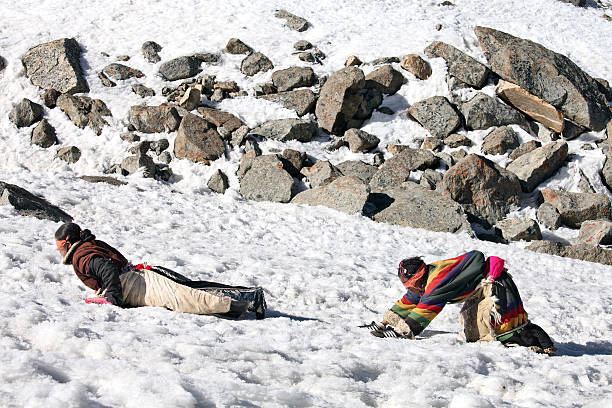
Respect Sacred Objects: Always walk clockwise around mani stone mounds, prayer flag posts, and prayer wheels. Never step on, sit on, or remove sacred stones. Always ask for permission before photographing praying pilgrims performing full-body kowtows.
Leave No Trace (LNT): High-altitude mountain ecosystems are fragile and non-biodegradable waste stays for years. Carry out all trash and dispose of it at supply posts or back in Darchen.
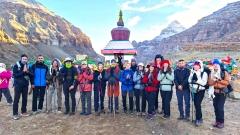
Required Permits & Best Travel Seasons
Permit Requirements:
Mainland Chinese Citizens: Must obtain a Frontier Pass (Border Permit) in advance from their home residence bureau specifying “Ngari Region, Burang County / Mount Kailash.”
International & Hong Kong/Macau/Taiwan Travelers: Independent travel is not permitted. You must travel on an organized tour through a licensed travel agency that will secure your Tibet Travel Permit (TTP), Alien’s Travel Permit, and Military Area Clearance.
Best Seasons to Trek: May through October.
May–June & September–October: Golden months with clear skies, high visibility, and stable weather (the Saga Dawa Festival in May/June offers a vibrant local pilgrimage atmosphere).
July–August: Summer rainy season brings cloud cover and muddy trails, though temperatures are slightly milder.
November to April: Heavy snow blocks Dolma La Pass, creating severe cold and avalanche hazards; trekking is not recommended during winter.