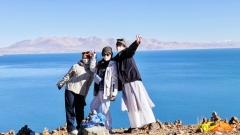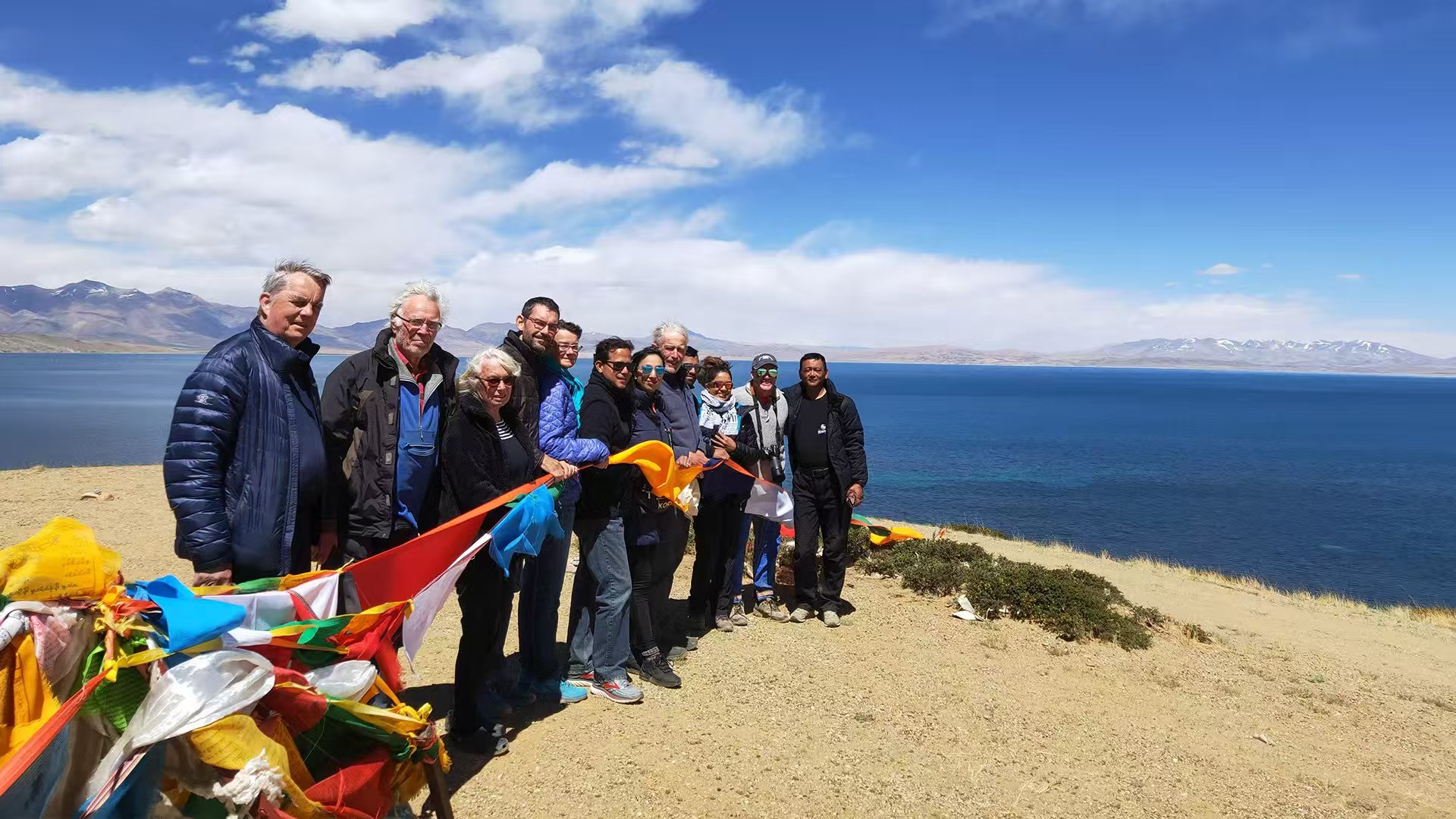

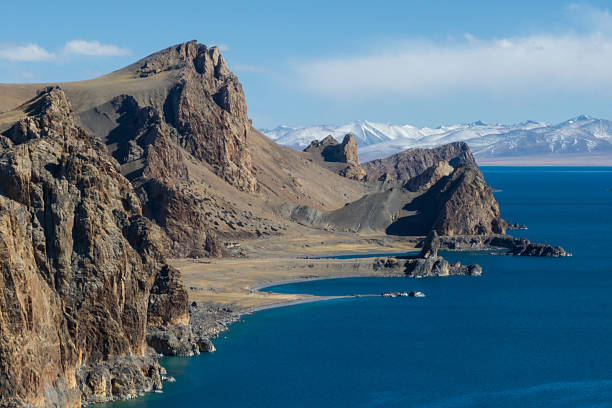
Hidden amid the vast pastures and snow-capped peaks of Northern Tibet lies a natural marvel often described as “an epic written in stone by the heavens”—Sacred Elephant Pass (also known as Sacred Elephant Gate or Shengxiang Tianmen). Situated on the pristine northern shore of Namtso Lake, one of Tibet’s three holy lakes, this colossal natural rock arch resembles a giant elephant standing by the water’s edge to drink. Looking across the lake, the snow-draped peaks of the Nyenchen Tanglha Mountains frame the horizon, creating a breathtaking vista where the sacred arch stands quietly at an elevation of nearly 4,700 meters (15,420 feet).
Unlike the widely visited southern shore of Namtso Lake (Tashi Peninsula), Sacred Elephant Pass is nestled deep within the remote northern bank. For decades, it remained an untouched sanctuary known only to local nomads and devout pilgrims. Today, it stands as one of Tibet’s ultimate off-the-beaten-path destinations for nature lovers and adventure travelers.
Geographical Location & Geological Origins
Administratively, Sacred Elephant Pass is located in Qingshiru Township, Baingoin County, Nagqu Prefecture, Tibet Autonomous Region, situated on the Qiaduolangka Peninsula along the northwestern shore of Namtso.
From a geological perspective, the Pass is a masterpiece created over millions of years through tectonic movement, wind weathering, and water erosion. During ancient times, this area lay beneath a prehistoric sea. As the tectonic collision formed the Himalayas and lifted the Tibetan Plateau, exposed sedimentary rock layers were gradually sculpted by harsh high-altitude winds, glacial runoff, and the relentless waves of Namtso Lake, eventually forming this majestic karst rock arch.
History & Religious Mythology
In Tibetan Buddhism and the ancient Bon tradition, Mount Nyenchen Tanglha and Lake Namtso are revered as a divine husband and wife. Within this spiritual framework, Sacred Elephant Pass holds deep sacred significance:
The Gateway to a Divine Wedding
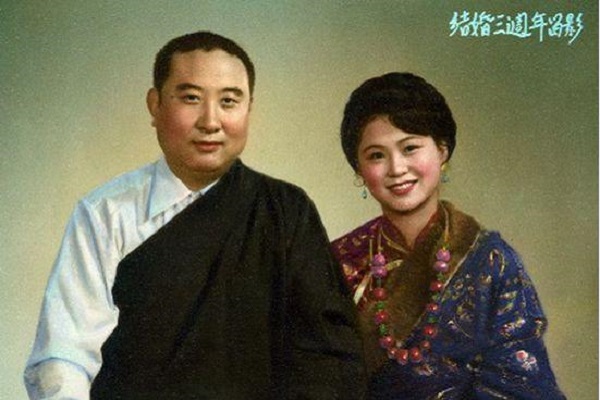
Local legends tell of Mount Nyenchen Tanglha and Goddess Namtso uniting in marriage at this very site. Sacred Elephant Pass is celebrated as the ceremonial ceremonial gate for their eternal union, with the giant stone elephant serving as a guardian beast granted by the mountain deity. The trunk dipping into the lake symbolizes sipping holy nectar, bringing harmony and blessings to the realm.
The Retreat of Guru Rinpoche
Historical Tibetan texts record that in the 8th century AD, the revered master Padmasambhava (Guru Rinpoche) traveled to the northern shore of Namtso during his journey across Tibet. He designated Sacred Elephant Pass as a sacred sanctuary for Tantric meditation. Ancient meditation caves remain tucked into the rock faces around the arch, attracting high lamas and monks for spiritual retreats over the centuries.

Unrivaled Highlights of the Sacred Pass
Sacred Elephant Pass is renowned for its dramatic, unforgettable landscape:
The Elephant Drinking from the Holy Lake
Standing at the main viewpoint, the sweeping curve of the stone arch perfectly frames the snow-covered range of Mount Nyenchen Tanglha in the distance. The turquoise waters of Namtso gently lap against the base of the arch, offering a iconic photo opportunity found nowhere else in the world.
The Three-Color Lake & Guogang Island
Due to variations in lakebed depth and sunlight refraction along the northern bank, the water surrounding the Pass shifts between deep azure, clear sky blue, and vibrant emerald green—a phenomenon known locally as the “Three-Color Lake.” Guogang Island sits in the middle of the waters like a jade stone, adding rich depth to the panorama.
Stargazing & Golden Sunrises
Far removed from light pollution, Sacred Elephant Pass offers world-class stargazing. On clear nights, the Milky Way arches directly above the giant stone structure. At sunrise and sunset, golden sunlight illuminates the icy peaks of Nyenchen Tanglha, creating an ethereal glow across the landscape.
Travel Tips & Essential Guidance
Because of its extreme elevation and fragile ecosystem, visiting Sacred Elephant Pass requires careful preparation:
-
Verify Open Status & Local Permits: To safeguard the delicate environment of the Namtso Nature Reserve, entry policies and conservation closures for Sacred Elephant Pass can change periodically. Always consult with travel experts prior to planning your itinerary to confirm current official access rules and permit requirements.
-
Altitude Acclimatization & Safety: Sitting at roughly 4,700 meters above sea level, conditions can be cold, windy, and challenging. Travelers should acclimate in Lhasa (3,650 m) or Shigatse for at least 2–3 days before heading north. Pack heavy down jackets, windproof layers, sun protection, and portable oxygen canisters, and avoid strenuous exertion at the site.
-
Transportation & Road Conditions: The journey from Lhasa or Damxung to the northern bank of Namtso via Baingoin County involves long drives over rugged high-altitude terrain. A reliable 4WD vehicle (SUV) or commercial tour vehicle driven by an experienced high-altitude driver is strongly recommended.
-
Eco-Responsibility & Cultural Respect: The ecosystem on the Northern Plateau is extremely fragile. Practice “Leave No Trace” principles by carrying out all trash and staying on designated paths. Respect local Tibetan traditions by refraining from climbing on sacred rock formations or walking counter-clockwise around sacred sites.