
Planning a trip between Nepal and Tibet raises a lot of practical questions. This guide answers the most common ones, from transportation options and border crossings to permits, costs, and health precautions.
What Transportation Options Exist Between Nepal and Tibet?
Travelers moving between Kathmandu and Lhasa currently have two realistic options: flying or driving overland. Both routes are well established, though each suits a different kind of trip.
Flying is the faster choice, connecting the two capitals directly through the sky above the Himalayas — on a clear day, some flights even offer a glimpse of Everest’s summit from the window. Driving overland, meanwhile, takes considerably longer but rewards travelers with a slow, dramatic transition from Nepal’s green hills into Tibet’s high-altitude plateau, passing through mountain valleys and traditional Tibetan towns along the way.
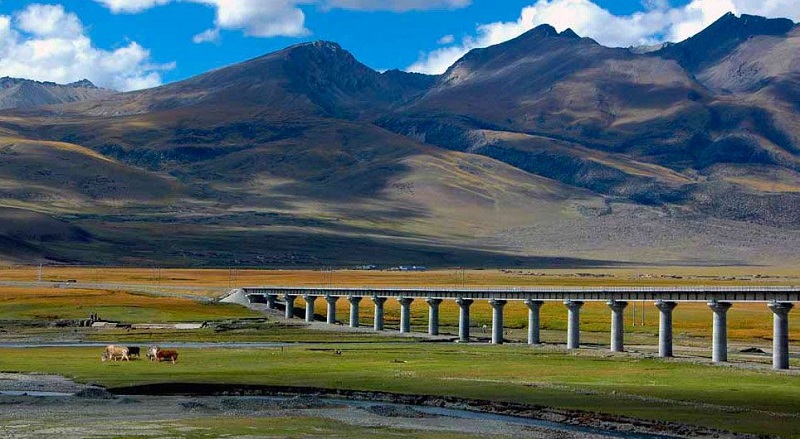
One option that doesn’t currently exist is rail travel. While the Qinghai-Tibet Railway connects Lhasa to several major Chinese cities on the mainland, that network doesn’t extend into Nepal, so a direct train journey between the two countries isn’t possible at this time.
Is There a Direct Flight Between Kathmandu and Lhasa?
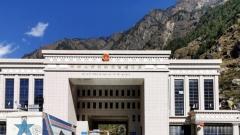
Yes, direct flights connect Kathmandu and Lhasa, and the journey itself is remarkably short — roughly an hour and a half in the air. Several airlines operate this route, including Air China and Sichuan Airlines, both of which run frequent daily service. Tibet Airlines and China Southern also operate flights along this corridor, giving travelers a reasonable amount of flexibility when booking.
For anyone short on time or hoping to avoid a multi-day road trip, flying is by far the most efficient way to move between the two cities.
How Long Does the Overland Route Take?
A road journey from Kathmandu to Lhasa typically takes somewhere between seven and eight days, including an overnight stop near Everest Base Camp along the way. The exact duration depends heavily on how many stops are built into the itinerary and how much time is set aside for sightseeing versus straight driving.
Eight days tends to be the sweet spot for most travelers, since it allows enough time for the body to gradually acclimatize to the altitude changes along the route rather than rushing through in a way that increases the risk of altitude sickness.
Which Border Crossing Do Most Travelers Use?
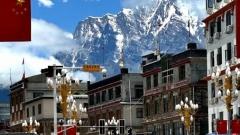
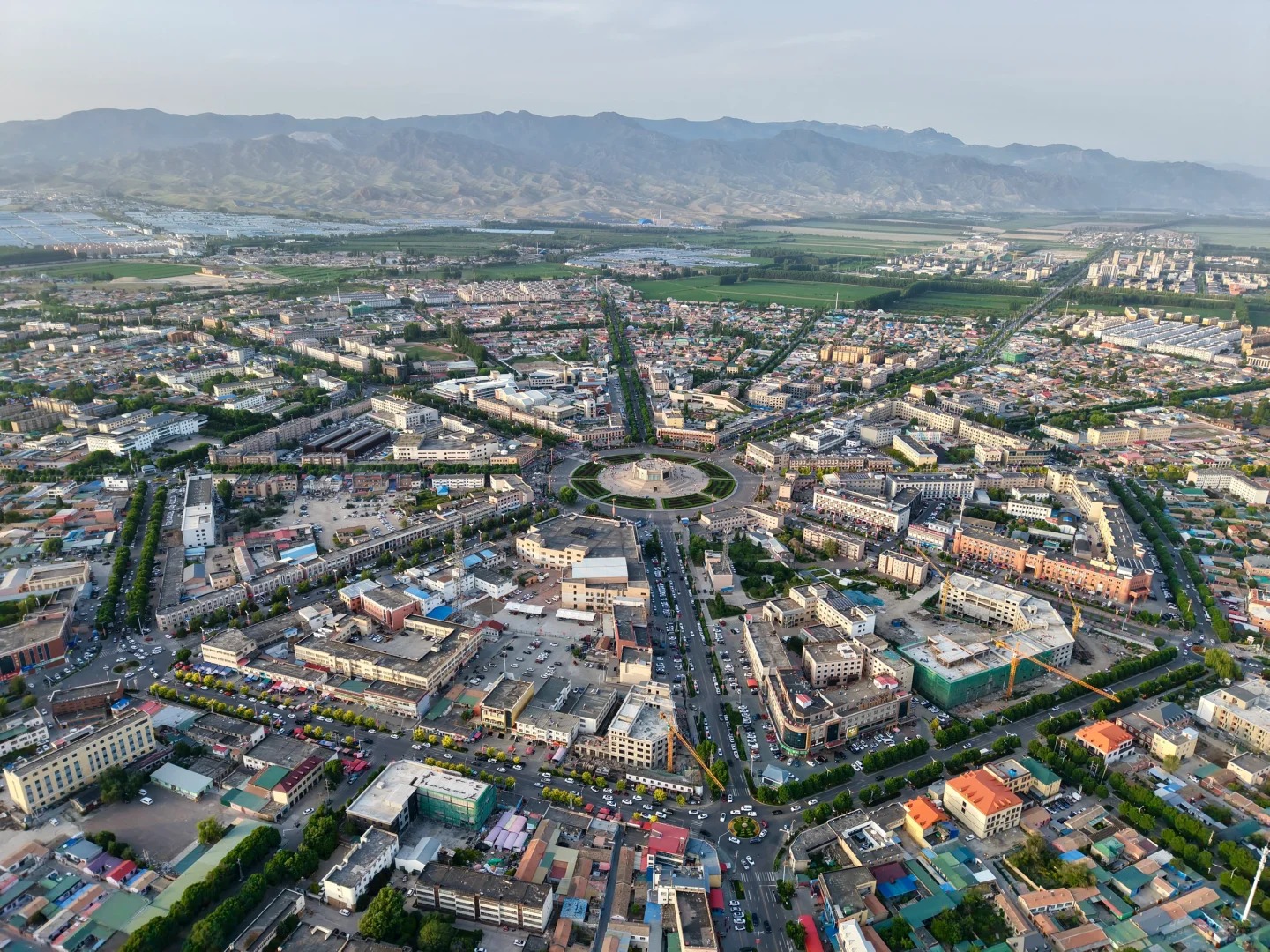
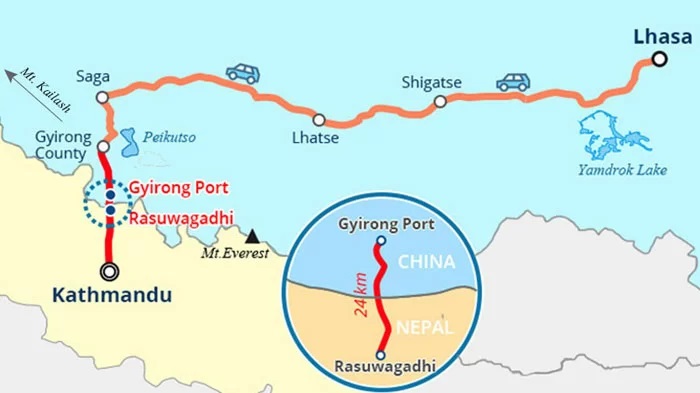
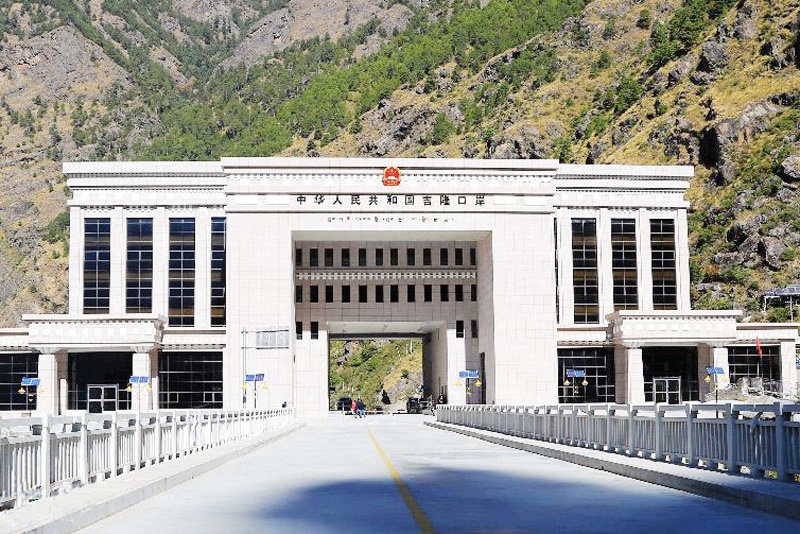
Technically, six border crossings exist between Nepal and Tibet, but in practice, nearly all overland travelers use the Gyirong crossing. It’s the most consistently open and well-maintained of the six, and the one that tour operators and travel documentation are generally set up around.
If you’re planning an overland trip using this route, keep in mind that you’ll need both a Chinese Group Visa and a Tibet Travel Permit arranged well before departure — these aren’t documents you can pick up on arrival.
Nepal to Tibet Overland Map
What Is the Actual Distance Between Kathmandu and Lhasa?
By road, the direct route between the two cities covers approximately 1,300 kilometers (a little over 800 miles), passing through Gyirong Port, Gyirong Town, Tingri, and Shigatse along the way. By air, the distance shrinks significantly to just over 600 kilometers (about 375 miles), which explains why the flight takes only around 90 minutes compared to a week or more by road.
What Documents Do I Need to Travel from Nepal to Tibet?
Two documents are essential: a Tibet Travel Permit and a China Group Tourist Visa.
The Group Visa is obtained through the Chinese Embassy in Kathmandu and requires a valid passport, a passport-style photo specifically for the group visa application, a completed application form, and payment of the associated fee. Processing isn’t instant, so it’s worth arriving in Kathmandu at least three business days before you need the visa in hand.
The Tibet Travel Permit works a bit differently. Rather than applying yourself, you’ll need a confirmed Tibet tour booking through a registered travel agency, submitted at least 21 days in advance. The agency handles the permit application on your behalf as part of arranging your trip.
A few important notes worth keeping in mind: even if you already hold a standard Chinese visa, you’ll still need to apply for the Group Visa specifically for a Tibet trip originating in Nepal. In fact, if you’ve already obtained an individual Chinese visa before your trip, entering Tibet from Nepal isn’t recommended, since that visa becomes invalid once the Group Visa is issued. To keep things simple and avoid any visa complications, it’s best to follow the standard Group Visa process from the outset.
Can I Travel Independently, or Do I Need to Join a Tour?
Independent, self-guided travel into Tibet isn’t an option for foreign visitors — this applies whether you’re arriving by air or overland. Instead, you’ll need to join either a guided small group tour or arrange a private tour through a licensed local agency.
For travelers watching their budget, small group tours tend to be the more cost-effective route, since the logistics — visa processing, permits, transportation, and accommodation — are handled collectively for the whole group. This structure lets you experience an organized, well-supported trip without the higher cost that typically comes with fully private arrangements.
Is Public Transportation Available, or Do I Need Private Transport?
Public buses technically operate between Kathmandu and Lhasa, but they’re not an option available to foreign travelers. Since visiting Tibet requires booking through a local travel agency regardless of transportation method, arranging private transportation as part of an organized tour is really the only practical path for international visitors making this journey.
What Scenic Attractions Are Along the Route?
The overland journey between Nepal and Tibet passes through some genuinely spectacular scenery, making the extra travel time worthwhile for many visitors.
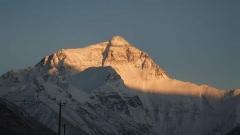
Gawula Pass offers sweeping panoramic views of the world’s highest peaks, including Everest itself, and is often one of the most memorable stops of the entire trip. Continuing to Everest Base Camp lets travelers stand within view of the mountain’s staggering scale up close. In Shigatse, Tashilhunpo Monastery stands out as one of the route’s most culturally significant stops, known for both its architectural grandeur and its religious importance as the traditional seat of the Panchen Lama.
Further along, Lake Yamdrok adds a different kind of beauty to the journey — its turquoise waters framed by surrounding peaks create one of the most photographed landscapes in the region.
Gyirong Pport
When Is the Best Time to Make This Journey?
Spring and autumn are generally considered the ideal seasons for traveling between Nepal and Tibet, particularly for those taking the overland route. Weather tends to be more stable during these windows, with clearer mountain views and fewer travel disruptions.
Summer, by contrast, brings the rainy season to the Tibetan Plateau. Heavy rainfall can trigger landslides in the mountainous terrain near the Gyirong border crossing, which occasionally affects road conditions and travel schedules. If your trip falls during summer months, it’s worth building some flexibility into your itinerary in case of weather-related delays.
How Much Does This Trip Typically Cost?
Costs vary quite a bit depending on several factors: the specific tour itinerary, the season you’re traveling in, whether you fly or go overland, and your choice between a small group tour or a private tour.
As a general benchmark, small group tours from Kathmandu to Lhasa typically start around 1,000 US dollars per person, though pricing shifts based on hotel category, group size, and time of year. Because so many variables affect the final cost, it’s generally worth speaking with a travel specialist who can walk you through options tailored to your budget and travel dates.
What Health Considerations Should I Be Aware Of?
Altitude sickness is the single biggest health concern for anyone making this journey, given how significantly the elevation changes between Kathmandu and Lhasa.
For travelers crossing overland, it’s generally recommended to spend a night in Kyirong Town shortly after crossing the border. This gives your body a chance to begin adjusting to the elevation gain, from roughly 2,380 meters up to about 2,700 meters, before continuing toward the far more dramatic altitude at Everest Base Camp, which sits at approximately 5,200 meters.
Beyond altitude, temperature swings are worth planning for as well. Tibet often sees a significant difference between daytime and nighttime temperatures, so packing a jacket that’s easy to layer on and off throughout the day helps avoid getting caught off guard by a sudden temperature drop.
Are Accommodation and Dining Options Available Along the Way?
Yes, though the quality and variety shift depending on where you are along the route. Smaller towns along the Friendship Highway, including Gyirong, Tingri, and the area around Everest Base Camp, generally offer more basic hotels and guesthouses, reflecting their remote locations. Once you reach larger cities like Shigatse and Lhasa, the options expand considerably, including a range of more upscale hotels.
Can I Combine a Nepal Trip with a Visit to Tibet?
Absolutely, and many travelers do exactly this. Nepal itself can be explored independently without any special arrangements, but the Tibet portion of the trip will still need to be booked through a licensed local travel agency, as with any Tibet visit.
Combining the two destinations gives travelers a chance to experience the cultural and geographic diversity of the Himalayas from two very different angles. Many people choose to spend a few days in Nepal first, both to explore the country and to begin acclimatizing to elevation, before continuing on to Tibet’s higher altitudes.
Done thoughtfully, this kind of combined trip offers a fuller picture of the region: Tibetan Buddhist monasteries and high-altitude landscapes on one side, and Nepal’s own rich cultural layers on the other. Just make sure your itinerary accounts for the separate requirements each destination involves.
Are There Reliable Tour Operators for Nepal to Tibet Trips?
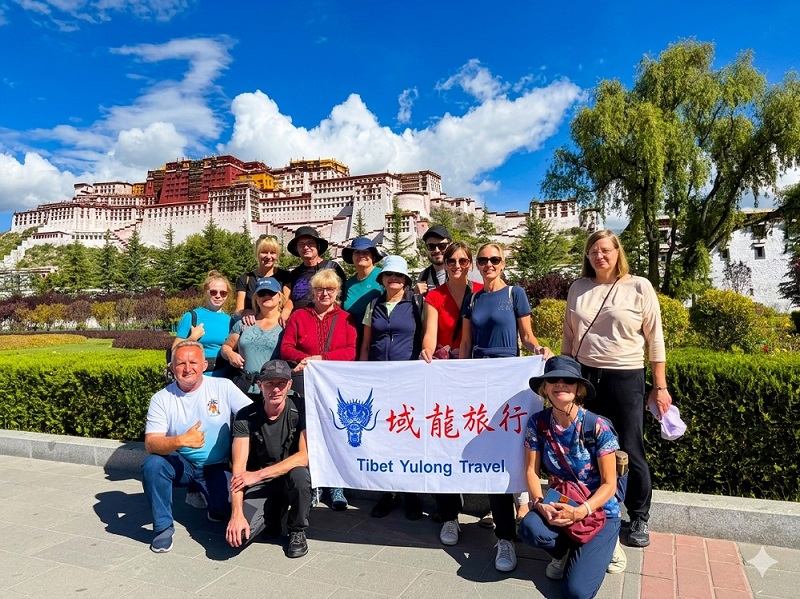
Yes — this is exactly the kind of trip that benefits from working with an experienced local operator rather than trying to piece together arrangements independently. TibetYulong specializes in Nepal-to-Tibet overland and flight itineraries, with a presence in both Lhasa and Kathmandu that allows us to manage the entire journey from permit processing and visa guidance through to transportation and accommodation.
Whether you’re planning a quick flight between the two capitals or an eight-day overland adventure through some of the most dramatic scenery in the Himalayas, having a team familiar with both sides of the border makes the logistics considerably easier to navigate — leaving you to focus on the journey itself rather than the paperwork behind it.