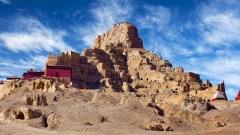

Along the ancient trade routes straddling the majestic Himalayan range, traveling from Kathmandu, the capital of Nepal, to the sacred snow-capped plateau of Tibet has long been a dream expedition for global adventurers. This iconic route seamlessly bridges the vibrant culture of South Asia’s ancient valleys with the tranquil, otherworldly beauty of the Roof of the World, making it the most popular international gateway into Tibet.
Whether you choose an overland journey winding upward through lush Himalayan foothills or a spectacular flight soaring directly over towering peaks, this voyage promises an unforgettable transition from subtropical greenery to alpine landscapes. However, crossing an international border into a high-altitude territory involves unique visa regulations, border port logistics, and health considerations that require meticulous planning.
Land vs. Air: Two Classic Ways to Enter Tibet
Travelers embarking from Kathmandu to Tibet generally select between two distinct modes of transportation, each offering a unique pace and visual narrative:
Overland Crossing via the Himalayan Highway (Gyirong / Zhangmu)
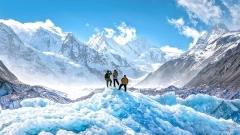
Overland travel is the quintessential way to experience the dramatic geographical transformation of the Himalayas. Setting out from Kathmandu, travelers wind north through mountain passes to cross into the Tibet Autonomous Region. As the altitude ascends steeply from Kathmandu’s 1,400 meters (4,593 ft) to over 4,000 meters (13,123 ft) on the Tibetan Plateau, lush rainforests give way to alpine meadows and majestic glaciers. Passing iconic landmarks such as Mount Everest Base Camp and Shigatse before reaching Lhasa, this route offers a thrilling and immersive overland circuit.
Direct Flight Above the Clouds (Kathmandu to Lhasa)
For travelers with limited time or a preference for maximum comfort, direct international flights operate between Kathmandu (KTM) and Lhasa Gonggar Airport (LXA), taking approximately 1.5 hours. Renowned as one of the world’s most spectacular aerial corridors, passengers on clear days can enjoy breathtaking panoramic views of the Himalayan crest, including Mount Everest, Kanchenjunga, Lhotse, and Cho Oyu.
Key Border Ports: Overland Gateways Between Nepal and Tibet
Several historical border crossings lie along the southern slope of the Himalayas between Nepal and Tibet. The primary ports open to international travelers include:
Gyirong Port (Kyirong Port) — The Primary Overland Gateway
Located in Gyirong County, Shigatse, Gyirong Port is currently the most established and frequently used land border for international travelers entering Tibet from Nepal. Situated on opposite sides of the border are Rasuwagadhi (Nepal) and Gyirong Town (Tibet). Known as the “Back Garden of Mt. Everest,” Gyirong Valley sits at a relatively lower altitude of around 2,800 meters (9,186 ft). Its lush vegetation and higher oxygen density provide an ideal acclimatization buffer, significantly reducing the risk of acute mountain sickness (AMS).
Zhangmu Port — The Historic Sino-Nepal Highway Crossing
Nestled in Nyalam County, Zhangmu Port was historically the largest land hub for trade and cultural exchange between China and Nepal. Built along steep cliffside gorges and waterfalls, Zhangmu primarily functions as a commercial freight corridor following structural upgrades and infrastructure restoration, serving as a key auxiliary border post in the region.
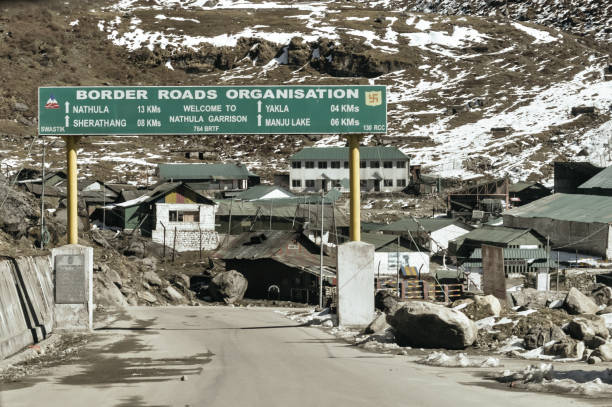
Travel Permits and Visa Application Guide
Entering Tibet from Nepal follows distinct administrative regulations compared to entering from mainland Chinese cities. Foreign travelers must adhere to the following key requirements:
1. Chinese Group Tourist Visa
Travelers holding foreign passports entering Tibet directly from Nepal cannot use an individual standard Chinese Visa (L Visa). In accordance with border regulations, travelers must apply for an official paper “Group Chinese Visa” issued by the Embassy of the People’s Republic of China in Kathmandu through an authorized Tibetan travel agency. All group members’ names are listed on a single visa sheet, requiring the group to enter and exit together.
2. Tibet Travel Permit (TTP) and Invitation Letter
Prior to visa submission, your designated Tibetan tour operator submits passport copies and itinerary details to the Tibet Autonomous Region Tourism Bureau to secure the Tibet Travel Permit and official invitation letters. Representatives in Kathmandu collect original passports to facilitate visa issuance at the embassy, a process typically requiring 3 to 4 working days. Travelers are strongly advised to schedule a minimum 3-day stay in Kathmandu beforehand.
Expert Travel Tip: Do not apply for an individual Chinese Visa prior to arriving in Kathmandu if you intend to enter Tibet via Nepal! Obtaining the Chinese Group Visa in Kathmandu will automatically cancel any pre-existing individual Chinese visas in your passport. Always follow the official sequence: Book Tour ➔ Issue Tibet Permit ➔ Obtain Group Visa in Kathmandu ➔ Cross Border.
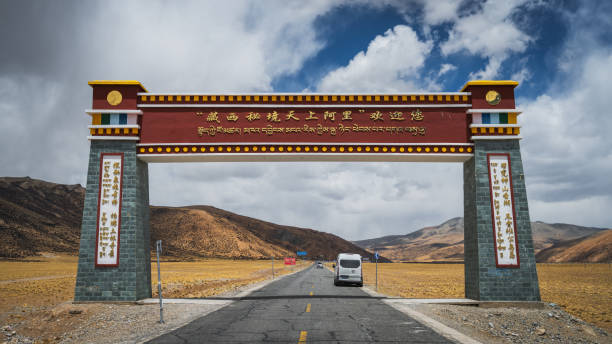
Essential Travel Tips and Altitude Acclimatization
Traveling from Nepal to Tibet is an awe-inspiring experience that demands careful physical preparation. Here are key practical recommendations:
Gradual Acclimatization and AMS Prevention
When traveling overland from Kathmandu (1,400 m) through Gyirong, elevation increases rapidly. We strongly recommend spending at least one night in Gyirong Town (2,800 m) to adjust to lower oxygen levels before ascending above 4,500 meters towards Tingri or Everest Base Camp. Stay hydrated with warm water, avoid strenuous physical exertion during early days, keep warm, and consult a medical professional regarding preventive medications such as Acetazolamide (Diamox) or Rhodiola.
Road Conditions and Travel Duration
The 160-kilometer road from Kathmandu to the Gyirong border features narrow mountain passes and can experience delays during the monsoon season (June to August), often requiring 7 to 9 hours of driving. Upon crossing into Tibet, roads transition to smooth, modern paved highways (G219 and G318). Due to winding high-mountain terrain, bringing motion sickness remedies and light snacks is recommended.
Temperature Shifts and Packing Essentials
Weather patterns vary drastically between the two sides of the Himalayas. While Kathmandu remains warm and humid, temperatures drop significantly upon entering the Tibetan Plateau, accompanied by strong diurnal temperature variations. Dress in versatile layers—including thermal base layers, a fleece or lightweight down jacket, and a windproof/waterproof outer shell—along with UV-protection sunglasses, sunscreen, and lip balm.