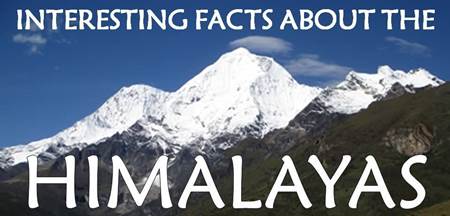

Nestled at the confluence of the Yarlung Tsangpo and Nyangchu Rivers, Shigatse—meaning “the fertile estate” in Tibetan—serves as the second-largest city in the Tibet Autonomous Region and the historical, political, and cultural center of the vast “Tsang” (Tsang) region. Resting at an altitude of approximately 3,800 meters, this fertile alluvial plain has nourished Tibetan civilization for centuries, earning its reputation as the granary of the plateau.
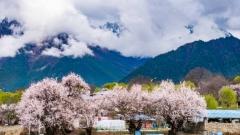
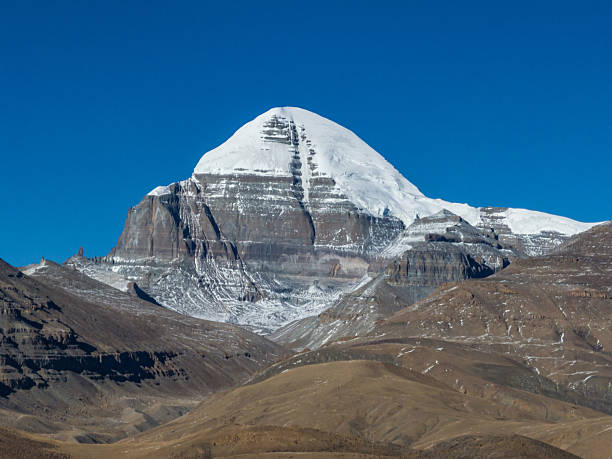
In contrast to the vibrant, fast-paced atmosphere of Lhasa, Shigatse exudes a serene, ancient, and deeply spiritual tranquility. Here, dramatic snow-capped peaks frame sprawling agricultural valleys, while the sacred echoes of ancient monasteries blend seamlessly with the timeless rhythm of local life. For international travelers, Shigatse is far more than just the gateway to Mount Everest—it is a sanctuary where authentic Tibetan hospitality, rich traditions, and spiritual heritage endure.
A Fortress of Faith and Power: The Historical Evolution of Shigatse
Shigatse’s story traces back to the Tubo Kingdom, but its rise as the political and religious epicenter of Tsang began in the 14th century during the Phagmodrupa Dynasty. Local rulers erected the imposing Shigatse Dzong (Fortress) atop the rocky ridge, establishing a centralized seat of power. By the late 16th century, under the Tsangpa Dynasty, Shigatse briefly served as the sovereign center of all Tibet.
The city’s spiritual identity transformed in 1447 when Gendun Drup, a principal disciple of Tsongkhapa and posthumously recognized as the First Dalai Lama, founded the grand Tashilhunpo Monastery. When the Qing Dynasty imperial court officially conferred the title upon the Fourth Panchen Lama, Shigatse permanently became the traditional seat of the Panchen Lamas. Over the centuries, this established a dual center of authority in Tibet, with Lhasa leading Tsang and Shigatse guarding Tsang. This unique status fostered a legacy enriched by trade along the Ancient Tea Horse Road and cross-Himalayan commerce.
Centenary Art and Living Faith: The Spirit of Tsang Culture
Tsang culture represents one of the most distinctive pillars of Tibetan heritage, marked by a profound, introspective, and artistic character. Radiating from Tashilhunpo Monastery, this cultural spirit manifests in sacred painting, bronze sculpting, architecture, and folk traditions. Shigatse gave birth to the influential Mensa School of Thangka painting, celebrated for its intricate linework, rich mineral pigments, and expressive iconography that remain the pinnacle of Buddhist visual art.
Beyond visual arts, the region is famed for its unique bronze casting techniques and vibrant wall murals that blend Nepalese, Indian, and Han artistic influences. On the cultural calendar, festivals such as the grand Buddha Unrolling Festival at Tashilhunpo and the summer Linka (Picnic) Festival bring the community together. Dressed in elaborate traditional Tsang attire, locals gather in lush groves to sing, dance, and offer prayers, showcasing an enduring reverence for nature and the divine.
Urban Landmarks: A Sacred Pilgrimage Through History
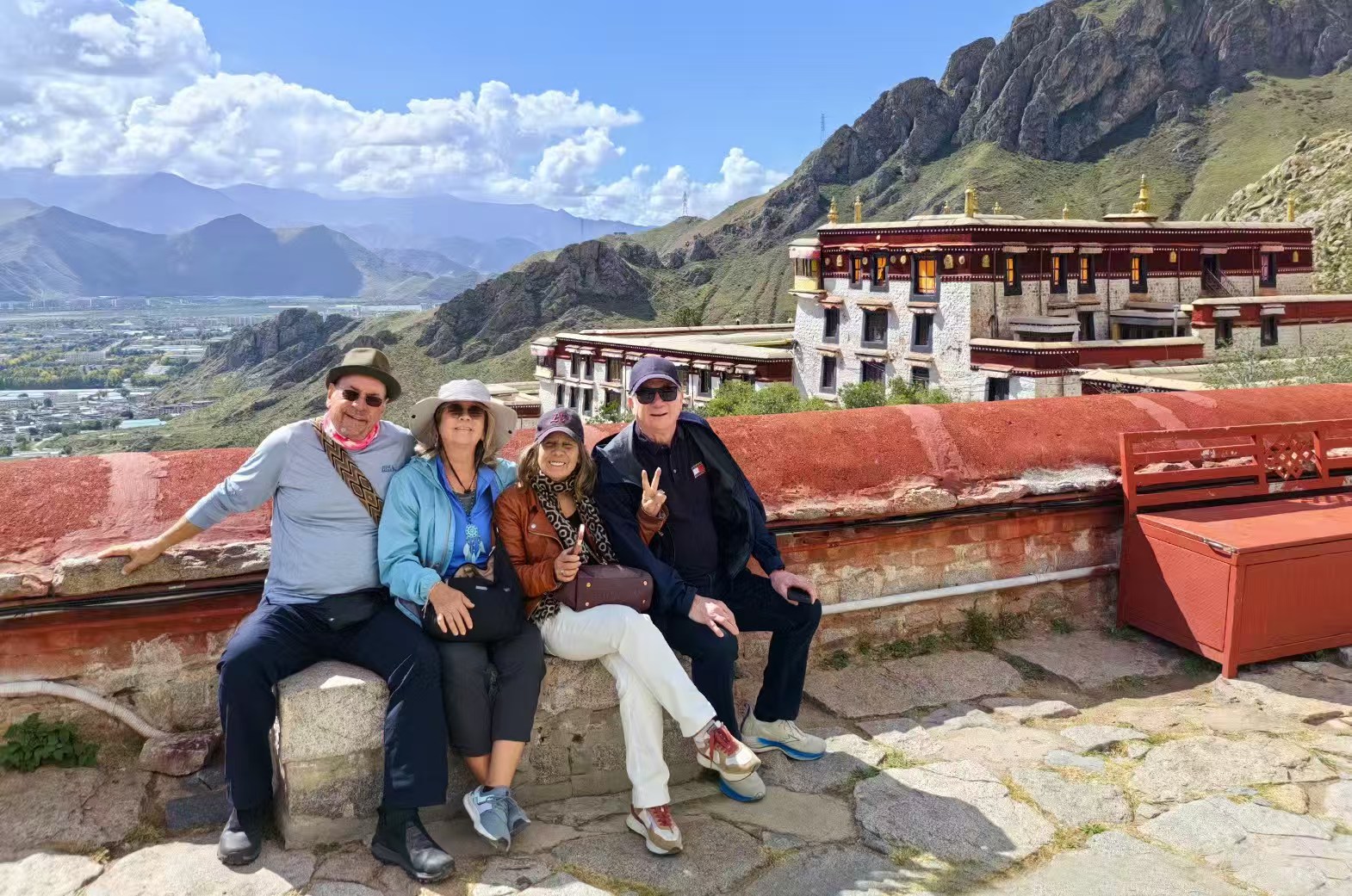
In the heart of Shigatse lies Tashilhunpo Monastery, nestled against the southern slopes of Mount Nyser. As one of the six great Gelugpa monasteries, its sprawling complex features gleaming golden roofs, red-and-white stone walls, and winding cobblestone alleys. Inside stands the awe-inspiring 26.2-meter-tall statue of Maitreya (the Future Buddha), the largest indoor bronze statue in the world, adorned with hundreds of precious gems and gold leaf. Walking through the incense-scented halls alongside chanting monks offers an unforgettable encounter with living Tibetan devotion.
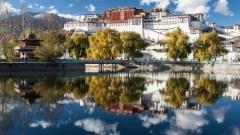
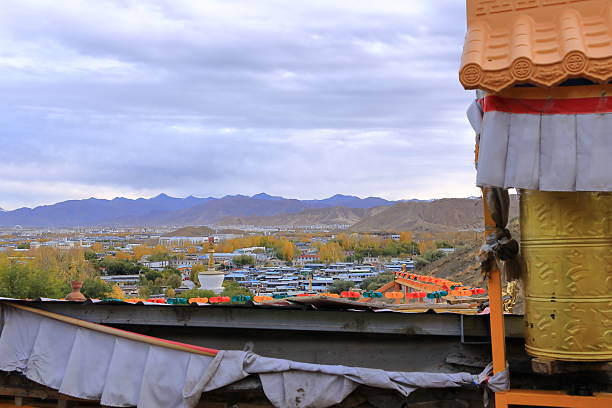
Perched dramatically on the cliffside overlooking the city stands Shigatse Dzong. Reconstructed to reflect its historical grandeur, this fortress bears a striking resemblance to Lhasa’s Potala Palace, earning it the nickname “Little Potala.” Standing at the fort’s vantage points provides a panoramic 360-degree view of the traditional Tibetan quarter below, juxtaposed against the vast Nyangchu River valley and distant mountain ranges.
Surrounding Wonders: From Sacred Chortens to the Roof of the World
Venturing beyond the city reveals some of the world’s most spectacular natural and architectural marvels. In Gyantse County, Pelkor Chode Monastery stands out with its extraordinary Kumbum Stupa (Ten Thousand Buddhas Pagoda). Rising nine tiers high, this architectural masterpiece houses nearly 100 chapels filled with exquisite murals and statues, representing a rare synthesis of Sakya, Kagyud, and Gelugpa artistic styles.
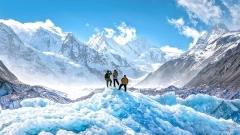
Continuing southwest along the Friendship Highway, the route climbs over dramatic Himalayan passes reaching altitudes above 5,000 meters—such as the famous Gawu La Pass—before arriving at Everest Base Camp (EBC). Standing at the foot of the world’s highest peak, travelers can gaze upon the sheer, ice-draped North Face of Mount Everest. As night falls, the crystal-clear mountain sky opens up to reveal the Milky Way stretching across the Himalayas—a sight that leaves an indelible mark on every adventurer.
Flavors of the High Plateau: Authentic Culinary Traditions of Tsang
No journey to Shigatse is complete without savoring its distinct highland cuisine. Thanks to the sun-drenched, fertile Nyangchu River valley, Shigatse produces the finest highland barley (tsampa) in Tibet. Freshly milled barley flour boasts an intense, nutty aroma and forms the foundation of daily meals, while locally brewed barley wine (chang) offers a sweet, mildly tart flavor with gentle fruity notes.
Street vendors and local eateries serve Shigatse’s signature delicacy: Pengbi. This unique street food is made from concentrated barley pea starch cooked into a smooth jelly, sliced, and drizzled with aromatic sesame oil, chili paste, and wild mountain chives. To warm up after a day of exploration, travelers can feast on tender hand-pulled mutton, air-dried yak meat, or a simmering Tibetan hotpot. Paired with a steaming pot of rich butter tea or sweet milk tea, dining in a local teahouse offers an authentic taste of everyday life in the high Himalayas.