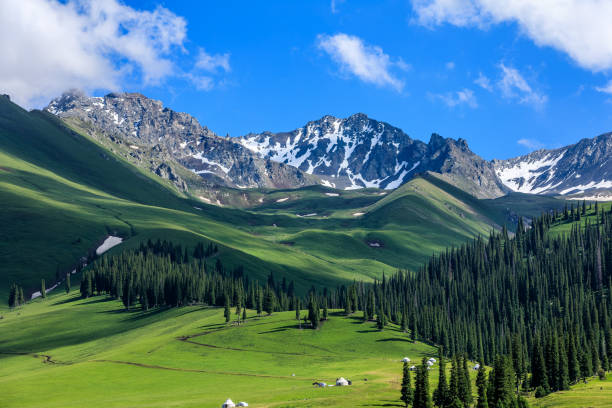
Tibet is not just a land of towering peaks and ancient monasteries; it is also a region rich in geothermal activity. Hidden among snow-capped mountains and vast grasslands are some of the most remarkable natural hot spring bathing spots in Tibet. These thermal pools have been used by locals and pilgrims for centuries, valued for their healing properties and spiritual significance. For travelers seeking a unique way to experience the Tibetan Plateau, soaking in these mineral-rich waters offers an unforgettable blend of relaxation and cultural immersion. The contrast between the freezing mountain air and the steaming thermal water creates an experience unlike any other destination on earth.
✨ Highlights:
- Tibet’s high-altitude geothermal activity creates world-class hot springs.
- Yangpachen is the largest and most famous thermal area in Tibet.
- Dezhong Hot Spring holds deep spiritual significance for Tibetan Buddhists.
- Proper acclimatization is essential before visiting high-altitude springs.
- Local etiquette requires respectful behavior at communal bathing sites.
Why Tibet is Home to Exceptional Natural Hot Spring Bathing Spots
To understand why there are so many incredible natural hot spring bathing spots in Tibet, one must look at the geological forces that shaped the plateau. The Tibetan Plateau was formed by the collision of the Indian and Eurasian tectonic plates. This ongoing geological process has created a highly active geothermal zone beneath the surface. As a result, heat from the Earth’s mantle rises through fractures in the crust, heating groundwater to create hundreds of hot springs, geysers, and boiling mud pools across the region.
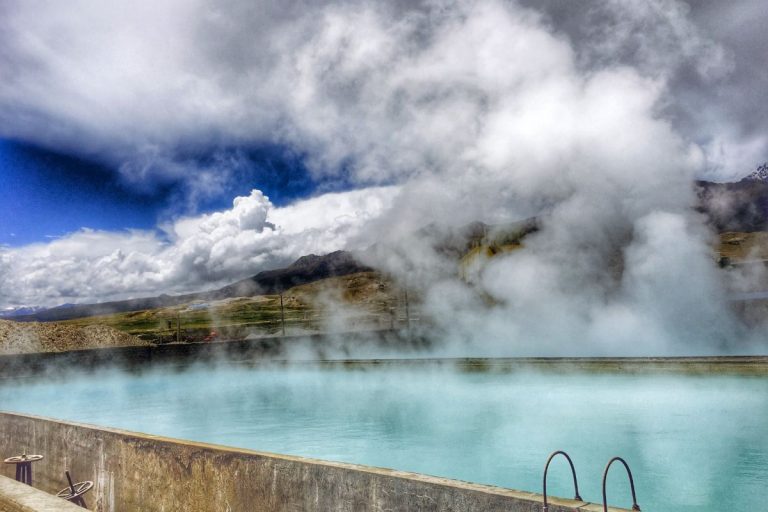
c Hot Spring
Unlike commercialized spa destinations found elsewhere in the world, the hot springs in Tibet remain largely untouched and deeply integrated into local culture. Many of these springs are located in remote valleys or near sacred mountains, making them pilgrimage sites as much as they are places of physical healing. The mineral composition of these waters varies from spring to spring, with many containing high levels of sulfur, calcium, magnesium, and radon. Locals have long believed that bathing in these specific mineral combinations can alleviate ailments ranging from arthritis and skin diseases to digestive issues and chronic fatigue.
For modern travelers, discovering these natural hot spring bathing spots in Tibet provides a rare opportunity to step away from luxury resorts and connect with nature in its rawest form. The experience is less about pampering and more about embracing the elements, respecting local traditions, and feeling the pulse of the earth beneath you.
Yangpachen: The Most Famous of the Natural Hot Spring Bathing Spots in Tibet
When discussing natural hot spring bathing spots in Tibet, Yangpachen is invariably the first name mentioned. Located approximately 90 kilometers northwest of Lhasa, at an elevation of about 4,300 meters, Yangbajain is the largest geothermal field in China. The valley is perpetually shrouded in steam, creating a surreal landscape where white plumes rise against the backdrop of the snow-covered Nyainqêntanglha Mountains.
Yangpachen is not a single pool but a massive geothermal complex featuring hot springs, hot lakes, boiling springs, and even geysers. The water temperatures in the source areas can exceed 80 degrees Celsius, meaning the water must be cooled before it is safe for human bathing. The development of tourism infrastructure here has led to the creation of several bathing facilities, ranging from basic outdoor pools to indoor swimming complexes filled with naturally heated mineral water.
Visiting Yangpachen is a highlight for anyone exploring the natural hot spring bathing spots in Tibet. The sensation of submerging your body in warm, mineral-rich water while the ambient air temperature hovers near freezing is incredibly invigorating. Beyond the bathing experience, the surrounding geothermal landscape is fascinating to explore. You can see bubbling mud pots and steam vents that hiss loudly, reminding visitors of the immense power lying just beneath the thin crust of the plateau.
Travelers heading to Yangpachen should plan their visit carefully. Because it is relatively close to Lhasa, it makes for an excellent day trip or an overnight stay. When organizing your itinerary, working with experienced operators like Tibet Yulong Travel can ensure that your transportation, permits, and accommodations are handled smoothly, allowing you to focus entirely on enjoying the therapeutic waters without logistical stress.
Dezhong Hot Spring: A Sacred Healing Destination
While Yangpachen is known for its scale, Dezhong Hot Spring is revered for its spiritual atmosphere. Situated in Maizhokunggar County, roughly 140 kilometers northeast of Lhasa, Dezhong sits at an altitude of around 4,400 meters. It is widely considered one of the most authentic and culturally significant natural hot spring bathing spots in Tibet.
Dezhong is closely associated with the nearby Dezhong Nunnery and is deeply embedded in Tibetan Buddhist tradition. According to local legend, the spring was blessed by Guru Rinpoche (Padmasambhava), the founder of Tibetan Buddhism. Pilgrims travel from all over the Tibetan Plateau to bathe in these waters, believing that the spring possesses miraculous healing powers capable of curing both physical illnesses and spiritual impurities.
The bathing facilities at Dezhong are traditional and rustic. There are separate stone-walled pools for men and women, though historically, communal bathing was common. The water emerges from the rock face at a comfortable temperature, rich in sulfur and other minerals, giving it a distinct smell and a slightly milky appearance. Unlike heavily commercialized spas, Dezhong retains a profound sense of tranquility and devotion. Visitors will often hear monks and nuns chanting nearby, adding a deeply meditative quality to the bathing experience.
If you are seeking natural hot spring bathing spots in Tibet that offer a genuine cultural encounter rather than a tourist attraction, Dezhong is unparalleled. However, reaching Dezhong requires navigating rugged mountain roads. Arranging transport through knowledgeable local guides, such as those provided by Tibet Yulong Travel, is highly recommended. They can help navigate the terrain and advise on the best times to visit to respect local customs and avoid peak pilgrimage crowds.
Other Remarkable Natural Hot Spring Bathing Spots in Tibet
Beyond Yangpachen and Dezhong, the Tibetan Plateau hides numerous other natural hot spring bathing spots in Tibet that adventurous travelers can seek out. Each location offers a different environment, mineral profile, and cultural context.
Quzhuomu Hot Spring
Located in the Ngari Prefecture of western Tibet, Quzhuomu is one of the highest hot springs in the world, sitting at an elevation exceeding 5,000 meters. This remote location means it sees very few foreign tourists, remaining a vital resource for local nomadic herders. The spring is surrounded by stark, high-altitude desert landscapes, and the water is heavily mineralized. Bathing here is a rugged, expedition-style experience suited only for well-acclimatized and physically prepared travelers.
Rido Hot Spring
Situated in Lhari County, Nagqu Prefecture, Ruiduo Hot Spring is another gem among the natural hot spring bathing spots in Tibet. Known for its exceptionally clear water and high radon content, this spring is frequently visited by locals suffering from joint pain and cardiovascular issues. The setting is picturesque, surrounded by rolling alpine meadows that turn vibrant green during the brief summer months.
Gongtang Hot Spring
Found in Gyirong County near the Nepal border, Gongtang benefits from a lower elevation compared to central Tibet, making it more accessible for those sensitive to extreme altitudes. The surrounding landscape is lush and forested, quite different from the arid plateau further north. The waters here are gentle on the skin and provide a relaxing stopover for travelers trekking through the Himalayan border regions.
Exploring these lesser-known natural hot spring bathing spots in Tibet requires careful planning, proper permits, and reliable logistics. Partnering with established agencies like Tibet Yulong Travel ensures that you can safely access these remote locations while adhering to all regional travel regulations.
Health Benefits of Bathing in Tibet’s Geothermal Waters
The appeal of the natural hot spring bathing spots in Tibet extends far beyond the scenic beauty. The therapeutic value of these geothermal waters has been recognized for generations. Modern balneotherapy—the treatment of disease by bathing in mineral springs—supports many of the claims made by traditional Tibetan medicine.
The high sulfur content found in springs like Dezhong and Yangpachen is particularly beneficial for dermatological conditions. Sulfur acts as a natural antibacterial and antifungal agent, helping to soothe eczema, psoriasis, and chronic acne. Furthermore, the warmth of the water causes vasodilation, improving blood circulation throughout the body. This increased blood flow helps deliver oxygen and nutrients to damaged tissues, accelerating recovery from muscle strains and joint inflammation.
Many of the natural hot spring bathing spots in Tibet also contain dissolved silica, which is known to strengthen connective tissues and improve skin elasticity. Radon-rich springs, such as those found in Ruiduo, are utilized in various parts of the world for treating rheumatoid arthritis and asthma, as low-dose radiation therapy is believed to modulate the immune system and reduce chronic inflammation.
However, it is crucial to approach hot spring bathing at high altitudes with caution. The combination of hot water and thin air places extra strain on the cardiovascular system. Travelers with pre-existing heart conditions, high blood pressure, or respiratory issues should consult a physician before immersing themselves in the natural hot spring bathing spots in Tibet.
Essential Travel Tips for Visiting Natural Hot Spring Bathing Spots in Tibet
Planning a trip to experience the natural hot spring bathing spots in Tibet requires preparation, as the environment is unforgiving and the infrastructure differs vastly from standard tourist destinations.
Altitude Acclimatization
Most hot springs in Tibet are located above 4,000 meters. Altitude sickness is a serious risk. Spend at least two to three days in Lhasa (3,650 meters) acclimatizing before traveling to higher elevations like Yangpachen or Dezhong. Stay hydrated, avoid alcohol, and refrain from strenuous exercise during your initial days. If you feel dizzy, nauseous, or short of breath, do not enter a hot spring, as the heat can exacerbate altitude symptoms rapidly.
Cultural Etiquette and Respect
Many natural hot spring bathing spots in Tibet are considered sacred. Always ask for permission before taking photographs, especially at places like Dezhong, where pilgrims come for spiritual purification. Dress modestly when walking around the spring areas. In traditional communal baths, nudity may be the norm among locals, but visitors should observe and follow the lead of the residents or adhere to the rules set by the facility management. Never use soap or shampoo directly in natural, unfiltered springs, as this pollutes the water source for others.
What to Pack
Bring your own swimwear, towels, and waterproof sandals. While some developed springs like Yangpachen have changing rooms and rental services, remote springs offer no amenities. Pack a dry bag to keep your clothes protected from the pervasive steam and moisture. Due to the intense UV radiation at high altitudes, apply strong sunscreen to any exposed skin before and after bathing, even on cloudy days.
Permits and Logistics
Foreign travelers cannot visit Tibet independently. You must obtain a Tibet Travel Permit, and if you are visiting restricted areas like Ngari or Nagqu for remote springs, additional Alien Travel Permits and Military Permits are required. Navigating this bureaucracy can be complex. Utilizing the expertise of Tibet Yulong Travel simplifies this process immensely. Their team handles all permit applications, arranges suitable high-altitude vehicles, and provides experienced drivers who know the road conditions leading to the various natural hot spring bathing spots in Tibet.
The Role of Professional Travel Services
Reaching the most pristine natural hot spring bathing spots in Tibet is rarely as simple as booking a hotel and hailing a taxi. The distances are vast, the roads can be unpaved and treacherous, and the language barrier in rural areas is significant. Having a reliable travel partner is essential for a safe and enriching experience.
Tibet Yulong Travel specializes in crafting itineraries that go beyond the standard tourist trail. Whether you want to combine a visit to the Potala Palace with a relaxing afternoon at Yangpachen, or embark on a multi-day overland journey to reach the remote springs of western Tibet, their customized tours cater to diverse travel styles. Their local guides possess deep knowledge of Tibetan culture and geography, ensuring that your visit to these sacred waters is conducted respectfully and safely.
Furthermore, professional operators monitor weather patterns and road conditions daily. During the winter months, heavy snowfall can block passes leading to certain hot springs, while the summer monsoon season can cause landslides. Tibet Yulong Travel provides real-time adjustments to itineraries, ensuring that travelers do not miss out on experiencing the natural hot spring bathing spots in Tibet due to unforeseen logistical hurdles.
Experiencing the Seasons at Tibet’s Hot Springs
The experience of visiting natural hot spring bathing spots in Tibet changes dramatically depending on the season. Winter, from November to March, offers the most visually striking contrast. As snow blankets the surrounding mountains and the air temperature drops well below freezing, the steam rising from the thermal pools becomes thick and dramatic. Soaking in hot water while snowflakes fall around you is a quintessential Tibetan experience. However, winter travel requires dealing with icy roads and extremely cold ambient temperatures when exiting the water.
Summer, from June to August, brings warmer weather and lush green landscapes, making the journey to remote springs more comfortable. The roads are generally clearer, and the risk of severe cold exposure is minimal. However, summer is also the rainy season, which can lead to muddy trails and occasional travel delays. Additionally, summer coincides with several major Tibetan festivals, meaning popular springs like Dezhong may be crowded with local pilgrims.
Spring and autumn offer a balanced compromise. The skies are typically clear, providing stunning views of the Himalayan peaks, and the temperatures are moderate. These shoulder seasons are ideal for photographers and those looking to enjoy the natural hot spring bathing spots in Tibet without the extremes of winter cold or summer rains.
Preserving the Geothermal Heritage
As global interest in wellness tourism grows, the natural hot spring bathing spots in Tibet face increasing attention. It is vital that this growth does not lead to environmental degradation. Over-extraction of geothermal water can deplete springs and alter the delicate ecological balance of the surrounding areas. Furthermore, littering and the introduction of chemical pollutants threaten the purity of these ancient waters.
Responsible travel practices are paramount. Visitors must commit to leaving no trace, carrying out all waste, and respecting the boundaries set by local communities. By choosing ethical tour operators like Tibet Yulong Travel, who prioritize sustainable tourism practices, travelers contribute to the preservation of these sites. Ensuring that the natural hot spring bathing spots in Tibet remain pristine guarantees that future generations of locals and visitors alike can continue to benefit from the healing and spiritual power of the earth’s thermal waters.
Immersing yourself in the geothermal wonders of the Tibetan Plateau is a journey that touches the body, mind, and spirit. From the expansive, steam-filled valley of Yangpachen to the quiet, prayer-filled stones of Dezhong, the natural hot spring bathing spots in Tibet offer an adventure that transcends ordinary travel. With proper preparation, cultural sensitivity, and the right logistical support, these ancient waters await to provide one of the most memorable experiences of your life.