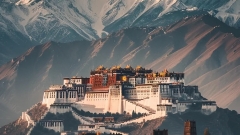
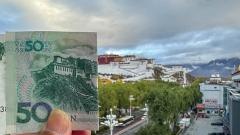
Walking through the narrow, sun-drenched alleys of Lhasa, you are often greeted by a distinct, earthy fragrance drifting from temple courtyards and local homes. This scent is not merely a pleasant aroma; it is the heartbeat of Tibetan spiritual and daily life. For travelers seeking an experience that goes beyond standard sightseeing, participating in a Tibetan incense making workshop Lhasa offers a profound connection to the region’s ancient heritage. Crafting incense here is an act of meditation, utilizing high-altitude botanicals that have been gathered for centuries. Whether you are a culture enthusiast or simply looking for a meaningful souvenir, learning how to blend and roll your own incense sticks provides an unforgettable glimpse into Himalayan traditions. The rhythmic process of mixing herbs and shaping them by hand teaches patience and mindfulness, leaving you with a deeper appreciation for Tibetan craftsmanship.
✨ Highlights:
- Ancient herbal recipes used in Tibetan incense.
- Hands-on rolling techniques taught by local artisans.
- Deep spiritual significance behind every ingredient.
- Practical tips for booking a workshop experience.
- Sustainable sourcing of high-altitude botanicals.
Understanding the Heritage Behind a Tibetan Incense Making Workshop Lhasa
To truly appreciate what happens inside a Tibetan incense making workshop Lhasa, one must first understand the deep historical roots of incense in this region. Unlike the thin, bamboo-cored sticks commonly found in East Asian traditions, Tibetan incense is typically thicker, denser, and entirely free of a wooden core. It is made purely from compressed natural materials, which allows it to burn slowly and release a rich, complex smoke. The history of this craft dates back over a thousand years, closely intertwined with the spread of Buddhism across the Himalayas and the indigenous Bon religion that preceded it.
In traditional Tibetan medicine, known as Sowa Rigpa, incense is not just used for religious offerings; it plays a vital role in healing practices. The aromatic smoke is believed to purify the environment, calm the nervous system, and balance the body’s internal energies. Monks and physicians historically formulated specific blends to treat ailments ranging from insomnia to respiratory issues. When you step into a workshop today, you are stepping into a lineage of knowledge passed down through generations of healers, monks, and artisan families. The recipes are often closely guarded secrets, handed from master to apprentice, ensuring that the purity and efficacy of the blends remain intact.
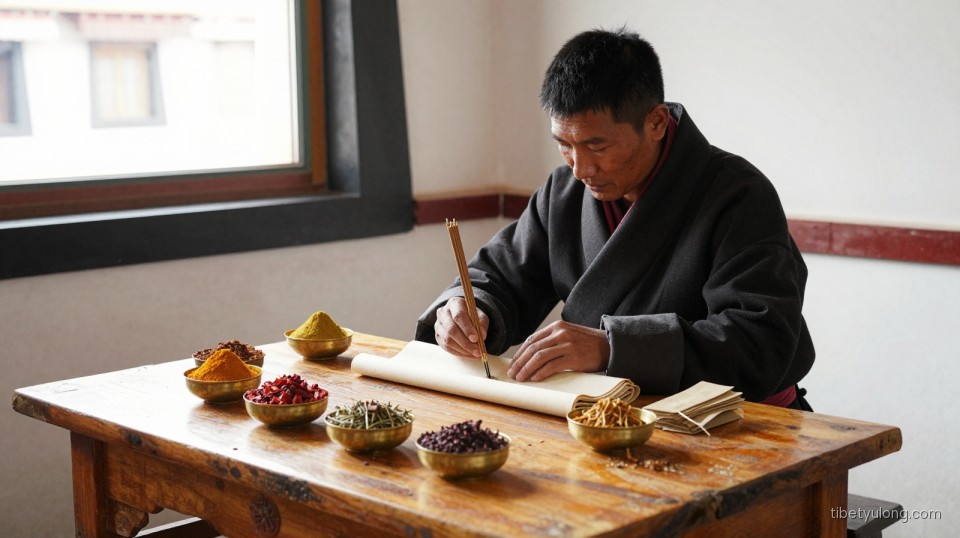
The atmosphere of Lhasa itself contributes to the uniqueness of this craft. Situated at an altitude of over 3,600 meters, the city’s dry, crisp air and intense sunlight create ideal conditions for drying the raw herbs used in incense production. Many workshops are located in the older districts of the city, near the Barkhor Street area or within the compounds of smaller monasteries, where the sound of chanting often accompanies the rhythmic scraping of dough-like incense mixtures. This sensory environment makes the learning process deeply immersive, connecting the physical act of crafting with the spiritual essence of the city.
Essential Ingredients Used in a Tibetan Incense Making Workshop Lhasa
A visit to a Tibetan incense making workshop Lhasa reveals a fascinating apothecary of high-altitude flora. The ingredients used are predominantly wild-harvested from the rugged landscapes of the Tibetan Plateau, the Himalayas, and surrounding valleys. Because these plants grow in extreme conditions—battling high UV radiation, low oxygen, and freezing temperatures—they develop highly concentrated essential oils and potent medicinal properties. Understanding these ingredients is crucial to appreciating the final product you will create during your workshop.
The base of almost all Tibetan incense consists of juniper (known locally as shug pa) and various species of rhododendron. Juniper has been sacred in Tibet since pre-Buddhist times, used in sang (smoke offering) rituals to appease local deities and purify spaces. Its woody, slightly sweet, and resinous scent forms the backbone of most blends. Alongside juniper, artisans use saffron, which adds a luxurious warmth and a vibrant color to the mixture. Though expensive, even small amounts of saffron significantly elevate the quality and aromatic profile of the incense.
Other common botanicals include white sandalwood, red sandalwood, and agarwood, which provide deep, grounding base notes. Nardostachys jatamansi, commonly known as spikenard, is another highly prized ingredient. This alpine plant yields a heavy, sweet, and earthy aroma that is deeply calming and frequently mentioned in ancient Buddhist texts. Cloves, cardamom, cinnamon, and nutmeg are added not only for their warming fragrances but also for their therapeutic benefits in traditional medicine. Some specialized blends might also incorporate dried flowers like edelweiss or blue poppy, minerals such as crushed turquoise or coral dust (used symbolically), and occasionally animal-derived musks, though modern ethical workshops rely entirely on plant-based alternatives.
During the workshop, the instructor will typically lay out these raw ingredients in wooden bowls or brass trays. You will have the opportunity to smell each component individually before they are ground into fine powders. The grinding process itself is often done using traditional stone mortars, a labor-intensive method that prevents the heat generated by electric grinders from altering the delicate volatile oils of the herbs. This careful preparation ensures that the spiritual and medicinal integrity of the ingredients is preserved.
The Step-by-Step Process Inside a Tibetan Incense Making Workshop Lhasa
Participating in a Tibetan incense making workshop Lhasa is a tactile, engaging experience that requires patience and attention to detail. The process of transforming raw, aromatic powders into finished incense sticks is both an art and a science, guided by the steady hands of local artisans who have perfected their technique over decades.
The first step involves measuring and blending the powdered ingredients according to a specific recipe. The workshop facilitator will usually provide a pre-measured selection of herbs suitable for beginners, perhaps focusing on a calming blend designed for meditation or a purifying blend meant for clearing negative energy. You will mix these dry powders together in a large bowl until the colors and scents meld into a uniform mixture. This stage is highly aromatic, as the friction of mixing releases the essential oils trapped within the plant fibers.
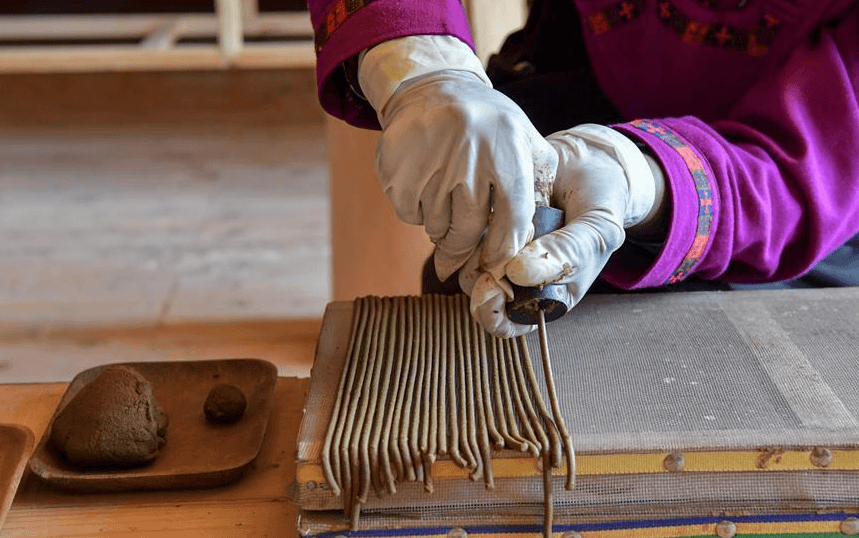
Tibetan Incense Production in Tibet
Once the dry blend is ready, water is gradually introduced. Unlike some other incense-making traditions that use synthetic binders or glues, authentic Tibetan incense relies solely on water and the natural sticky properties of certain plant resins to hold the mixture together. You will knead the damp powder much like bread dough, working it until it reaches a smooth, pliable consistency without being overly wet. If the dough is too dry, the sticks will crumble; if it is too wet, they will warp and take too long to dry, potentially developing mold. Finding this perfect balance is one of the primary skills you will learn.
The most iconic phase of the workshop is the extrusion process. Traditionally, this is done using a simple, handheld wooden press or a yak-horn tool fitted with a small circular hole. You place a lump of the prepared dough into the press and apply steady, even pressure. As you push, a long, continuous “noodle” of incense emerges from the hole. Using a specialized flat wooden board or a taut string, you cut these strands into uniform lengths, typically around 15 to 20 centimeters. This requires a gentle touch; pressing too hard causes the strands to break, while uneven pressure results in varying thicknesses that will burn inconsistently.
After cutting, the raw sticks are carefully laid out on wooden drying racks lined with parchment or clean cloth. They must be arranged perfectly straight, as any curve set during the drying phase will be permanent. Depending on the weather and humidity in Lhasa, the drying process can take anywhere from several days to over a week. In a workshop setting, you may not be able to wait for your exact batch to fully cure, so artisans often allow you to take home semi-dried sticks or provide pre-dried ones made from the same recipe you practiced with, allowing you to experience the final burning process sooner.
Spiritual and Cultural Significance Explored in a Tibetan Incense Making Workshop Lhasa
Beyond the physical craft, attending a Tibetan incense making workshop Lhasa provides a window into the spiritual philosophy that governs daily life on the plateau. In Tibetan Buddhism, offering incense is one of the most fundamental acts of devotion. It represents the offering of one’s senses to the enlightened beings and serves as a reminder of the impermanence of all things, as the solid stick transforms into ethereal smoke.
When you light incense in a Tibetan home or monastery, it is rarely done casually. There are specific mantras recited during the lighting process, and the direction in which the smoke drifts is sometimes observed as an omen. The smoke is believed to carry prayers upward to the heavens, acting as a bridge between the physical and spiritual realms. During your workshop, the instructor will likely share these cultural nuances, explaining why certain herbs are chosen for morning prayers versus evening meditation. For instance, lighter, uplifting scents featuring more floral notes might be preferred at dawn, while heavier, grounding woods like sandalwood are favored as the day ends.

The concept of merit-making is also central to the craft. Artisans who produce incense for monasteries view their work not merely as a profession, but as a form of spiritual practice. The mindfulness required to measure, mix, and roll the incense perfectly aligns with meditative principles. By participating in this workshop, travelers temporarily adopt this mindset. The repetitive motions of kneading the dough and extruding the sticks naturally quiet the mind, offering a rare moment of digital detox and mental stillness amidst a busy travel itinerary. This psychological benefit is often cited by visitors as the most valuable takeaway from the experience.
Furthermore, the communal aspect of incense making reflects Tibetan social structures. Historically, families would gather to harvest herbs during the brief summer months and spend the colder seasons processing them indoors. Workshops today often emulate this communal atmosphere, encouraging participants to work alongside locals and fellow travelers, sharing stories and techniques in a collaborative environment.
Practical Guide to Booking a Tibetan Incense Making Workshop Lhasa
If you are planning to join a Tibetan incense making workshop Lhasa, practical preparation will ensure you get the most out of the experience. These workshops are generally intimate affairs, accommodating small groups to allow for personalized instruction. Due to their growing popularity among culturally curious travelers, it is advisable to book your spot well in advance of your arrival in Lhasa.
Workshops are typically hosted in traditional courtyard houses, small artisan studios, or within cultural centers affiliated with local monasteries. Sessions usually last between two to three hours, providing ample time to learn the history, handle the ingredients, and practice the rolling technique. Most instructors speak basic English, though having a bilingual guide can significantly enrich the experience by translating the deeper philosophical concepts and subtle jokes shared during the process.
When preparing for the workshop, wear comfortable clothing that you do not mind getting slightly dusty or stained, as handling natural herb powders can leave temporary marks. The strong aromas will cling to your clothes and hair, which many participants find to be a delightful, lingering reminder of the experience. It is also important to consider your health; if you have severe allergies to pollen, specific herbs, or strong fragrances, inform the organizers beforehand so they can adjust the ingredients used during your session.

Tibetan Incense Powder
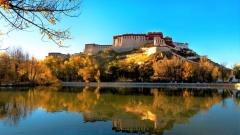
Navigating the logistics of travel in Tibet requires careful planning due to permit regulations and high-altitude considerations. To make your journey seamless, many travelers choose to organize their itineraries through experienced local operators. Companies like Tibet Yulong Travel specialize in curating immersive cultural experiences that go beyond standard tourist routes. By arranging your trip with knowledgeable professionals, you can easily integrate a Tibetan incense making workshop Lhasa into a broader itinerary that includes visits to the Potala Palace, Jokhang Temple, and remote monastic retreats. They handle the necessary travel permits, transportation, and scheduling, ensuring that your focus remains entirely on absorbing the rich cultural tapestry of the region rather than worrying about logistical hurdles.
What to Expect After Your Tibetan Incense Making Workshop Lhasa
Completing a Tibetan incense making workshop Lhasa leaves you with more than just a bundle of handcrafted sticks; it alters the way you perceive the city and its rhythms. As you walk away from the workshop and return to the bustling streets of Barkhor or the serene paths around the Potala Palace, the ubiquitous scent of burning juniper and sandalwood takes on a new meaning. You begin to recognize the specific herbal notes in the smoke drifting from neighborhood shrines, understanding the intention and care that went into creating them.
Taking your handmade incense home presents its own unique considerations. Because authentic Tibetan incense lacks chemical accelerants, it burns differently than commercial varieties. It requires a proper incense burner—usually a wide, shallow bowl filled with ash or rice to support the thick, coreless stick horizontally or at a slight angle. Lighting it demands a bit of patience; you must hold the flame to the tip until a glowing ember establishes itself and a steady stream of fragrant smoke begins to rise. When burned correctly, the aroma fills a room with a warm, enveloping presence that instantly transports the mind back to the high altitudes and ancient courtyards of Lhasa.
Many travelers find that the incense they crafted becomes a centerpiece of their personal meditation or relaxation routines back home. The knowledge gained during the workshop—the understanding of how specific herbs interact, the physical memory of kneading the dough, and the cultural context provided by the artisans—adds a layer of profound value to the final product. It ceases to be a mere souvenir and becomes a functional piece of living heritage.
Engaging in this craft also fosters a deeper respect for the artisans who dedicate their lives to preserving these ancient methods. In an era of mass production and synthetic fragrances, the dedication required to wild-harvest alpine herbs, grind them by stone, and roll them by hand is a testament to the resilience of Tibetan culture. Supporting these workshops directly contributes to the local economy and helps ensure that younger generations see the value in continuing their ancestral trades. Whether you are drawn by spiritual curiosity, a love for botany, or simply the desire for a uniquely authentic travel experience, dedicating an afternoon to this ancient craft remains one of the most rewarding ways to connect with the soul of the Himalayas.