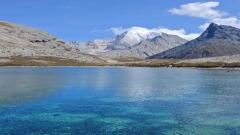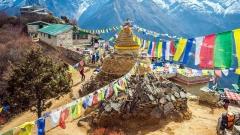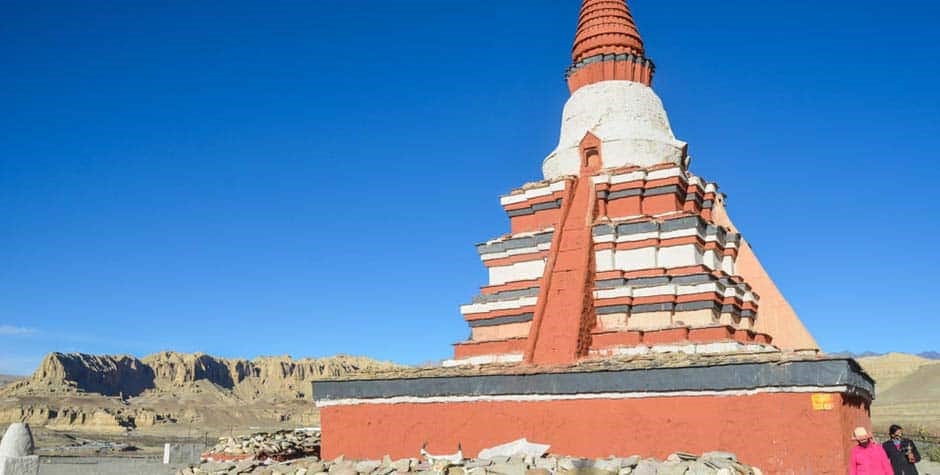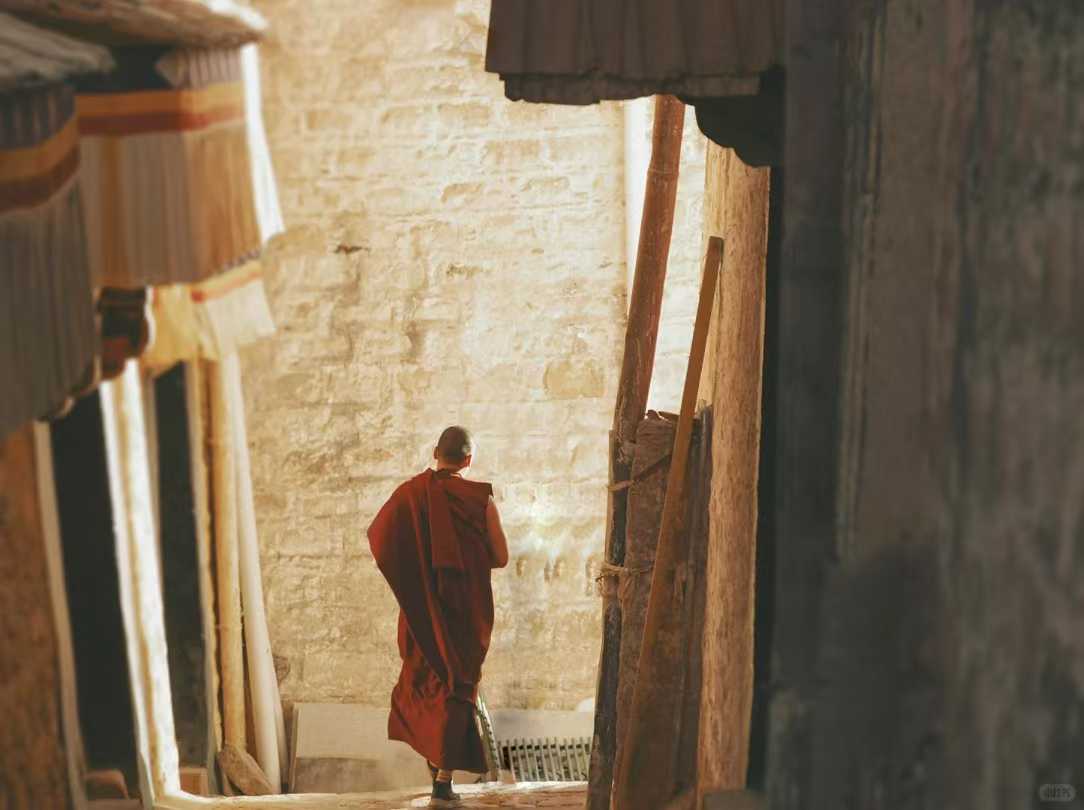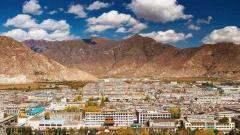

Tibet, known as the “Roof of the World” and the “Third Pole of the Earth,” is a bucket-list destination cherished for its snow-capped Himalayas, turquoise holy lakes, and profound Tibetan Buddhist heritage.
However, traveling to Tibet as an international visitor or overseas Chinese comes with specific travel regulations and unique environmental considerations compared to regular destinations. As a local expert from Tibet Yulong Travel Agency, I have put together this ultimate guide to help you navigate every step of your upcoming journey hassle-free.
The Key Requirement: Your Tibet Travel Permit
Understanding entry regulations is the most crucial first step when planning your trip to Tibet.
-
What is the Tibet Travel Permit?
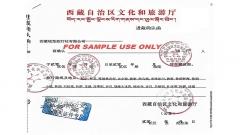
Under local regulations, all foreign passport holders (including overseas Chinese with foreign citizenship) must obtain an official Tibet Travel Permit (TTB Permit) issued by the Tibet Tourism Bureau before entering the region.
-
Can foreign travelers travel independently?
No. Independent travel (“backpacking”) is not permitted for foreign passport holders in Tibet. All international visitors must travel on a pre-arranged tour organized by a licensed Tibet-based agency (like Tibet Yulong Travel) with a certified local guide throughout the journey.
-
How to apply for the permit?
-
Timeline: Submit your documents to us at least 20–25 days before your arrival date.
-
Required Documents: Clear color scans of your passport bio page and valid Chinese Visa (L Visa). If you hold a work or student visa in China, an official proof of employment or study is also required.
-
Strict Validity: Your permit specifies exact entry/exit dates and approved routes. Overstaying is strictly prohibited, so your flight or train tickets must align precisely with your approved permit dates.
-
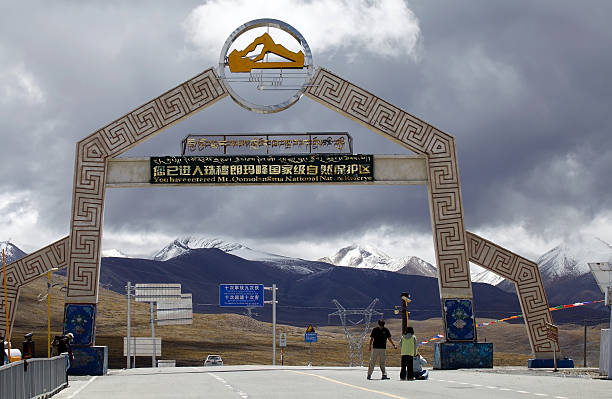
Preventing Altitude Sickness: Golden Rules from Local Experts
Altitude sickness (AMS) is the most common concern for first-time visitors, but with a well-paced itinerary, your body will adapt naturally and smoothly!
-
Follow a “Gradual Ascent” Route:
Avoid flying directly into high-altitude areas like Everest Base Camp (5,200m). Start in Lhasa (3,650m) or Nyingchi (2,900m) to give your body 2 to 3 days to adjust gently to the oxygen levels.
-
Stay in Oxygen-Equipped Hotels:
Tibet Yulong Travel prioritizes star-rated hotels equipped with diffuse oxygen supply systems in Lhasa and key cities, ensuring a comfortable night’s sleep to accelerate your recovery.
-
The “Take-It-Easy” Rule for Days 1–2:
No strenuous exercise, no overly hot showers, and no overeating. Slow your pace, drink plenty of warm water, and rest upon arrival.
Choosing Your Itinerary: How Many Days Do You Need?
Depending on your schedule and travel preferences, here are our top 3 curated itineraries:
-
7-Day Highlights & Acclimatization (Lhasa + Nyingchi)
Ideal for travelers with limited time or concerns about high altitude. Experience the lush valleys of Nyingchi (“the Switzerland of Tibet”) before exploring the cultural heart of Lhasa.
-
10-Day Classic Overland & Everest Dream Journey (Lhasa + Yamdrok Lake + Shigatse + Everest Base Camp)
Our most popular route for international and overseas Chinese travelers! Experience majestic mountain passes, sacred turquoise lakes, and stand face-to-face with Mount Everest (8,848m) to witness a breathtaking golden sunrise.
-
12+ Day Grand Ngari Circuit (Into the Deep Wilderness)
Designed for seasoned adventurers looking to explore the wild western plateaus, complete the sacred Mount Kailash kora, and visit Lake Manasarovar.
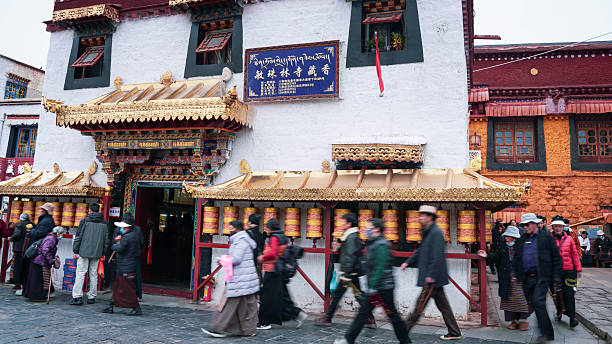
Cultural Respect & Local Etiquette
Tibet’s spiritual culture is welcoming, and following a few simple cultural customs will enrich your experience:
-
Temple Etiquette: Photography is strictly prohibited inside sacred halls such as the Potala Palace and Jokhang Temple. Remove hats and sunglasses indoors, and walk in a clockwise direction around temples and stupas.
-
Photography Practices: Always ask for permission before taking close-up photos of locals or monks. Please note that photographing military personnel, police, or border checkpoints is strictly forbidden.
-
Environmental Care: The high-altitude ecosystem is delicate—please carry back your trash and help keep this sacred land pristine.
From hassle-free Tibet Travel Permit processing and luxury private transport with bilingual guides, to oxygen-equipped boutique hotels and authentic dining, Tibet Yulong Travel Agency handles every detail of your journey so you can focus entirely on enjoying your once-in-a-lifetime adventure.
Ready to start planning your dream trip to Tibet? Reach out to our team of local experts today and let’s craft an unforgettable journey together!