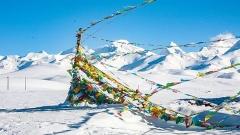

Tibet is a year-round destination, but the best time to visit depends greatly on what you want to experience. From spring peach blossoms in Nyingchi and summer festivals around Lhasa to clear autumn views of Mount Everest and peaceful winter days in Lhasa, each season reveals a different side of the Tibetan Plateau. Understanding Tibet’s weather, temperatures, accessibility, and seasonal highlights will help you choose the right time for your journey.
Key Points At A Glance
- Best overall months: April to October, when weather and road conditions are generally more favorable.
- Best for comfortable sightseeing: April, May, June, September, and early October.
- Best for Mount Everest: May, September, and October, when clear skies often provide excellent mountain visibility.
- Best for Nyingchi peach blossoms: Late March to April.
- Best for Namtso Lake: Summer, especially after the lake has thawed.
- Best for Mount Kailash trekking: Generally May to October, when trekking conditions are more suitable.
- Best for Tibetan festivals: Timing varies by the Tibetan lunar calendar, with major celebrations including Losar, Saga Dawa, and Shoton.
- Best for fewer tourists and lower prices: Winter and the shoulder seasons of spring and late autumn.
- Warmest and busiest period: July and August.
- Quietest period: November to February, although some high-altitude destinations may be inaccessible.
When Is The Best Time To Visit Tibet?
For most international travelers, April to October is the best overall period for a Tibet tour. During these months, temperatures are generally more comfortable, many high-altitude attractions become accessible, and outdoor activities such as sightseeing, hiking, and trekking are easier to arrange.
Among these months, August and September are often considered the golden season. The weather is relatively warm, the landscape is green, and many attractions across Tibet are accessible. However, July and August also coincide with the busiest travel period and the summer monsoon, so travelers should expect more visitors and occasional rain.
If you prefer a quieter journey, April, May, June, and late September to early October can provide an excellent balance between pleasant weather, scenery, and manageable crowds.
That said, there is no single “best month” for everyone. The ideal time depends on your travel goals.
Tibet Weather In Spring: March To May
Spring arrives gradually on the Tibetan Plateau. From March to May, temperatures rise steadily, but high-altitude areas can remain cold, especially at night.
March is still relatively chilly in many regions, but Nyingchi has already begun to show signs of spring. By April and May, Lhasa and other southern and central areas become increasingly pleasant, with warmer daytime temperatures and relatively little rainfall.
One of the biggest advantages of spring is the combination of comfortable daytime weather, clear skies, fewer tourists, and beautiful seasonal scenery.
Nyingchi Peach Blossoms
Nyingchi is the standout spring destination. From late March through April, wild peach trees burst into bloom along rivers, valleys, villages, farmland, and mountain slopes. The pink and white blossoms create a dramatic contrast with snow-covered peaks and green valleys.
The Nyingchi Peach Blossom Festival is another major attraction during this period. Visitors may encounter traditional music, local cultural activities, folk performances, and other celebrations alongside the spectacular natural scenery.
Bomi is particularly famous for its extensive peach blossom landscapes, while Gala Village near Nyingchi is another popular viewing area.
Lhasa In Spring
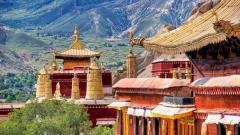
Lhasa becomes increasingly comfortable in April and May. The weather is generally dry and sunny, making it an excellent time to explore the Potala Palace, Jokhang Temple, Barkhor Street, Sera Monastery, and other cultural attractions.
Spring also provides a quieter atmosphere than the summer peak season, allowing travelers to spend more time exploring Lhasa’s historic streets and monasteries.
Spring Travel Recommendation
Recommended destinations: Nyingchi, Lhasa, Shannan, Gyantse, Shigatse, and Everest Base Camp in late spring.
Spring is particularly suitable for travelers who want to combine cultural sightseeing with natural scenery without dealing with the crowds of the summer high season.
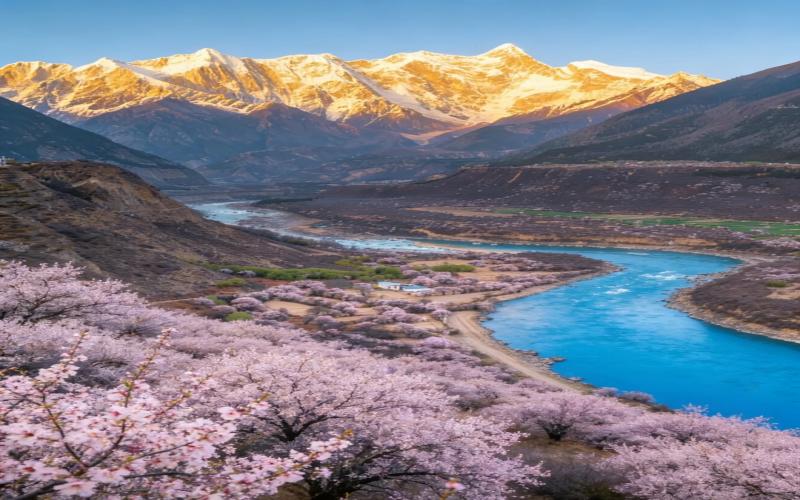
Peach Blossom Gully
Tibet Weather In Summer: June To August
Summer is Tibet’s warmest and busiest travel period. Because of the plateau’s high elevation, however, temperatures are generally milder than those of many lowland cities at similar latitudes.
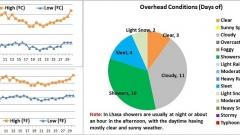
June is an especially attractive month. The weather is warm, high-altitude areas become more accessible, and the landscape begins to turn green. Rainfall increases from June onward, particularly in July and August, but showers often occur later in the day or at night in many areas.
July and August are the wettest months. Rain can occasionally affect roads in remote regions and increase the risk of landslides or debris flows, so travelers heading into mountainous areas should allow some flexibility in their itinerary.
Namtso Lake In Summer
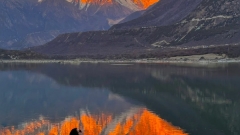
Summer is one of the best periods to visit Namtso Lake. After the frozen surface gradually thaws, the lake reveals its intense blue color beneath a backdrop of snow-covered mountains.
The surrounding grasslands also become greener, and wildflowers appear across the landscape. Prayer flags, grazing animals, and distant mountain peaks add to the atmosphere of this sacred high-altitude lake.
Because Namtso sits at a much higher elevation than Lhasa, travelers should spend several days acclimatizing in Lhasa before visiting.
Trekking In Summer
Summer offers favorable conditions for many high-altitude trekking routes. The Old Tingri to Everest Base Camp trek and the Mount Kailash Kora are two of the most famous options.
The Everest route combines high mountain landscapes, Tibetan villages, valleys, and views of the world’s highest peak. The Mount Kailash Kora is both a physically demanding trek and a deeply spiritual pilgrimage route, attracting pilgrims from Buddhist, Hindu, Jain, and Bon traditions.
Summer Festivals
Summer is also the main festival season in Tibet.
The Shoton Festival, usually held in July or August, is one of the most famous celebrations in Lhasa. It features large-scale thangka unveilings, Tibetan opera, and traditional festivities.
The Nagqu Horse Racing Festival is another colorful summer event, featuring horse racing, traditional horsemanship, archery, and other activities associated with Tibetan pastoral culture.
The exact dates of Tibetan festivals vary according to the Tibetan lunar calendar, so travelers interested in attending a specific celebration should check the dates before booking.
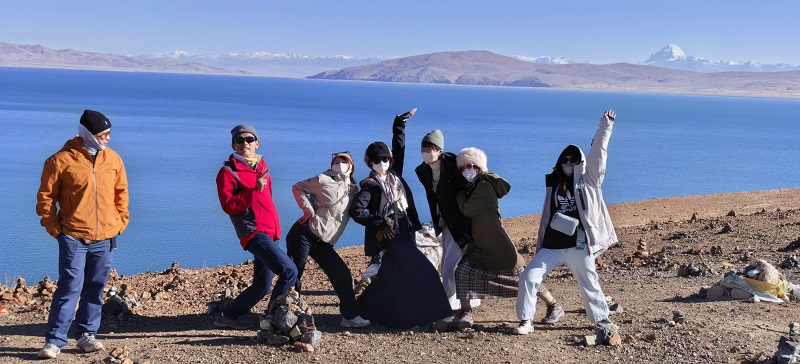
Namtso Lake
Tibet Weather In Autumn: September To November
Autumn is another excellent season for Tibet travel. The summer monsoon gradually retreats, bringing cooler temperatures, clearer skies, and generally better visibility.
September and October are particularly popular because the weather is often stable and mountain views can be spectacular. The combination of blue skies, golden landscapes, monasteries, and snow-covered mountains gives Tibet an especially dramatic appearance.
By November, temperatures fall considerably, especially at night. High-altitude destinations become increasingly cold, and some remote routes may become difficult or inaccessible.
Mount Everest In Autumn
September and October are among the best months for viewing Mount Everest from the Tibetan side. As the summer monsoon weakens, clearer skies can provide excellent visibility of the summit.
Visitors can travel toward Rongbuk Monastery and the Everest Base Camp area for close views of the mountain. Trekkers can also take advantage of the generally more favorable autumn conditions.
Nyingchi In Autumn
Nyingchi offers a completely different experience in autumn compared with spring. Instead of peach blossoms, forests begin turning shades of yellow, orange, and gold.
Lulang Forest and Ranwu Lake are particularly attractive for photography. Snow-covered mountains rising above colorful forests and lakes create some of the most distinctive autumn scenery on the plateau.
Autumn Travel Recommendation
Recommended destinations: Everest, Namtso, Nyingchi, Lhasa, Gyantse, Shigatse, Shannan, and Ngari.
If your priority is mountain photography, trekking, and clear views rather than festivals, September and October are among the strongest choices.
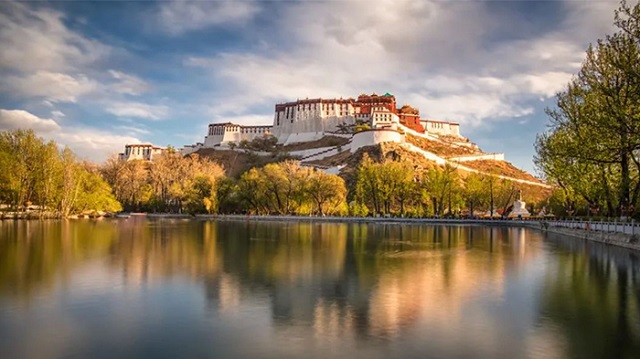
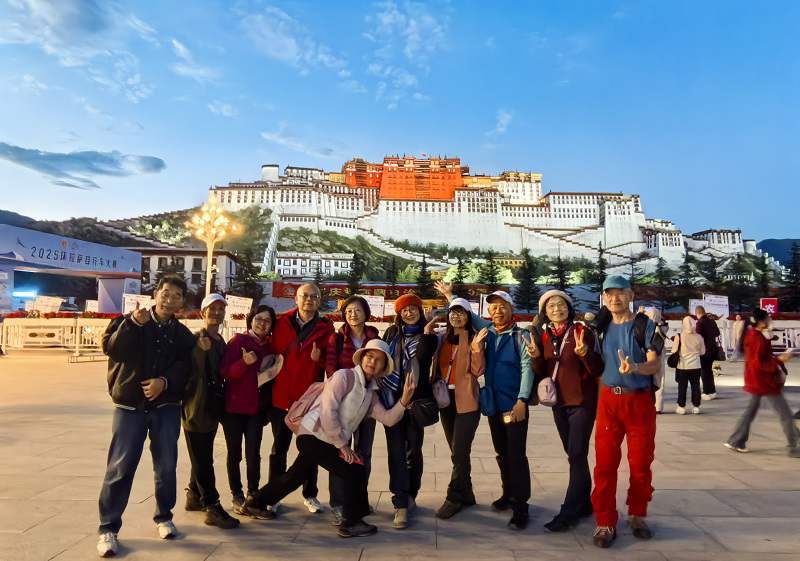
Potala Palace in Autumn
Tibet Weather In Winter: December To February
Winter is often misunderstood by first-time visitors. Tibet is certainly cold during winter, especially at night and in high-altitude regions, but the central and southern parts of the plateau also receive abundant sunshine.
Lhasa, Shigatse, Gyantse, and Shannan can still be visited during winter. During sunny daytime hours, the strong plateau sunlight can make outdoor sightseeing surprisingly comfortable, although temperatures drop quickly after sunset.
Winter is also the driest period in many parts of Tibet, with little rainfall and relatively frequent clear days.
Why Visit Tibet In Winter?
The greatest advantage of winter travel is peace and quiet. Tourist numbers are much lower than during summer, allowing visitors to explore major monasteries and historical sites without the crowds found during peak season.
Winter can also offer lower prices for some hotels and transportation, while the snow-covered landscape gives familiar destinations a completely different appearance.
Lhasa is particularly suitable for winter travel because many of its cultural attractions remain accessible.
Winter Limitations
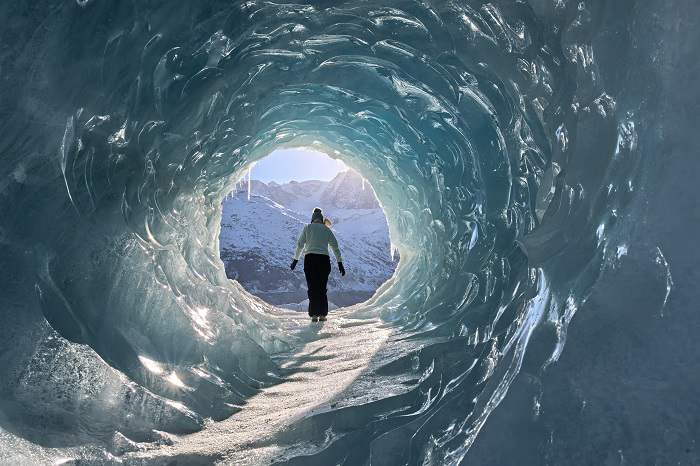
The main disadvantage is accessibility. Extremely high destinations such as Namtso and parts of Ngari can become difficult or impossible to reach because of snow, ice, and severe weather.
Mount Kailash is also unsuitable for normal trekking during the coldest winter months. Heavy snow can close mountain passes and trekking routes, while temperatures around the mountain can fall far below freezing.
Therefore, winter is best for travelers focusing on Lhasa, Shigatse, Gyantse, Shannan, and cultural experiences, rather than ambitious high-altitude trekking.
Best Time To Visit Tibet For Different Travel Experiences
The “best time” changes depending on your interests. Choosing your travel season according to your main activity can make your trip much more rewarding.
For First-Time Tibet Travelers
April to October is the safest general recommendation. Most major destinations are accessible, temperatures are more comfortable, and there are plenty of opportunities for sightseeing and outdoor activities.
For Mount Everest
May, September, and October are particularly attractive. These periods can offer relatively clear conditions and good opportunities to see the summit.
For Mount Kailash
May to October is generally the preferred period for the Kailash Kora, when trekking routes are more suitable than during the winter months.
For Nyingchi Peach Blossoms
Late March to April is the key period. The exact timing depends on local temperatures and the development of the blossoms.
For Namtso Lake
Summer to early autumn is preferable because the lake has thawed and the surrounding grasslands are greener. Travelers should still allow time for altitude acclimatization before heading to the lake.
For Tibetan Festivals
Festival dates change according to the Tibetan lunar calendar. Losar, Saga Dawa, Shoton, and other celebrations can provide unique cultural experiences, but travelers should plan around the exact festival dates rather than simply choosing a month.
For Fewer Crowds
Winter, April, May, and late autumn are good choices for travelers who value a quieter atmosphere.
What To Wear In Tibet
Regardless of when you visit, Tibet’s high elevation creates a significant difference between daytime and nighttime temperatures. Layering is therefore more practical than relying on a single heavy garment.
In spring and autumn, bring thermal layers, a sweater or fleece, and a warm jacket. Summer generally requires lighter clothing during the day, but a fleece or lightweight down jacket can still be useful in the evening and at higher elevations.
Winter travelers should bring a thick down jacket, warm trousers, gloves, a hat, and suitable footwear.
For trekking, waterproof and wind-resistant outer layers are particularly useful because weather can change quickly in mountainous areas. Comfortable hiking shoes are also important, especially when visiting monasteries or walking on uneven terrain.
Protect Yourself From The Sun
Sun protection is essential throughout the year. Tibet’s high elevation means strong ultraviolet radiation even when the air feels cool.
Bring sunscreen, sunglasses, a sun hat, lip balm, and moisturizing products. A long-sleeved shirt can provide additional protection during long periods outdoors.
Choosing Your Ideal Time To Visit Tibet
Tibet does not have one universal best travel month. Instead, the right season depends on what you want to see and how you want to experience the plateau.
For a balanced first trip, April to October offers the widest range of travel opportunities. Choose spring for Nyingchi’s peach blossoms, summer for green landscapes and traditional festivals, and autumn for clear mountain views and colorful forests. If you prefer solitude, lower costs, and a slower pace, winter can be surprisingly rewarding in Lhasa and other accessible areas.
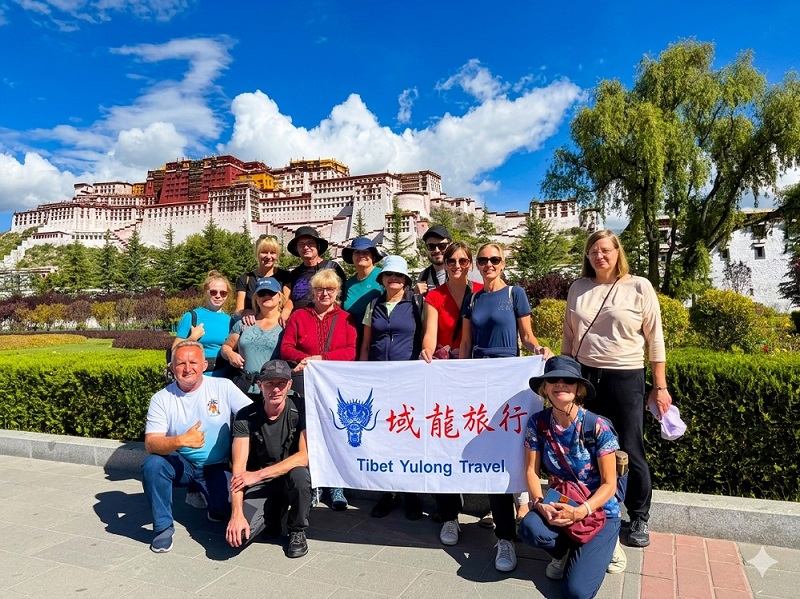
Planning Tibet travel also requires attention to altitude, road conditions, travel permits, transportation, and seasonal accessibility. Tibet Yulong Travel, a locally based Tibet tour operator, can help international travelers organize customized private trips or small-group tours according to their preferred destinations and travel season, including assistance with Tibet Travel Permit arrangements and local transportation.
The best Tibet trip is not necessarily the one taken in the most popular month—it is the one planned around the experiences you value most.